- DIRECT CONTACTS:
- +256 779 116 947
- +256 758 566 300
- info@gorillavistasafaris.com

Chimpanzee Trekking in Kibale Forest
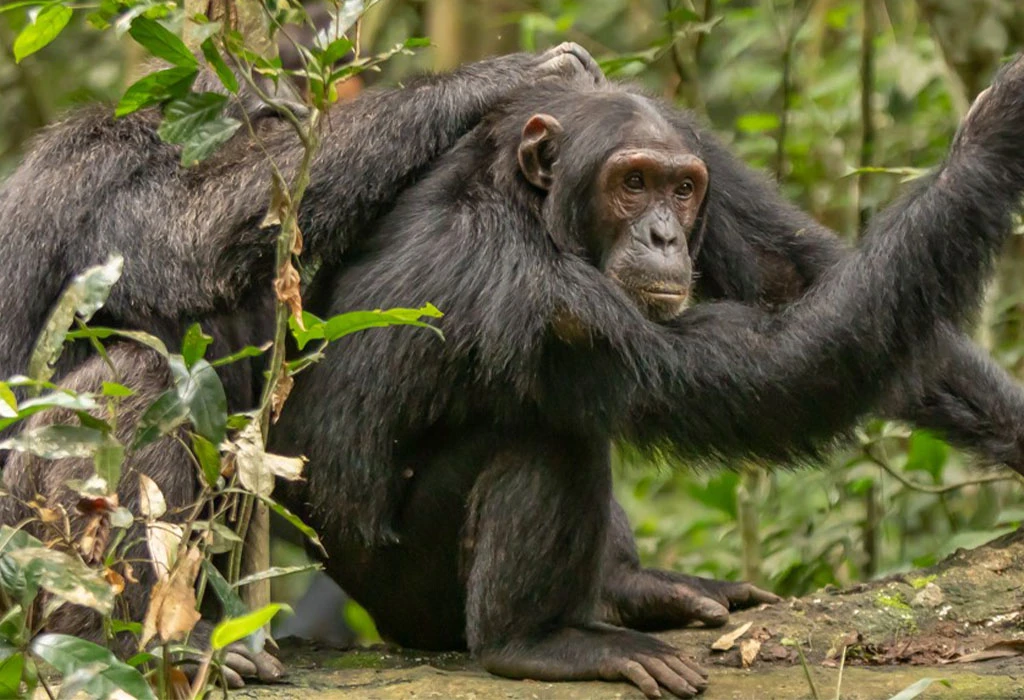
Chimpanzee trekking in Kibale Forest offers one of Uganda’s most exciting primate experiences. Located in western Uganda, Kibale National Park protects an extensive tropical rainforest and supports an impressive variety of wildlife. The park lies near Fort Portal and provides easy access to other attractions, including Queen Elizabeth National Park, the Rwenzori Mountains and Semuliki National Park.
Often described as Uganda’s primate capital, Kibale is particularly famous for its chimpanzees. However, the forest offers much more than chimpanzee encounters. During a visit, you can explore a rich ecosystem filled with monkeys, forest elephants, birds, butterflies and other fascinating creatures.
Why Visit Kibale National Park?
Kibale National Park stands out because of its remarkable concentration of primates. The forest supports chimpanzees alongside species such as red-tailed monkeys, black-and-white colobus monkeys, blue monkeys, L’Hoest’s monkeys, olive baboons, grey-cheeked mangabeys, pottos and bushbabies.
The forest also attracts birdwatchers. More than 300 bird species have been recorded in and around Kibale, creating excellent opportunities for forest birding. Species you may encounter include the great blue turaco, African pitta, black-capped apalis, African grey parrot, blue-breasted kingfisher and various barbets, cuckoos and greenbuls.
Beyond primates and birds, the wider ecosystem supports forest elephants, buffaloes, bushbucks, duikers, bush pigs and other mammals. Although sightings vary, the possibility of encountering larger wildlife adds another layer of excitement to a forest adventure.
Understanding Kibale’s Chimpanzees
Chimpanzees share more than 98 percent of their DNA with humans, making them among our closest living relatives. Their intelligence, social behavior and remarkable communication skills make watching them in the forest an unforgettable experience.
Chimpanzees live in complex communities and communicate through vocalizations, facial expressions, gestures and body movements. They also use tools to obtain food, crack nuts and reach insects. Throughout the day, they move between the forest floor and the treetops while feeding, grooming, playing and interacting with one another.
Unlike gorillas, chimpanzees spend considerable time high in the canopy. Consequently, visitors often hear them before seeing them. Their loud calls can travel through the forest, helping guides locate the community. Once the trackers identify the chimps, however, keeping up with them can become challenging because these agile primates move quickly through the vegetation.
What to Expect During Chimpanzee Trekking
Chimpanzee trekking normally begins with a briefing at the Kanyanchu Visitor Centre. Rangers explain the trekking procedures, safety requirements and appropriate behavior around the chimpanzees. Afterward, visitors enter the forest accompanied by experienced guides and rangers.
The trek can last several hours depending on the location of the chimpanzee community. Sometimes you find the animals relatively close to the starting point. At other times, you may walk deeper into the forest before locating them.
Once you find the chimpanzees, the atmosphere can change instantly. You may watch them feeding, grooming, climbing, calling to one another or moving between trees. Their energy and unpredictable movements often create a more lively encounter than visitors expect.
Because chimpanzees frequently remain in the canopy, binoculars and a camera with a suitable zoom lens can significantly improve the experience. Your guide will also help you understand their behavior and identify interesting individuals within the community.
Visitors generally spend a limited period observing the habituated chimpanzees. Following the ranger’s instructions throughout the encounter helps protect both travelers and the animals.
Chimpanzee Habituation Experience
For travelers who want more time with the chimpanzees, Kibale also offers the Chimpanzee Habituation Experience. Unlike standard trekking, this activity allows visitors to spend several hours observing a chimpanzee community as researchers and trackers continue the habituation process.
The experience starts early because participants aim to observe the chimpanzees from the beginning of their day. You may watch them leave their night nests, feed, groom, travel through the forest and interact with other members of the community.
This longer experience suits photographers, researchers and travelers who want a deeper understanding of chimpanzee behavior. It also provides more time to observe subtle social interactions that a shorter visit might miss.
Chimpanzee Trekking Compared with Gorilla Trekking
Chimpanzee and gorilla trekking offer very different experiences. Mountain gorillas spend much of their time on the ground, while chimpanzees frequently move through the forest canopy. As a result, chimpanzee sightings can involve more movement and require visitors to look upward for extended periods.
Gorilla trekking also usually involves steeper terrain at higher elevations, particularly in Bwindi Impenetrable National Park. Kibale’s terrain is generally less mountainous, although muddy and slippery trails can still make trekking physically demanding during wet weather.
The behavior also differs. Gorillas often appear calm and relatively relaxed around visitors, while chimpanzees can be energetic, noisy and constantly on the move. Both experiences, however, provide remarkable opportunities to observe endangered great apes in their natural environment.
Best Time for Chimpanzee Trekking in Kibale
You can visit Kibale throughout the year because the forest remains green even during the drier months. However, the drier periods generally provide easier hiking conditions.
The main dry periods usually occur around June to September and December to February, while March to May and October to November tend to receive more rainfall. Rain can occur at any time because Kibale is a tropical rainforest, so travelers should always prepare for changing weather.
The wetter months can still be rewarding. The forest becomes especially lush, and fewer visitors may create a quieter atmosphere. Travelers who prioritize comfortable hiking conditions often prefer the drier months, while those seeking fewer crowds may consider the wetter seasons.
Chimpanzee Trekking Rules
Kibale’s trekking regulations exist to protect both visitors and chimpanzees. Travelers should follow all instructions provided by the Uganda Wildlife Authority guides and rangers.
Visitors should never approach the chimpanzees independently, feed them or attempt to attract their attention. Flash photography should also be avoided. Anyone suffering from a contagious illness should not participate because humans can transmit diseases to chimpanzees.
The minimum age for chimpanzee trekking in Uganda is generally 15 years. Maintaining the required distance from the animals is equally important, and visitors should follow the current distance guidelines provided during the briefing.
What to Pack for the Trek
Good preparation makes the forest experience much easier. Wear sturdy, waterproof hiking boots because trails can become muddy and slippery. Long trousers, a long-sleeved shirt, a rain jacket and comfortable socks provide protection from vegetation, insects and sudden rain.
Carry drinking water, light snacks, insect repellent, binoculars and a camera with sufficient battery power. A lightweight backpack is useful for carrying your essentials without making the trek unnecessarily tiring.
A walking stick can also provide additional support on uneven or slippery trails. Travelers who carry heavy photographic equipment may consider hiring a porter.
Other Things to Do Around Kibale
Chimpanzee trekking can easily form part of a wider western Uganda itinerary. Visitors can explore Kibale’s forest trails, enjoy primate walks and take guided night walks in search of nocturnal species such as bushbabies and pottos.
A visit to Bigodi Wetland Sanctuary provides another excellent experience. Community-led walks introduce visitors to wetland vegetation, birds, monkeys and butterflies while supporting local conservation and community initiatives.
The region also features spectacular crater lakes. Exploring the crater landscapes around Fort Portal and Kibale offers opportunities for scenic walks, photography and cultural encounters.
Accommodation Around Kibale
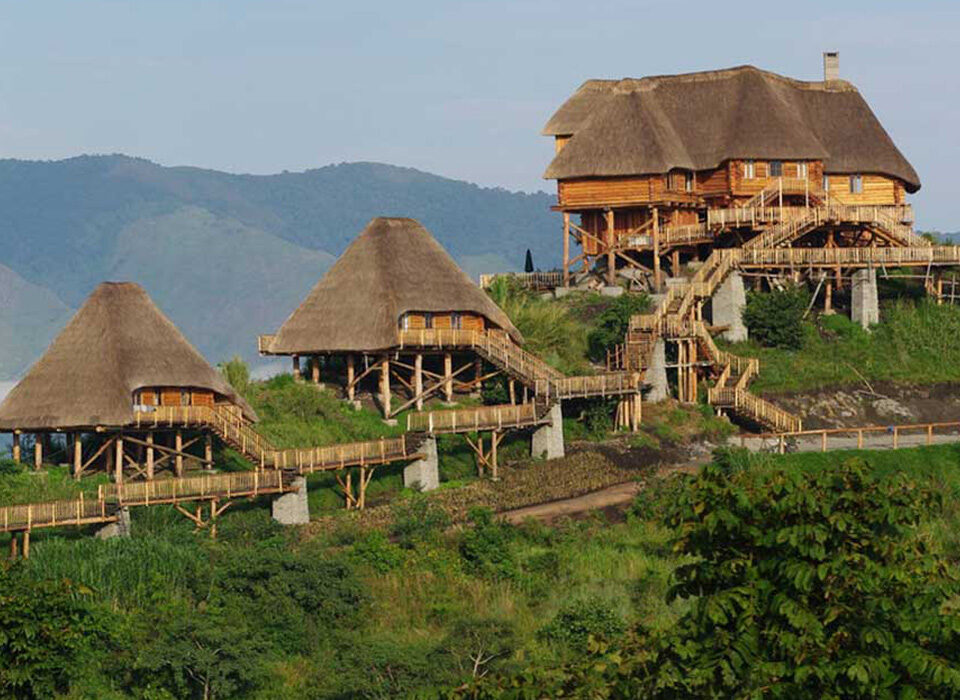
Travelers can choose from budget guesthouses, comfortable mid-range lodges and luxury properties around Kibale and Fort Portal. Primate Lodge is conveniently located near the Kanyanchu area and suits visitors who want easy access to chimpanzee activities.
Crater Safari Lodge provides accommodation overlooking a crater lake, while Kyaninga Lodge offers a luxurious setting with impressive views toward the Rwenzori Mountains. Chimpanzee Forest Guest House provides another practical option for travelers seeking comfortable accommodation close to the park.
Plan Your Kibale Chimpanzee Trek
Chimpanzee trekking in Kibale combines wildlife, rainforest scenery and fascinating primate behavior in one remarkable adventure. From the excitement of hearing chimpanzees calling through the canopy to watching them interact at close range, every trek brings something different.
For a well-organized experience, Gorilla Vista Safaris can help arrange chimpanzee permits, transportation, accommodation, guiding and other activities around Kibale. With good preparation and respect for the forest environment, your visit can become one of the highlights of your Uganda safari.




13 Comments
[…] Chimpanzee tracking remains one of the most popular activities. Nyungwe provides an excellent opportunity to enter the forest early in the morning and search for chimpanzees with experienced guides. […]
[…] plains, take a boat cruise along the Kazinga Channel, and visit areas such as Kyambura Gorge for chimpanzee trekking. The park also supports numerous bird species and other […]
[…] Kibale Forest National Park is Uganda’s most renowned destination for chimpanzee tracking. Located near Fort Portal in western Uganda, the park supports a large chimpanzee population and offers excellent opportunities to encounter these fascinating primates. […]
[…] in Uganda. The excursion can also form part of a wider itinerary featuring gorilla trekking, chimpanzee tracking, wildlife safaris, cultural encounters, and other nature […]
[…] Chimpanzee trekking is one of the park’s most popular activities and gives visitors an opportunity to search for habituated chimpanzee communities in their natural environment. The canopy walkway provides another memorable perspective, taking visitors along a suspended bridge above the forest. […]
[…] Chimpanzee trekking in Kibale National Park is one of Uganda’s most rewarding wildlife experiences. The activity normally begins with a briefing before visitors enter the forest accompanied by trained guides and trackers. […]
[…] Chimpanzee trekking: Join a guided forest trek to observe habituated chimpanzees. Visitors generally spend a limited, regulated period with the chimpanzees after locating them, subject to park rules. […]
[…] many visitors, chimpanzee trekking in Kibale Forest National Park is the main attraction. The forest supports a population of more than 1,500 chimpanzees, alongside […]
[…] Kibale Forest National Park is renowned for chimpanzee trekking and its remarkable diversity of primates. Combining Kibale with Semuliki allows visitors to experience two distinct forest environments while learning about Uganda’s wildlife and conservation efforts. […]
[…] itinerary. Queen Elizabeth National Park is known for its diverse habitats and wildlife, while Kibale Forest National Park offers guided chimpanzee tracking experiences. Bwindi Impenetrable National Park is famous for […]
[…] chimpanzee trekking in Uganda, visitors should therefore follow their guides’ instructions, remain with their group, and […]
[…] chimpanzee trekking can also help visitors appreciate these primates in their natural environment. When properly […]
[…] children reach the age of 12, additional wildlife experiences become available. Chimpanzee trekking in Kibale Forest National Park and Budongo Forest generally welcomes participants aged 12 and above, subject to the applicable […]