- DIRECT CONTACTS:
- +256 779 116 947
- +256 758 566 300
- info@gorillavistasafaris.com

Combining Chimpanzee Trekking with Bigodi Wetland Walk in Uganda
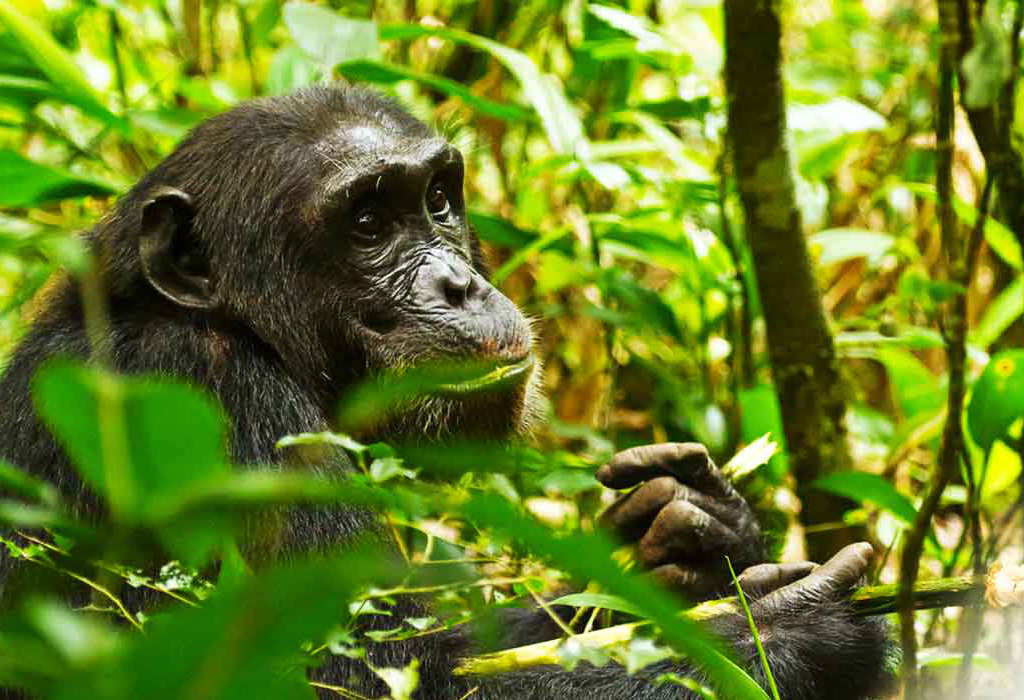
Combining chimpanzee trekking with the Bigodi Wetland Walk is one of the most rewarding ways to explore Uganda’s wildlife in a single day. Located near Kibale National Park in western Uganda, these two experiences offer an excellent opportunity to discover the country’s remarkable primates, colourful birdlife, and beautiful tropical landscapes. Moreover, their proximity makes it possible to enjoy both activities without spending hours travelling between destinations.
Imagine starting your morning beneath the towering trees of Kibale Forest, listening to the calls of wild chimpanzees as you follow an experienced ranger through the undergrowth. Later in the afternoon, you can explore the peaceful trails of Bigodi Wetland Sanctuary, where colourful birds, monkeys, and other wildlife inhabit a landscape of papyrus swamps and lush vegetation. Together, these experiences reveal two contrasting ecosystems and provide a deeper understanding of Uganda’s natural heritage.
Whether you are a wildlife enthusiast, a keen birdwatcher, a nature photographer, or a first-time visitor to Uganda, this itinerary offers an excellent balance of adventure, relaxation, and conservation. Furthermore, visiting Bigodi supports community-led initiatives that connect tourism with local development.
With careful planning, Gorilla Vista Safaris can help you combine chimpanzee trekking in Kibale National Park with a guided Bigodi Wetland Walk for an enriching day in western Uganda.
Why Combine Chimpanzee Trekking with the Bigodi Wetland Walk?
Chimpanzee trekking and the Bigodi Wetland Walk complement each other because they introduce visitors to different habitats and wildlife experiences within a relatively small area. Kibale National Park protects a rich tropical forest ecosystem, while Bigodi Wetland Sanctuary features open swamp vegetation, papyrus channels, and woodland edges.
During the morning, you concentrate on finding chimpanzees and observing their behaviour in their natural environment. By contrast, the afternoon walk offers a slower-paced opportunity to appreciate birds, wetland vegetation, and other wildlife while learning about community conservation.
Additionally, this combination works well for travellers who want to make the most of their time in western Uganda without rushing between distant attractions.
Here are the main reasons to include both activities in your itinerary:
- Diverse wildlife encounters: Observe chimpanzees in Kibale Forest before searching for monkeys, birds, and wetland wildlife in Bigodi.
- Excellent birdwatching opportunities: Discover forest and wetland bird species with the assistance of knowledgeable local guides.
- Convenient travel: The two attractions lie close to each other, making the combination practical for a full-day excursion.
- Community involvement: Support local conservation and development initiatives through your visit to Bigodi.
- A balanced adventure: Enjoy an active forest trek in the morning and a more relaxed nature walk in the afternoon.
Consequently, this itinerary suits travellers who want to experience Uganda’s biodiversity while understanding how conservation and community tourism work together.
Morning Activity: Chimpanzee Trekking in Kibale National Park
Where Does Chimpanzee Trekking Begin?
Chimpanzee trekking in Kibale National Park generally begins at the Kanyanchu Visitor Centre, where visitors meet their ranger guides for a briefing before entering the forest.
Morning treks commonly start around 8:00 a.m., although visitors should confirm their assigned reporting time when booking. Arriving early allows you to complete registration, receive important safety instructions, and prepare for the trek without unnecessary delays.
During the briefing, your ranger explains the trekking procedures, appropriate behaviour around chimpanzees, and the importance of protecting wildlife from human-borne diseases. You will also learn what to expect as you move through the forest in search of a habituated chimpanzee community.
For travellers staying near Kibale National Park, this early start makes it easier to enjoy the morning activity before returning for lunch and continuing to Bigodi Wetland Sanctuary.
What to Expect During the Chimpanzee Trek
Once the briefing ends, you follow your ranger into the forest. The trek takes you along natural trails beneath a canopy of tall trees, climbing vines, and thick vegetation. Depending on the season and recent rainfall, some sections may become muddy or slippery, so sturdy footwear is essential.
Kibale National Park is internationally recognised for its rich primate diversity and is home to a substantial population of wild chimpanzees. Rangers use their knowledge of the forest, observations of chimpanzee movements, and communication with other tracking teams to help locate habituated groups.
The duration of the trek varies according to where the chimpanzees travel each day. Some visitors find them relatively quickly, while others spend longer walking through the forest. Therefore, it is best to allow sufficient time rather than assume that every trek will follow the same schedule.
When you finally encounter the chimpanzees, you can observe their natural behaviour from the distance specified by your ranger. You may see individuals feeding on fruit, grooming one another, communicating through calls, or moving between trees. Their complex social relationships and expressive behaviour make the experience especially fascinating.
However, chimpanzee trekking involves observing wild animals rather than interacting with them. Visitors must follow their guide’s instructions, maintain the required distance, and avoid disturbing the group.
Other Wildlife to Look Out for in Kibale Forest
Although chimpanzees are the main attraction, Kibale Forest supports several other primate species and a remarkable variety of birds.
Depending on your route and the animals’ movements, you may encounter:
- Red-tailed monkeys moving through the forest canopy.
- Black-and-white colobus monkeys feeding among the branches.
- Grey-cheeked mangabeys searching for food.
- Olive baboons travelling along forest paths.
- Forest birds calling from the canopy and understory.
Furthermore, Kibale’s dense vegetation creates opportunities to appreciate the forest ecosystem beyond its most famous residents. Even when wildlife remains partially hidden, the sounds, scents, and changing light make the trek a memorable experience.
Essential Tips for a Successful Chimpanzee Trek
Preparing properly helps you remain comfortable and enjoy the experience without unnecessary difficulties.
Before setting off, remember to:
- Wear suitable footwear: Choose sturdy hiking boots with good grip to handle muddy and uneven trails.
- Dress appropriately: Long trousers and lightweight, long-sleeved clothing help protect you from insects and vegetation.
- Carry drinking water: Staying hydrated is important, particularly when walking in humid conditions.
- Bring rain protection: Rain can occur even during generally drier periods, so a lightweight waterproof jacket is useful.
- Protect your equipment: Use a waterproof bag or cover to protect your camera, phone, and other valuables.
- Follow health guidelines: Visitors must follow the current chimpanzee-viewing rules, including any mask requirements communicated by park authorities.
- Book your permit early: Secure your chimpanzee trekking permit in advance, particularly if you plan to travel during a busy safari period.
Chimpanzee trekking permits are subject to availability and applicable fees. Prices and booking requirements can change, so confirm the current rates with the Uganda Wildlife Authority or a licensed tour operator before travelling.
Through Gorilla Vista Safaris, you can arrange assistance with permit planning, transport, accommodation, and the wider itinerary.
Midday Break: Lunch Between Kibale Forest and Bigodi
After your morning trek, take time to relax, enjoy lunch, and recover before beginning the afternoon activity. Depending on your trekking duration and lodge arrangements, you may have lunch at your accommodation or at a suitable restaurant around Bigodi.
This break is particularly valuable after several hours of walking through a tropical forest. Drink enough water, enjoy a satisfying meal, and allow yourself time to rest before setting off again.
Because Bigodi Wetland Sanctuary lies close to the Kibale National Park trekking area, the transfer is generally short. Nevertheless, actual travel time depends on your starting point, road conditions, and the location of your accommodation.
The convenient distance between the two attractions allows you to spend more time enjoying nature and less time travelling. It also makes the combination suitable for travellers who want a rewarding wildlife experience without changing accommodation during the day.
Afternoon Activity: Bigodi Wetland Walk
Discover Bigodi Wetland Sanctuary
Bigodi Wetland Sanctuary is a community-managed conservation area near Kibale National Park. The sanctuary is associated with the Kibale Association for Rural and Environmental Development (KAFRED), a community organisation that promotes environmental conservation and local development through tourism.
Unlike the national park, Bigodi operates through a community-based tourism model. Visitors explore the wetland with local guides, learn about its ecology, and contribute to initiatives that connect conservation with community livelihoods.
Depending on the organisation’s current programmes, tourism revenue helps support local development priorities, including education and other community projects. Therefore, a guided walk provides more than a wildlife experience: it also introduces visitors to the relationship between environmental protection and local livelihoods.
During your visit, your guide may explain how residents have helped protect the wetland, why its vegetation matters, and how responsible tourism can create incentives for conservation.
For travellers interested in sustainable tourism, this community dimension adds considerable value to the afternoon.
What Happens During the Bigodi Wetland Walk?
The Bigodi Wetland Walk follows established trails through swamp vegetation, woodland edges, and areas overlooking the wetland. Local guides lead visitors at a manageable pace, stopping along the way to identify birds, explain plant species, and point out wildlife.
The walk generally takes around two to three hours, depending on your pace, the route, and the amount of time spent observing wildlife. The terrain is often less demanding than the forest trails used for chimpanzee trekking, although conditions can vary after rain.
As you move through the sanctuary, you will experience a different side of Uganda’s natural environment. Instead of concentrating primarily on locating one particular animal, you can explore a variety of habitats and appreciate the many species that depend on them.
Your guide can also explain the importance of wetlands in supporting biodiversity, regulating water systems, and providing habitat for specialised wildlife.
For photographers and birdwatchers, the walk offers opportunities to observe animals at a relaxed pace. However, sightings depend on weather conditions, seasonal changes, and wildlife movements, so patience remains important.
Wildlife Highlights of Bigodi Wetland Sanctuary
Bigodi is especially popular among visitors who enjoy birdwatching and observing primates. Its combination of wetland vegetation, trees, and forest edges creates habitats for numerous bird and mammal species.
1. The Great Blue Turaco
The Great Blue Turaco is one of the most striking birds visitors hope to see during the Bigodi Wetland Walk. Its large body, colourful plumage, and distinctive appearance make it an exciting subject for wildlife photography.
Your guide can help identify suitable viewing locations and explain the bird’s behaviour. Although sightings are never guaranteed, Bigodi offers rewarding opportunities to search for this impressive species.
2. Colourful Wetland and Forest Birds
Bigodi supports a diverse bird community, making it an excellent destination for birdwatching in western Uganda.
Depending on the season and conditions, you may look for species such as:
- Papyrus gonolek.
- Yellow-rumped tinkerbird.
- African grey parrot.
- Various kingfishers.
- Weavers and sunbirds.
- Other wetland and forest-edge birds.
Birders should bring binoculars and consider carrying a camera with a suitable zoom lens. A local guide can help identify calls, distinguish similar species, and locate birds that might otherwise remain hidden in the vegetation.
3. Red Colobus and Other Monkeys
Bigodi’s woodland edges and surrounding vegetation provide habitat for several primate species. Visitors may encounter red colobus monkeys, black-and-white colobus monkeys, red-tailed monkeys, and grey-cheeked mangabeys.
Watching these primates move through the trees provides an excellent contrast with the morning’s chimpanzee encounter. Nevertheless, sightings depend on their movements, and visitors should avoid approaching, feeding, or disturbing them.
4. The Sitatunga Antelope
The sitatunga is a specialised antelope adapted to wetland environments. Its association with dense swamp vegetation makes it an interesting species for visitors exploring Bigodi.
Spotting one can require patience because sitatungas often remain concealed among papyrus and other wetland plants. Your guide may point out areas where the antelope is known to occur, although sightings are not guaranteed.
Overall, the combination of birds, primates, and other wildlife ensures that the Bigodi Wetland Walk offers plenty to discover beyond its best-known attractions.
Practical Information for Planning Your One-Day Itinerary
Planning ahead helps you enjoy chimpanzee trekking and the Bigodi Wetland Walk without feeling rushed.
The following table summarises the main arrangements to consider.
| Activity or Detail | Practical Information |
|---|---|
| Main destination | Kibale National Park and Bigodi Wetland Sanctuary |
| Morning activity | Chimpanzee trekking |
| Trek starting point | Kanyanchu Visitor Centre |
| Trek reporting time | Confirm the time assigned to your permit; morning treks commonly begin around 8:00 a.m. |
| Trek duration | Variable; allow several hours |
| Midday activity | Lunch and rest |
| Afternoon activity | Guided Bigodi Wetland Walk |
| Wetland walk duration | Approximately 2–3 hours, depending on conditions |
| Main wildlife attractions | Chimpanzees, other primates, birds, and wetland wildlife |
| Recommended equipment | Hiking boots, rain jacket, water, binoculars, and camera |
| Booking arrangements | Arrange chimpanzee permits in advance and confirm sanctuary fees |
| Tour assistance | Gorilla Vista Safaris |
Keep in mind that trekking schedules, permit prices, sanctuary fees, and wildlife sightings can change. Confirm the details before your trip so that you can plan realistically.
What Is the Best Time to Visit?
You can combine chimpanzee trekking and the Bigodi Wetland Walk throughout the year. However, seasonal weather can influence trail conditions, photography, and the overall experience.
During drier periods, trails may be easier to navigate. In wetter months, the forest and wetland can become particularly lush, although muddy paths may require additional care.
Rather than relying exclusively on the season, consider your priorities. Birdwatchers may prefer to plan around their target species, while photographers may want to consider light conditions and weather flexibility.
Regardless of your travel dates, bring suitable clothing and remain prepared for changing conditions.
Responsible Tourism During Chimpanzee Trekking and the Bigodi Wetland Walk
Responsible tourism plays an important role in protecting Uganda’s wildlife and supporting the communities that live near protected areas.
During chimpanzee trekking, follow the ranger’s instructions, maintain the required viewing distance, and never attempt to feed or touch the animals. If you feel unwell, especially if you have symptoms of a potentially contagious respiratory illness, inform the relevant authorities or your tour operator before the trek.
At Bigodi, respect the sanctuary’s rules and listen to your local guide. Stay on authorised trails, avoid disturbing birds and other wildlife, and do not leave rubbish behind.
You can also support the local community by using authorised guiding services and purchasing locally made crafts when available.
These simple actions help protect the habitats that make the experience possible while ensuring that tourism benefits extend beyond the visitor.
Book Chimpanzee Trekking and the Bigodi Wetland Walk with Gorilla Vista Safaris
Combining chimpanzee trekking with the Bigodi Wetland Walk creates a rewarding wildlife itinerary that showcases two distinctive sides of western Uganda. The morning introduces you to the fascinating social lives of chimpanzees in Kibale Forest, while the afternoon reveals the remarkable biodiversity of a community-managed wetland.
Beyond the wildlife, the experience highlights the importance of conservation and the role local communities play in protecting Uganda’s natural resources. You leave with more than photographs and memories; you also gain a better understanding of how responsible tourism can support both wildlife and people.
Gorilla Vista Safaris can help you plan your Kibale chimpanzee trekking experience, arrange the Bigodi Wetland Walk, and coordinate transport and accommodation according to your travel schedule.
Whether you are planning a dedicated primate safari or including Kibale in a longer Uganda wildlife holiday, combining these activities is an excellent way to make the most of your time in the region.
Explore the forest, discover the wetland, and experience Uganda’s extraordinary biodiversity in one thoughtfully planned day.