- DIRECT CONTACTS:
- +256 779 116 947
- +256 758 566 300
- info@gorillavistasafaris.com

Why Kibale Forest Is Africa’s Primate Capital
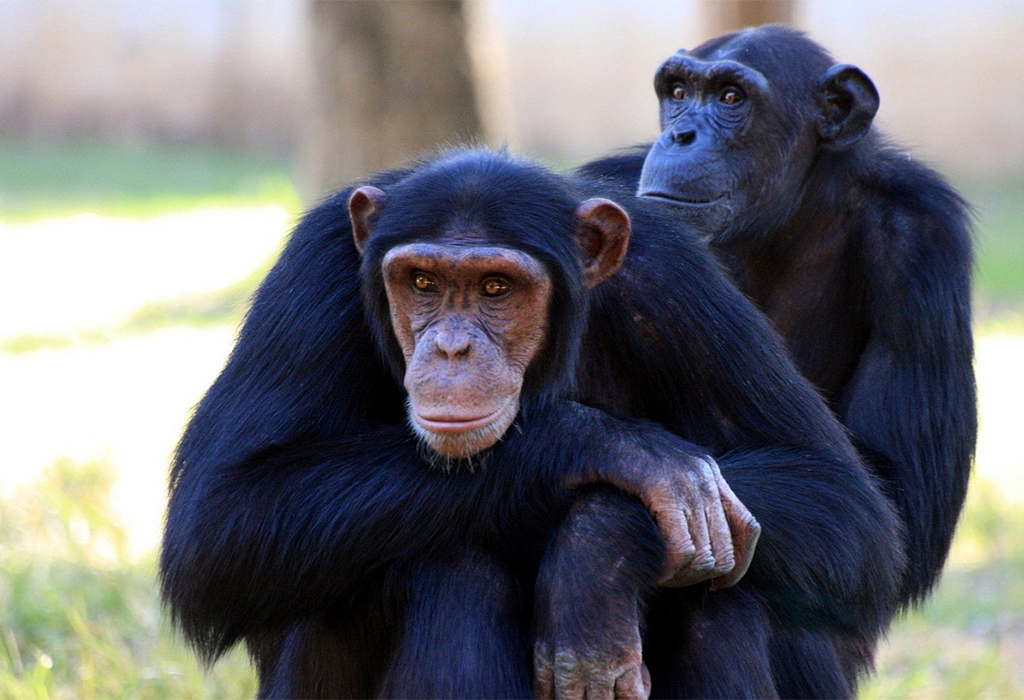
Kibale Forest National Park is one of Uganda’s most remarkable wildlife destinations. Located in western Uganda, this lush tropical rainforest is widely known as Africa’s Primate Capital because of its exceptional diversity of primates and its opportunities for observing chimpanzees in their natural habitat. Covering approximately 795 square kilometers, the park offers unforgettable experiences for travelers interested in wildlife, nature photography, birdwatching, and conservation.
For many visitors, chimpanzee trekking in Kibale Forest National Park is the main attraction. The forest supports a population of more than 1,500 chimpanzees, alongside numerous other primate species that move through its dense vegetation. During a guided trek, visitors can listen to chimpanzees calling through the trees, watch them search for food, and observe their fascinating social behavior.
However, Kibale offers much more than chimpanzee encounters. Its rich biodiversity includes forest elephants, several antelope species, and hundreds of bird species. Furthermore, the park plays an important role in scientific research, habitat protection, and responsible tourism. With Gorilla Vista Safaris, travelers can include Kibale in a wider Uganda safari and combine primate experiences with wildlife viewing, scenic landscapes, and cultural encounters.
Where Is Kibale Forest National Park Located?
Kibale Forest National Park lies in western Uganda, near Fort Portal, a scenic town known for its rolling hills, tea plantations, crater lakes, and beautiful countryside. The park is approximately 320 kilometers from Kampala, although actual travel time depends on the route, road conditions, and traffic.
A road journey from Kampala or Entebbe generally takes several hours. Nevertheless, the drive provides opportunities to appreciate Uganda’s countryside, pass through local communities, and enjoy views of agricultural landscapes along the way.
Kibale also occupies a convenient position within Uganda’s western safari circuit. Travelers can combine their visit with several other destinations, including:
- Queen Elizabeth National Park: Enjoy game drives, wildlife viewing, and boat trips along the Kazinga Channel.
- Bwindi Impenetrable National Park: Experience mountain gorilla trekking in a protected rainforest.
- Semuliki National Park: Explore lowland tropical forest, birdlife, and the famous Sempaya hot springs.
- Rwenzori Mountains National Park: Discover dramatic mountain scenery and challenging hiking opportunities.
Consequently, Kibale Forest National Park makes an excellent addition to a multi-destination Uganda safari, particularly for travelers who want to experience both primates and traditional savannah wildlife.
Why Is Kibale Forest Called Africa’s Primate Capital?
Kibale earns its reputation through its remarkable primate diversity and the abundance of wildlife supported by its tropical forest ecosystem. The park is home to approximately 13 primate species, making it one of East Africa’s leading destinations for primate observation.
Chimpanzees attract the greatest attention, but visitors may also encounter several monkey species during forest walks. Different primates occupy different parts of the forest, from the upper canopy to the lower vegetation. As a result, every guided walk offers opportunities to discover something new.
The primates found in Kibale include:
- Chimpanzees
- Red colobus monkeys
- Black-and-white colobus monkeys
- L’Hoest’s monkeys
- Blue monkeys
- Red-tailed monkeys
- Vervet monkeys
- Olive baboons
- Uganda mangabeys
- Pottos and galagos, which are more likely to be encountered during nocturnal activities
Although sightings depend on animal movements and forest conditions, Kibale provides excellent opportunities to learn about primate behavior and ecology.
Moreover, the park supports important conservation and research initiatives. By visiting responsibly, travelers can contribute to a tourism system that values wildlife protection while creating opportunities for surrounding communities.
Chimpanzee Trekking in Kibale Forest National Park
Chimpanzee trekking is one of the most rewarding activities in Kibale Forest. Unlike wildlife viewing from a safari vehicle, this experience takes visitors on foot through a living rainforest, accompanied by trained guides and park staff.
The experience usually begins with a briefing about trekking procedures, forest safety, and appropriate behavior around chimpanzees. Visitors then follow forest trails while guides listen for chimpanzee calls and look for signs of their movements.
Once the group locates the chimpanzees, visitors can observe their behavior for the permitted viewing period, which is generally one hour for a standard trek. Depending on where the animals are feeding or resting, the walk may take several hours.
During the encounter, you may see chimpanzees:
- Searching for fruit and other foods.
- Grooming one another and interacting socially.
- Moving through trees or along the forest floor.
- Communicating through calls, gestures, and body movements.
- Caring for young members of their community.
However, chimpanzees are wild animals, and sightings cannot be guaranteed. Their movements, weather conditions, and the location of feeding areas can influence the duration and difficulty of a trek.
For the best experience, wear comfortable hiking boots, carry drinking water, and follow your guide’s instructions throughout the activity.
Chimpanzee Habituation Experience in Kibale
Travelers who want to learn more about chimpanzee behavior can consider the Chimpanzee Habituation Experience, subject to availability and current park regulations.
Unlike standard chimpanzee trekking, which focuses on visiting chimpanzees already accustomed to human observers, habituation activities involve following chimpanzees that are still undergoing the process of becoming comfortable with human presence.
This experience may allow visitors to spend up to four hours observing the animals, depending on the applicable permit conditions and the activity offered.
During the experience, participants may learn how researchers and trackers monitor chimpanzee movements, social relationships, feeding habits, and daily routines. It also provides a deeper understanding of the patience and scientific work required for wildlife research and conservation.
Because habituation activities have different requirements from standard trekking, visitors should confirm permit availability, age restrictions, prices, and schedules before making arrangements.
Gorilla Vista Safaris can help travelers plan their Kibale visit around their preferred primate experience and wider safari itinerary.
Wildlife Beyond Primates
Although Kibale is famous for its monkeys and chimpanzees, the park supports a wide variety of other wildlife. Its dense vegetation, forest clearings, and different habitats provide food and shelter for numerous mammal species.
Forest elephants move through parts of the park, while bushbucks, duikers, and giant forest hogs inhabit the forest environment. Other mammals include squirrels, mongooses, and several nocturnal species. Some animals remain difficult to see because they move quietly through thick vegetation or become active mainly at night.
The forest also supports a rich variety of reptiles, amphibians, insects, and butterflies. These smaller creatures contribute to the ecosystem by supporting food chains, pollination, and other ecological processes.
Therefore, visitors should take time to appreciate the forest as a complete ecosystem rather than focusing exclusively on chimpanzees. Even when larger animals remain hidden, the sounds, vegetation, and smaller wildlife make the walk worthwhile.
Birdwatching in Kibale Forest National Park
Kibale is also an excellent destination for birdwatching in Uganda. The park supports more than 375 recorded bird species, attracting both experienced birders and visitors who simply enjoy observing colorful forest birds.
Its diverse habitats support species that are adapted to the rainforest canopy, woodland edges, and forest clearings. With patience and assistance from knowledgeable guides, birdwatchers may encounter the great blue turaco, African grey parrot, African pitta, and green-breasted pitta, among many others.
Birdwatching is particularly rewarding for travelers who enjoy combining wildlife observation with photography. Early morning walks can provide opportunities to hear bird calls and observe activity before the forest becomes busier.
For a successful birding excursion, consider bringing binoculars, a camera, a notebook, and a field guide. Wearing muted clothing can also help you move through the forest without unnecessarily disturbing wildlife.
Best Time to Visit Kibale Forest National Park
Kibale welcomes visitors throughout the year, although weather conditions can influence trekking and birdwatching experiences.
The relatively drier periods generally occur from June to September and December to February. During these months, forest trails may be easier to navigate, although rainfall can still occur because Kibale is a tropical rainforest.
The wetter periods usually fall between March and May and October and November. During these months, the forest becomes especially lush, and birdwatchers may enjoy excellent opportunities to observe forest activity. However, muddy trails can make trekking more demanding.
When planning your trip, consider the following:
- June to September: Often suitable for forest walks and combining Kibale with other safari destinations.
- December to February: Another commonly preferred period for chimpanzee trekking.
- March to May: Lush vegetation and rewarding birdwatching, with potentially wetter trails.
- October to November: Beautiful forest scenery, although rainfall may affect outdoor activities.
Ultimately, the best time depends on your travel schedule, preferred activities, and tolerance for wet conditions. Since chimpanzee permits and accommodation can be limited, booking ahead is advisable during busy travel periods.
Where to Stay in Kibale Forest
Kibale offers accommodation ranging from comfortable forest camps to upscale lodges. Your choice will depend on your budget, preferred level of comfort, and proximity to the trekking starting point.
Popular accommodation options include:
- Kyaninga Lodge: Known for scenic views and a peaceful setting near Fort Portal.
- Ndali Lodge: Offers views of the surrounding countryside and crater-lake landscape.
- Kibale Forest Camp: Provides a nature-focused stay close to the forest.
- Chimpundu Lodge: Offers comfortable accommodation for travelers exploring the Kibale area.
- Turaco Treetops: Provides a forest setting suitable for visitors interested in nature and wildlife.
Before booking, confirm current operating arrangements, available facilities, transport requirements, and the distance to your designated trekking briefing point.
Choosing suitable accommodation can make your safari more relaxing, especially if you plan to begin chimpanzee trekking early in the morning.
Conservation and Research in Kibale Forest
Kibale is important not only for tourism but also for scientific research and biodiversity conservation. Researchers have studied its chimpanzee communities for decades, contributing to a better understanding of primate behavior, ecology, social relationships, and health.
Long-term research projects help scientists monitor wildlife populations and investigate how environmental changes affect forest species. These findings can inform conservation strategies and support the protection of important habitats.
Meanwhile, responsible tourism creates opportunities for local guides, accommodation providers, transport operators, and community businesses. Community participation can strengthen conservation when local people receive meaningful benefits from protecting natural resources.
Visitors also have a responsibility to minimize their impact. Following park regulations, maintaining appropriate distances from wildlife, avoiding littering, and respecting local communities all contribute to a better tourism experience.
In this way, Kibale demonstrates how wildlife tourism, research, and community involvement can work together to support long-term forest conservation.
Top Activities to Enjoy in Kibale Forest
Chimpanzee trekking may be the main attraction, but visitors can enjoy several other activities around Kibale and the neighboring countryside.
Popular experiences include:
- Guided forest walks to discover the rainforest ecosystem.
- Chimpanzee habituation activities, where available.
- Birdwatching excursions with knowledgeable guides.
- Night walks in approved areas to search for nocturnal wildlife.
- Visits to nearby crater lakes and scenic viewpoints.
- Cultural experiences with local communities, arranged respectfully.
- Photography excursions focusing on primates, birds, and forest landscapes.
Combining these activities allows travelers to experience different aspects of western Uganda. However, visitors should confirm which activities require separate permits, specialist guides, or advance reservations.
How to Include Kibale in Your Uganda Safari Itinerary
Kibale fits naturally into a western Uganda safari, especially when travelers want to combine chimpanzee trekking with other wildlife experiences.
A three-day visit can provide time for travel, chimpanzee trekking, and selected activities around the forest. Travelers with additional time can extend their journey to explore neighboring national parks and scenic destinations.
For example, an itinerary may include:
- Kibale Forest National Park: Spend time chimpanzee trekking and exploring the rainforest.
- Queen Elizabeth National Park: Enjoy game drives and a boat cruise along the Kazinga Channel.
- Bwindi Impenetrable National Park: Experience mountain gorilla trekking with the required permit.
- Lake Bunyonyi: Relax beside a scenic lake and enjoy the surrounding highlands.
Travelers with longer holidays may also consider Murchison Falls National Park for wildlife viewing and a Nile boat trip.
Gorilla Vista Safaris can help organize transport, accommodation, permits, and activities according to your available time and interests.
Why Kibale Forest Should Be on Your Uganda Safari Bucket List
Kibale Forest National Park deserves a place on your Uganda safari itinerary because it offers an exceptional opportunity to explore a tropical rainforest and encounter wild primates in their natural environment.
Its chimpanzee population, diverse monkey species, remarkable birdlife, and ongoing conservation work make it an important destination for nature lovers. Furthermore, its location allows travelers to combine forest adventures with savannah game drives, mountain gorilla trekking, and cultural experiences elsewhere in Uganda.
Whether you are interested in photography, birdwatching, wildlife research, or simply discovering a new environment, Kibale provides a meaningful way to connect with nature.
Plan Your Kibale Forest Safari with Gorilla Vista Safaris
Kibale Forest National Park is much more than a chimpanzee trekking destination. It is a vibrant rainforest where wildlife, scientific research, conservation, and responsible tourism come together.
From listening to chimpanzees calling through the trees to spotting colorful birds among the branches, every visit offers a different perspective on Uganda’s natural heritage. Its rich biodiversity and accessible position within the western safari circuit also make it an excellent choice for travelers seeking a varied African adventure.
With Gorilla Vista Safaris, you can plan a Kibale Forest safari that matches your interests, travel dates, and budget. Whether you choose chimpanzee trekking alone or combine it with gorilla trekking and wildlife safaris, careful planning will help you make the most of your time in Uganda.
Start planning your Kibale Forest National Park adventure with Gorilla Vista Safaris and discover why this remarkable rainforest is celebrated as Africa’s Primate Capital.