- DIRECT CONTACTS:
- +256 779 116 947
- +256 758 566 300
- info@gorillavistasafaris.com

Best Time for Chimpanzee Tracking in Uganda
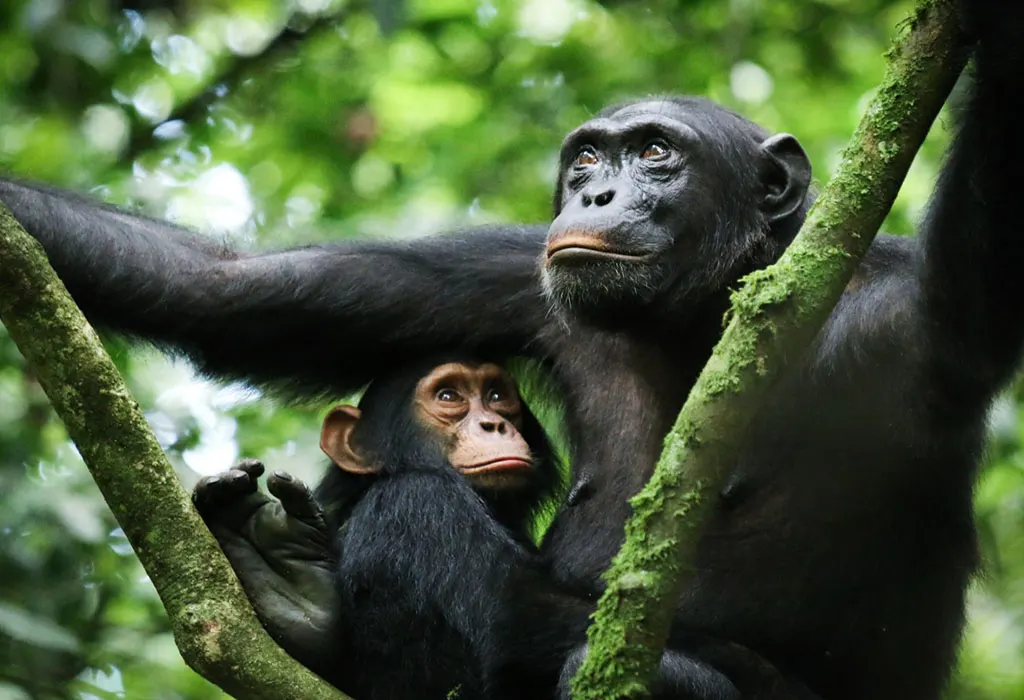
Uganda is one of Africa’s leading destinations for primate encounters, and chimpanzee tracking is one of the experiences that makes the country special. From the forests of Kibale to the scenic Kyambura Gorge, visitors have several opportunities to observe chimpanzees in their natural habitat.
Chimpanzees can be tracked throughout the year in Uganda because habituated communities live in established forest territories and are monitored by trained rangers and guides. However, the experience can vary depending on the season. Weather, trail conditions, visitor numbers, photography opportunities, and permit availability can all influence your trip.
Therefore, understanding Uganda’s seasons can help you choose a travel period that matches your interests and expectations.
Can You Track Chimpanzees All Year Round?
Yes. Chimpanzee tracking takes place throughout the year, so you do not have to wait for a particular season to visit Uganda. The animals remain in their natural forest habitats, and tracking teams continue to monitor habituated communities regardless of the weather.
However, each season offers a different experience. The drier months usually provide easier hiking conditions, while the rainy months bring greener forests, fewer visitors, and excellent birdwatching opportunities.
Your ideal travel period will therefore depend on whether you value easier trails, quieter forests, better photography conditions, or lower-season travel.
The Dry Season: June to September
June to September is one of the most popular periods for chimpanzee tracking in Uganda. During these months, rainfall generally decreases, leaving many forest trails easier to navigate.
For visitors who prefer relatively firm trails, this period can be particularly convenient. It is also a good season for combining chimpanzee tracking with other safari activities across Uganda.
However, the dry season also attracts more travelers. Accommodation around popular destinations such as Kibale can become busy, while chimpanzee permits may experience higher demand. Consequently, travelers visiting during July and August should make their arrangements early.
December to February: Another Good Travel Period
December to February provides another favorable period for chimpanzee tracking. Although occasional rainfall can still occur, many days remain relatively dry and suitable for forest activities.
This period can work especially well for travelers planning a broader Uganda safari. You can combine chimpanzee tracking with wildlife viewing in Queen Elizabeth National Park, gorilla trekking in Bwindi, or other attractions in western Uganda.
December can become busy around Christmas and New Year, so travelers planning a festive-season safari should still arrange permits, accommodation, and transport in advance.
The Rainy Season: March to May
March to May is generally wetter, but that does not mean chimpanzee tracking stops. In fact, the rainy season has several advantages.
The forests become exceptionally green, creating beautiful scenery and a refreshing atmosphere. Rain also brings plenty of food into the forest, while the surrounding vegetation provides excellent opportunities for nature enthusiasts and birdwatchers.
Another advantage is that visitor numbers are often lower than during the main dry season. As a result, travelers who prefer quieter safari experiences may enjoy this period.
The main challenge is the condition of the trails. Heavy rainfall can make some paths muddy and slippery, so proper hiking boots and waterproof clothing become particularly important.
October and November: A Quiet Shoulder Season
October and November bring another period of increased rainfall, although showers may occur intermittently rather than continuously.
For travelers who want to avoid the busiest periods, these months can offer a good balance between accessibility and fewer visitors. The forests remain lush, and chimpanzee tracking continues normally.
With the right clothing and a flexible attitude toward the weather, this period can provide a rewarding forest adventure.
Which Months Are Best for Chimpanzee Tracking?
There is no single month that suits every traveler. Generally, June to September and December to February are attractive for visitors who prefer drier conditions and easier trails.
March to May and October to November can appeal to travelers who enjoy greener landscapes, fewer visitors, and birdwatching.
Therefore, the best time ultimately depends on what you want from your Uganda safari rather than simply choosing the driest month.
Best Places for Chimpanzee Tracking in Uganda
Kibale Forest National Park
Kibale Forest National Park is Uganda’s most renowned destination for chimpanzee tracking. Located near Fort Portal in western Uganda, the park supports a large chimpanzee population and offers excellent opportunities to encounter these fascinating primates.
The forest also supports several other primate species, including red-tailed monkeys, black-and-white colobus monkeys, and grey-cheeked mangabeys. This makes Kibale an excellent destination for travelers interested in a wider primate experience.
Budongo Forest
Budongo Forest lies within the greater Murchison Falls Conservation Area. It is an important chimpanzee habitat and works particularly well for travelers who want to combine primate tracking with a traditional savannah safari.
After exploring the forest, visitors can continue to Murchison Falls National Park for game drives and a boat trip along the Nile.
Kyambura Gorge
Kyambura Gorge lies within Queen Elizabeth National Park and provides another opportunity to search for chimpanzees. The dramatic gorge, forest vegetation, and surrounding landscape make the experience particularly scenic.
Chimpanzee sightings here can be less predictable than in Kibale, but the gorge itself adds a distinctive dimension to the adventure.
Kalinzu Forest
Kalinzu Forest, located close to Queen Elizabeth National Park, is another destination for chimpanzee tracking. It also supports a variety of bird and primate species.
Because of its location, travelers can easily combine a Kalinzu forest experience with game drives and a Kazinga Channel boat cruise.
Chimpanzee Tracking Permits
A chimpanzee tracking permit is required for visitors taking part in the activity at regulated destinations. The cost depends on the location and the visitor category.
At Kibale Forest, permit prices should always be confirmed with the Uganda Wildlife Authority or your tour operator before booking because tariffs can change.
During busy travel periods, demand for permits can increase. For this reason, travelers should arrange their permits and accommodation well in advance, particularly when planning a June-to-September or festive-season safari.
For travelers interested in spending more time with chimpanzees, Kibale also offers a Chimpanzee Habituation Experience. This provides a longer forest experience than standard tracking and allows participants to observe a chimpanzee community for an extended period under the guidance of researchers and trackers.
What Should You Pack?
Good preparation can make your forest experience much more comfortable. Wear sturdy waterproof hiking boots, long trousers, and a long-sleeved shirt to protect yourself from vegetation and insects.
A lightweight rain jacket is useful throughout the year because weather conditions can change quickly in the forest. You should also carry drinking water, snacks, insect repellent, a small backpack, binoculars, and a camera with spare batteries.
During the wetter months, protecting your electronic equipment from rain is particularly important.
Photography During Chimpanzee Tracking
Chimpanzees move quickly, often climbing trees or moving through dense vegetation. Therefore, patience is essential when taking photographs.
A camera with a suitable zoom lens can help you capture both close portraits and wider images showing the surrounding forest. A fast shutter speed is useful when chimpanzees are moving between branches.
Most importantly, visitors should follow the instructions of their guides and respect the required distance from the animals. Wildlife photography should never interfere with the animals or their natural behavior.
Why Choose Gorilla Vista Safaris?
Planning a chimpanzee safari involves more than choosing a travel date. You also need to arrange permits, transportation, accommodation, park activities, and a practical itinerary.
Gorilla Vista Safaris can help travelers organize these details and create a safari that suits their interests, available time, and budget. A chimpanzee experience can also be combined with gorilla trekking, wildlife viewing, birdwatching, cultural encounters, and scenic attractions across Uganda.
Whether you prefer a short Kibale adventure or a longer Uganda primate safari, careful planning can make your journey smoother and more enjoyable.
Frequently Asked Questions
What is the best time for chimpanzee tracking in Uganda?
June to September and December to February are generally popular periods because conditions are often drier. Nevertheless, chimpanzee tracking takes place throughout the year.
Can I track chimpanzees during the rainy season?
Yes. Tracking continues during the rainy months. You should simply prepare for wet and sometimes muddy trails by carrying appropriate clothing and footwear.
How long does chimpanzee tracking take?
The duration varies depending on the location and movement of the chimpanzee community. Standard tracking generally involves walking through the forest until the group is located, followed by a regulated viewing period.
Can chimpanzee tracking be combined with gorilla trekking?
Yes. Many travelers combine Kibale chimpanzee tracking with gorilla trekking in Bwindi Impenetrable National Park, creating a broader primate-focused Uganda safari.
Is chimpanzee tracking difficult?
The difficulty varies according to terrain, weather, and the movement of the chimpanzees. Some days involve relatively easy walking, while others may require longer hikes through uneven forest terrain.
Plan Your Chimpanzee Safari in Uganda
Chimpanzee tracking offers an opportunity to experience Uganda’s forests from a completely different perspective. Whether you visit during the dry season for easier trails or during the rainy season for greener scenery and quieter forests, each period has something to offer.
With the right preparation, a knowledgeable guide, and a well-planned itinerary, your chimpanzee adventure can become one of the highlights of your Uganda safari. Gorilla Vista Safaris can help you organize the permits, accommodation, transport, and activities needed for a memorable journey through Uganda’s remarkable primate destinations.