- DIRECT CONTACTS:
- +256 779 116 947
- +256 758 566 300
- info@gorillavistasafaris.com

13 Best Cultural Sites in Uganda
Uganda is a country with a rich cultural heritage shaped by centuries of tradition, spirituality, royal history, and diverse ethnic communities. Beyond its famous national parks, mountain gorillas, and breathtaking landscapes, Uganda offers fascinating cultural attractions that reveal the stories of ancient kingdoms, traditional beliefs, and important historical events.
From the royal burial grounds of Buganda and Toro to ancient rock paintings and sacred spiritual sites, Uganda’s cultural heritage sites provide meaningful opportunities to explore the country’s identity. Moreover, visiting these landmarks allows travelers to learn about local customs, appreciate traditional architecture, and understand the historical events that shaped modern Uganda.
Whether you are interested in history, archaeology, religion, or traditional African culture, these destinations offer memorable experiences. Here are 13 of the best cultural tourism sites in Uganda to include in your travel itinerary.
1. Kasubi Tombs – The Royal Burial Grounds of Buganda
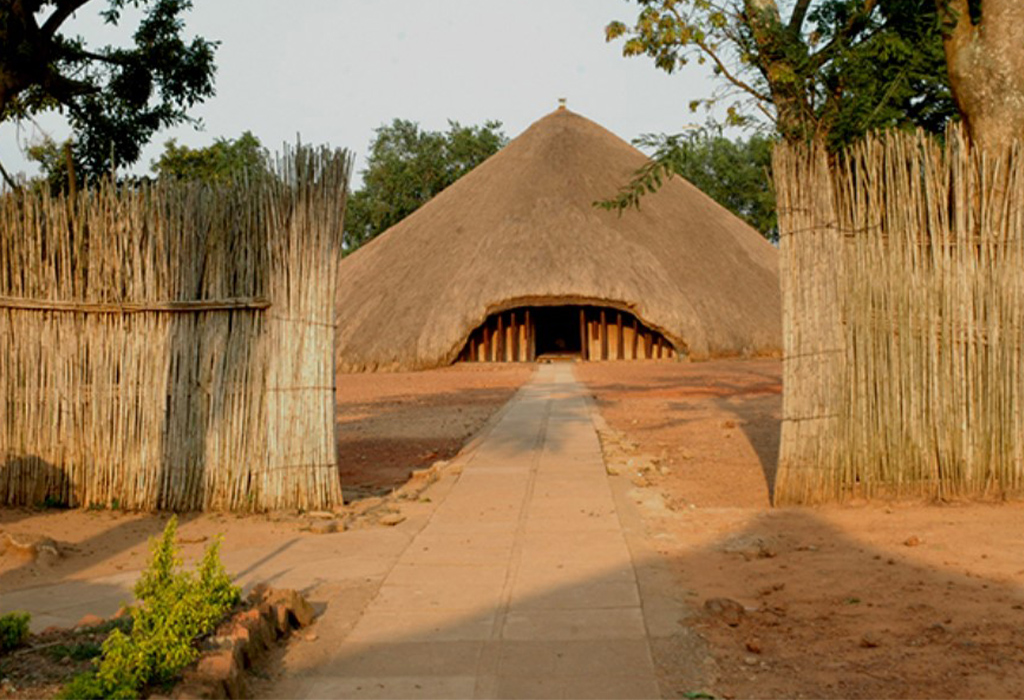
The Kasubi Tombs, located on Kasubi Hill in Kampala, rank among Uganda’s most important cultural heritage sites. This UNESCO World Heritage Site serves as the burial ground for four Kabakas, or kings, of the Buganda Kingdom, alongside other members of the royal family. For the Baganda people, the tombs represent an important spiritual, historical, and political connection to their monarchy.
The site also showcases remarkable traditional architecture constructed using natural materials such as wood, reeds, and thatching grass. Unfortunately, a devastating fire in 2010 destroyed much of the main structure, prompting extensive restoration efforts. Subsequently, restoration work began in 2014 with international support to preserve this treasured heritage. Today, visitors can learn about Buganda’s royal traditions, burial customs, and architectural heritage while appreciating the importance of protecting Uganda’s cultural landmarks.
2. Namugongo Martyrs Shrine – A Major Religious Pilgrimage Site
Located in Namugongo, approximately 14 kilometres northeast of Kampala, the Namugongo Martyrs Shrine commemorates the 22 Catholic martyrs who were executed between 1885 and 1887 during the reign of Kabaka Mwanga II. Their story remains an important part of Uganda’s Christian history and continues to inspire religious pilgrims from across Africa and beyond.
The Catholic shrine features distinctive architecture inspired by traditional African design, including prominent copper pillars and religious artwork. Nearby, the Anglican Martyrs Shrine also commemorates the Christian martyrs associated with this period. Every year on 3 June, thousands of pilgrims travel to Namugongo to participate in Uganda Martyrs Day celebrations. Consequently, the area becomes a major centre of prayer, reflection, and cultural exchange. For visitors interested in religious tourism in Uganda, Namugongo offers an opportunity to understand the historical development of Christianity in the country.
3. Baker’s Fort (Fort Patiko) – A Historical Landmark in Northern Uganda
Baker’s Fort, also known as Fort Patiko, is a historical site located near Gulu in northern Uganda. Samuel Baker established the fort in 1872 during his campaigns against the slave trade. Later, other colonial-era administrators, including Emin Pasha and Charles Gordon, used the fort during their involvement in the administration of the Equatorial Province.
The site lies near Ocecu Hill, also known as Got Ajulu, and features rock formations, engravings, and remnants of its former stone structures. These physical remains offer visitors a glimpse into a turbulent period of Uganda’s history. Furthermore, the fort provides an opportunity to explore the region’s historical connections with nineteenth-century expeditions, colonial administration, and efforts to suppress the slave trade. Today, Fort Patiko stands as an important destination for travelers interested in historical tourism in northern Uganda.
4. Bigo Bya Mugenyi – The Ancient Earthworks of the Bachwezi
Bigo Bya Mugenyi, located in the region of central-western Uganda associated with Sembabule District, is one of the country’s most intriguing archaeological and cultural sites. The extensive earthworks consist of trenches, embankments, and interconnected enclosures that reflect considerable knowledge of landscape engineering. Local traditions associate the site with the legendary Bachwezi, a dynasty remembered in several traditions across the Great Lakes region.
According to oral accounts, the Bachwezi possessed extraordinary abilities and eventually disappeared under mysterious circumstances. However, the historical interpretation of their identity and their connection to the earthworks remains a subject of scholarly discussion. The site continues to hold cultural and spiritual significance for some local communities. Visitors can explore the landscape while learning about oral traditions, ancient settlement patterns, and the importance of preserving Uganda’s archaeological heritage.
5. Karambi Tombs – The Royal Burial Grounds of Toro Kingdom
The Karambi Tombs, situated near Fort Portal in western Uganda, preserve the royal history of the Toro Kingdom. The site serves as the burial place of several Toro monarchs, including Kyebambe Kamurasi, Kaboyo II, and Rukidi III. These royal tombs provide an important connection to the kingdom’s political development, leadership traditions, and cultural identity.
Visitors can explore the traditional structures associated with the royal burial grounds and learn about the customs surrounding the Toro monarchy. In addition, displays of royal regalia and historical objects help explain the authority and responsibilities of the kingdom’s rulers. The peaceful setting makes Karambi Tombs a valuable stop for travelers exploring western Uganda. By visiting this cultural landmark, tourists gain a better understanding of the history and traditions that continue to shape the Toro Kingdom.
6. Mparo Tombs – The Resting Place of Omukama Kabalega
Located near Hoima in western Uganda, the Mparo Tombs commemorate Omukama Kabalega, one of the most celebrated rulers of the Bunyoro-Kitara Kingdom. Kabalega became widely known for resisting British colonial expansion during the late nineteenth century. His leadership and determination remain important symbols of resistance and independence in Uganda’s historical memory.
The tombs preserve the memory of Kabalega and other members of the royal family. Traditional burial practices, including the use of bark cloth in royal funerary customs, help illustrate the cultural significance of the site. Moreover, the tombs offer visitors an opportunity to learn about Bunyoro’s royal traditions, political history, and struggles during the colonial period. For anyone interested in Uganda’s historical kingdoms, Mparo Tombs provide a meaningful introduction to the legacy of one of the country’s most influential monarchs.
7. Ssezibwa Falls – A Sacred Cultural and Natural Attraction
Ssezibwa Falls, located in Buikwe District along the Kampala–Jinja route, combines natural beauty with deep cultural significance. According to Baganda oral tradition, the Ssezibwa River originated from a woman who gave birth to twin rivers. This story gives the falls a special place in local spiritual beliefs and traditional history.
The surrounding area contains sacred sites where traditional spiritual practitioners conduct ceremonies and visitors seek blessings. At the same time, the falls attract nature lovers who enjoy the flowing water, green vegetation, birdwatching, and short nature walks. Therefore, Ssezibwa Falls offers an excellent opportunity to experience both cultural tourism and outdoor exploration in Uganda. Visitors should respect local customs, follow site guidance, and seek permission before photographing ceremonies or sacred activities.
8. Nakayima Tree – A Sacred Shrine on Mubende Hill
The Nakayima Tree stands on Mubende Hill in central Uganda and is widely associated with traditional spirituality and the legends of the Bachwezi. Local accounts describe the ancient tree as being several centuries old, making it an important symbol of continuity, ancestral memory, and traditional belief.
Many visitors come to the shrine to seek blessings connected with family, prosperity, fertility, and personal well-being. The tree’s unusual structure and hollow spaces contribute to its spiritual significance, while traditional practitioners help maintain the site’s cultural practices. Furthermore, Nakayima Tree provides an opportunity to understand how indigenous spiritual traditions continue to influence community life in Uganda. Travelers interested in traditional African religion and cultural heritage can learn a great deal by visiting respectfully and listening to local accounts of the shrine’s history.
9. Nkokonjeru Tombs – The Royal Heritage of Ankole Kingdom
The Nkokonjeru Tombs, located in Mbarara District in southwestern Uganda, preserve the memory of former rulers of the Ankole Kingdom. The site is associated with monarchs such as Omugabe Edward Solomon Kahaya II and Omugabe Charles Godfrey Gasyonga II. As a royal burial ground, it represents an important part of the region’s cultural identity and historical legacy.
Although the site has faced challenges involving land ownership and preservation, its historical importance remains significant. Visitors can learn about the monarchy, traditional leadership, and the cultural practices associated with the former Ankole Kingdom. In addition, the tombs help explain the region’s historical relationship with cattle keeping, royal authority, and community identity. Including Nkokonjeru Tombs in a southwestern Uganda itinerary offers travelers a deeper appreciation of the country’s diverse royal heritage.
10. Nyero Rock Paintings – Ancient Art in Eastern Uganda
The Nyero Rock Paintings, located in Kumi District in eastern Uganda, are among the country’s most significant archaeological attractions. These ancient artworks feature red geometric patterns and other distinctive symbols painted on rock surfaces. Although their precise age and creators remain subjects of archaeological investigation, researchers generally associate them with early communities that inhabited the region long before modern settlements developed.
The paintings provide valuable evidence of early artistic expression and offer clues about the beliefs and cultural practices of past societies. Visitors can explore the rock shelters, observe the artwork, and appreciate the surrounding landscape while learning about the importance of archaeological conservation. For travelers interested in prehistoric art and cultural tourism in eastern Uganda, Nyero offers an experience quite different from the country’s wildlife attractions. It also demonstrates how archaeological sites help preserve stories from periods with limited written historical records.
11. Naggalabi Buddo Coronation Site – The Traditional Coronation Ground of Buganda Kings
Naggalabi Buddo, located in Wakiso District, is one of the most important cultural sites associated with the Buganda Kingdom. According to Buganda tradition, the site is connected with the establishment of the kingdom under Kintu, a legendary founding figure. Oral accounts associate the location with Kintu’s victory over his brother Bemba and the consolidation of his authority.
Naggalabi remains closely linked to the traditional coronation of Buganda kings and the kingdom’s cultural identity. The site helps visitors understand the customs, ceremonies, and historical narratives that support the institution of the Kabaka. Moreover, its importance extends beyond royal ceremonies because it represents the continuity of Buganda’s traditions across generations. Travelers interested in Uganda’s monarchy and traditional governance will find Naggalabi Buddo an especially meaningful addition to a cultural heritage tour.
12. Igongo Cultural Centre – Discovering the Heritage of Southwestern Uganda
Located near Mbarara along the road toward the western part of Uganda, Igongo Cultural Centre celebrates the cultural history of southwestern Uganda. Its museum presents historical objects, traditional practices, and exhibits that introduce visitors to communities such as the Banyankole and Bakiga, alongside other cultural groups from the wider region.
The centre provides an accessible way to explore the region’s traditional lifestyles, social structures, food, craftsmanship, and historical experiences. Visitors can also discover how cattle keeping, pastoral traditions, agriculture, and community relationships have influenced local identity. In addition, the centre offers opportunities to experience regional cuisine and learn through cultural displays. For travelers who want more than a brief historical visit, Igongo Cultural Centre provides an engaging introduction to southwestern Uganda’s diverse heritage.
13. Katereke Prison Ditch – A Difficult Chapter in Buganda’s History
The Katereke Prison Ditch, located in the Nsangi area near Kampala, is associated with a turbulent period in Buganda’s royal history during the late nineteenth century. Historical accounts link the site to the reign of Kabaka Kalema and the imprisonment of members of the royal family amid political conflict.
Traditions surrounding the ditch recount the deaths of royal rivals, making the location a sobering reminder of the struggles that accompanied succession and political power. Today, the site offers visitors an opportunity to reflect on the complicated history of the Buganda Kingdom and the consequences of internal conflict. Although the stories associated with Katereke can be difficult to hear, they contribute to a more complete understanding of Uganda’s past. The site also highlights why preserving historical places matters, even when they represent painful events.
Why Visit Cultural Heritage Sites in Uganda?
Exploring cultural heritage sites in Uganda allows travelers to understand the country beyond its famous wildlife and natural attractions. These destinations reveal how traditional kingdoms, religious beliefs, archaeological discoveries, and community customs have shaped Ugandan society over generations.
Here are some important reasons to include cultural tourism in your Uganda itinerary:
- Discover ancient kingdoms: Learn about the histories and traditions of Buganda, Bunyoro, Toro, and Ankole.
- Explore religious heritage: Visit important pilgrimage destinations such as Namugongo Martyrs Shrine.
- Understand traditional spirituality: Discover the cultural significance of places such as Ssezibwa Falls and Nakayima Tree.
- Experience archaeological history: Explore ancient artwork at Nyero Rock Paintings and the earthworks at Bigo Bya Mugenyi.
- Support heritage preservation: Responsible visits can contribute to local tourism economies and encourage the protection of historic landmarks.
- Connect with local communities: Listen to oral histories, learn about traditional practices, and appreciate Uganda’s cultural diversity.
For the most rewarding experience, consider traveling with a knowledgeable local guide who can explain the historical context, cultural traditions, and community perspectives associated with each destination.
Conclusion: Explore Uganda’s Rich Cultural Heritage
Uganda’s cultural heritage sites preserve remarkable stories of ancient kingdoms, royal traditions, spiritual beliefs, artistic expression, and historical struggles. From the Kasubi Tombs in Kampala to the Nyero Rock Paintings in eastern Uganda, each destination reveals a different aspect of the country’s identity.
Whether you explore the royal burial grounds of western Uganda, visit the sacred sites of central Uganda, or discover ancient archaeological landmarks in the east, these experiences will deepen your understanding of the country. Ultimately, cultural tourism in Uganda offers an opportunity to appreciate the people, traditions, and historical events that continue to shape the nation.
Plan your cultural journey thoughtfully, respect local customs, and help preserve these valuable landmarks for future generations.