- DIRECT CONTACTS:
- +256 779 116 947
- +256 758 566 300
- info@gorillavistasafaris.com

How Close Can I Get to the Gorillas?

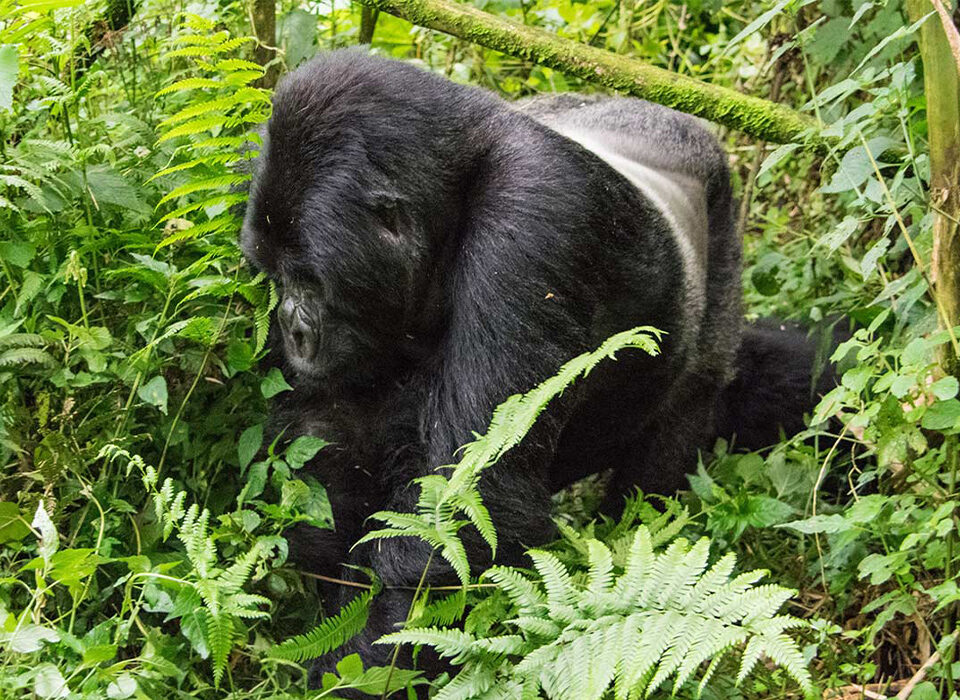
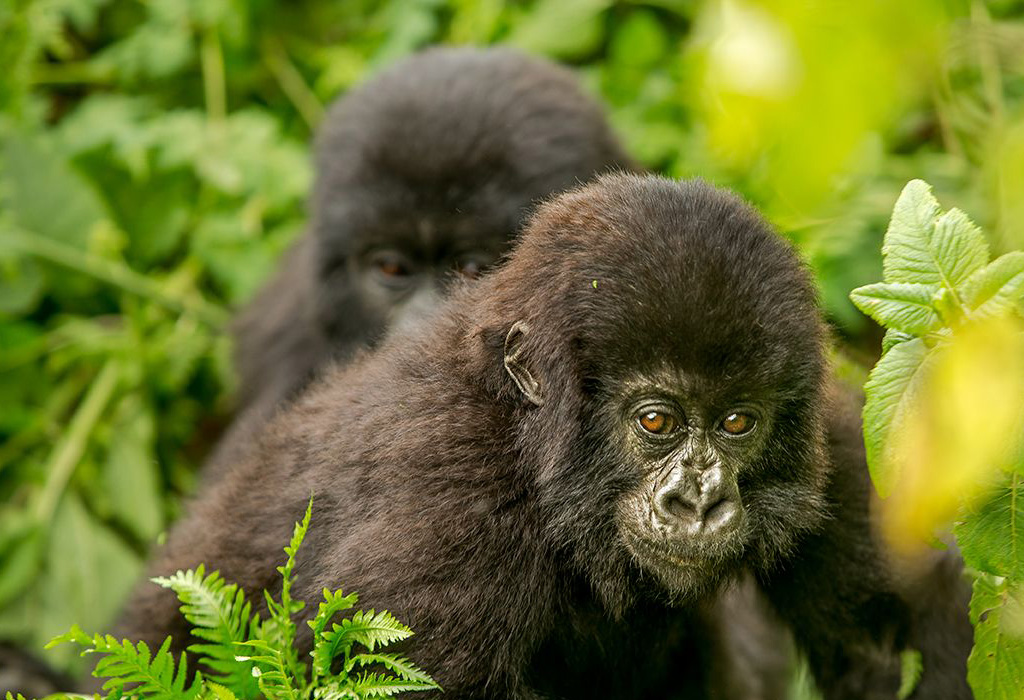
Few wildlife experiences compare with standing in the misty forests of Uganda or Rwanda and coming face to face with a mountain gorilla. After hours of trekking through dense vegetation and steep mountain terrain, the moment you finally see a gorilla can feel almost unreal. A powerful silverback may sit quietly nearby, while playful juveniles climb, feed, or interact with one another.
Naturally, one of the first questions travelers ask is, “How close can I get to the gorillas?”
The answer is important because gorilla trekking combines an extraordinary wildlife encounter with strict conservation and safety measures. Visitors must respect the space of these endangered animals while allowing them to behave naturally.
For travelers planning a gorilla trekking adventure with Gorilla Vista Safaris, understanding the distance rules and responsible trekking practices will help you enjoy the experience while protecting the gorillas.
The Recommended Distance From Mountain Gorillas
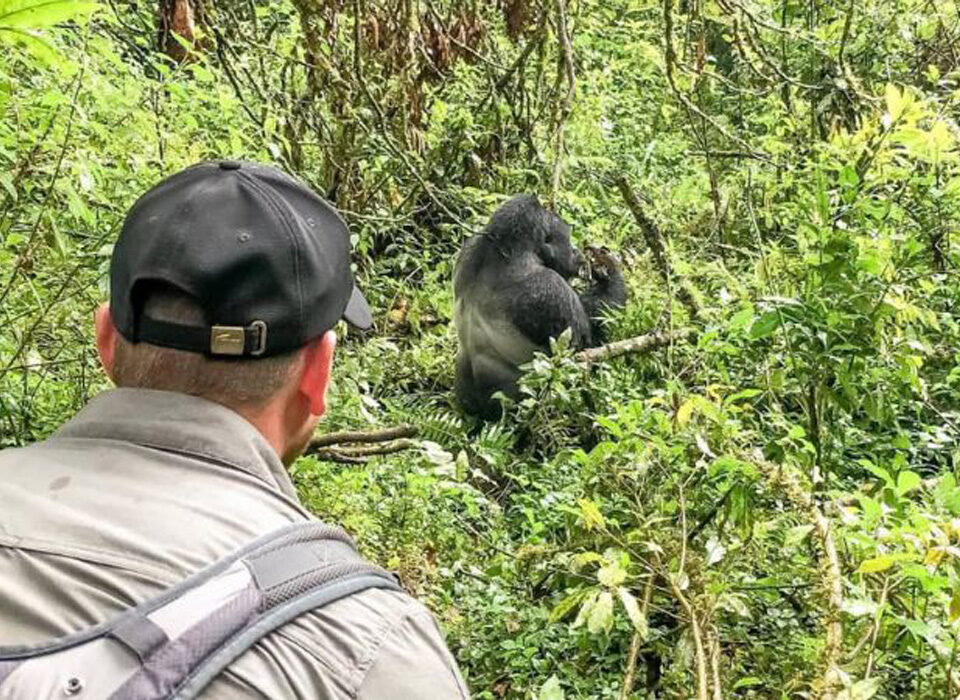
During a gorilla trekking experience, visitors are generally required to maintain a minimum distance of 7 meters, or approximately 23 feet, from the gorillas. This rule helps protect both the animals and visitors.
However, gorillas do not understand human boundaries. A curious juvenile may move toward you, or a silverback may walk along the trail and pass relatively close to the trekking group. When this happens, your guide will advise you on how to respond.
Therefore, never attempt to approach a gorilla simply because it has moved closer to you. Instead, remain calm, avoid sudden movements, and follow your guide’s instructions.
The 7-meter guideline is more than a park regulation. It forms an important part of responsible gorilla tourism.
Why Is the 7-Meter Rule Important?
Mountain gorillas share much of their genetic makeup with humans. Consequently, they can become vulnerable to several human illnesses, including respiratory infections.
Even an ordinary cold can potentially pose a serious health risk to a gorilla. For this reason, visitors who feel unwell should inform their safari operator and avoid trekking when they are sick. Health screening and other precautions may also apply depending on the current conservation guidelines.
Furthermore, keeping your distance reduces the possibility of disturbing the gorillas’ natural behavior. Although habituated gorillas have become accustomed to controlled human presence, they remain wild animals. Too much human interference can cause unnecessary stress and may gradually change how they feed, rest, communicate, or interact.
The distance also provides an important safety buffer. Adult male silverbacks are extremely powerful animals, and their size and strength deserve respect. While serious incidents involving tourists are rare, maintaining appropriate space helps prevent situations in which a gorilla feels threatened.
What Happens If a Gorilla Comes Closer?
This is one of the most exciting possibilities during a trek. You may carefully maintain your distance, only for a gorilla to decide that it wants to move closer.
If this happens, do not panic.
Your guide and ranger will monitor the situation and tell you what to do. Remain quiet and avoid sudden movements. Do not attempt to touch the gorilla, even if it comes within arm’s reach.
You should also avoid deliberately staring into the gorilla’s eyes or making gestures that could be interpreted as threatening. Instead, remain composed and allow the animal to decide where it wants to move.
A close encounter can be incredibly memorable, but the best experience is one in which the gorilla remains comfortable and undisturbed.
Understanding Gorilla Habituation
You may wonder how tourists can safely observe gorillas in the first place. The answer lies partly in a process known as habituation.
Habituation involves gradually introducing gorillas to the presence of humans without forcing interaction. Researchers, conservationists, trackers, and rangers spend extended periods observing a gorilla group from a controlled distance. Over time, the animals become accustomed to the presence of people.
This process does not turn gorillas into tame or domesticated animals. They remain wild. Instead, habituation allows carefully managed groups to tolerate limited human observation without displaying excessive stress.
The process can take years and requires patience, careful monitoring, and specialized knowledge. Only gorilla groups that have been designated for tourism or approved research activities receive regular human visitors.
As a result, tourists do not simply enter the forest and approach any gorilla they encounter. Experienced guides and trackers locate designated groups and manage the encounter according to established conservation procedures.
What Should You Expect During a Gorilla Trek?
A gorilla trek begins with a briefing before you enter the forest. Guides explain the rules, safety procedures, and appropriate behavior around the gorillas. You will also learn why maintaining distance and following instructions matters.
Afterward, trackers lead the group into the forest. Depending on where the gorilla family has moved, the trek may take anywhere from a short walk to several hours. Bwindi Impenetrable National Park, for example, contains rugged terrain, thick vegetation, slippery trails, and steep slopes.
Therefore, you should prepare for a physically demanding adventure rather than a conventional wildlife viewing experience.
Once trackers locate the gorilla family, your group spends a limited period observing them. The standard gorilla viewing period is generally one hour, although the exact management procedures can vary according to the destination and current conservation regulations.
During this time, you can watch the gorillas feed, groom themselves, rest, play, and communicate. Photography is permitted, but you should never use flash photography.
How Can You Make Your Gorilla Encounter Responsible?
Responsible behavior begins before you reach the gorillas. If you are feeling sick, particularly with symptoms of a respiratory infection, notify your safari operator before the trek. Protecting gorilla health remains one of the most important responsibilities for every visitor.
Once inside the forest, listen carefully to your guide and ranger. Keep your voice low, avoid sudden movements, and never attempt to attract a gorilla’s attention for a photograph.
You should also avoid eating or drinking close to the gorillas unless your guide specifically instructs you otherwise. Never leave food, packaging, or other waste in the forest.
Most importantly, resist the temptation to touch the animals. Even if a gorilla approaches you, allow it to move freely without trying to interact physically.
These simple actions help reduce stress and protect the natural behavior of the gorilla family.
Why the Distance Makes the Experience More Meaningful
At first, seven meters might sound like a considerable distance. However, once you are standing in the forest and looking into the eyes of a mountain gorilla, the distance feels surprisingly intimate.
You can observe their expressions, gestures, family relationships, and everyday behavior without interfering with their lives.
In fact, the distance creates a meaningful boundary between human curiosity and wildlife freedom. You enter their environment as a visitor, not as someone who controls the encounter.
That distinction makes gorilla trekking different from seeing animals in captivity. You experience these remarkable primates in the forest they call home while contributing to a tourism model that supports their protection.
Experience Gorillas With Respect
A gorilla trekking experience is a privilege that comes with responsibility. The seven-meter distance helps protect gorillas from human diseases, minimizes disturbance, and provides an important safety margin for both visitors and wildlife.
At the same time, remember that the forest does not operate according to human expectations. A gorilla may remain several meters away, disappear into thick vegetation, or unexpectedly walk closer to your group. Whatever happens, allow your guide and ranger to manage the encounter.
Ultimately, the goal is not to get as close as physically possible. The real reward comes from observing mountain gorillas respectfully in their natural habitat and knowing that your visit contributes to their continued protection.
With Gorilla Vista Safaris, travelers can approach this extraordinary experience with patience, respect, and an appreciation for the fragile relationship between people and wildlife.



1 Comment
[…] spirituality, royal history, and diverse ethnic communities. Beyond its famous national parks, mountain gorillas, and breathtaking landscapes, Uganda offers fascinating cultural attractions that reveal the […]