- DIRECT CONTACTS:
- +256 779 116 947
- +256 758 566 300
- info@gorillavistasafaris.com

Restrictions to Gorilla Trekking in Uganda and Rwanda
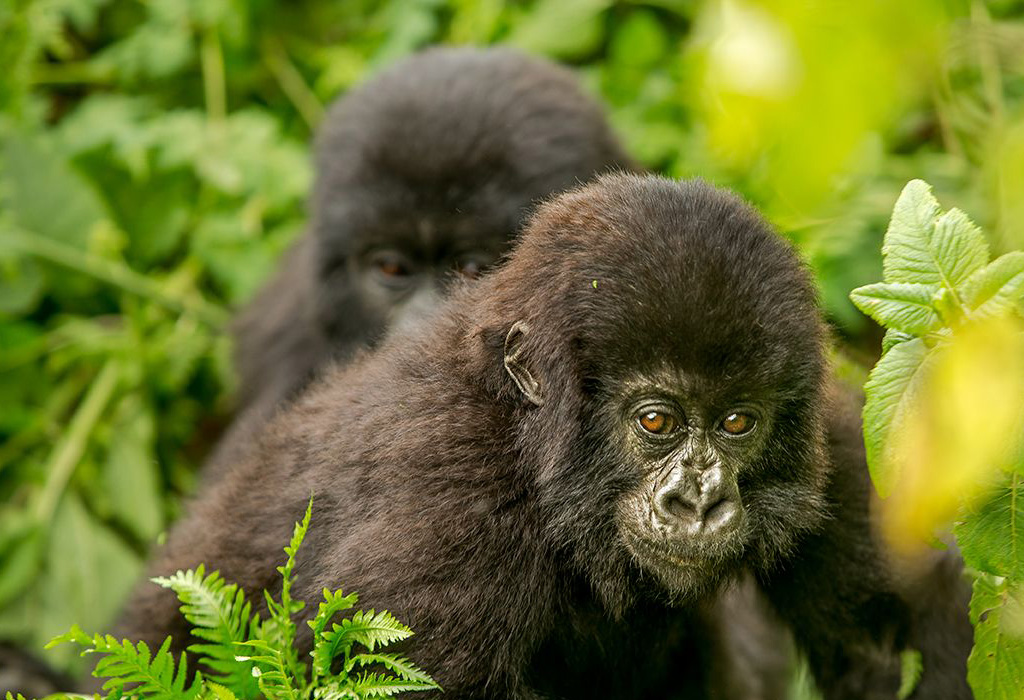
Gorilla trekking in Uganda and Rwanda offers one of Africa’s most remarkable wildlife experiences. It allows visitors to explore tropical rainforests and observe endangered mountain gorillas in their natural habitat. Whether you trek through Bwindi Impenetrable National Park or Mgahinga Gorilla National Park in Uganda, or visit Volcanoes National Park in Rwanda, you can enjoy an unforgettable encounter with these magnificent primates.
However, gorilla trekking in Uganda and Rwanda comes with important restrictions designed to protect visitors, mountain gorillas, and their fragile forest habitats. These rules help minimize human disturbance, prevent the transmission of diseases, and promote responsible tourism.
At Gorilla Vista Safaris, we encourage travelers to understand these requirements before booking their gorilla trekking permits. Knowing what to expect will help you prepare for the hike, respect wildlife conservation guidelines, and enjoy a rewarding experience.
In this guide, we explain the main restrictions to gorilla trekking in Uganda and Rwanda, including age requirements, health regulations, permit conditions, group size limits, photography rules, and environmental guidelines.
1. What Are the Basic Requirements for Gorilla Trekking?
Before embarking on a mountain gorilla trekking adventure, you must meet several requirements. These regulations help park authorities manage visitors and protect the gorillas from unnecessary disturbance.
Age Restrictions for Gorilla Trekking
The minimum age for gorilla trekking in both Uganda and Rwanda is 15 years. Children below this age are generally not permitted to participate because the trek can involve steep slopes, thick vegetation, slippery trails, and long walking distances.
The age restriction also helps protect gorillas from unpredictable behavior that younger visitors might find difficult to manage in the forest.
There is no standard maximum age limit. Therefore, older travelers can participate if they are physically capable of completing the trek. Visitors should assess their fitness levels and discuss any concerns with their tour operator before departure.
If you are planning a family safari, Gorilla Vista Safaris can help you organize suitable activities for younger travelers while eligible family members participate in gorilla trekking.
Health Restrictions for Gorilla Trekking
Health regulations are among the most important restrictions to gorilla trekking in Uganda and Rwanda. Mountain gorillas are vulnerable to several human respiratory infections, including illnesses associated with colds and flu.
Consequently, visitors who feel unwell or show symptoms of a potentially contagious illness should inform their guides and park authorities before approaching the gorillas. Depending on the circumstances and applicable park rules, they may be prevented from participating.
To protect the gorillas and other visitors:
- Avoid trekking when you have symptoms of a contagious illness.
- Follow your guide’s instructions about coughing, sneezing, and personal hygiene.
- Maintain the required distance from the gorillas.
- Inform your tour operator if you become unwell before the trek.
These precautions reduce the risk of transmitting human diseases to mountain gorillas, whose survival depends partly on effective wildlife health management.
Gorilla Trekking Permit Requirements
A valid gorilla trekking permit is compulsory in Uganda and Rwanda. The permit authorizes a visitor to participate in a designated trek and spend a limited period observing an assigned habituated gorilla group under the supervision of park personnel.
Permit prices differ between the two countries and may change as wildlife authorities update their policies. As a result, travelers should confirm the current rates before making a booking.
Permits are limited because park authorities regulate the number of visitors who can approach each gorilla family. Booking in advance is therefore essential, particularly during popular travel periods.
When arranging your safari with Gorilla Vista Safaris, confirm the following details:
- The destination and national park you intend to visit.
- The applicable permit price and visitor category.
- The trekking date and availability.
- The identification details required for the booking.
- The cancellation, rescheduling, and refund conditions.
Planning early helps you secure the necessary permit and organize transport, accommodation, and other safari arrangements.
2. What Are the Gorilla Trekking Group Size Restrictions?
Gorilla trekking authorities limit the number of visitors who can observe each habituated mountain gorilla group. These restrictions reduce human pressure on the animals and help guides manage encounters responsibly.
Why Are Only Eight Visitors Allowed Per Gorilla Group?
Under the commonly applied rules in Uganda and Rwanda, a maximum of eight tourists may visit a habituated gorilla group during a trekking session. Park authorities use this limit to reduce disturbance and allow the gorillas to continue their natural activities.
Smaller groups also make it easier for guides to provide instructions, monitor visitor behavior, and maintain appropriate distances.
During your trek, you will be accompanied by authorized guides and trackers who locate the gorillas and help visitors follow the park’s conservation regulations.
Why Are Gorilla Families Carefully Managed?
Mountain gorilla families live in natural forest habitats and follow their own social structures and daily routines. Park authorities and conservation teams monitor habituated groups to support their protection and manage tourism activities.
As a result, visitors cannot choose to approach any gorilla family they encounter independently. Instead, the park assigns groups according to its operating procedures, permit arrangements, and conservation requirements.
Following your guide’s directions helps minimize disruption while allowing you to observe the gorillas safely and responsibly.
3. What Is the Required Distance Between Visitors and Gorillas?
Maintaining a safe distance is another essential restriction during gorilla trekking in Uganda and Rwanda. Although mountain gorillas may appear calm around visitors, they remain wild animals and deserve space.
Understanding the Seven-Meter Distance Guideline
A distance of at least seven meters, approximately 23 feet, has traditionally been used as a standard guideline for gorilla encounters. However, visitors should follow the current instructions issued by their park authorities and guides, as applicable rules may change.
Maintaining distance reduces the risk of disease transmission and helps prevent gorillas from feeling threatened by human presence.
Visitors should never move closer simply to take a photograph or obtain a better view. If your guide instructs you to step back, do so immediately.
Why Is Touching Gorillas Prohibited?
Visitors must not touch mountain gorillas, even when the animals appear relaxed or approach out of curiosity.
Physical contact can expose gorillas and humans to infections. Furthermore, attempting to touch a gorilla may provoke an unexpected response or interfere with its natural behavior.
For a responsible gorilla trekking experience, remember these rules:
- Never attempt to touch, feed, or provoke a gorilla.
- Avoid sudden movements and unnecessary gestures.
- Keep your voice low and follow your guide’s instructions.
- Never surround a gorilla or block its movement.
- Allow the animals to move freely through their habitat.
What Should You Do if a Gorilla Approaches You?
Mountain gorillas sometimes approach visitors while moving through the forest. If this happens, remain calm and follow your guide’s instructions.
Avoid sudden movements, do not attempt to touch the animal, and give it room to pass whenever possible. Your guide will explain how to respond and help maintain a safe encounter.
Following these precautions protects both visitors and gorillas while allowing the animals to behave naturally.
4. How Long Can You Spend with Mountain Gorillas?
Gorilla trekking regulations limit the time visitors may spend observing a habituated gorilla family. In Uganda and Rwanda, the standard viewing period is one hour.
Why Is Gorilla Viewing Limited to One Hour?
The one-hour limit helps reduce the cumulative impact of tourism on mountain gorillas. Although habituated groups are accustomed to the presence of authorized visitors, they still need opportunities to feed, rest, socialize, and move through the forest without prolonged human observation.
Limiting viewing time also allows park authorities to manage daily visitor numbers and protect the animals’ welfare.
When Does the One-Hour Period Begin?
The viewing period generally begins when the trekking group reaches the assigned gorilla family and starts the authorized observation session, as directed by park staff.
Your guide will explain the timing requirements and tell you when the encounter must end. Visitors should respect this limit even if the gorillas are particularly active or present excellent photography opportunities.
Although one hour may seem short, it provides a valuable opportunity to observe mountain gorillas in their natural environment.
5. What Are the Photography Rules During Gorilla Trekking?
Photography allows travelers to preserve memories of their gorilla trekking experience. Nevertheless, visitors must follow specific rules to prevent unnecessary disturbance.
Flash Photography Is Prohibited
Flash photography is not permitted during gorilla encounters because sudden flashes may disturb the animals. Before entering the forest, check your camera or smartphone settings to ensure that the flash is disabled.
Where possible, use natural light and adjust your camera settings to suit the forest conditions. A camera with good low-light performance can help you capture photographs without using a flash.
Maintain Silence and Avoid Sudden Movements
Visitors should speak quietly and avoid shouting, playing loud music, or making unnecessary noises. Loud sounds can disturb the gorillas and interfere with the peaceful atmosphere of the forest.
For better photographs and a more respectful experience:
- Switch off your camera flash.
- Avoid sudden movements when photographing gorillas.
- Follow instructions about camera use and positioning.
- Do not move closer to an animal for a better shot.
- Put your camera away when your guide requests your attention.
Responsible photography helps protect wildlife while allowing visitors to enjoy meaningful encounters.
6. What Environmental Restrictions Apply to Gorilla Trekking?
Uganda and Rwanda protect mountain gorillas through national parks, conservation programs, and responsible tourism policies. Visitors also have a role to play in preserving these habitats.
Follow the Leave No Trace Principle
The forests supporting mountain gorillas contain sensitive vegetation, wildlife, and natural resources. Leaving rubbish behind can pollute the environment and create risks for animals.
Visitors should carry their waste out of the forest and follow instructions about the disposal of food wrappers, tissues, and other materials.
To minimize your environmental impact:
- Do not litter or leave personal belongings behind.
- Avoid picking flowers or damaging vegetation.
- Do not feed wildlife.
- Follow the park’s waste disposal instructions.
- Respect other wildlife encountered along the trail.
Even small actions contribute to protecting the forests for future generations.
Stay on Approved Trekking Routes
Gorilla trekking takes place in dense forests where vegetation and wildlife habitats require careful protection. Visitors must follow their guides and use routes approved for trekking activities.
Wandering away from the group can damage plants, disturb wildlife, and increase the risk of getting lost or injured.
In addition, avoid handling unfamiliar plants or animals and do not enter restricted areas. Your guide will help you navigate the terrain while ensuring that your visit follows park regulations.
7. How Do Weather and Physical Fitness Affect Gorilla Trekking?
Although gorilla trekking is available throughout much of the year, the experience can be physically demanding. Both Uganda and Rwanda have mountainous forest environments where weather conditions can change quickly.
Weather and Trail Conditions
Rain can make trekking routes muddy, slippery, and difficult to navigate. Even during relatively dry periods, damp vegetation and uneven ground may make the hike challenging.
Before departure, prepare for changing weather by packing:
- Waterproof hiking boots with good grip.
- A lightweight rain jacket.
- Long trousers and long-sleeved clothing.
- Drinking water and suitable snacks, subject to park rules.
- Gardening-style gloves for protection against vegetation, where appropriate.
- A small daypack for personal essentials.
Your guide may adjust the pace or route according to weather conditions, trail safety, and the gorillas’ location.
Physical Fitness and Trekking Difficulty
Gorilla trekking involves walking through forested terrain, climbing hills, and navigating thick vegetation. The duration varies depending on where the gorilla family is located and how far it has moved.
Some treks take a relatively short time, while others require several hours of hiking. Visitors should therefore prepare for a demanding outdoor activity rather than assume that every trek will be easy.
To prepare, consider regular walking and moderate hiking before your trip. Choose suitable footwear, stay hydrated, and tell your tour operator about any mobility concerns that could affect your participation.
There is no single fitness level that guarantees an easy trek because trail conditions and gorilla movements vary daily. However, preparation can make the experience more comfortable and enjoyable.
8. Are There Other Restrictions to Know Before Gorilla Trekking?
In addition to age, health, distance, and group size rules, visitors should understand several other requirements before entering a gorilla habitat.
Follow Instructions from Guides and Park Rangers
Authorized guides and park rangers are responsible for managing trekking activities and protecting wildlife. Visitors must follow their instructions throughout the trek, particularly when approaching or observing the gorillas.
Do not leave your group, approach gorillas independently, or ignore directions intended to protect people and animals.
Observe Food, Waste, and Hygiene Rules
Park authorities may impose specific rules concerning eating, drinking, waste disposal, and personal hygiene near gorillas. Follow the instructions provided during the briefing rather than assuming that the same procedures apply in every situation.
These measures help reduce disease risks and prevent food or rubbish from attracting wildlife.
Respect Park Entry and Permit Conditions
A gorilla trekking permit applies to a specific activity and date under the relevant authority’s conditions. Visitors must follow the assigned schedule, identification requirements, and park entry procedures.
Always confirm your booking details before departure. Arriving late, bringing unauthorized visitors, or failing to meet the permit requirements may affect your ability to participate.
Gorilla Vista Safaris recommends reviewing the applicable rules with your tour operator before traveling to the park.
9. Gorilla Trekking Restrictions in Uganda Compared with Rwanda
Uganda and Rwanda offer exceptional opportunities to observe mountain gorillas. However, visitors should understand the differences between their trekking destinations and verify the rules that apply to their chosen park.
Gorilla Trekking in Uganda
Uganda offers mountain gorilla trekking in two protected areas:
- Bwindi Impenetrable National Park: Famous for its montane rainforest, habituated gorilla families, and several trekking sectors.
- Mgahinga Gorilla National Park: Part of the Virunga conservation landscape and home to mountain gorillas, golden monkeys, and volcanic scenery.
Uganda’s trekking experience varies according to the assigned gorilla family, the starting point, and trail conditions. Visitors must obtain a valid permit and comply with the requirements established by the Uganda Wildlife Authority.
Gorilla Trekking in Rwanda
In Rwanda, mountain gorilla trekking takes place in Volcanoes National Park, part of the Virunga mountain range.
The park is known for its volcanic landscapes, bamboo forests, and habituated mountain gorilla families. Its location in northwestern Rwanda also makes it a popular choice for travelers planning a relatively short safari from Kigali.
Visitors must obtain the appropriate permit and follow the rules issued by the Rwanda Development Board and park authorities.
Which Country Should You Choose?
Your choice depends on your budget, travel schedule, preferred safari style, and other activities you want to include.
Uganda may suit travelers who want to combine gorilla trekking with broader wildlife safaris, chimpanzee tracking, or visits to multiple national parks. Rwanda may appeal to visitors who prefer to combine gorilla trekking with cultural experiences and a shorter itinerary from Kigali.
Whichever destination you choose, the fundamental priorities remain the same: protect the gorillas, respect the forest, and follow the instructions of authorized guides.
10. Why Should You Follow Gorilla Trekking Restrictions?
Gorilla trekking restrictions are essential for the long-term survival of mountain gorillas and the responsible management of wildlife tourism. Although some rules may appear strict, each serves an important purpose.
By respecting these regulations, visitors help:
- Reduce the risk of transmitting human diseases to gorillas.
- Minimize disturbance to natural feeding and social behaviors.
- Protect sensitive forest vegetation and wildlife habitats.
- Improve safety for tourists, guides, and park staff.
- Support responsible tourism and conservation initiatives.
Following the rules also improves the quality of the trekking experience. When visitors remain quiet, maintain appropriate distances, and listen to their guides, they have a better opportunity to observe gorillas behaving naturally.
Responsible tourism allows conservation authorities and local communities to continue benefiting from wildlife protection while preserving these remarkable animals for future generations.
Conclusion: Prepare for Gorilla Trekking in Uganda and Rwanda
Understanding the restrictions to gorilla trekking in Uganda and Rwanda is an important part of planning a successful safari. From the minimum age requirement and health precautions to permit conditions, group size limits, photography rules, and environmental guidelines, every regulation helps protect mountain gorillas and their habitat.
Before your journey, secure your permit, prepare for challenging forest terrain, and familiarize yourself with the rules that apply to your chosen destination. Most importantly, remain flexible and follow the instructions of your guide throughout the experience.
Gorilla Vista Safaris can help you plan a gorilla trekking safari in Uganda or Rwanda, including permit arrangements, accommodation, transport, and other wildlife experiences, subject to availability.
With the right preparation and a responsible attitude, you can enjoy an unforgettable encounter with mountain gorillas while contributing to their continued protection.
Plan your gorilla trekking safari with Gorilla Vista Safaris and discover the remarkable mountain gorillas of Uganda and Rwanda responsibly.