- DIRECT CONTACTS:
- +256 779 116 947
- +256 758 566 300
- info@gorillavistasafaris.com

Cultural Tours in Uganda

Uganda is widely celebrated for its mountain gorillas, chimpanzees, savannah wildlife, lakes and spectacular landscapes. However, beyond its natural attractions lies another treasure that makes the country truly special: its rich cultural heritage. Cultural tours in Uganda give travelers an opportunity to meet local communities, discover ancient traditions, experience traditional music and dance, taste local food and understand the stories that have shaped different parts of the country.
With its many ethnic communities, traditional kingdoms and diverse customs, Uganda offers cultural experiences that vary from one region to another. From the Batwa communities around Bwindi to the Karamojong of northeastern Uganda, every destination presents a different perspective on the country’s identity.
With Gorilla Vista Safaris, travelers can combine cultural experiences with wildlife adventures to create a more meaningful Uganda safari.
Meet the Batwa People in Southwestern Uganda
The Batwa are among the indigenous communities historically associated with the forests of southwestern Uganda. For generations, they depended on the forest for food, medicine and other aspects of daily life. Today, community-based experiences provide visitors with an opportunity to learn about their forest heritage and listen to stories passed down through generations.
A Batwa cultural experience can include guided forest walks, storytelling, traditional songs and dances, demonstrations of traditional skills and explanations of medicinal plants. These encounters offer more than entertainment because they help visitors understand the community’s relationship with the forest and the changes that have affected their way of life.
Travelers can experience Batwa cultural encounters around Bwindi Impenetrable National Park and Mgahinga Gorilla National Park.
Discover the Royal Heritage of Tooro
Western Uganda is home to the Tooro Kingdom, a traditional institution with a long and fascinating history. Fort Portal provides an excellent starting point for travelers interested in exploring the region’s royal heritage, traditional customs and historical sites.
A cultural visit can introduce you to the history of the kingdom, its royal traditions and the role of the Omukama, the traditional king of Tooro. Fort Portal and the surrounding Kabarole area also offer beautiful scenery, crater lakes, tea plantations and opportunities to interact with local communities.
Combining a cultural experience with sightseeing around Fort Portal allows travelers to appreciate both the natural and historical attractions of western Uganda.
Experience Bakiga Culture in Southwestern Uganda
The Bakiga are well known for their strong agricultural traditions, energetic dances, storytelling and close-knit community life. Their traditional way of life has developed around the hilly landscapes of southwestern Uganda, particularly around Kabale and neighboring areas.
During a cultural tour, visitors can learn about traditional farming practices, listen to local stories and experience Kiga music and dance. Interacting with community members also provides an opportunity to understand how traditions have been preserved while adapting to modern life.
The terraced hills around Kabale provide a beautiful setting for exploring the culture and everyday life of southwestern Uganda.
Explore Buganda’s History and Royal Traditions
Buganda has played an important role in Uganda’s history, and its cultural heritage remains visible in Kampala and the surrounding areas. Travelers interested in the history of the Baganda can visit important cultural and historical sites associated with the Buganda Kingdom.
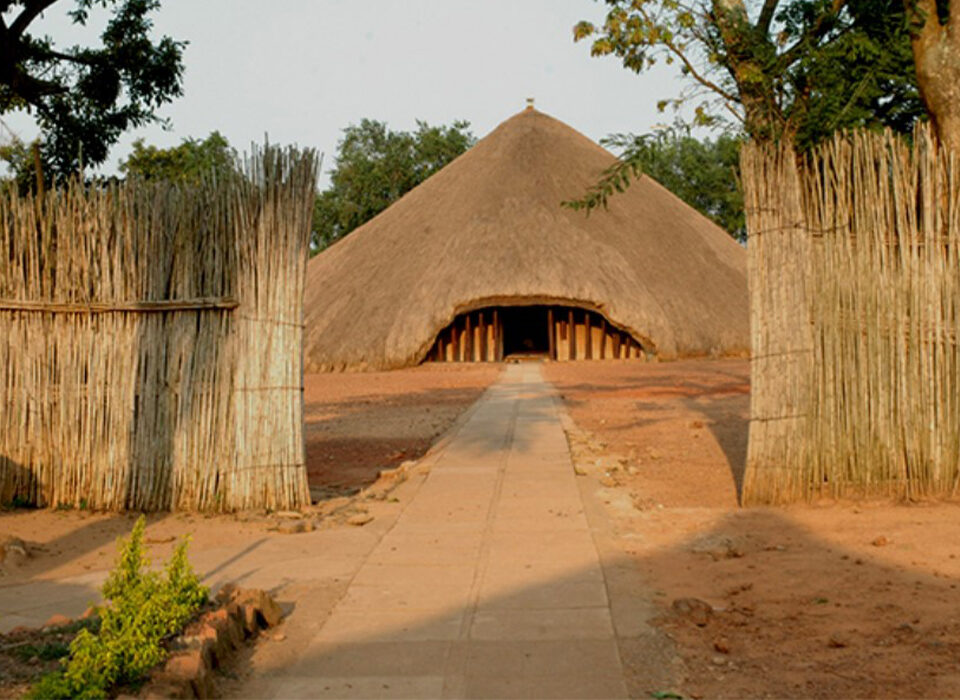
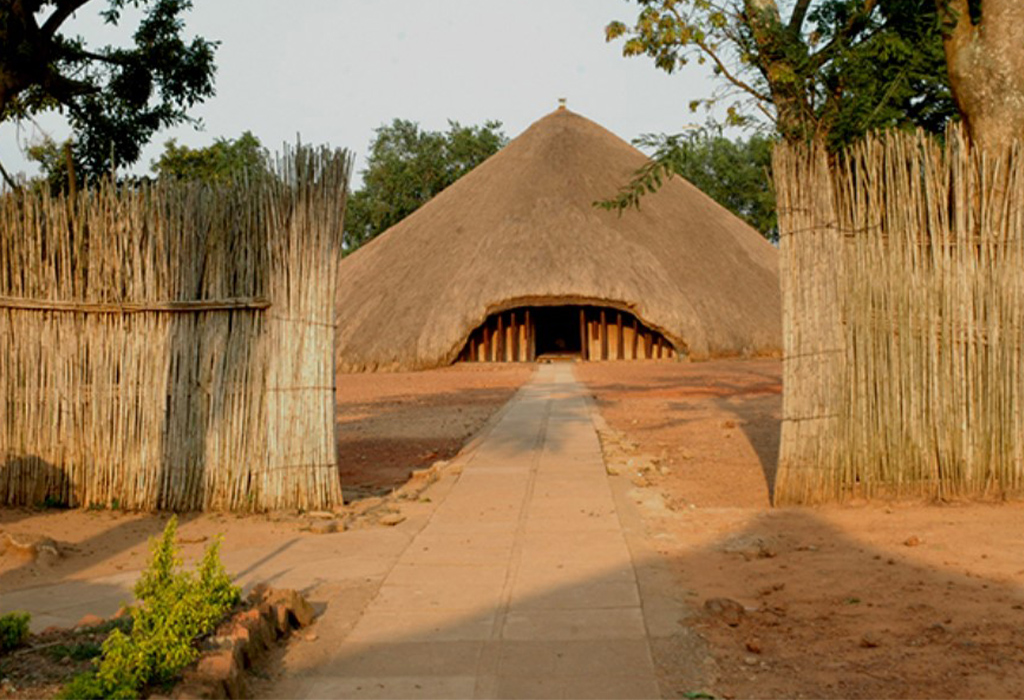
The Kasubi Tombs, a UNESCO World Heritage Site, are among the most significant cultural attractions in the region. The site has traditionally served as a burial place for Buganda kings and remains an important spiritual and cultural location.
Visitors can also explore Mengo and learn about the history of the Buganda Kingdom, traditional leadership and local customs. Traditional music, dance, bark-cloth craftsmanship and other forms of cultural expression add another dimension to the experience.
Discover Basoga Culture Along the Nile
Eastern Uganda offers another fascinating cultural experience through the traditions of the Basoga people. The Basoga have strong connections with agriculture, fishing, music and the Victoria Nile.
Jinja is an excellent place to explore Basoga culture while enjoying the attractions surrounding the Nile. Depending on the experience available, visitors can watch traditional performances, learn about local crafts and hear stories connected to the river and the community.
Combining a cultural visit with activities around Jinja creates an interesting itinerary for travelers who want to experience both adventure and local heritage.
Experience the Imbalu Traditions of the Bagisu
The Bagisu, also known as the Bamasaaba, live mainly around the slopes of Mount Elgon in eastern Uganda. Their cultural heritage is particularly known for Imbalu, a traditional male circumcision ceremony that marks an important stage in the lives of young men.
Imbalu celebrations can involve music, dancing, singing and large community gatherings. The ceremonies are deeply significant to the people who practice them, so visitors should approach them respectfully and follow local guidance when attending.
Mbale and surrounding communities provide opportunities to learn more about Bagisu traditions, agriculture, food, music and craftsmanship.
Discover Ankole’s Cattle-Keeping Heritage
The Ankole region in western Uganda is famous for its long-horned cattle. These cattle are more than livestock; they have traditionally held social, economic and cultural importance within Ankole communities.
A cultural tour in the Ankole region can introduce travelers to traditional cattle-keeping practices and the role cattle play in local life. Visitors may also experience traditional music, dance and local cuisine.
Mbarara, Kiruhura and surrounding areas provide opportunities to explore Ankole culture while enjoying the beautiful landscapes of western Uganda.
Meet the Karamojong in Northeastern Uganda
For travelers looking for a distinctly different cultural experience, Karamoja offers an opportunity to learn about the traditions of the Karamojong people. The region is known for its semi-arid landscapes and pastoralist communities whose lives have traditionally revolved around cattle.
A community visit may include learning about traditional homes, livestock keeping, clothing, songs, dances and storytelling. Local guides can help visitors understand the history and customs of the communities they visit.
Moroto, Kotido and other parts of Karamoja provide gateways to exploring this remarkable cultural landscape.
Enjoy Uganda’s Traditional Music and Dance
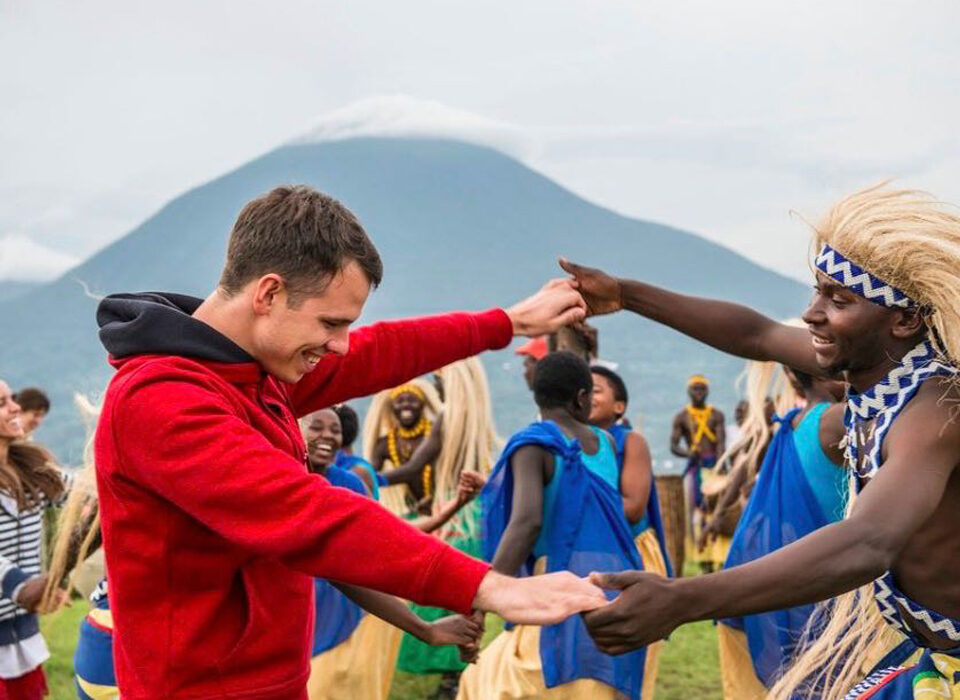
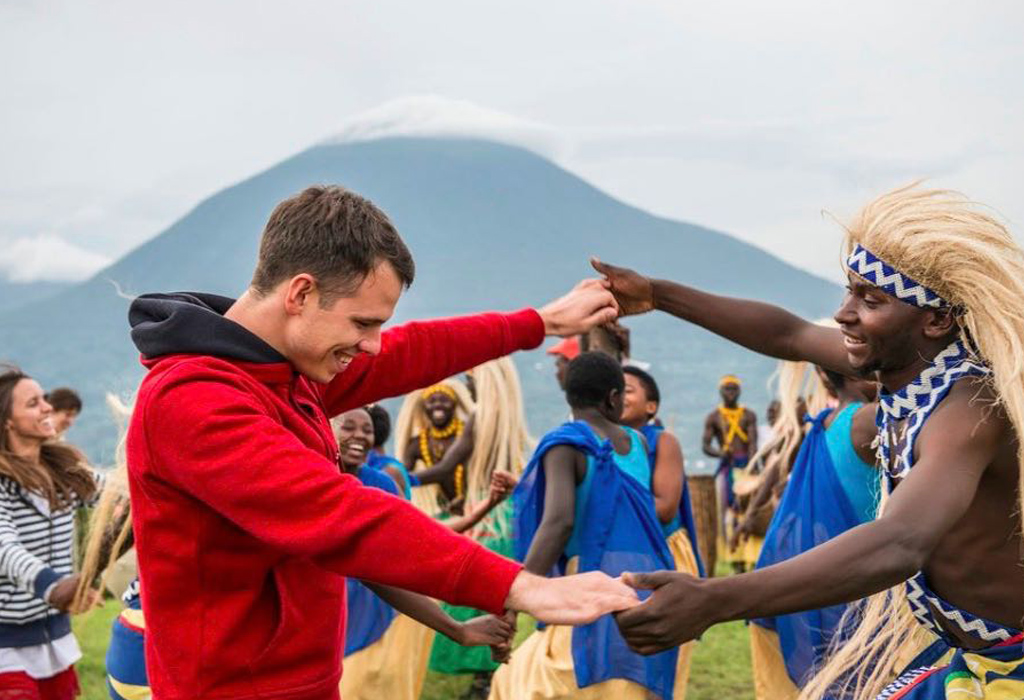
Music and dance form an important part of cultural life throughout Uganda. Different communities have their own rhythms, instruments, songs and dances, which are often performed during ceremonies, celebrations and community gatherings.
Travelers can experience traditional performances featuring drums, flutes, xylophones and other instruments. In Kampala and other major towns, cultural centers also provide opportunities to watch performances representing different regions of Uganda.
Rather than simply watching from a distance, visitors can sometimes participate in dances and interact with performers, making the experience more memorable.
Taste Uganda Through Its Food Culture
Food provides another enjoyable way to understand Ugandan culture. Because the country has many ethnic communities, traditional dishes vary across regions.
A cultural food experience may introduce visitors to dishes such as matoke, posho, groundnut sauce, beans, sweet potatoes, cassava and Rolex. In some areas, travelers can visit local markets or join cooking experiences where they learn how traditional meals are prepared.
Food experiences are particularly rewarding because they bring travelers closer to everyday Ugandan life and provide opportunities to interact with local people in a relaxed environment.
Plan a Cultural Tour in Uganda with Gorilla Vista Safaris
Cultural tourism allows travelers to see Uganda from a perspective that goes beyond wildlife and scenery. Instead of simply passing through a destination, you have the opportunity to meet communities, hear their stories, taste their food and gain a better understanding of their traditions.
Whether you want to explore the heritage of the Batwa, discover the royal traditions of Buganda and Tooro, experience the culture of the Bakiga and Bagisu, meet the Karamojong or enjoy Uganda’s traditional music and cuisine, there is a cultural experience to suit different interests.
Gorilla Vista Safaris can help you incorporate cultural experiences into a wider Uganda itinerary, including gorilla trekking, chimpanzee tracking, wildlife safaris and nature-based adventures. By combining these experiences, travelers can discover not only Uganda’s remarkable landscapes and wildlife but also the people and traditions that give the country its unique character.
For anyone seeking a more meaningful journey, cultural tours in Uganda offer an opportunity to connect with the country at a deeper level. The memories you take home will not only be of beautiful scenery and wildlife but also of the people, stories, music, food and traditions you encountered along the way.