- DIRECT CONTACTS:
- +256 779 116 947
- +256 758 566 300
- info@gorillavistasafaris.com

Cultural Tours in Rwanda: Discover the Country’s Rich Heritage and Traditions
Cultural tours in Rwanda offer travelers a wonderful opportunity to discover the country’s history, traditions, beliefs, art, and everyday way of life. Known as the Land of a Thousand Hills, Rwanda combines beautiful landscapes with a rich cultural heritage that continues to shape its communities. From traditional royal residences and fascinating museums to lively cultural villages and contemporary art galleries, the country provides many opportunities to learn beyond its natural attractions.
With Gorilla Vista Safaris, visitors can explore Rwanda through meaningful cultural experiences that connect them with local communities and their traditions. These journeys go beyond sightseeing. They allow travelers to listen to historical stories, appreciate traditional music and dance, sample local dishes, and understand how Rwandans preserve their heritage while embracing modern life.
Whether you are planning a cultural holiday, a family trip, or a wildlife safari combined with cultural activities, cultural tours in Rwanda can add depth and meaning to your journey. Each destination offers a different perspective on the country’s identity, history, creativity, and resilience.
Why Choose Cultural Tours in Rwanda?
Rwanda’s cultural heritage reflects generations of knowledge, craftsmanship, storytelling, music, and community traditions. Through cultural tourism, visitors can learn how these traditions influence daily life, family relationships, agriculture, architecture, and celebrations.
Furthermore, cultural tours provide opportunities to interact respectfully with local residents, support community initiatives, and purchase locally made handicrafts. Rather than simply photographing landmarks, travelers can engage with the people who keep cultural practices alive.
Gorilla Vista Safaris can help travelers combine cultural experiences with visits to Rwanda’s national parks, scenic landscapes, and historic destinations. This approach creates a more varied itinerary while allowing visitors to appreciate the country from different perspectives.
Top Cultural Attractions and Experiences in Rwanda
1. Visit the King’s Palace Museum in Nyanza
The King’s Palace Museum in Nyanza is an important destination for anyone interested in Rwanda’s royal history. The museum introduces visitors to the country’s former monarchy, traditional leadership, and royal customs.
One of its main attractions is the reconstructed traditional royal residence, a striking beehive-shaped structure built using traditional materials and techniques. Its design demonstrates the craftsmanship and architectural knowledge that Rwandans developed over generations.
Visitors can also learn about the Inyambo cattle, a long-horned breed historically associated with the royal court. These cattle held an important place in royal ceremonies and cultural traditions. Their handlers traditionally cared for them carefully and used songs to guide and entertain them.
Although Rwanda became a republic in 1962, the country’s royal heritage remains an important part of its cultural identity. A visit to the King’s Palace Museum helps travelers understand this history while appreciating the customs, symbolism, and traditions associated with the former monarchy.
2. Explore the Ethnographic Museum in Huye
The Ethnographic Museum in Huye is another essential stop on cultural tours in Rwanda. Established in the late 1980s, the museum houses a valuable collection of objects that illustrate Rwanda’s cultural history, traditional knowledge, and ways of life.
Its exhibitions explore subjects such as geography, agriculture, hunting, animal husbandry, pottery, weaving, woodworking, and traditional household activities. Through these displays, visitors can see how earlier generations used locally available materials to produce everyday tools, clothing, baskets, and other essential items.
In addition, the museum helps travelers understand the relationship between Rwanda’s environment and its cultural practices. The collections provide insight into how communities adapted to their surroundings and passed practical skills from one generation to the next.
For travelers interested in history, anthropology, and traditional craftsmanship, the Ethnographic Museum offers an informative experience. It also provides valuable context for understanding cultural practices encountered in villages and rural communities throughout the country.
3. Experience Traditional Life at Iby’Iwacu Cultural Village
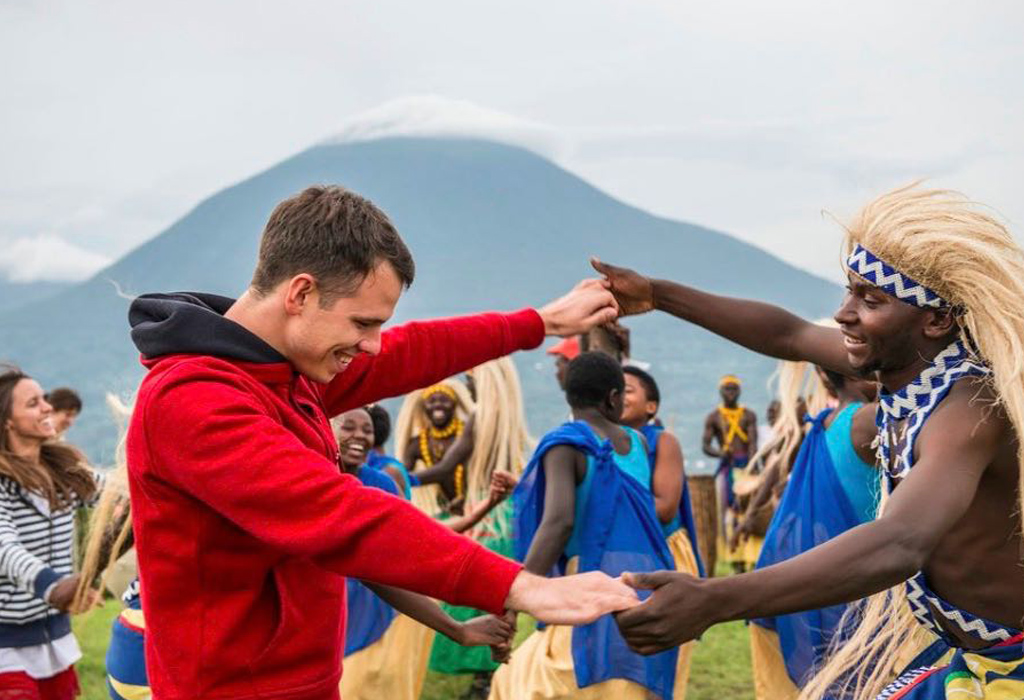
A visit to Iby’Iwacu Cultural Village, also known as the Gorilla Guardians Village, provides an opportunity to explore Rwandan traditions near Volcanoes National Park. The community-based cultural experience introduces visitors to traditional music, dance, storytelling, food, and selected aspects of rural life.
Guests often receive a lively welcome featuring drumming and dancing. During the visit, local participants may demonstrate traditional activities, explain cultural customs, and share stories about the community’s history.
Visitors can also learn about traditional housing, food preparation, and the use of local plants in everyday life. Depending on the activities available, guests may watch demonstrations of traditional grinding techniques, explore nearby gardens, or discover how families grow bananas and vegetables.
Home visits and community walks can make the experience especially meaningful when offered with the residents’ consent. Travelers gain a better understanding of local life by listening to community members explain their experiences in their own words.
Iby’Iwacu Cultural Village is particularly suitable for visitors combining cultural tours with gorilla trekking in Volcanoes National Park. By including both experiences in one itinerary, travelers can appreciate Rwanda’s mountain wildlife alongside the human stories and traditions of communities in the surrounding region.
4. Discover Traditional Rwandan Construction Methods
Traditional construction experiences offer another way to understand Rwanda’s cultural heritage. With the guidance of local residents, visitors can learn about building techniques that use materials such as clay, grass, timber, and banana plant fibers.
Depending on the activity arranged, a cultural visit may include demonstrations of brickmaking, rope preparation, or the construction methods used for traditional homes and animal shelters. These practices reveal the practical knowledge communities developed to make use of locally available resources.
Some experiences also include preparing or sharing a traditional meal, giving visitors an opportunity to discover local ingredients and cooking methods. Travelers may finish the visit by browsing handmade crafts produced by community artisans.
These activities work particularly well for visitors who prefer interactive cultural experiences rather than museum visits alone. They also provide an opportunity to appreciate the skills involved in traditional construction and the importance of passing these techniques to younger generations.
Gorilla Vista Safaris can help arrange suitable community experiences according to the itinerary, available activities, and interests of the travelers.
5. Visit the Kigali Genocide Memorial
The Kigali Genocide Memorial is an important historical site that helps visitors understand the 1994 Genocide against the Tutsi and its lasting impact on Rwanda. The memorial honors victims, preserves their memory, and supports education about the consequences of genocide.
Through exhibitions, photographs, historical information, and personal accounts, visitors learn about the events leading up to the genocide, the suffering it caused, and the country’s continuing efforts to remember the victims and build a peaceful future.
The memorial also includes educational material about genocide in other parts of the world. These resources encourage reflection on human rights, intolerance, discrimination, and the importance of preventing mass violence.
A visit requires sensitivity and respect because the site commemorates real people and families affected by immense loss. Travelers should allow enough time to explore the exhibitions thoughtfully and follow the memorial’s visitor guidelines.
Although this experience is different from traditional village tours, it is an important part of understanding Rwanda’s recent history, national remembrance, and continuing journey toward reconciliation.
6. Explore the Inema Arts Center in Kigali
The Inema Arts Center introduces visitors to Rwanda’s contemporary creative scene. Founded in Kigali by brothers and artists Innocent Nkurunziza and Emmanuel Nkuranga, the center provides a platform for artistic expression and supports creative development.
Visitors can explore paintings, mixed-media works, sculptures, and other contemporary pieces created by Rwandan artists. Many artworks reflect themes connected to identity, community, nature, everyday life, and the country’s changing cultural landscape.
The center also supports artistic learning and collaboration through creative programs and exhibitions. Depending on the schedule, visitors may encounter workshops, performances, or other cultural events.
For travelers interested in visual arts and modern Rwandan culture, Inema Arts Center provides a refreshing complement to traditional museums and historical attractions. It shows how artists interpret their surroundings and communicate cultural experiences through contemporary forms of expression.
Visitors may also find locally produced artworks and creative items, offering an opportunity to support artists directly when purchases are available.
Other Cultural Experiences to Include in Rwanda
Beyond the main attractions, travelers can enrich their cultural tours in Rwanda by exploring local markets, tasting traditional food, attending cultural performances, and visiting craft workshops.
Local markets offer insight into everyday commerce and provide opportunities to discover fresh produce, woven baskets, pottery, and handmade souvenirs. Traditional food experiences introduce visitors to dishes prepared with ingredients such as beans, cassava, sweet potatoes, plantains, and locally grown vegetables.
Music and dance performances also play an important role in Rwandan cultural life. Where performances are available, visitors can learn about the significance of drumming, coordinated dance movements, traditional clothing, and storytelling.
When participating in community activities, travelers should ask permission before photographing people, respect local customs, and follow their hosts’ guidance. Choosing locally operated experiences can also help ensure that tourism benefits the communities welcoming visitors.
Best Time to Enjoy Cultural Tours in Rwanda
Cultural tours in Rwanda can be enjoyed throughout the year because museums, art centers, and many historical attractions offer experiences that do not depend heavily on the weather.
However, the drier periods, generally from June to September and December to February, can be convenient for combining cultural visits with outdoor activities and wildlife safaris. During wetter months, some rural roads and outdoor activities may require additional planning.
The best time ultimately depends on your interests, travel schedule, and the destinations you want to include. Gorilla Vista Safaris can help organize a practical itinerary that combines cultural attractions with suitable transport, accommodation, and other activities.
Plan Your Cultural Tours in Rwanda with Gorilla Vista Safaris
Cultural tours in Rwanda provide a rewarding way to discover the country’s royal heritage, traditional craftsmanship, community life, contemporary art, and history. From exploring the King’s Palace Museum in Nyanza to visiting Iby’Iwacu Cultural Village, the Ethnographic Museum, and Kigali’s art and memorial sites, every stop offers a different perspective on Rwanda’s identity.
With thoughtful planning, travelers can combine these cultural experiences with gorilla trekking, wildlife viewing, scenic drives, and visits to local communities. The result is a more complete journey that balances adventure with learning and meaningful human connections.
Gorilla Vista Safaris can help you plan a personalized Rwanda cultural tour based on your interests, available time, and preferred destinations. By approaching each visit with curiosity and respect, you can appreciate Rwanda’s heritage while supporting responsible and community-conscious tourism.