- DIRECT CONTACTS:
- +256 779 116 947
- +256 758 566 300
- info@gorillavistasafaris.com

The Benefits of Gorilla Trekking for Conservation
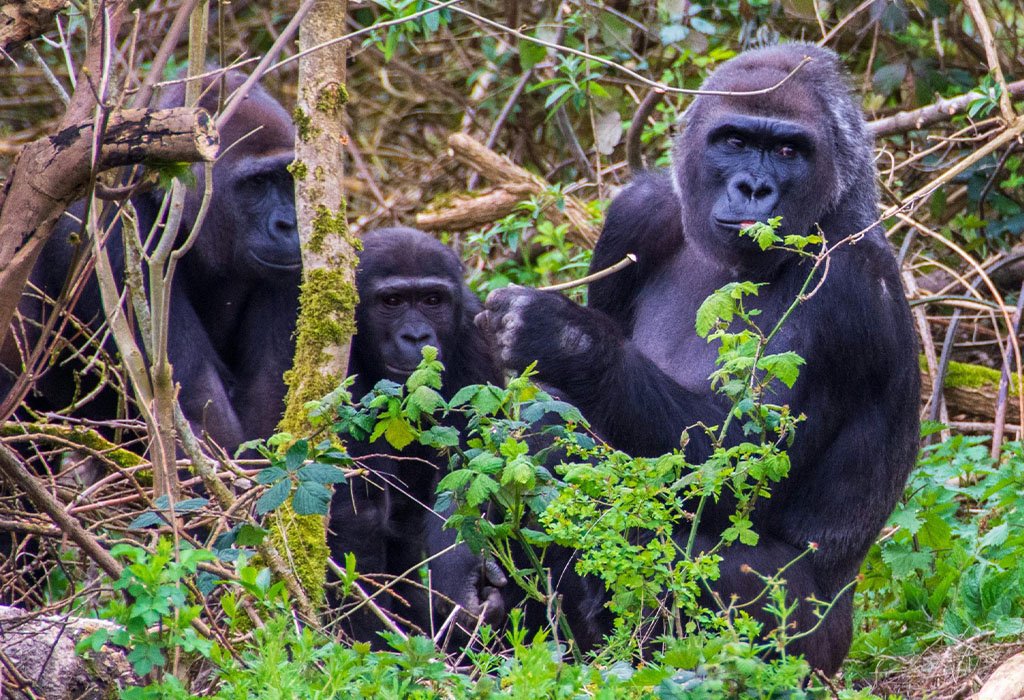
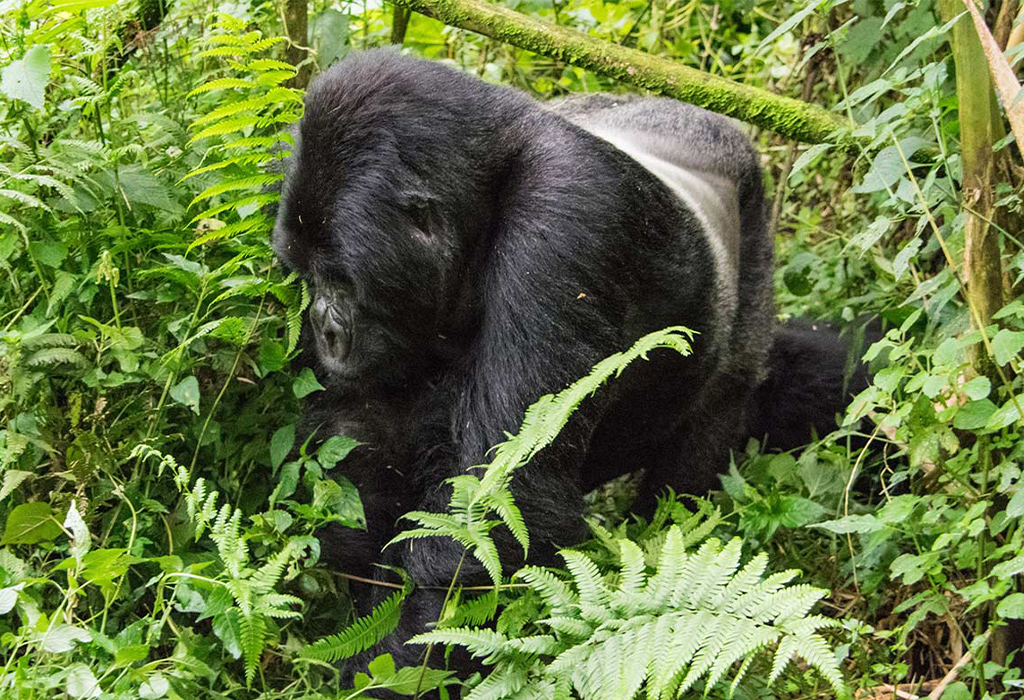
Gorilla trekking is more than an exciting wildlife adventure. For many travelers, walking through the misty forests of Uganda, Rwanda, or the Democratic Republic of the Congo in search of mountain gorillas is a dream experience. However, the benefits of gorilla trekking for conservation go far beyond the memorable encounter itself. Carefully managed tourism generates funding, creates employment, supports communities, and encourages long-term protection of gorilla habitats.
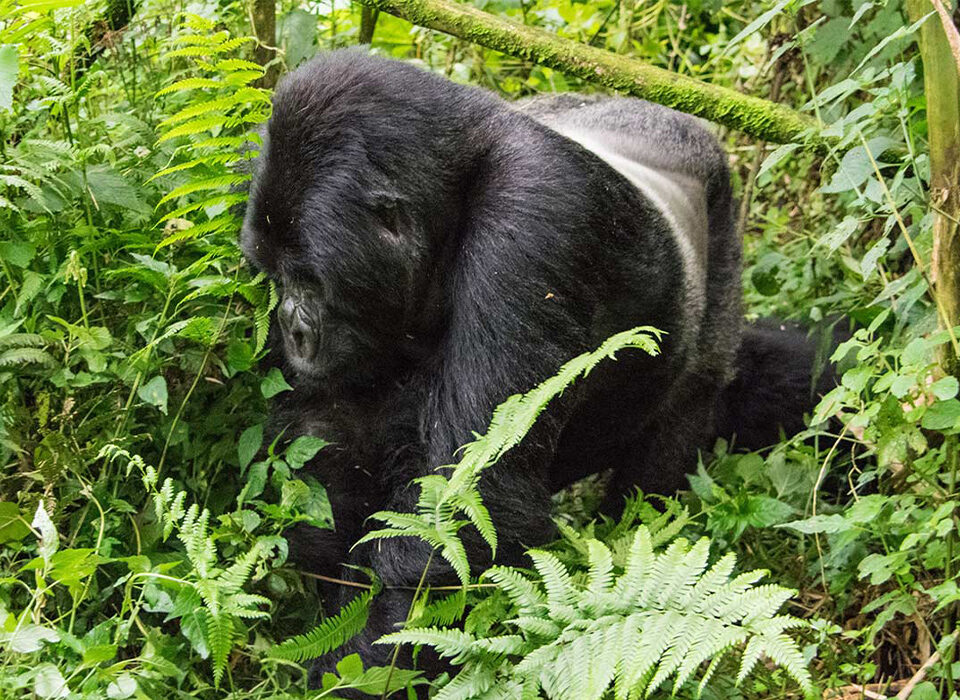
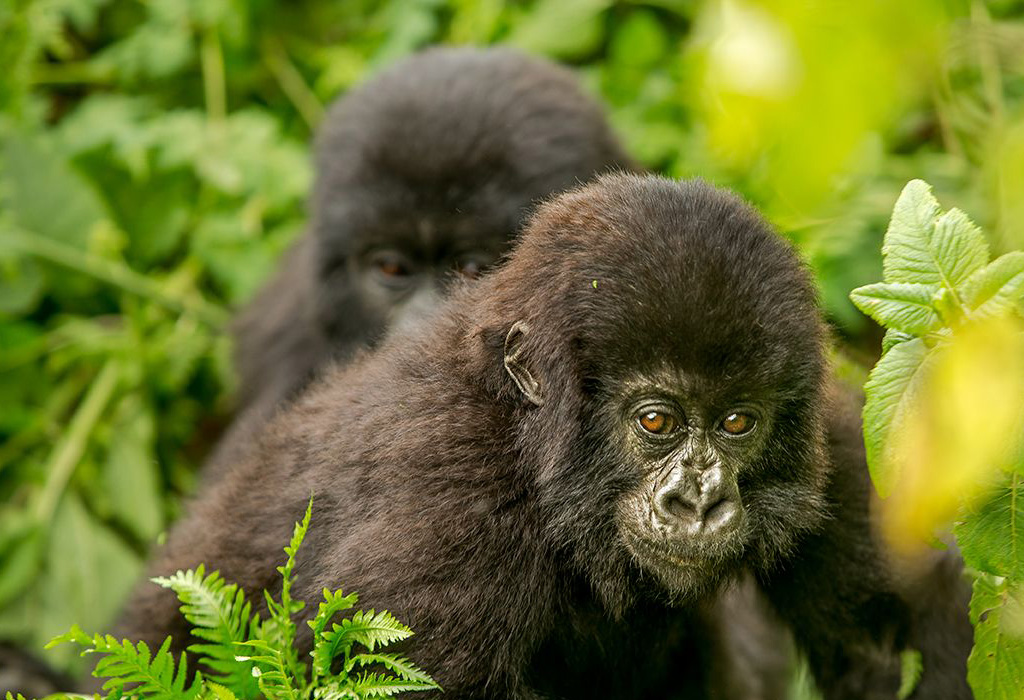
Mountain gorillas survive in only a few protected forests in East-Central Africa. In Uganda, they are found in Bwindi Impenetrable National Park and Mgahinga Gorilla National Park, while Rwanda protects them in Volcanoes National Park. The Democratic Republic of the Congo is home to mountain gorillas in Virunga National Park. Their recovery from earlier population declines demonstrates what sustained conservation, research, community participation, and responsible tourism can achieve.
How Gorilla Trekking Supports Conservation
One of the strongest connections between tourism and wildlife protection is the revenue generated by gorilla trekking permits. Visitors pay for permission to enter protected forests and spend time observing habituated gorilla families. Wildlife authorities can then use tourism revenue to support conservation programs and park management.
In Uganda, for example, gorilla trekking revenue contributes to the management of protected areas and conservation activities. The money also helps maintain the systems needed to protect wildlife and manage visitors responsibly.
For travelers, this means that the cost of a gorilla trekking permit has a purpose beyond paying for an adventure. It forms part of a broader tourism system designed to keep gorilla habitats protected for future generations.
Key conservation benefits include:
- Funding wildlife protection and park management.
- Supporting ranger patrols and monitoring activities.
- Helping protect gorilla habitats from encroachment.
- Supporting scientific research and veterinary monitoring.
- Creating employment for people living around protected forests.
- Increasing international awareness of mountain gorilla conservation.
Gorilla Tourism Helps Protect Mountain Gorilla Habitats
Mountain gorillas depend on healthy forests for food, shelter, and security. Protecting these forests is therefore essential to their survival.
Gorilla trekking gives protected forests an important economic value. When communities and governments see that well-managed forests attract visitors and generate tourism revenue, there is a stronger incentive to maintain them as protected ecosystems rather than converting them to other forms of land use.
This is particularly important around areas where communities depend heavily on natural resources. Responsible tourism can provide an alternative source of income while encouraging people to participate in protecting the environment.
In addition, forest conservation benefits much more than gorillas. Birds, primates, elephants, reptiles, insects, plants, and countless other organisms also depend on these ecosystems.
Supporting Anti-Poaching and Ranger Patrols
Another important benefit of gorilla trekking for conservation is support for wildlife protection. Rangers and other conservation personnel regularly monitor protected forests and respond to threats affecting wildlife.
Their work may include:
- Patrols through gorilla habitats.
- Removing illegal snares and traps.
- Monitoring wildlife movements.
- Detecting signs of illegal activity.
- Protecting park boundaries.
- Supporting visitor safety and conservation regulations.
Gorillas are not normally targeted by poachers in the same way as some other African wildlife, but snares intended for other animals can still injure them. Regular monitoring therefore remains essential.
When rangers spend more time in the forest, they can identify threats and respond before they become more serious. Consequently, tourism contributes to a wider system of protection.
Gorilla Trekking Supports Scientific Research
Effective conservation depends on reliable information. Researchers and conservation teams monitor gorilla groups to understand their health, behavior, reproduction, movements, and social relationships.
Long-term monitoring can reveal changes within individual gorilla families and the wider population. It can also help conservationists identify potential health problems and respond to emerging threats.
For example, researchers carefully observe gorilla behavior and physical condition during regular monitoring. This information contributes to decisions about habitat management, tourism practices, veterinary care, and disease prevention.
Therefore, gorilla trekking and conservation are closely connected through research and monitoring. Every responsible visitor becomes part of a carefully controlled tourism system that supports continued observation of these remarkable primates.
Creating Opportunities for Local Communities
Conservation becomes stronger when people living around protected areas benefit from tourism. Gorilla trekking creates employment for guides, trackers, porters, drivers, lodge employees, conservation workers, and other service providers.
Many visitors also spend money on accommodation, meals, transportation, crafts, cultural experiences, and other local services. As a result, tourism income can circulate through communities rather than benefiting only the park itself.
Gorilla tourism can also support community projects, depending on the destination and revenue-sharing arrangements. These may contribute to areas such as education, healthcare, water access, and local infrastructure.
This relationship matters because communities that see tangible benefits from tourism have additional economic reasons to support the protection of wildlife and forests.
Gorilla Trekking Raises Global Conservation Awareness
Another often overlooked benefit is awareness. A traveler who spends an hour watching a gorilla family in its natural environment may return home with a much stronger understanding of the importance of protecting these animals.
Photographs, personal stories, travel articles, and conversations can then introduce other people to mountain gorillas and the conservation challenges they face.
The work of conservation pioneers such as Dian Fossey also helped bring international attention to mountain gorillas. Today, tourism continues that conversation by allowing people from different parts of the world to experience the animals responsibly.
In this way, a single trekking experience can have an influence that extends beyond the forest.
Strict Tourism Rules Help Protect Gorillas
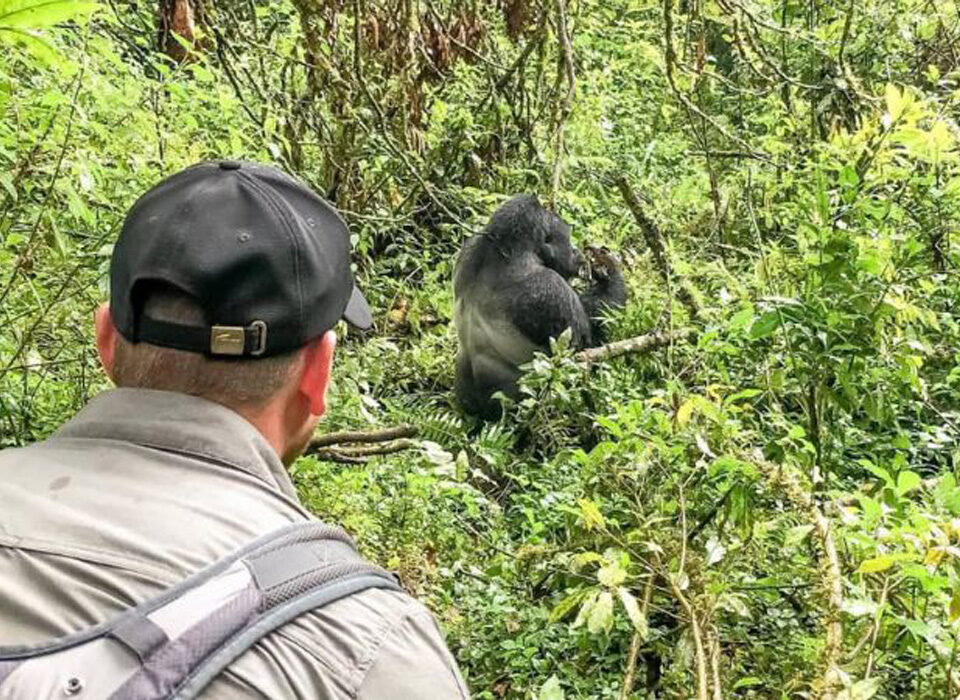
Gorilla trekking must be carefully controlled because humans can disturb wildlife and potentially transmit diseases to gorillas. For this reason, authorities establish rules governing how visitors interact with gorilla families.
Trekkers are expected to follow instructions from guides and maintain the required distance from the animals. Visits are also limited in duration and group size.
Important practices include:
- Following the guide’s instructions throughout the trek.
- Keeping the recommended distance from gorillas.
- Avoiding loud noises and sudden movements.
- Never feeding or touching gorillas.
- Following health precautions before entering the forest.
- Avoiding trekking when experiencing illness or infectious symptoms.
These measures reduce unnecessary stress and help limit the possibility of disease transmission.
Responsible Gorilla Trekking Makes a Difference
Choosing responsible tourism practices can strengthen the conservation benefits of a gorilla trekking experience. Travelers can support accommodation providers, guides, community initiatives, and tour operators that respect conservation regulations and local communities.
At Gorilla Vista Safaris, responsible travel is an important part of creating meaningful gorilla trekking experiences. The goal is not simply to take visitors into the forest but to encourage respectful interaction with wildlife while recognizing the importance of the communities and ecosystems surrounding protected areas.
Travelers can also contribute by respecting park regulations, avoiding single-use plastic where possible, supporting local businesses, and treating the forest as a protected ecosystem rather than simply a tourist attraction.
The Long-Term Value of Gorilla Trekking
The benefits of gorilla trekking for conservation become clearer when tourism is viewed as part of a larger system. Permit revenue supports conservation, employment strengthens local economies, research improves understanding, and visitor experiences increase international awareness.
However, gorilla tourism must remain carefully managed. Too many visitors, poor environmental practices, disease risks, or weak community involvement could undermine the very conservation objectives tourism is intended to support.
For that reason, responsible management is essential. Conservation authorities, communities, researchers, tourism operators, and travelers all have roles to play.
Conclusion
Gorilla trekking is an extraordinary wildlife experience, but its importance extends far beyond the moment a traveler comes face-to-face with a mountain gorilla. Properly managed tourism can provide financial support for conservation, protect forest habitats, create local employment, encourage scientific research, and increase global awareness.
The benefits of gorilla trekking for conservation ultimately depend on responsible tourism. When travelers follow established guidelines and choose operators that respect wildlife and local communities, their journeys can contribute to the continued protection of mountain gorillas.
For anyone planning gorilla trekking in Uganda, the experience is therefore not simply about seeing one of Africa’s most fascinating primates. It is also an opportunity to become part of a broader conservation story—one where tourism, communities, and wildlife protection work together to safeguard mountain gorillas for generations to come.



1 Comment
[…] Amahoro Group is another well-known gorilla family in Volcanoes National Park. The word Amahoro means “peace” in Kinyarwanda, which gives the group an appealing identity for […]