- DIRECT CONTACTS:
- +256 779 116 947
- +256 758 566 300
- info@gorillavistasafaris.com

Things to Pack on a Uganda and Rwanda Tour
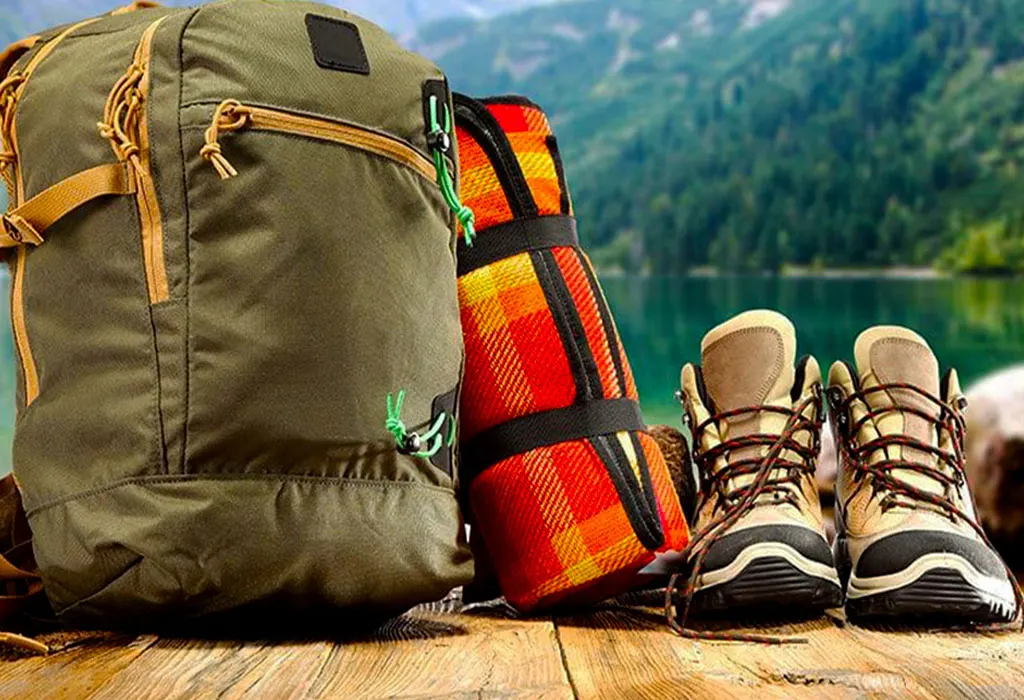
Planning a safari in Uganda and Rwanda requires more than choosing the right destinations and activities. What you pack can greatly affect your comfort, especially when your itinerary includes gorilla trekking, chimpanzee tracking, game drives, nature walks, or cultural experiences. Therefore, knowing the things to pack on a Uganda and Rwanda tour helps you prepare for different weather conditions and activities.
Uganda and Rwanda offer remarkable wildlife and scenic experiences. You can trek mountain gorillas in Bwindi Impenetrable National Park, Mgahinga Gorilla National Park, or Volcanoes National Park. You can also track chimpanzees in Kibale Forest, Nyungwe Forest, Kyambura Gorge, or Budongo Forest. Meanwhile, destinations such as Queen Elizabeth, Murchison Falls, Kidepo Valley, Akagera, and Lake Mburo provide excellent opportunities for wildlife viewing.
With guidance from Gorilla Vista Safaris, you can plan your packing list around the activities included in your itinerary. Here are the most important things to carry.
Essential Travel Documents
Your travel documents should be at the top of your packing list. Before leaving home, make sure you have your valid passport, visa where applicable, travel insurance, medical information, flight tickets, accommodation details, and emergency contacts.
It is also wise to keep digital copies of important documents on your phone or in secure online storage. Carrying photocopies can provide additional security if you lose the originals during your journey.
If you are travelling with Gorilla Vista Safaris, keep your safari itinerary and important booking information easily accessible throughout your trip.
Light and Comfortable Clothing
Uganda and Rwanda have generally warm climates, although temperatures can change depending on altitude, location, and time of day. As a result, lightweight and breathable clothing works well for most safari activities.
Choose comfortable shirts, T-shirts, long trousers, lightweight jackets, and shorts. Neutral colours such as khaki, brown, beige, and green are particularly practical for wildlife activities because they blend naturally with the surroundings.
For gorilla and chimpanzee trekking, however, long trousers and long-sleeved shirts offer additional protection against vegetation, insects, and scratches. You should also pack a warm layer if your itinerary includes high-altitude destinations such as Bwindi, Mgahinga, or Volcanoes National Park.
Waterproof Rain Jacket
A lightweight waterproof jacket is one of the most useful things to pack on a Uganda and Rwanda tour.
Rain can occur unexpectedly, particularly in forested and mountainous areas. Even during traditionally drier months, weather conditions can change quickly. Therefore, carrying a waterproof jacket allows you to continue with your activities without getting soaked.
A compact rain jacket is especially useful during gorilla trekking, chimpanzee tracking, hiking, and nature walks. You can easily fold it into your daypack when the weather is dry.
Comfortable Hiking Boots
Good footwear can make a significant difference during your safari. If your itinerary includes gorilla trekking, chimpanzee tracking, golden monkey trekking, hiking, or forest walks, bring sturdy and comfortable hiking boots.
Choose boots with good grip because forest trails can become muddy and slippery after rainfall. Waterproof or water-resistant footwear is also helpful when walking through wet vegetation.
Additionally, pack lightweight sandals or flip-flops for relaxing at your lodge after a long day of activities.
Binoculars
A pair of binoculars can make your wildlife experience even more rewarding. Although large animals may be easy to see, many birds, monkeys, antelopes, and other creatures remain at a distance.
During game drives in destinations such as Murchison Falls, Queen Elizabeth, Akagera, Kidepo Valley, and Lake Mburo, binoculars allow you to observe wildlife without disturbing it.
Birdwatchers should consider binoculars essential. Uganda and Rwanda support a remarkable variety of bird species, making binoculars particularly valuable for travellers interested in birding.
Camera, Extra Batteries, and Memory Cards
Your safari will probably produce plenty of memorable moments, so a camera or smartphone should have a place in your luggage.
Bring extra memory cards, batteries, charging equipment, and a power bank where possible. If you use a professional camera, pack the lenses that suit both wildlife photography and landscapes.
During primate encounters, always follow the instructions provided by your guides and park authorities. Avoid using flash photography around gorillas and other sensitive wildlife because it can disturb the animals.
Sun Protection
Although much of your safari may involve forests or shaded areas, you will still spend time outdoors. Therefore, pack sunscreen, sunglasses, and a wide-brimmed hat.
Sunscreen protects exposed skin during game drives, boat trips, nature walks, and transfers between destinations. Sunglasses also make it easier to enjoy bright conditions, while a hat provides additional protection from direct sunlight.
A moisturizing lip balm can also help prevent dry or cracked lips.
Thick Socks
Good socks are another important item to pack, particularly for trekking. Thick, comfortable socks can reduce friction and help prevent blisters during long walks.
They can also provide additional protection against moisture, insects, and vegetation. Pack several pairs so that you always have a dry pair available during your trek.
Gardening Gloves for Gorilla Trekking
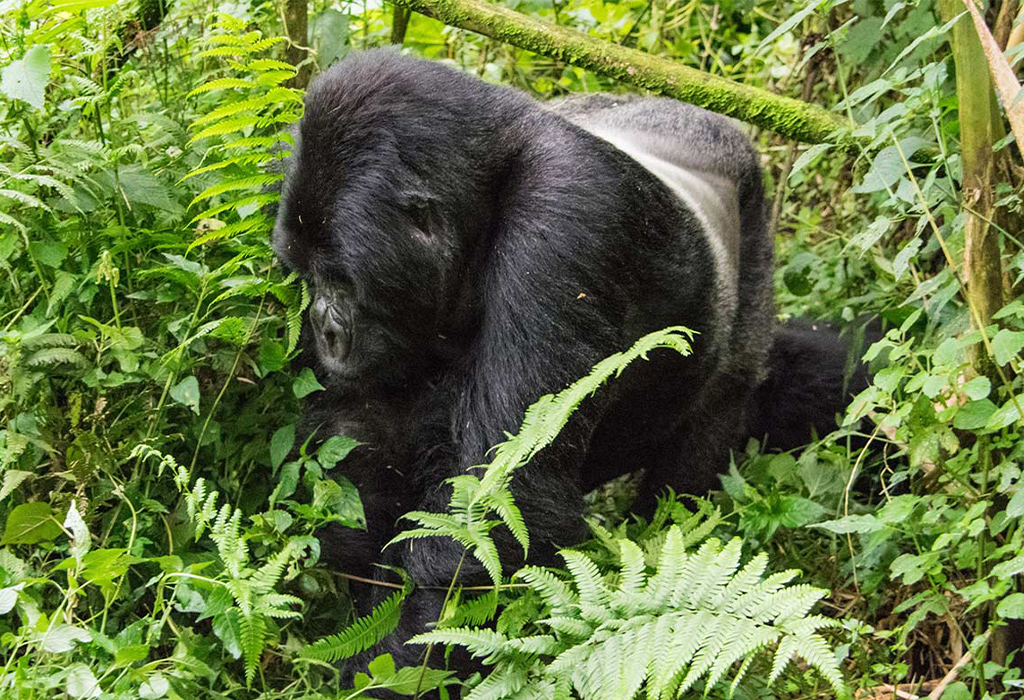
Gardening gloves may seem unusual, but they can be useful during gorilla trekking in Uganda or Rwanda. Forest trails can involve dense vegetation, steep sections, and branches that you may need to hold for support.
A lightweight pair of gloves can protect your hands from scratches and rough vegetation while giving you a better grip. Therefore, consider adding them to your things to pack on a Uganda and Rwanda tour, particularly if gorilla trekking forms part of your itinerary.
Simple First-Aid Kit
A small personal first-aid kit can prove useful during a safari. Pack basic items such as plasters, antiseptic wipes or cream, pain relievers, personal medication, and other essentials you regularly use.
If you take prescription medication, carry enough for the entire trip and keep it in its original packaging. You should also consult a qualified medical professional about any health precautions or medication you may need before travelling.
Gorilla Vista Safaris can also advise you on practical preparations based on your planned destinations and activities.
Insect Repellent
Because some safari destinations are located near forests, wetlands, lakes, and other natural habitats, insect repellent can be useful.
Apply it according to the manufacturer’s instructions, particularly when spending time outdoors during the evening or in forest environments. Long-sleeved clothing and long trousers can provide additional protection.
Reusable Water Bottle
Staying hydrated is particularly important when hiking or trekking. A reusable water bottle allows you to carry water throughout the day while reducing the need for disposable plastic bottles.
Before leaving for activities, make sure you have enough drinking water. Your safari team can also advise you about water availability during longer activities.
Small Daypack
A small, comfortable backpack is useful for carrying the essentials you need during daily activities. Instead of carrying your entire suitcase during a trek or game drive, pack only what you need for the day.
Your daypack can hold water, a rain jacket, snacks, sunscreen, binoculars, your camera, extra batteries, and personal medication.
Choose a lightweight bag that sits comfortably on your back, particularly if you expect to walk for several hours.
Warm Clothing for Mountainous Areas
Although Uganda and Rwanda are generally associated with warm African weather, mountain destinations can become surprisingly cool, particularly in the early morning and evening.
If you plan to visit Bwindi, Mgahinga, or Volcanoes National Park, bring a fleece jacket, sweater, or lightweight warm coat. Layering works particularly well because you can remove or add clothing as temperatures change.
Toiletries and Personal Essentials
Pack your usual toiletries, including toothbrush and toothpaste, soap, deodorant, sanitary products, moisturizer, and any other personal items you require.
Travel-sized containers can help you save space, especially when moving between several lodges during a multi-day safari.
Power Bank and Charging Equipment
Long safari days can quickly drain your phone or camera battery. A power bank therefore provides a useful backup when you are away from reliable electricity.
Remember to pack the chargers and adapters required for your electronic devices. Keeping your phone charged is particularly important because you may need it for communication, navigation, photography, or accessing digital copies of your travel documents.
Pack According to Your Activities
The final packing list depends largely on your itinerary. For example, a traveller visiting Kampala, Kigali, and major wildlife parks may need different equipment from someone spending several days trekking in Bwindi or Volcanoes National Park.
If your trip includes gorilla trekking, prioritize hiking boots, long trousers, long-sleeved clothing, gloves, a rain jacket, thick socks, and a comfortable daypack. For game drives, binoculars, a camera, sun protection, and comfortable clothing become especially useful.
Consequently, Gorilla Vista Safaris recommends considering every activity on your itinerary before finalizing your luggage.
Final Thoughts on Things to Pack on a Uganda and Rwanda Tour
Knowing the right things to pack on a Uganda and Rwanda tour can make your safari more comfortable, practical, and enjoyable. From essential travel documents and comfortable clothing to hiking boots, rain jackets, binoculars, cameras, and personal medication, each item serves a purpose.
Most importantly, pack according to the activities and destinations on your itinerary. Gorilla trekking requires different preparation from a game drive, while mountain destinations may require warmer clothing than lower-altitude areas.
With thoughtful preparation and the right equipment, you can focus less on what you forgot to bring and more on enjoying Uganda and Rwanda’s forests, wildlife, landscapes, and cultural experiences. Gorilla Vista Safaris can help you prepare for your safari and choose practical items based on your planned activities.

1 Comment
[…] Bwindi Impenetrable National Park and Mgahinga Gorilla National Park, while Rwanda protects them in Volcanoes National Park. The Democratic Republic of the Congo is home to mountain gorillas in Virunga National Park. Their […]