- DIRECT CONTACTS:
- +256 779 116 947
- +256 758 566 300
- info@gorillavistasafaris.com

Things to Do in Mabira Forest: Entrance Fees, Ziplining and Travel Guide
Mabira Forest is one of Uganda’s most rewarding destinations for nature lovers, birdwatchers, hikers, and adventure seekers. Located in Buikwe District between Kampala and Jinja, this tropical rainforest offers an opportunity to escape busy towns and explore a beautiful natural environment filled with towering trees, colourful butterflies, forest birds, and playful monkeys. Whether you are planning a day trip from Kampala, a weekend getaway, or a stopover on your way to Jinja, Mabira Forest offers plenty of activities to make your visit memorable.
There are many things to do in Mabira Forest, including guided nature walks, mountain biking, birdwatching, ziplining through the forest canopy, and tracking the Uganda mangabey monkey. Visitors can also enjoy picnics, camping, butterfly identification, and cultural encounters with communities living around the forest. With its accessible location and variety of outdoor experiences, Mabira is an excellent destination for travellers who want to experience Uganda’s natural beauty without travelling far from the capital.
This guide explains the best activities in Mabira Forest, what to know about entrance fees and ziplining costs, where to stay, and how to prepare for your visit. With guidance from Gorilla Vista Safaris, you can plan a rewarding forest adventure that combines outdoor exploration, wildlife viewing, and responsible tourism.
Where Is Mabira Forest Located?
Mabira Forest Central Forest Reserve lies in Buikwe District in central Uganda, along the Kampala–Jinja highway. The forest is approximately 54–56 kilometres from Kampala and about 20 kilometres from Jinja, although the exact distance depends on your starting point and destination within the reserve. Under favourable traffic conditions, the drive from Kampala may take around one hour, but congestion can extend the journey to two hours or longer.
Its convenient location makes Mabira Forest an excellent destination for a day trip, especially for visitors who want to enjoy nature without undertaking a long journey. Travellers heading to Jinja can also include the forest in their itinerary before continuing to explore the River Nile, nearby waterfalls, and other attractions.
Mabira is known for its rich biodiversity, with numerous tree species, birds, butterflies, and small mammals inhabiting its tropical rainforest. The reserve also plays an important ecological role by supporting local water systems and providing habitat for wildlife. In addition, the forest has cultural significance for surrounding communities, who have historically depended on its plants and other natural resources.
A Brief History of Mabira Forest
Mabira Forest became a protected forest reserve in 1932. Before its protection, people harvested resources such as rubber, while other areas were cleared for agricultural activities, including coffee cultivation. Over the years, illegal logging, encroachment, and plantation expansion contributed to forest degradation.
Conservation efforts gained momentum following periods of extensive forest loss. Government agencies and conservation organisations introduced restoration programmes and promoted ecotourism as a way to protect the forest while creating economic opportunities for surrounding communities.
Mabira also became the centre of a major environmental debate in 2007, when a proposal to clear part of the forest for sugarcane cultivation triggered widespread opposition. Environmentalists, community groups, religious leaders, cultural leaders, and members of the public raised concerns about biodiversity loss, water resources, and the long-term effects of deforestation. Similar concerns resurfaced when the proposal returned to public discussion in 2013.
These events highlighted the importance of conserving Mabira Forest for future generations. Today, responsible tourism, environmental education, and community involvement remain important parts of the wider conservation conversation.
Best Things to Do in Mabira Forest
Mabira Forest offers a variety of activities for visitors with different interests and fitness levels. You can spend a few hours walking beneath the forest canopy, dedicate a morning to birdwatching, or combine several outdoor experiences during a full-day excursion.
For the best experience, begin your visit at the designated visitor or ecotourism centre. Here, you can ask about available activities, trail conditions, guides, equipment hire, and current charges before entering the forest.
1. Enjoy Guided Nature Walks in Mabira Forest
Nature walks are among the most popular things to do in Mabira Forest because they allow visitors to experience the rainforest at a comfortable pace. As you follow the forest trails, you can observe towering trees, colourful butterflies, interesting plants, and birds moving through the vegetation. The sounds of insects and birds create a peaceful atmosphere that makes walking through Mabira a refreshing break from urban life.
Although experienced visitors may prefer exploring familiar routes independently where permitted, a knowledgeable local guide can make the experience much more rewarding. Guides help identify different tree species, explain the ecological importance of the forest, and point out wildlife that visitors might otherwise overlook. They can also share information about the forest’s conservation history and its relationship with surrounding communities.
Mabira has several walking and cycling trails of different lengths. The original route information includes trails described as approximately 33 kilometres, 12 kilometres, and 5 kilometres, although visitors should confirm current route names, distances, and accessibility before setting out. Rather than attempting every trail, choose a route that matches your available time, interests, and experience.
During your nature walk, look out for:
- Indigenous rainforest trees and medicinal plants.
- Butterflies resting on leaves or feeding along the trails.
- Red-tailed monkeys and other forest primates.
- Birds calling from the canopy and undergrowth.
- Forest streams and areas of dense vegetation.
Travel tip: Wear comfortable walking shoes, carry drinking water, and bring a light rain jacket. Forest conditions can change quickly, so a guide can help you choose a suitable route.
2. Go Ziplining Through the Mabira Forest Canopy
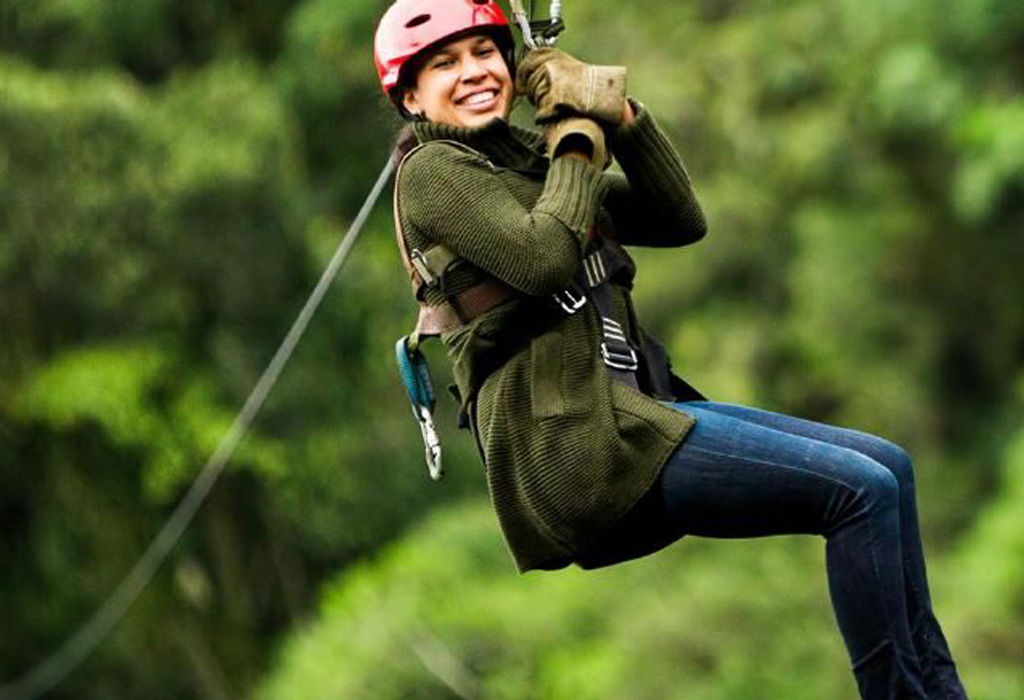
Ziplining is one of the most exciting activities in Mabira Forest, particularly for visitors who want to combine adventure with spectacular views of the rainforest. The experience takes you above sections of the forest canopy, providing a different perspective on the trees and surrounding vegetation.
As you move between platforms, you may see birds flying between branches or monkeys moving through nearby trees. The elevated position also offers an opportunity to appreciate the size and density of the forest, something that can be difficult to understand when walking along the ground.
The forest canopy ziplining experience is especially popular with adventurous couples, groups of friends, families with eligible participants, and travellers looking for something different from a traditional wildlife excursion. However, participation depends on the operator’s current age, health, weight, and safety requirements.
The original activity information describes morning and afternoon sessions, with morning operations beginning around 8:00 a.m. and afternoon sessions running from approximately 1:00 p.m. These times should be treated as indicative rather than guaranteed because operating hours can change.
Before booking your Mabira Forest ziplining experience, confirm:
- The current ticket price and whether advance booking is required.
- Available session times and the expected duration.
- Minimum age and other participant eligibility requirements.
- Safety equipment and briefing procedures.
- Whether photography is permitted during the activity.
Ziplining prices and schedules may change, so confirm the latest information directly with the activity operator before travelling. Gorilla Vista Safaris can help you plan your Mabira Forest visit as part of a wider Uganda itinerary.
3. Go Birdwatching in Mabira Forest
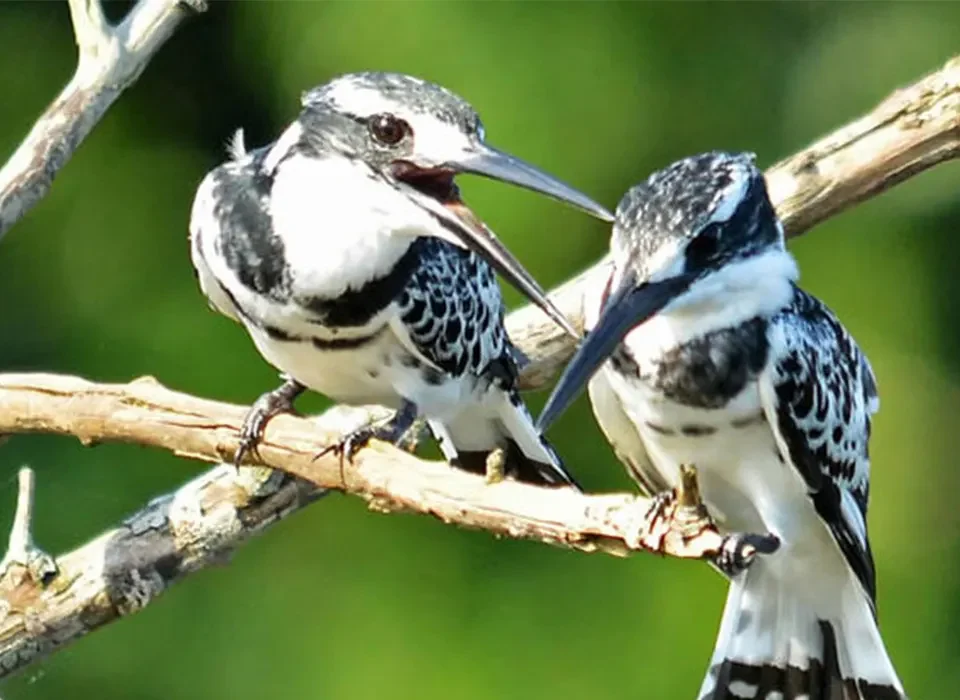
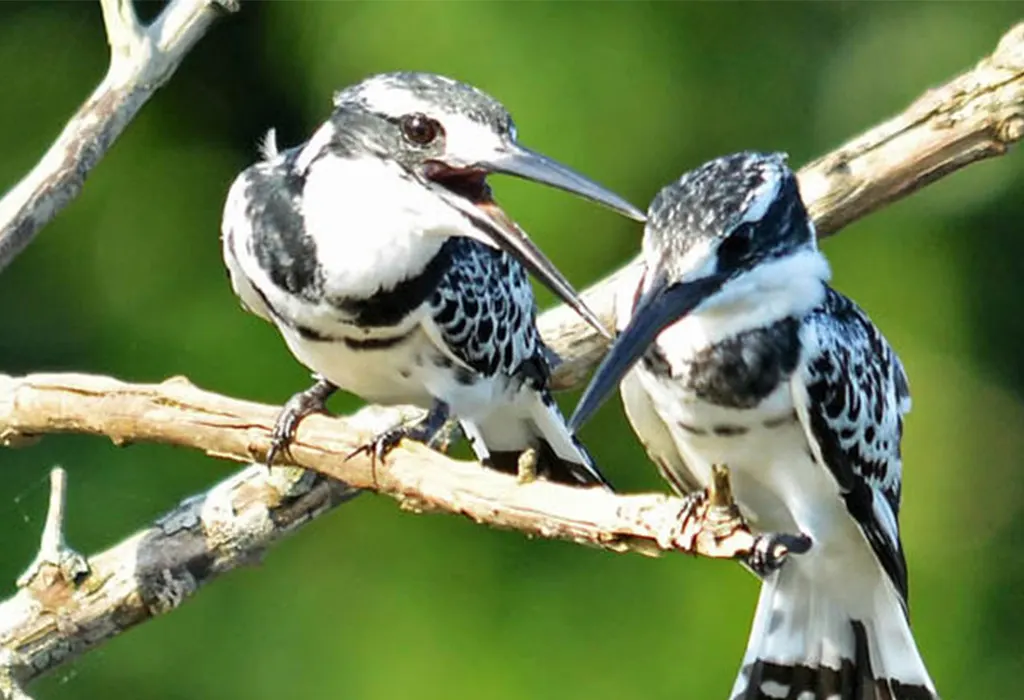
Mabira Forest is an excellent destination for birdwatching in Uganda. Its combination of mature trees, dense undergrowth, forest clearings, and fruiting trees provides habitat for a wide range of bird species. Birdwatchers may encounter colourful forest birds, hornbills, kingfishers, pigeons, and species that are difficult to observe in more open landscapes.
The source information for this guide reports more than 315 bird species in the reserve. Exact totals may vary between surveys and checklists, but Mabira remains a valuable destination for both experienced birders and visitors who simply enjoy observing wildlife.
Species to look for include the African Dwarf Kingfisher, African Pied Hornbill, Black-and-white-casqued Hornbill, Blue-throated Roller, Cassin’s Hawk-Eagle, Forest Woodhoopoe, Grey Parrot, Hairy-breasted Barbet, and Yellow-spotted Barbet. Other notable birds include Nahan’s Francolin, which is particularly interesting to birdwatchers seeking specialised forest species.
Birdwatching can be rewarding even when you do not venture deep into the reserve. However, moving quietly and allowing enough time at suitable locations can improve your chances of spotting birds. A guide with local birding experience can help identify calls, distinguish similar species, and locate birds hidden among the leaves.
For a successful birdwatching trip in Mabira Forest:
- Start early, when many birds are active.
- Carry binoculars and a bird identification guide.
- Wear neutral-coloured clothing and avoid unnecessary noise.
- Allow extra time to observe birds rather than rushing between locations.
- Ask your guide about current sightings and suitable trails.
Mabira is especially appealing to travellers who want to combine birdwatching with a short nature excursion. If you are planning a broader Uganda birding safari, the forest can also complement visits to other bird-rich habitats across the country.
4. Track the Uganda Mangabey Monkey
Monkey tracking is another memorable activity in Mabira Forest. One of the reserve’s notable primates is the Uganda mangabey, also known as the grey-cheeked mangabey. These forest-dwelling monkeys spend much of their time moving through the trees in search of food, making them fascinating subjects for wildlife observation and photography.
The Uganda mangabey is particularly interesting because of its conservation significance and association with forest habitats. Although Mabira is an important location for seeing this species, visitors should not assume that every outing will produce a sighting. The monkeys move in response to food availability and other environmental conditions, so encounters depend on where the groups are located on the day.
A guided tracking experience improves your chances of locating the animals. Guides familiar with the forest can interpret calls, recognise movement through the canopy, and help visitors observe the monkeys without unnecessarily disturbing them.
Visitors may also encounter red-tailed monkeys, vervet monkeys, and other wildlife during their time in the reserve. However, wildlife sightings are never guaranteed, and responsible observation should always take priority over getting close to an animal.
When tracking monkeys in Mabira Forest:
- Follow your guide’s instructions throughout the activity.
- Keep a respectful distance from the animals.
- Avoid feeding or calling wildlife to attract its attention.
- Do not leave food or rubbish along the trails.
- Keep noise to a minimum when observing primates.
Monkey tracking is a good choice for travellers who want to learn about Uganda’s primates without committing to a longer chimpanzee or gorilla trekking excursion.
5. Go Mountain Biking Through Mabira Forest
Mountain biking offers an energetic way to explore Mabira Forest and its surrounding communities. Instead of walking the entire route, visitors can cycle along suitable trails, covering more ground while enjoying the changing scenery.
Cycling through the forest provides opportunities to see large trees, observe birds, and encounter primates along the way. Depending on the route, you may also pass through areas close to local settlements, giving you a broader understanding of how communities and the forest exist alongside one another.
The best route depends on your cycling experience, the weather, and current trail conditions. Some sections may be uneven, muddy, or slippery, particularly during rainy periods. Therefore, beginners should choose an appropriate route and avoid attempting difficult sections without suitable equipment or guidance.
Bicycle hire may be available through local activity providers and selected accommodation facilities. The source article gives an indicative rental price of UGX 40,000, but this should not be treated as a current rate. Confirm the latest hire charges, equipment availability, and any guide fees before making plans.
For a comfortable mountain biking experience, bring water, wear a helmet, and follow the designated routes. You should also slow down when approaching pedestrians and wildlife, as well as avoid riding through sensitive areas where cycling is not permitted.
6. Enjoy Butterfly Identification and Forest Wildlife Viewing
Mabira Forest supports a rich variety of insects and other small wildlife. Butterfly identification is particularly enjoyable because visitors can observe different colours, patterns, and behaviours while walking through the forest.
The source information reports approximately 219 butterfly species and 97 moth species in the reserve. These figures provide an indication of the forest’s diversity, although the number of recorded species can change as surveys improve.
Butterflies may be easier to observe in suitable clearings and along forest edges, depending on the weather and time of day. A guide can help distinguish different species and explain their role in the ecosystem, including pollination and their place in food webs.
Beyond butterflies, Mabira is home to a range of forest mammals. Depending on location and conditions, visitors may encounter bushbuck, blue duikers, squirrels, bush babies, fruit bats, baboons, and other animals. Leopards are reported in the forest but are rarely seen, so visitors should never plan their trip around expecting to encounter one.
Wildlife viewing in Mabira is best approached with patience. Move quietly, observe the environment, and allow animals to behave naturally rather than attempting to approach them.
7. Visit Environmental Research and Conservation Centres
Mabira Forest is more than a destination for outdoor recreation. It is also an important place to learn about rainforest ecosystems, biodiversity, and the challenges involved in protecting natural resources.
Depending on current access arrangements, visitors may be able to learn about conservation activities, environmental research, forest restoration, and the role of local communities in protecting the reserve. Such experiences can be especially valuable for students, educational groups, nature enthusiasts, and travellers interested in sustainable tourism.
The forest’s history demonstrates how logging, encroachment, and agricultural expansion can affect natural habitats. At the same time, restoration efforts and public support for conservation illustrate the importance of protecting forests for wildlife, water resources, and future generations.
If you are interested in educational visits, ask the relevant forest or ecotourism authorities whether guided conservation activities or research-related visits are available on your preferred date.
8. Enjoy Camping and Picnics in Mabira Forest
Camping and picnics provide a relaxing way to enjoy Mabira Forest without following a tightly scheduled activity programme. Visitors can spend time surrounded by trees, listen to birds, and enjoy the peaceful atmosphere of the rainforest.
Designated picnic areas may offer convenient places to rest between activities. Some forest trails also pass through scenic sections with streams and mature trees, making a short guided walk an enjoyable addition to a picnic outing.
Camping is a good option for travellers who want to spend more time in the forest rather than returning to Kampala or Jinja on the same day. However, you should arrange accommodation or camping space in advance and follow the facility’s rules regarding fires, waste disposal, food storage, and noise.
The drier months, particularly December to February, can be suitable for outdoor activities, although weather conditions vary from year to year. Rain is possible even during generally drier periods, so check the forecast and prepare accordingly.
Responsible camping tips:
- Use designated campsites and approved fire facilities.
- Carry reusable water bottles and remove your rubbish.
- Avoid loud music that may disturb wildlife and other visitors.
- Do not collect plants, insects, or other forest materials.
- Follow all instructions from campsite staff and forest authorities.
9. Experience Local Culture and Community Tourism
A visit to Mabira Forest can also provide an opportunity to learn about the communities living around the reserve. These communities have longstanding relationships with the forest, including cultural traditions and knowledge of local plants.
The forest holds cultural and historical significance for the Baganda, the largest ethnic group in the surrounding region. Traditional beliefs, herbal knowledge, and the use of forest resources have contributed to the relationship between local people and their environment.
Depending on what is available during your visit, you may be able to support community tourism initiatives, purchase locally made crafts, or learn about conservation and livelihood projects. Some accommodation providers and community organisations also arrange cultural activities or other forms of local entertainment.
Community-based tourism can help visitors understand why protecting the forest matters beyond wildlife conservation alone. When tourism activities are managed responsibly, they can create opportunities for local guides, craftspeople, accommodation providers, and other community members.
Ask your guide or accommodation provider about legitimate community activities and how your visit can support locally managed initiatives.
Mabira Forest Entrance Fees and Ziplining Costs
One of the most common questions travellers ask is how much it costs to visit Mabira Forest. The total cost depends on the activities you choose, whether you require a guide, and whether you plan to stay overnight.
There is no single price that covers every possible Mabira Forest experience. Forest access, guided nature walks, monkey tracking, ziplining, bicycle hire, camping, and accommodation may have separate charges.
Because rates and operating arrangements can change, confirm current prices with the relevant forest authorities, the designated ecotourism centre, or the operator providing your chosen activity.
What Costs Should You Budget For?
When planning your Mabira Forest trip, ask about the following charges:
- Forest entry: Confirm whether an entrance fee applies to your planned visit and which activities it covers.
- Nature walks: Ask whether the guide’s fee is separate from forest access charges.
- Ziplining: Confirm the current ticket price, session availability, and booking requirements.
- Monkey tracking: Check the current activity fee, guide arrangements, and whether advance reservations are necessary.
- Mountain biking: Ask about bicycle rental, protective equipment, and any additional guide charges.
- Birdwatching: Confirm whether a specialist birding guide is available and whether the fee is charged per person or per group.
- Camping and accommodation: Check nightly rates, campsite facilities, meals, and any additional service charges.
Do not rely on old online prices without checking whether they remain valid. In particular, the bicycle rental figure mentioned earlier is historical source information rather than a verified current price.
How to Plan Your Budget
Your overall budget will depend on how long you stay and how many activities you choose. A visitor planning a short nature walk will generally need a different budget from someone combining ziplining, monkey tracking, mountain biking, and an overnight stay.
Before travelling, decide which experiences matter most to you and request a breakdown of the charges. This makes it easier to compare options and avoid unexpected expenses.
If you are arranging a wider Uganda holiday, Gorilla Vista Safaris can help you organise a Mabira Forest excursion alongside other destinations. Confirm the current activity fees and any included transport or guiding services before finalising your itinerary.
Where to Stay in Mabira Forest
Visitors can choose from forest camps, eco-friendly accommodation, and lodges in or around Mabira Forest. The right option depends on your budget, preferred level of comfort, and whether you want to spend most of your time exploring the forest or relaxing at your accommodation.
Staying overnight allows you to enjoy a slower itinerary and take advantage of early-morning birdwatching or guided walks. It can also be convenient if you want to combine several activities without rushing back to Kampala or Jinja.
1. Griffin Falls Camp
Griffin Falls Camp is a forest accommodation option associated with community-based tourism around Mabira. The camp provides an opportunity to stay close to nature and enjoy the surrounding woodland environment.
Camping and outdoor relaxation are central attractions for visitors who prefer a simple, nature-focused experience. Depending on current arrangements, facilities may include camping areas and opportunities to enjoy an evening around a designated campfire.
The camp has also been associated with community initiatives that support activities such as tree planting, education, sanitation, and other local development projects. Ask the facility about its current programmes and how visitors can contribute.
Before booking, confirm campsite availability, bathroom facilities, meals, prices, and access arrangements for nearby trails.
2. Mabira Rainforest Lodge
Mabira Rainforest Lodge is a suitable option for travellers seeking greater comfort while remaining close to the forest. Its setting appeals to visitors who want to combine nature-based activities with time to relax in peaceful surroundings.
The original source describes the lodge as offering cottages and rooms, restaurant facilities, swimming pools, and opportunities to arrange activities such as nature walks and birdwatching. However, room categories, facilities, and service availability can change, so check the latest details directly with the property.
This type of accommodation may appeal to couples, families, and travellers who prefer a comfortable base between outdoor excursions. When comparing rates, check whether meals, guided activities, transport, or other services are included.
3. Mabira Forest Ecotourism Centre Accommodation
Accommodation at the Mabira Forest Ecotourism Centre may suit travellers who want to stay close to the forest’s visitor facilities. The original source describes bandas, or simple individual accommodation units, as well as a campsite.
This option can be attractive to visitors who prioritise access to forest activities over luxury facilities. Staying nearby may also make it easier to begin an early-morning nature walk or birdwatching excursion.
Before booking, confirm the current accommodation options, bathroom arrangements, campsite capacity, meal availability, and applicable charges. You should also ask about the opening hours of visitor facilities and whether activities require advance reservations.
How to Choose the Best Accommodation
Consider the following factors when selecting where to stay in Mabira Forest:
- Budget: Compare the total cost of accommodation, meals, transport, and activities.
- Location: Choose a property with convenient access to your planned activities.
- Comfort: Decide whether you prefer basic camping, simple bandas, or a lodge.
- Activities: Ask whether your accommodation can arrange guides, birdwatching, or nature walks.
- Booking requirements: Confirm availability, cancellation conditions, and check-in times.
If you are visiting during weekends or public holidays, booking in advance can help you secure your preferred accommodation.
Best Time to Visit Mabira Forest
Mabira Forest can be visited throughout the year, but weather conditions may affect the activities you can enjoy. Dry periods are often convenient for walking, cycling, camping, and picnics because trails may be less muddy and outdoor plans easier to manage.
December to February is commonly considered part of Uganda’s drier season. However, rainfall patterns can vary, and wet conditions are still possible. During rainy periods, forest trails may become slippery, making suitable footwear and careful route selection particularly important.
Birdwatching and wildlife observation can be rewarding in different seasons. The best conditions for a specific sighting may depend on bird activity, food availability, and other environmental factors rather than the season alone.
For the best experience, check the weather forecast shortly before departure and ask local guides about current trail conditions.
How to Get to Mabira Forest from Kampala or Jinja
Mabira Forest is conveniently located along the Kampala–Jinja highway, making it accessible by private vehicle, arranged transfer, or public transport to nearby towns.
Travelling from Kampala
The drive from Kampala to the Mabira Forest area is approximately 54–56 kilometres, depending on your destination within the reserve. Under favourable traffic conditions, the journey may take about one hour, although congestion can make it considerably longer.
If you are travelling by private vehicle, confirm your exact destination and access point before departure. The visitor centre, accommodation facilities, and particular activity locations may not all share the same entrance.
Travelling from Jinja
Mabira Forest is also accessible from Jinja, approximately 20 kilometres away from some commonly used points in the reserve. Visitors using public transport can ask locally about vehicles travelling towards Lugazi and the Najjembe area.
However, reaching a roadside stop does not necessarily mean you have arrived at your chosen activity location. You may need additional transport or directions to reach the relevant visitor facility.
Visiting Mabira Forest with a Tour Operator
Travelling with an organised tour can make your excursion easier, especially if you want to combine several activities or continue to Jinja afterwards.
Gorilla Vista Safaris can help you plan a Uganda itinerary that includes Mabira Forest and other destinations, subject to the services available for your preferred dates. When requesting an itinerary, specify your departure point, travel date, preferred activities, and whether you need transport or accommodation.
What to Pack for a Mabira Forest Trip
Packing appropriately can make your visit more comfortable, particularly if you plan to walk for several hours or participate in outdoor adventure activities.
The forest’s humid environment and changeable weather mean that lightweight clothing and rain protection are useful throughout the year. You should also carry any personal essentials required for your chosen activities.
Your packing list should include:
- Comfortable hiking shoes or sturdy walking boots.
- Lightweight clothing suitable for humid conditions.
- A rain jacket or compact raincoat.
- Drinking water and suitable snacks.
- Insect repellent.
- Binoculars for birdwatching and wildlife observation.
- A camera or phone for photography.
- Sunscreen and a hat for exposed sections of the journey.
- A small backpack for personal items.
- Any additional equipment required by your activity provider.
If you intend to go ziplining or mountain biking, check the operator’s equipment requirements before bringing your own gear. Follow the instructions provided during safety briefings and use only approved equipment.
Responsible Tourism and Forest Conservation
Mabira Forest is an important natural habitat, and every visitor has a role to play in protecting it. Responsible tourism helps reduce disturbance to wildlife and supports the long-term value of the forest for surrounding communities.
During your visit, remain on designated trails and avoid damaging plants or disturbing animals. Never feed monkeys or other wildlife, and do not leave rubbish behind. If you are camping, use designated facilities and follow the rules governing fires and waste disposal.
Hiring knowledgeable local guides can also improve your experience while creating opportunities for people who depend on tourism. Where possible, support legitimate community businesses and follow guidance from forest authorities.
Mabira’s conservation history shows why these practices matter. Protecting the forest supports biodiversity, contributes to the health of surrounding ecosystems, and helps preserve a natural attraction that future generations can continue to enjoy.
Frequently Asked Questions About Mabira Forest
1. What are the best things to do in Mabira Forest?
The best things to do in Mabira Forest include guided nature walks, ziplining, birdwatching, monkey tracking, mountain biking, butterfly identification, camping, and picnics. Visitors can also explore conservation-related activities and learn about communities living around the forest.
2. How much is the entrance fee to Mabira Forest?
The current entrance fee depends on the applicable access arrangements and the activity you plan to undertake. Some experiences may involve separate guide or activity charges. Confirm the latest fees with the relevant forest authorities or activity operator before travelling.
3. How much does ziplining in Mabira Forest cost?
Ziplining prices may change depending on the operator and current package arrangements. Contact the canopy activity provider directly to confirm the current ticket price, operating hours, booking requirements, and participant eligibility conditions.
4. Can I see monkeys in Mabira Forest?
Yes, Mabira Forest supports several primate species, including the Uganda mangabey, red-tailed monkeys, and vervet monkeys. However, sightings are not guaranteed because the animals move through the forest in search of food and suitable habitat.
5. Is Mabira Forest suitable for a day trip from Kampala?
Yes. Mabira Forest is a convenient destination for a day trip from Kampala because it lies along the Kampala–Jinja highway. Visitors can choose one or more activities depending on travel time, available budget, and the operating schedule of their preferred attractions.
6. What is the best time to visit Mabira Forest?
Mabira Forest is open to visitors throughout the year, subject to the operating arrangements of individual facilities and activities. The drier periods, particularly December to February, can be convenient for walking, cycling, and camping. However, weather conditions vary, so check the forecast before travelling.
7. Where can I stay near Mabira Forest?
Accommodation options described in the source information include Griffin Falls Camp, Mabira Rainforest Lodge, and facilities at the Mabira Forest Ecotourism Centre. Confirm current availability, facilities, and prices before booking.
8. Can I combine Mabira Forest with a Jinja tour?
Yes. Mabira Forest’s location between Kampala and Jinja makes it a convenient addition to a wider itinerary. Depending on your schedule, you can combine forest activities with sightseeing and other experiences around Jinja and the River Nile.
Plan Your Mabira Forest Adventure with Gorilla Vista Safaris
Mabira Forest offers an appealing combination of rainforest scenery, wildlife encounters, birdwatching, and outdoor adventure. From walking beneath towering trees to soaring above the canopy on a zipline, visitors can choose experiences that match their interests, available time, and budget.
The forest is also an important conservation area with a long history of environmental challenges and restoration efforts. By following responsible tourism practices, supporting local guides, and respecting wildlife, visitors can help protect this valuable natural resource.
Whether you are planning a day trip from Kampala, a weekend escape, or a stopover on your way to Jinja, Gorilla Vista Safaris can help you organise your wider Uganda travel plans. Before departure, confirm current entrance fees, activity prices, operating hours, and accommodation availability so that your visit runs smoothly.
With thoughtful planning, a visit to Mabira Forest can become a memorable part of your Uganda travel experience.