- DIRECT CONTACTS:
- +256 779 116 947
- +256 758 566 300
- info@gorillavistasafaris.com

Mabira Forest Birding Safari
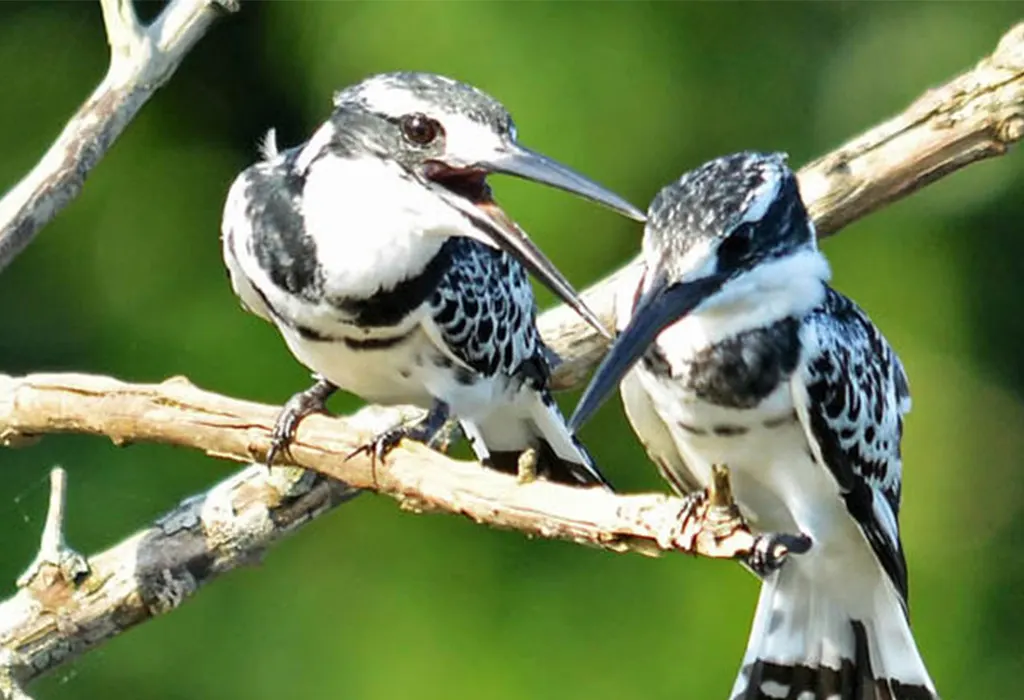
A Mabira Forest birding safari offers one of the most accessible ways to experience Uganda’s remarkable forest birdlife. Located between Kampala and Jinja, Mabira Forest provides an excellent escape from busy urban areas while allowing visitors to explore a rich tropical rainforest without traveling deep into Uganda’s remote national parks.
Unlike savannah game drives, where wildlife can often be spotted across open landscapes, birding in Mabira requires a slower and more attentive approach. Birds may remain hidden beneath thick foliage, high in the canopy, or deep within the forest. Therefore, successful bird watching depends on patience, careful listening, good timing, and the guidance of someone who understands the forest.
With proper planning, Gorilla Vista Safaris can help travelers enjoy a rewarding Mabira Forest birding experience while discovering the fascinating plants, insects, butterflies, monkeys, and other wildlife that share this important rainforest ecosystem.
Understanding the Birding Appeal of Mabira Forest
Mabira Forest is a large tropical rainforest with a diverse mixture of habitats, including mature forest, woodland edges, wetlands, streams, and swampy sections. These environments create suitable conditions for a wide range of bird species, making the forest an attractive destination for both experienced birders and visitors who simply enjoy nature.
More than 300 bird species have been recorded in Mabira, giving visitors plenty to look for during a forest walk. The real attraction, however, is not simply the number of species. It is the opportunity to observe birds in their natural forest environment and learn how they interact with their surroundings.
Some birds are easy to hear but surprisingly difficult to see. Others move rapidly between branches, while canopy species may remain far above the trail. As a result, forest birding rewards visitors who take time to stop, listen, scan the vegetation, and watch for movement.
During a Mabira Forest birding safari, you may encounter forest birds alongside:
- Colourful butterflies moving between flowering plants.
- Monkeys feeding in the canopy.
- Forest squirrels and other small mammals.
- Insects that form an important part of the forest food chain.
- Different tree species supporting birds and other wildlife.
This combination makes Mabira more than simply a place to tick birds from a checklist. It is a complete rainforest experience.
Best Time for a Mabira Forest Birding Safari
Birding in Mabira Forest is possible throughout the year, although different seasons provide different advantages. Your preferred travel period can therefore depend on whether you value easier trail conditions, increased bird activity, or the possibility of encountering migratory species.
The relatively drier periods generally provide easier walking conditions. Trails are less muddy, and visitors can spend longer periods moving through the forest comfortably. These conditions are particularly useful for travelers combining Mabira with other destinations in Uganda.
The wetter months, on the other hand, bring lush vegetation and increased insect activity. These conditions can create excellent feeding opportunities for birds. Breeding activity may also increase during favorable periods, making the forest especially lively.
Regardless of the season, early morning is usually the most productive time for bird watching in Mabira Forest. Birds tend to be more active and vocal after sunrise, giving birders better opportunities to detect species before the forest becomes warmer and quieter.
For this reason, plan to begin your walk early rather than arriving late in the morning.
Why You Need a Local Birding Guide
One of the best ways to improve your Mabira Forest birding safari is to travel with an experienced local birding guide. A forest guide does much more than lead you along a trail. They help you understand what you are hearing and seeing while directing your attention toward areas where birds are most likely to appear.
Many forest birds announce their presence through calls before they become visible. An experienced guide can recognize these sounds and help you locate the bird responsible. They may also know which trails, forest edges, wetlands, or feeding areas are productive at different times of the day.
A knowledgeable guide can help you:
- Identify birds by their calls and appearance.
- Locate species hidden within dense vegetation.
- Choose productive trails based on current conditions.
- Understand bird behavior and feeding patterns.
- Navigate the forest safely and efficiently.
- Learn about Mabira’s ecology and conservation challenges.
Gorilla Vista Safaris can help organize a guided birding experience that fits your schedule, interests, and wider Uganda safari itinerary.
What to Pack for Bird Watching in Mabira Forest
Forest birding requires practical preparation. Conditions can change quickly, and the trails may become slippery after rain. Packing the right equipment therefore makes your experience more comfortable and productive.
Binoculars are among the most important items to carry. A good pair allows you to observe birds in the canopy and identify species without getting too close. A camera with a suitable telephoto lens is also useful if you want to document your sightings.
Consider packing the following:
- Comfortable walking shoes with strong grip.
- Lightweight, neutral-colored clothing.
- A waterproof jacket or lightweight raincoat.
- Binoculars suitable for low-light forest conditions.
- A camera and extra batteries.
- Drinking water and a few light snacks.
- Insect repellent and basic personal supplies.
- A small notebook or birding checklist.
Neutral clothing is particularly practical because it helps you blend into the surroundings. Bright colors and unnecessary noise can make it easier for wildlife to notice your presence.
Preparing for Forest Birding Conditions
Birding in a tropical rainforest feels very different from watching wildlife on a savannah. Visibility can be limited, trails can be uneven, and birds may appear for only a few seconds before disappearing behind leaves.
For that reason, patience is essential. Instead of rushing from one location to another, stop regularly and carefully scan the vegetation. Listen for calls, watch branches for movement, and allow your eyes time to adjust to the darker forest interior.
It is also important to remain comfortable. Wet trails, humidity, insects, and changing weather can become tiring if you are not properly prepared. A relaxed approach allows you to concentrate on the experience rather than the conditions.
Most importantly, do not become discouraged when you hear a bird without seeing it immediately. Hearing a species is an important part of forest birding, and with an experienced guide, that sound can often become the starting point for a successful sighting.
How to Structure Your Mabira Forest Birding Safari
A well-planned birding safari in Mabira Forest should allow enough time for slow exploration. Trying to cover too much ground quickly can actually reduce your chances of seeing birds.
An early morning walk is usually the best starting point. Spend time along established forest trails and pay attention to areas where vegetation changes. Forest edges, clearings, wetlands, and flowering trees can all provide excellent opportunities.
If your schedule allows, spending a full day or more in the area can be particularly rewarding. Different species become active at different times, so revisiting a productive location later can result in sightings that you missed earlier.
A simple itinerary might include:
Early morning: Begin birding shortly after sunrise when bird activity is high.
Late morning: Continue exploring selected trails before taking a rest.
Afternoon: Return to the forest for another session and search for species that become active later in the day.
This flexible approach works well for dedicated birders as well as travelers who want to combine bird watching with a broader nature experience.
Combining Birding with Other Mabira Forest Experiences
One advantage of Mabira Forest is its convenient location. Travelers can incorporate a Mabira Forest birding safari into a wider Uganda itinerary without making a major detour.
After birding, you can enjoy a nature walk and explore the forest from a broader ecological perspective. Butterfly watching is another rewarding activity, particularly for visitors interested in photography and insects.
Because Mabira lies between Kampala and Jinja, it can also fit naturally into itineraries that include Jinja’s adventure activities, cultural experiences, or the source of the Nile.
This accessibility makes Mabira particularly useful for travelers with limited time. You can experience genuine tropical forest birding without committing several days to a remote destination.
Responsible Birding in Mabira Forest
Enjoying Mabira also comes with a responsibility to protect the forest. As an important natural habitat, the forest faces pressure from human activities, making responsible tourism increasingly important.
During your birding walk, follow established trails and listen carefully to your guide. Avoid disturbing nests, feeding wildlife, or approaching birds too closely for photographs.
Responsible birding also means avoiding excessive use of playback calls. Although recorded calls can sometimes assist with identification, inappropriate use can disturb birds and interfere with their natural behavior.
Keep these simple principles in mind:
- Follow your guide’s instructions.
- Remain on designated trails where possible.
- Keep noise to a minimum.
- Do not chase or corner birds.
- Avoid disturbing nests and breeding sites.
- Dispose of waste responsibly.
- Support local guides and community-based services.
By following these practices, visitors contribute to a tourism model that values the forest and encourages its continued protection.
Why Choose Gorilla Vista Safaris for Mabira Forest Birding?
A successful birding experience depends on good planning, reliable local knowledge, and enough time to explore at a comfortable pace. Gorilla Vista Safaris can help travelers arrange a Mabira Forest birding experience as part of a wider Uganda safari or as a standalone nature excursion.
Whether you are an experienced birder searching for particular forest species or a first-time visitor hoping to discover Uganda’s birdlife, the itinerary can be adapted around your interests and available time.
The experience is not simply about how many birds you see. It is about learning to recognize forest calls, watching wildlife in its natural habitat, walking beneath an ancient rainforest canopy, and appreciating the ecological importance of Mabira.
Make the Most of Your Mabira Forest Birding Safari
A Mabira Forest birding safari is an excellent choice for travelers looking for accessible, immersive, and rewarding bird watching in Uganda. Its location, varied habitats, forest atmosphere, and impressive bird diversity make it a valuable addition to a Uganda travel itinerary.
The key is to plan carefully. Start early, bring suitable equipment, wear comfortable walking gear, and allow yourself enough time to observe rather than rush. Most importantly, travel with an experienced guide who can help you interpret the calls and movements that make forest birding so fascinating.
With the right preparation, Mabira Forest can transform a simple nature walk into a memorable birding adventure. For travelers exploring Uganda with Gorilla Vista Safaris, it offers an opportunity to slow down, listen closely, and discover a different side of the country’s remarkable natural heritage.