- DIRECT CONTACTS:
- +256 779 116 947
- +256 758 566 300
- info@gorillavistasafaris.com

How the Gorilla Trekking Process Is Done
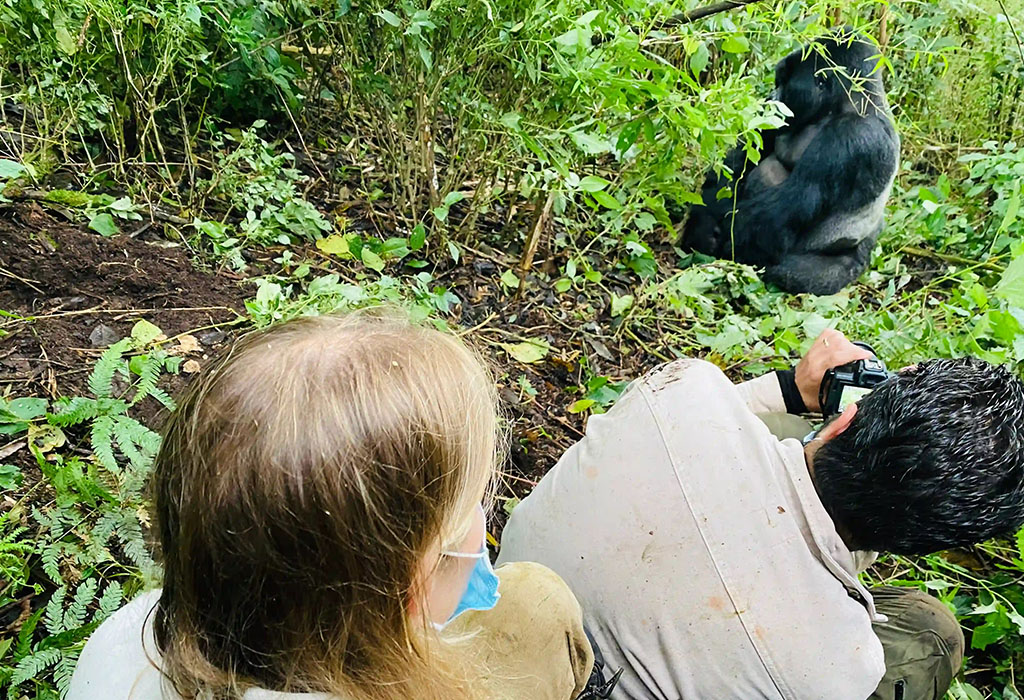
Are you planning a gorilla trekking experience and wondering what happens from the moment you arrive at the park until you meet the gorillas? Gorilla trekking is carefully organized to protect the gorillas, ensure visitor safety, and give travelers a meaningful experience in their natural habitat.
Whether you choose to trek in Bwindi Impenetrable National Park, Mgahinga Gorilla National Park in Uganda, or Volcanoes National Park in Rwanda, the process follows a similar structure. However, the exact meeting point, trekking conditions, and allocation procedures can vary between destinations.
At Gorilla Vista Safaris, we help travelers understand what to expect and prepare properly before their trekking day. Once your gorilla permit has been secured, you can focus on preparing for the experience ahead.
Arriving at the Gorilla Trekking Headquarters
Your first step on trekking day is reporting to the appropriate park headquarters or trekking sector early in the morning.
In Rwanda, visitors generally gather at the designated headquarters for Volcanoes National Park before they are assigned to their trekking groups. In Uganda, trekkers report to the sector indicated on their permits. These include Buhoma, Ruhija, Rushaga, and Nkuringo in Bwindi, as well as Mgahinga for treks in Mgahinga Gorilla National Park.
It is important to confirm your trekking sector before the day of the trek because Uganda’s gorilla permits are issued for specific sectors.
When you arrive, park staff verify your documents. You may be required to present your passport and gorilla permit so that officials can confirm your identity and trekking authorization.
Group Allocation and Morning Briefing
After registration and document verification, trekkers are organized into groups and assigned to available gorilla families.
The allocation process considers several factors, including the condition of the gorilla family, trekking circumstances, and the abilities of visitors. Rangers and park staff work to organize groups in a way that supports both visitor safety and gorilla conservation.
If you have mobility concerns, a medical condition, or difficulty with strenuous hiking, inform your safari operator before trekking day. At Gorilla Vista Safaris, we encourage travelers to communicate their needs early so that the appropriate arrangements can be considered.
Once the groups are ready, trained ranger guides conduct a detailed briefing. They explain the rules for approaching gorillas, photography, personal safety, hygiene, and appropriate behavior in the forest. The briefing is important because your actions can affect both your safety and the wellbeing of the gorillas.
Preparing for the Forest Trek
Gorilla trekking takes place in mountainous and forested environments, where conditions can change quickly. Therefore, proper preparation can make a significant difference.
Wear comfortable hiking clothing and sturdy waterproof boots with good traction. A rain jacket is also useful because rain can occur even when the morning begins with clear skies. In addition, carry drinking water, some snacks, sunscreen, insect repellent, and a camera or phone if you want to take photographs.
Because the forest can be muddy and slippery, especially during rainy periods, walking poles can also be helpful. Keep your belongings securely packed and avoid carrying unnecessary items.
Most importantly, prepare mentally for an unpredictable forest experience. The gorillas are wild animals, and their location can change from one day to another.
Starting the Gorilla Trek
After the briefing, your group proceeds to the designated trailhead. Depending on the location of the gorilla family, you may drive for a short distance before beginning the actual hike.
From there, your ranger guides lead you through the forest while trackers search for signs of the gorilla family. The hike can involve steep slopes, thick vegetation, muddy trails, streams, and uneven ground.
The duration varies considerably. Some groups may reach the gorillas after a relatively short walk, while others may spend several hours hiking through challenging terrain. The distance depends largely on where the gorilla family has moved since the previous day.
Fortunately, the trek is about more than simply reaching the gorillas. Along the way, your guides can explain the forest ecosystem, identify birds and plants, and share information about gorilla behavior and conservation. As a result, even the walking portion becomes an important part of the experience.
Following the Gorilla Trackers
Experienced trackers usually move ahead of the trekking group to locate the gorillas and follow their movements. They understand the forest and can identify signs such as broken vegetation, footprints, nests, and other evidence left by the animals.
Once trackers locate the gorilla family, they communicate with the ranger guides and carefully lead the visitors toward the group.
As you approach, the atmosphere often changes. The sounds of the forest become more noticeable, and you may suddenly find yourself standing close to a family of mountain gorillas in their natural environment.
Meeting the Gorilla Family
Finding the gorillas is usually the highlight of the trek. Visitors are generally allowed a maximum of one hour with the gorilla family under the standard trekking experience.
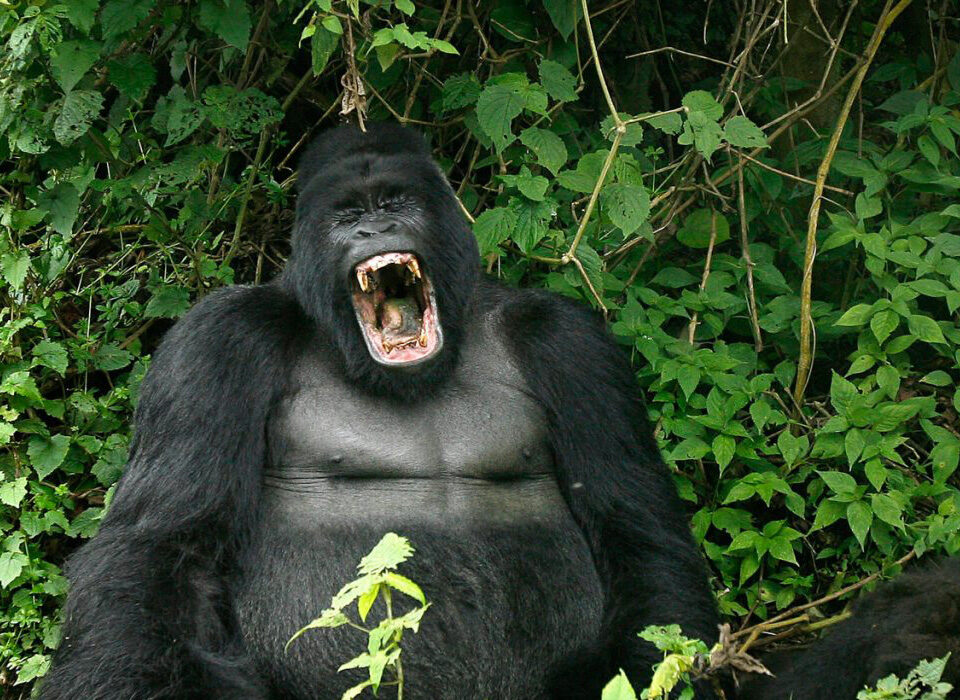
During this time, the gorillas may feed, rest, groom one another, play, or move through the vegetation. Because their behavior is natural and unpredictable, every encounter is different.
Your ranger guides remain nearby throughout the visit. They help you understand the animals’ behavior and remind you of the required guidelines. Visitors must maintain the prescribed distance from the gorillas and follow all instructions from the guides.
Photography is permitted, but visitors should avoid using flash. It is also important to remain calm, avoid sudden movements, and never attempt to touch or feed a gorilla.
The one-hour encounter can pass surprisingly quickly. However, the memories of watching these remarkable primates at close range often remain with travelers long after they leave the forest.
Leaving the Gorilla Family
When the viewing period ends, the ranger guides signal the group to leave. You then begin the journey back through the forest.
The return trek can be just as interesting as the journey in because you may encounter birds, monkeys, forest plants, and other wildlife along the trail. Depending on the route and conditions, the walk back may take some time.
Once you reach the trailhead, your driver-guide will be ready to take you back to your lodge or continue with the day’s safari program.
What Makes Gorilla Trekking Special?
Gorilla trekking is different from a conventional wildlife game drive. Instead of watching animals from a vehicle, you walk through their natural environment and spend a limited amount of time observing them on foot.
The experience also supports conservation. Gorilla tourism generates revenue that contributes to the management of protected areas and helps sustain conservation and tourism-related activities in the region. It also provides opportunities for communities living around these protected areas.
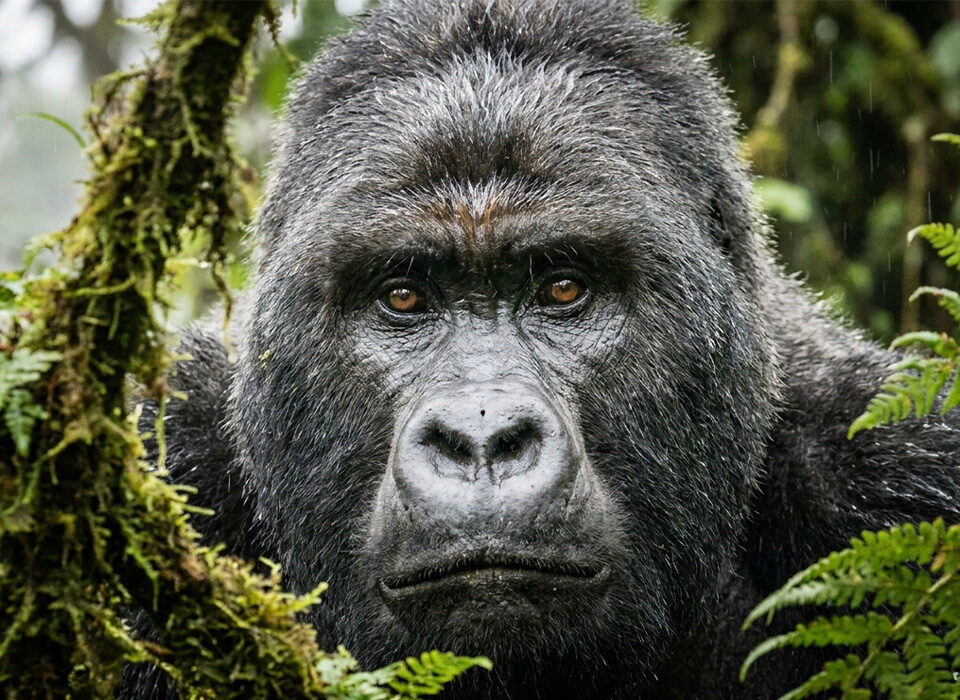
For travelers, the experience offers an opportunity to observe mountain gorillas in a respectful and controlled setting while learning more about their behavior, habitat, and conservation.
Plan Your Gorilla Trekking Experience
A successful gorilla trek begins long before you enter the forest. Securing the correct permit, choosing the right trekking sector, preparing physically, packing appropriate clothing, and understanding the trekking guidelines can all make your experience smoother.
Gorilla Vista Safaris can assist with planning your gorilla trekking adventure in Uganda or Rwanda, including transportation, accommodation, permits, and other safari arrangements.
Whether you are visiting Bwindi, Mgahinga, or Volcanoes National Park, understanding the trekking process beforehand allows you to approach the experience with greater confidence and appreciation. Once you step into the forest, all that remains is to follow your guides, enjoy the journey, and experience the remarkable world of mountain gorillas.




1 Comment
[…] a gorilla trekking experience, you may find a family feeding quietly beneath the forest canopy. The silverback might be resting […]