- DIRECT CONTACTS:
- +256 779 116 947
- +256 758 566 300
- info@gorillavistasafaris.com

Frequently Asked Questions About Chimpanzee Trekking Experiences

Introduction to Chimpanzee Trekking Experiences
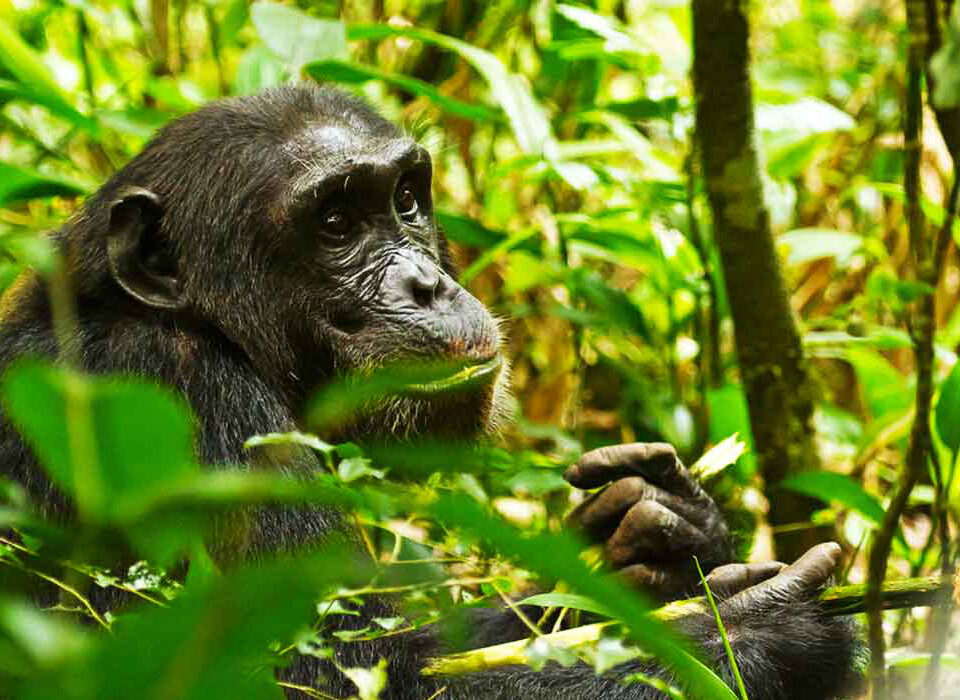
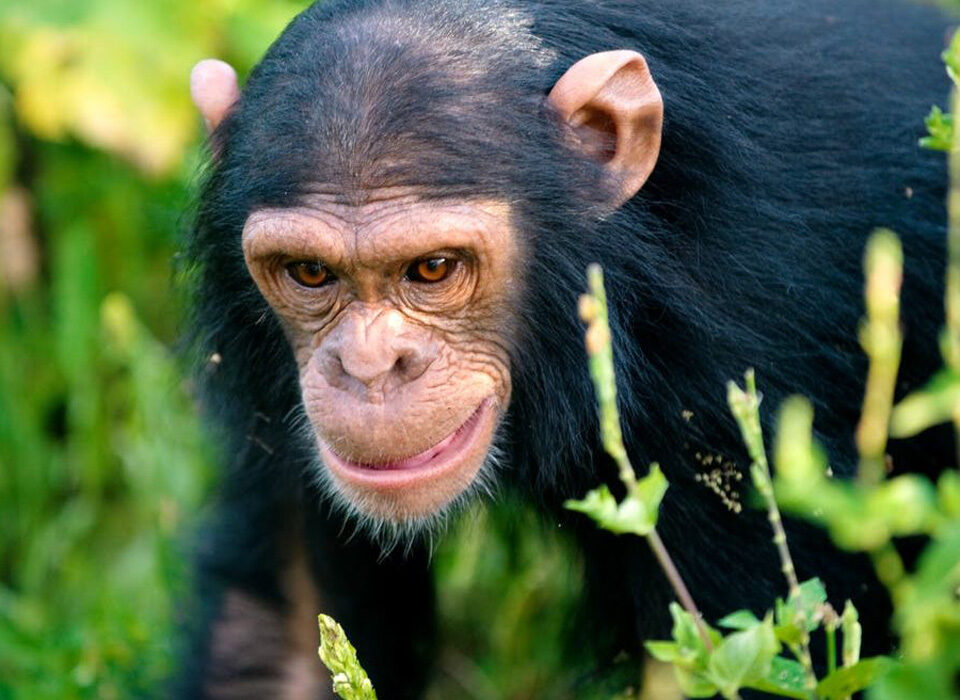
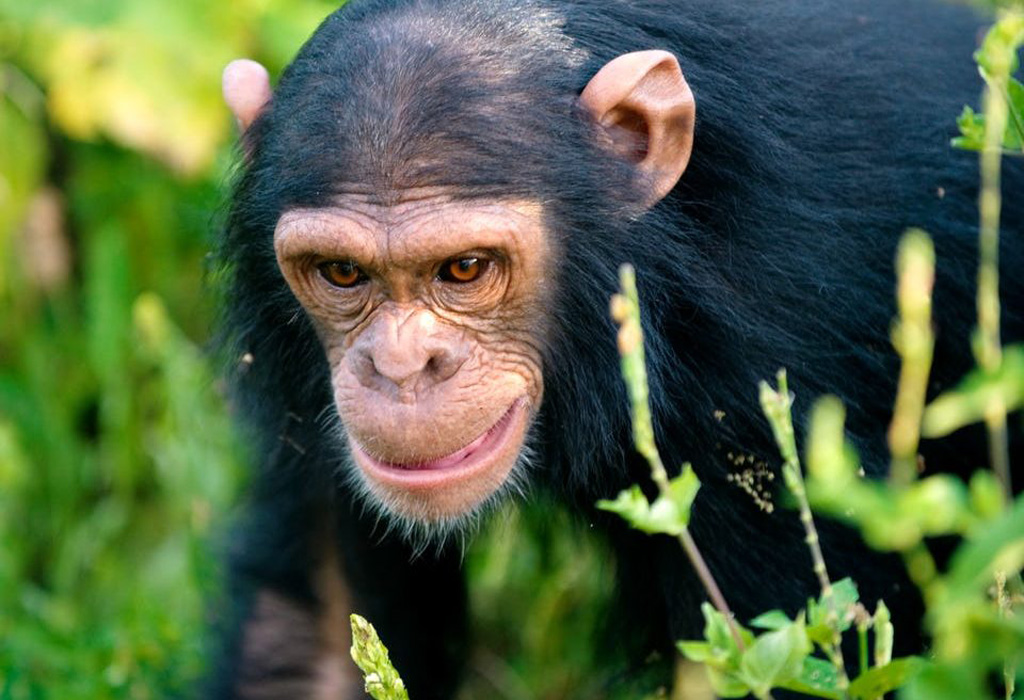
Chimpanzee trekking experiences are among the most exciting wildlife adventures in East Africa. Similar to mountain gorilla trekking, this activity allows visitors to explore tropical rainforests, observe fascinating primates in their natural habitats, and learn about their behaviour from experienced guides. However, chimpanzee trekking offers a different experience because chimpanzees are highly active, vocal, and constantly moving through the forest.
Uganda, Rwanda, Tanzania, and the Democratic Republic of Congo (DRC) are among the best destinations for travellers interested in seeing wild chimpanzees. Each destination offers unique opportunities to explore forest ecosystems, discover other wildlife, and enjoy guided nature walks.
Although chimpanzee trekking and mountain gorilla trekking share some similarities, they differ in several important ways, including trekking locations, permit requirements, encounter durations, and animal behaviour. Therefore, travellers planning a primate safari often have questions about the experience, the best time to visit, the cost, and the requirements for participating.
In this guide, Gorilla Vista Safaris answers frequently asked questions about chimpanzee trekking experiences in East Africa to help you plan a rewarding and memorable wildlife adventure.
1. Can I Combine Chimpanzee Trekking and Mountain Gorilla Trekking on One Safari?
Yes, you can combine chimpanzee trekking and mountain gorilla trekking on the same East African safari. In fact, combining these activities is an excellent way to experience two of Africa’s most remarkable primate encounters during one trip.
However, you generally cannot see wild chimpanzees and mountain gorillas in the same forest habitat. Although both species inhabit tropical forests, they occupy different ecological environments and are protected in different locations.
For example, in Uganda, you can track chimpanzees in Kibale National Park and then travel to Bwindi Impenetrable National Park for mountain gorilla trekking. Alternatively, you can combine chimpanzee trekking in Kibale with gorilla trekking in Mgahinga Gorilla National Park.
When planning your itinerary, consider the travel time between destinations, accommodation arrangements, permit availability, and the number of days you have available.
Popular combinations include:
- Chimpanzee trekking in Kibale National Park and gorilla trekking in Bwindi Impenetrable National Park.
- Chimpanzee trekking in Uganda’s Kibale Forest and gorilla trekking in Mgahinga Gorilla National Park.
- Chimpanzee trekking in Nyungwe National Park and gorilla trekking in Volcanoes National Park in Rwanda.
With proper planning, Gorilla Vista Safaris can help you organise a safari that combines these unforgettable primate experiences.
2. Which East African Countries Offer Chimpanzee Trekking?
Several East African countries offer opportunities to observe chimpanzees in their natural habitats. Uganda, Rwanda, and Tanzania are particularly well known for chimpanzee trekking, while the Democratic Republic of Congo also offers opportunities to encounter wild chimpanzees in suitable locations.
Uganda is especially popular because of its diverse primate populations and established chimpanzee trekking destinations.
Some of the leading destinations include:
- Kibale National Park, Uganda: Famous for its rich primate diversity and well-established chimpanzee trekking experiences.
- Budongo Forest, Uganda: Offers guided chimpanzee tracking within a forest ecosystem associated with the greater Murchison Falls conservation landscape.
- Kyambura Gorge, Uganda: Located in Queen Elizabeth National Park, this dramatic forested gorge offers opportunities to track chimpanzees.
- Nyungwe National Park, Rwanda: A renowned rainforest destination for chimpanzee trekking, birdwatching, and forest hiking.
- Gombe Stream National Park, Tanzania: Famous for its chimpanzee research history and forest trekking experiences.
- Mahale Mountains National Park, Tanzania: Offers opportunities to observe chimpanzees in a remote wilderness setting along Lake Tanganyika.
The best destination depends on your travel plans, budget, preferred activities, and the type of forest experience you want.
3. Can I Use a Mountain Gorilla Trekking Permit for Chimpanzee Trekking?
No. Mountain gorilla trekking permits and chimpanzee trekking permits are separate and cannot be used interchangeably.
Although both activities involve guided walks through protected forests to observe primates, each requires its own permit. The permits help wildlife authorities regulate visitor numbers, protect animals from disturbance, and support conservation activities.
For example, if you plan to track chimpanzees in Kibale National Park and mountain gorillas in Bwindi Impenetrable National Park, you must obtain a chimpanzee trekking permit and a separate gorilla trekking permit.
It is advisable to arrange both permits well in advance, particularly during busy travel periods when demand can be high.
Before confirming your safari, check the current permit requirements, prices, and availability with the relevant wildlife authority or a reputable tour operator such as Gorilla Vista Safaris.
4. When Is the Best Time for Chimpanzee Trekking in East Africa?
Chimpanzee trekking is available throughout the year in many East African destinations. However, weather conditions can influence the difficulty of forest walks, the condition of trails, and the overall trekking experience.
The drier periods are generally preferred because forest trails are often less muddy and easier to navigate. These conditions can make walking more comfortable, particularly for visitors unfamiliar with tropical rainforest terrain.
Nevertheless, the rainy seasons also have their advantages. Forests become greener, the scenery is particularly beautiful, and there may be fewer visitors at some destinations. Chimpanzees remain in their natural habitats throughout the year, although their movements and feeding patterns can vary.
When choosing your travel dates, consider the following:
- Dry seasons: Often offer more manageable walking conditions.
- Rainy seasons: May bring slippery trails and wetter conditions, so appropriate footwear and rain protection are important.
- Year-round availability: Trekking schedules depend on the destination, park regulations, and permit arrangements.
Ultimately, the best time for chimpanzee trekking depends on your priorities. If comfortable walking conditions are your main concern, consider travelling during a relatively dry period.
5. What Is the Minimum Age for Chimpanzee Trekking?
The minimum age for chimpanzee trekking depends on the destination and the applicable wildlife authority’s regulations.
In Uganda, the commonly applied minimum age for chimpanzee trekking is 12 years, although visitors should confirm the current rules with the relevant authority before booking. Mountain gorilla trekking in Uganda and Rwanda generally has a minimum age of 15 years.
These age requirements are important because trekking involves walking through natural forest environments, following wildlife guides, and observing animals under strict safety rules.
Families travelling with children should confirm the age restrictions for their chosen destination before arranging permits or accommodation.
If you are planning a family safari, Gorilla Vista Safaris can help you identify suitable wildlife activities based on your itinerary and the applicable park regulations.
6. Are Chimpanzee Trekking Rules Similar to Mountain Gorilla Trekking Rules?
Yes. Chimpanzee trekking and mountain gorilla trekking share several important conservation and visitor-safety rules. Both activities involve observing wild primates in protected habitats, so visitors must follow their guides’ instructions and avoid disturbing the animals.
However, the exact rules can differ between destinations and species. Chimpanzees are highly active and may move quickly through the forest, making it particularly important to listen carefully to your guide.
Common guidelines include:
- Follow your guide’s instructions throughout the trek.
- Maintain the minimum distance required by the relevant park authorities.
- Never feed, touch, chase, or provoke the chimpanzees.
- Avoid eating or drinking near the animals when prohibited by park regulations.
- Do not smoke during the encounter.
- Never use flash photography.
- Keep noise to a minimum and avoid sudden movements.
- Do not visit the chimpanzees if you have symptoms of a potentially contagious illness.
- Dispose of rubbish responsibly and leave the forest undisturbed.
Some rules differ depending on the location and the latest conservation guidelines. Therefore, always follow the instructions provided during your briefing rather than relying on general information alone.
These precautions protect both visitors and chimpanzees while helping ensure that future generations can enjoy responsible wildlife encounters.
7. How Much Does Chimpanzee Trekking Cost in East Africa?
The cost of chimpanzee trekking varies according to the destination, permit category, nationality or residency status where applicable, and the type of experience offered.
It is important to distinguish between the chimpanzee trekking permit and the total cost of a safari. A permit covers the regulated trekking activity, while the overall safari budget may also include transportation, accommodation, meals, guide services, park fees, and other excursions.
Some destinations offer standard chimpanzee tracking, while others provide habituation experiences that allow visitors to spend additional time observing chimpanzees under specialised arrangements.
When budgeting for chimpanzee trekking, consider these expenses:
- Chimpanzee trekking permits.
- Transport to and from the national park.
- Accommodation near the trekking destination.
- Meals and drinking water.
- Guide services and other applicable park charges.
- Optional activities such as birdwatching and guided nature walks.
Permit prices can change, so avoid relying on outdated figures when planning your trip. Check the current rates with the relevant wildlife authority or your tour operator.
Gorilla Vista Safaris can help you compare suitable destinations and prepare an itinerary that reflects your budget and travel preferences.
8. Can I Participate in Other Activities During a Chimpanzee Trekking Safari?
Absolutely. Chimpanzee trekking can form part of a wider wildlife and nature safari, allowing you to explore more than just the forest’s primates.
East Africa’s protected areas offer diverse experiences, from birdwatching and waterfall visits to cultural encounters and scenic nature walks. Adding these activities can make your safari more varied and rewarding.
Depending on your destination, you may enjoy:
- Birdwatching: Discover forest birds, including species that are difficult to find outside their natural habitats.
- Guided nature walks: Learn about forest plants, insects, animal tracks, and ecological relationships.
- Butterfly watching: Observe the colourful butterflies that thrive in tropical forests.
- Forest hiking: Explore designated trails while enjoying the scenery and learning about local biodiversity.
- Wildlife safaris: Combine forest experiences with game drives in nearby savannah parks.
- Cultural experiences: Learn about the traditions, livelihoods, and heritage of communities surrounding protected areas.
For instance, a Uganda safari could combine chimpanzee trekking in Kibale National Park with wildlife viewing in Queen Elizabeth National Park and mountain gorilla trekking in Bwindi.
When combining activities, allow enough time for travel and rest so that your itinerary remains enjoyable rather than rushed.
9. How Long Does a Chimpanzee Trekking Experience Take?
The duration of chimpanzee trekking depends on the destination, the location of the chimpanzees, forest conditions, and their movements on the day of your visit.
Unlike a fixed-duration guided tour, chimpanzee trekking involves searching for wild animals in their natural environment. Consequently, the time required to locate a chimpanzee community can vary considerably.
The experience generally involves three stages:
The pre-trek briefing: Before entering the forest, guides explain the rules, safety precautions, and procedures for observing chimpanzees.
The forest trek: Visitors follow experienced guides along forest trails while searching for chimpanzees. The walk may be relatively short or take several hours, depending on where the animals are located.
The chimpanzee encounter: Once the chimpanzees are located, visitors are allowed to observe them for the period authorised by the relevant park regulations and permit type.
Standard chimpanzee trekking commonly allows approximately one hour with the chimpanzees after they are located. Chimpanzee habituation experiences may follow different schedules and allow longer observation periods under specialised arrangements.
Remember that the total excursion can take several hours, so plan your day accordingly. Carry suitable walking shoes, drinking water where permitted, and rain protection.
10. Do I Need Physical Training Before Going Chimpanzee Trekking?
Most visitors do not need specialised athletic training before participating in chimpanzee trekking. However, a reasonable level of general fitness can make the experience more comfortable.
Chimpanzees move through forests in search of food, and visitors must follow them along natural trails. Depending on the terrain and the location of the animals, you may encounter uneven ground, tree roots, muddy sections, and occasional slopes.
Although some treks are relatively manageable, others require several hours of walking. Therefore, do not assume that every chimpanzee trekking experience takes place on flat ground.
To prepare for your trek:
- Take regular walks before travelling to improve your walking endurance.
- Wear comfortable, sturdy hiking boots with good grip.
- Carry a lightweight rain jacket.
- Follow your guide’s advice about the terrain and walking pace.
- Inform your guide if you need a short break.
- Choose an itinerary that suits your comfort level and physical abilities.
You do not need to be an experienced hiker to enjoy chimpanzee trekking. With sensible preparation and the right expectations, many travellers can enjoy this remarkable wildlife experience.
11. What Should I Pack for Chimpanzee Trekking?
Packing appropriately can make a significant difference to your comfort during a forest trek. Tropical rainforests can be humid, and rain may occur even during periods that are generally considered dry.
Your packing list should include practical items that protect you from wet conditions and help you navigate uneven trails.
Essential items include:
- Sturdy hiking boots with good traction.
- Lightweight, comfortable clothing suitable for forest conditions.
- A waterproof jacket or rain poncho.
- Long trousers and long-sleeved shirts.
- Drinking water, following park guidance.
- A small backpack for personal belongings.
- Binoculars for birdwatching and other wildlife observations.
- A camera without flash.
- Insect repellent suitable for your destination.
- Personal medication and any necessary travel supplies.
Depending on the forest and weather conditions, gardening gloves or lightweight trekking gloves may also be useful for protecting your hands when moving through vegetation, provided their use follows the guide’s instructions.
Avoid carrying unnecessary items that could make walking more difficult. Your guide can advise you about destination-specific requirements before the trek begins.
12. Is Chimpanzee Trekking Safe for Visitors?
Chimpanzee trekking is a regulated wildlife activity, but it takes place in the natural habitat of wild animals. Consequently, visitors should never treat chimpanzees as domesticated or harmless simply because they are accustomed to seeing people.
Following park regulations and listening to experienced guides significantly improves visitor safety. Guides understand the forest environment and help visitors maintain appropriate behaviour around the chimpanzees.
For a safer experience, remain with your group, keep the required distance, avoid sudden movements, and never attempt to approach or touch a chimpanzee.
Visitors who feel unwell should inform their tour operator or park authorities before the trek. Respiratory infections and other contagious illnesses can pose risks to great apes, so health restrictions are an important part of responsible primate tourism.
With proper preparation and respect for wildlife regulations, chimpanzee trekking can be a rewarding way to learn about these intelligent animals while supporting conservation.
13. Why Choose Gorilla Vista Safaris for Chimpanzee Trekking in East Africa?
Planning a successful chimpanzee trekking safari involves more than choosing a national park. You must also consider permits, transport, accommodation, trekking schedules, and the activities you want to experience during your visit.
Gorilla Vista Safaris can help travellers organise itineraries that combine chimpanzee trekking with other East African wildlife experiences, depending on their interests, travel dates, and budget.
Whether you want to explore Kibale National Park in Uganda, discover the rainforests of Nyungwe in Rwanda, or combine chimpanzee tracking with a mountain gorilla trekking adventure, careful planning helps make your journey smoother.
When arranging your safari, consider the following:
- Your preferred chimpanzee trekking destination.
- The availability and cost of permits.
- The number of days available for your trip.
- Your preferred accommodation category.
- Whether you want to include gorilla trekking or wildlife game drives.
- Your transport requirements and overall budget.
A well-planned itinerary allows you to experience East Africa’s remarkable primate diversity without unnecessary travel pressure.
Conclusion: Plan Your Chimpanzee Trekking Experience in East Africa
Chimpanzee trekking experiences offer an exciting opportunity to explore tropical rainforests, observe wild primates, and discover the remarkable biodiversity of East Africa. From the rich forests of Kibale National Park in Uganda to Nyungwe National Park in Rwanda and the chimpanzee habitats of Tanzania, each destination provides a distinctive wildlife experience.
Understanding the permit requirements, age restrictions, trekking conditions, safety rules, and seasonal differences will help you prepare for your journey. Moreover, combining chimpanzee trekking with mountain gorilla trekking, birdwatching, or wildlife safaris can make your East African adventure even more rewarding.
With appropriate preparation and responsible wildlife practices, you can enjoy a memorable encounter while contributing to the conservation of these fascinating primates.
Contact Gorilla Vista Safaris to start planning your chimpanzee trekking safari in East Africa. Choose your preferred destination, explore available activities, and prepare for an unforgettable journey into the world of wild chimpanzees.
Frequently Asked Questions About Chimpanzee Trekking Experiences
1. Where is the best place for chimpanzee trekking in East Africa?
Kibale National Park in Uganda is one of the region’s leading chimpanzee trekking destinations. Other options include Budongo Forest and Kyambura Gorge in Uganda, Nyungwe National Park in Rwanda, and Gombe Stream and Mahale Mountains national parks in Tanzania.
2. How long can I spend with chimpanzees?
Standard chimpanzee trekking generally allows approximately one hour with the chimpanzees after they are located. Habituation experiences may allow longer observation periods under specific conditions.
3. Can I combine chimpanzee trekking with gorilla trekking?
Yes. You can combine both activities in Uganda or Rwanda, provided you obtain the appropriate permits and allow enough time to travel between the trekking destinations.
4. What is the minimum age for chimpanzee trekking in Uganda?
The commonly applied minimum age in Uganda is 12 years. However, visitors should confirm the current age restrictions with the relevant wildlife authority before booking.
5. Is chimpanzee trekking available throughout the year?
Yes, many destinations offer chimpanzee trekking throughout the year. Drier periods generally provide more manageable trail conditions, while rainy periods can bring muddy trails and greener scenery.
6. Do I need a permit for chimpanzee trekking?
Yes. Visitors generally need a valid chimpanzee trekking permit issued through the relevant authority or authorised booking arrangements. The permit is separate from a mountain gorilla trekking permit.
7. What should I wear for chimpanzee trekking?
Wear sturdy hiking boots, long trousers, long-sleeved clothing, and a waterproof jacket. These items help protect you from wet conditions, insects, and vegetation while walking through the forest.
8. Is chimpanzee trekking physically demanding?
The difficulty varies by destination and the location of the chimpanzees. Some treks are manageable, while others involve several hours of walking on uneven or muddy trails. General walking fitness is helpful.
9. Can I take photographs during chimpanzee trekking?
Yes, photography is generally permitted, but you must follow park rules. Never use flash, approach chimpanzees for a photograph, or interfere with their natural behaviour.
10. How can I book a chimpanzee trekking safari?
You can arrange your safari through the relevant wildlife authority or a reputable tour operator. Gorilla Vista Safaris can help you plan an itinerary based on your preferred destination, travel dates, budget, and interest in other wildlife experiences.