- DIRECT CONTACTS:
- +256 779 116 947
- +256 758 566 300
- info@gorillavistasafaris.com
What Is the Cost of a Gorilla Permit in Uganda?
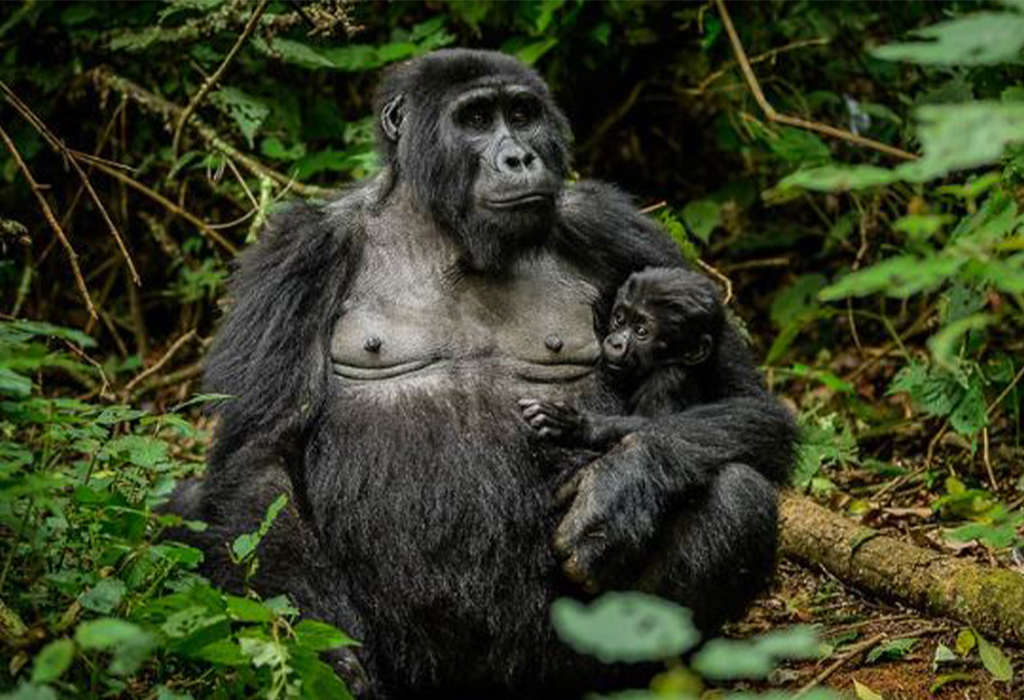
The cost of a gorilla permit in Uganda is one of the most important considerations when planning a mountain gorilla trekking safari. Uganda offers travelers the opportunity to encounter endangered mountain gorillas in their natural habitat, particularly in Bwindi Impenetrable National Park and Mgahinga Gorilla National Park. These protected areas lie in southwestern Uganda and attract wildlife enthusiasts, photographers, nature lovers, and adventure travelers from around the world.
The Uganda Wildlife Authority (UWA) manages gorilla trekking permits and regulates access to habituated gorilla families. A standard permit allows an eligible visitor aged 15 or older to participate in a guided trek and spend one hour observing a gorilla family after locating it. However, the price depends on the visitor’s residency or nationality category. Therefore, understanding the applicable rates, booking requirements, and additional safari expenses will help you plan your trip more effectively.
How Much Does a Gorilla Permit Cost in Uganda?
The cost of a gorilla trekking permit in Uganda varies according to the visitor category. Under the Uganda Wildlife Authority’s 2024–2026 tariff, the standard permit prices are as follows. Travelers planning trips after this tariff period should confirm the applicable rates directly with UWA or their tour operator before making payment.
| Visitor category | Standard gorilla trekking permit |
| Foreign non-residents | US$800 per person |
| Foreign residents | US$700 per person |
| Citizens of other African countries | US$500 per person |
| East African Community citizens | UGX 300,000 per person |
These rates apply to gorilla tracking in both Bwindi Impenetrable National Park and Mgahinga Gorilla National Park. The permit price includes the park guide fee, park entrance fees for the tracking day, and a community development contribution. https://ugandawildlife.org/wp-content/uploads/2024/03/UWA-Conservation-Tariff-July-2024-June-2026.pdf
It is important to distinguish the permit fee from the total cost of a gorilla trekking safari. Travelers may also need to budget for accommodation, meals, transport, airport transfers, and other activities. Consequently, the final safari price depends on the traveler’s preferred accommodation, itinerary, group size, and travel dates.
Gorilla Habituation Permit Costs in Uganda
Besides standard gorilla trekking, Uganda offers a gorilla habituation experience in Bwindi Impenetrable National Park. This activity allows visitors to spend up to four hours with a gorilla group undergoing habituation, subject to park regulations and the group’s location.
Under the 2024–2026 tariff, the habituation permit costs US$1,500 for foreign non-residents, US$1,000 for foreign residents, US$1,000 for citizens of other African countries, and UGX 750,000 for East African Community citizens. Since permit tariffs can change, confirm the rate applicable to your travel date before booking.
Gorilla habituation suits travelers who want a longer wildlife experience and have more time to explore Bwindi. Nevertheless, it differs from standard trekking in its purpose, duration, availability, and price. Your choice should depend on your interests, schedule, and budget.
Where Can You Go Gorilla Trekking in Uganda?
Uganda has two national parks where visitors can track mountain gorillas: Bwindi Impenetrable National Park and Mgahinga Gorilla National Park.
Bwindi Impenetrable National Park
Bwindi is one of Africa’s most important mountain gorilla conservation areas. Its ancient rainforest supports numerous gorilla families, along with other primates, birds, butterflies, and forest wildlife. The park has several trekking sectors, including Buhoma, Ruhija, Rushaga, and Nkuringo.
Each sector offers access to designated gorilla groups, and permit availability depends on the requested date and location. Choosing a trekking sector that matches your accommodation and travel itinerary can help reduce unnecessary driving. Bwindi is also a suitable destination for travelers interested in combining gorilla trekking with birdwatching, guided nature walks, and community visits.
Mgahinga Gorilla National Park
Mgahinga Gorilla National Park lies within the Virunga volcanic landscape in southwestern Uganda. Although smaller than Bwindi, the park offers a distinctive setting of forested volcanic slopes, bamboo vegetation, and mountain scenery. Visitors can track habituated mountain gorillas while enjoying the park’s wider natural attractions.
Both parks use the same standard gorilla permit rates under the applicable UWA tariff. Therefore, the main differences when choosing between them include permit availability, the trekking sector, accommodation options, accessibility, and the wider activities you wish to include in your safari.
How to Book a Gorilla Permit in Uganda
Booking your permit early is essential because UWA limits the number of visitors who can track each habituated gorilla family. Gorilla Vista Safaris can assist travelers with checking availability, arranging permits, and organizing the wider safari itinerary.
First, select your preferred travel dates and decide whether you want to visit Bwindi or Mgahinga. Next, share your travel dates, visitor category, and preferred destination with Gorilla Vista Safaris so the team can check availability for the requested trekking day.
Once availability has been confirmed, ask for a clear quotation and the payment terms. Follow the agreed booking procedure and request written confirmation of the permit arrangements. Keep your booking documents safe and verify that the permit details match your name, travel date, and intended trekking location.
Before paying, confirm the current permit price, cancellation conditions, and any applicable booking charges. Because permits are date-specific and availability can change quickly, avoid making non-refundable travel arrangements until you understand the relevant booking conditions.
When Should You Book a Gorilla Permit?
For the best chance of securing your preferred trekking date, consider booking three to six months in advance. Early reservations are especially useful during the busiest travel periods, when accommodation and gorilla permits can become limited.
Uganda’s main peak travel periods generally include June through September and December through February. These months attract visitors who prefer relatively drier conditions for trekking and traveling between destinations.
However, you can also plan a safari during the wetter months. The forest remains beautiful throughout the year, although rainfall can make trails slippery and increase the physical demands of trekking. Whatever season you choose, confirm permit availability before finalizing your itinerary.
What Does a Gorilla Trekking Permit Include?
A standard gorilla trekking permit covers several essential elements of the experience. These include the authorized trek, a designated park guide, park entrance fees for the tracking day, and the applicable community development contribution. It also authorizes the holder to spend one hour observing the assigned gorilla family once the group has been located.
However, the permit does not automatically cover accommodation, meals, private transportation, flights, travel insurance, porter services, or additional safari activities. Travelers should therefore request an itemized quotation to understand which services their package includes.
Gorilla trekking also follows strict conservation rules. Visitors must follow their guide’s instructions, maintain the required distance from gorillas, avoid touching the animals, and comply with health and hygiene guidance. These measures help protect both visitors and gorillas.
What to Expect During a Gorilla Trekking Experience
Your gorilla trekking adventure normally begins early in the morning at the designated park headquarters. Rangers brief participants about safety, conservation, and responsible wildlife viewing before assigning groups to available gorilla families.
Visitors then enter the forest with trained guides and rangers. The trek may take a few hours or considerably longer, depending on the gorillas’ movements, the terrain, and weather conditions. Although guides use their knowledge of the forest and gorilla movements to locate the groups, sightings cannot be guaranteed at a particular time.
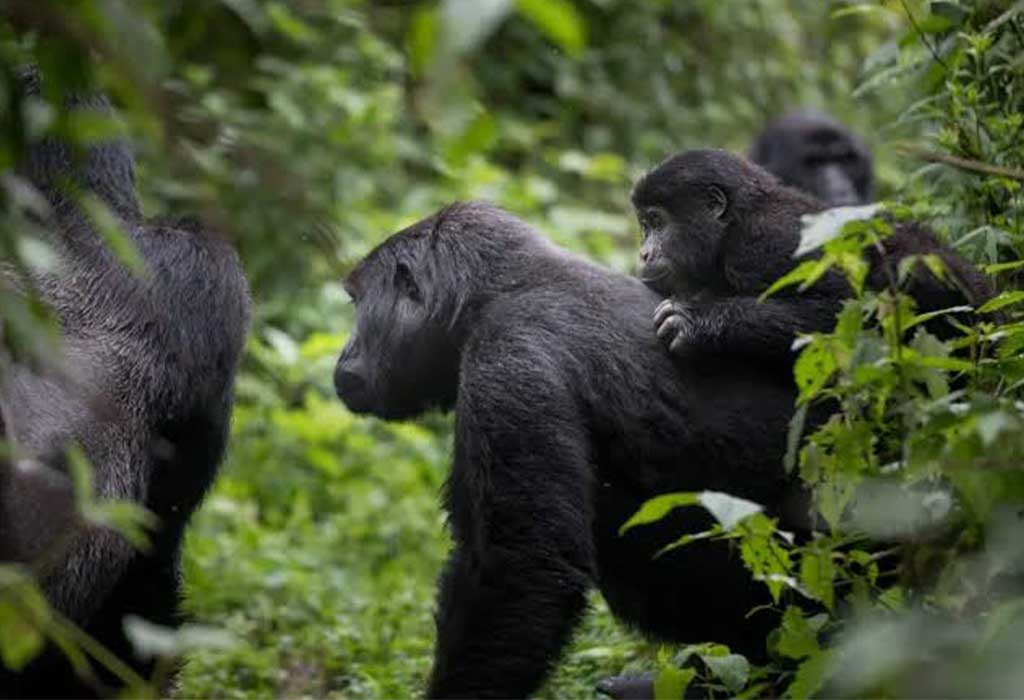
Once you find your assigned gorilla family, you can observe the animals for the authorized one-hour period. You may see adults feeding, juveniles playing, or family members resting and interacting naturally. The experience also provides opportunities to appreciate the rainforest’s plant life, birds, and other wildlife.
Because forest trails can be steep, muddy, and uneven, wear suitable hiking boots and bring drinking water, rain protection, and other recommended essentials. A reasonable level of physical preparation will also make the experience more comfortable.
How Gorilla Tourism Benefits Local Communities
Gorilla tourism contributes to conservation and supports livelihoods in communities surrounding Uganda’s protected areas. Permit revenue helps fund wildlife management, while tourism businesses create opportunities in guiding, transport, accommodation, food services, and handicrafts.
Community tourism initiatives can also give visitors opportunities to learn about local cultures and conservation challenges. Around Bwindi, for example, Batwa community experiences can provide insight into Batwa history, cultural traditions, and relationships with the forest. Visitors should choose respectful, community-led experiences that allow local people to share their knowledge on their own terms.
By booking responsibly and following park rules, travelers help support an approach to tourism that values wildlife protection and community participation.
Plan Your Gorilla Trekking Safari with Gorilla Vista Safaris
Understanding the cost of a gorilla permit in Uganda is the first step toward organizing a memorable wildlife adventure. Whether you choose Bwindi Impenetrable National Park or Mgahinga Gorilla National Park, early planning can help you secure a suitable trekking date and coordinate accommodation, transportation, and other activities.
Gorilla Vista Safaris can help you plan your itinerary, check permit availability, and understand the costs involved before you travel. Contact the team with your preferred dates, destination, and visitor category to begin planning your Ugandan gorilla trekking safari.
With the right preparation, you can enjoy a rewarding encounter with mountain gorillas while contributing to conservation and responsible tourism in Uganda.