- DIRECT CONTACTS:
- +256 779 116 947
- +256 758 566 300
- info@gorillavistasafaris.com

Ultimate Uganda Wildlife Safari Guide
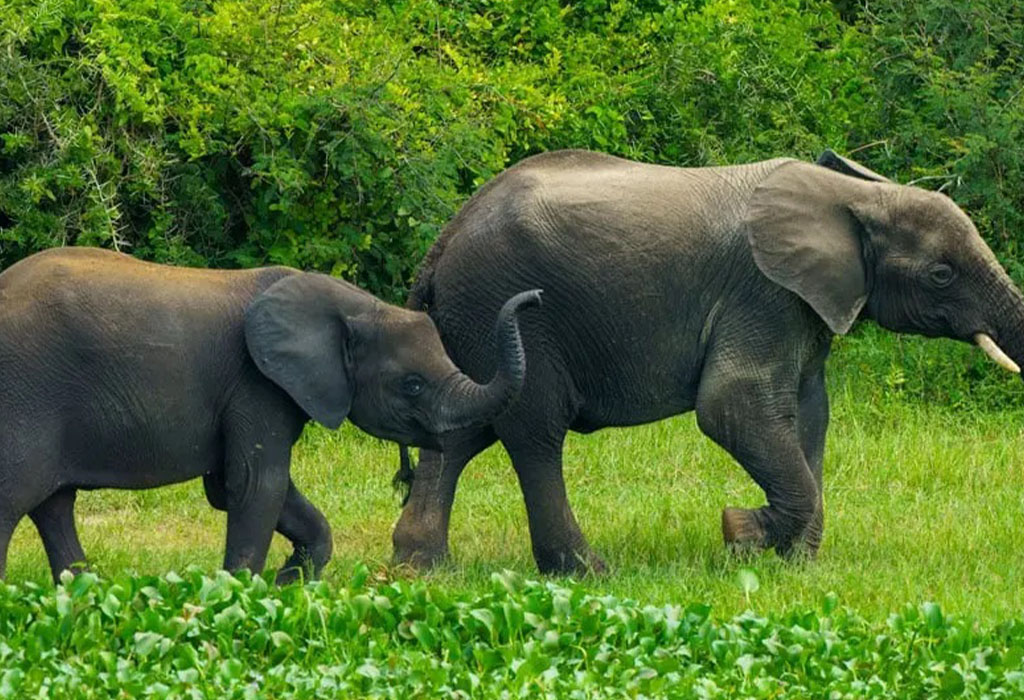
A Uganda wildlife safari brings together an impressive mix of landscapes, wildlife, primates, and cultural experiences within one destination. From the open savannas of Murchison Falls and Queen Elizabeth national parks to the remote wilderness of Kidepo Valley, Uganda offers a safari experience that feels diverse and personal.
The country is also home to mountain gorillas, chimpanzees, tree-climbing lions, elephants, hippos, giraffes, and the rare shoebill stork. Beyond wildlife, travelers can explore tropical forests, volcanic mountains, crater lakes, and the mighty River Nile.
Whether you are planning your first African safari or returning for a deeper experience, this guide explains the best places to visit, the wildlife you can see, the ideal time to travel, expected costs, suggested itineraries, and what to pack.
Why Choose Uganda for a Wildlife Safari?
Mountain gorilla trekking remains one of Uganda’s biggest attractions. Bwindi Impenetrable National Park and Mgahinga Gorilla National Park protect mountain gorillas in their natural forest habitat, giving visitors the opportunity to observe habituated gorilla families under the guidance of trained rangers.
However, a Uganda wildlife safari offers much more than gorilla trekking. Within one trip, you can track chimpanzees in Kibale Forest, watch elephants and lions on the savanna, cruise along the Kazinga Channel, search for the shoebill in wetlands, and explore the dramatic landscapes of Kidepo Valley.
Uganda also stands out because of its ecological diversity. Savanna grasslands, tropical rainforests, wetlands, lakes, mountains, and rivers create habitats for a remarkable variety of species.
Another advantage is the relatively relaxed atmosphere in many of Uganda’s protected areas. Compared with some of East Africa’s busiest safari destinations, several Ugandan parks experience fewer visitors, allowing travelers to enjoy wildlife encounters without constantly sharing sightings with large numbers of vehicles.
Best Destinations for a Uganda Wildlife Safari
Murchison Falls National Park
Murchison Falls National Park is Uganda’s largest national park and one of the country’s leading destinations for savanna wildlife. Located in northwestern Uganda, the park is divided by the Victoria Nile, which creates an impressive combination of riverine and savanna habitats.
Game drives can produce sightings of elephants, lions, leopards, buffaloes, giraffes, Uganda kob, hartebeests, and other wildlife. The Nile also supports large populations of hippos and crocodiles.
One of the highlights is a boat cruise from Paraa toward the base of Murchison Falls. As the boat moves along the river, visitors can watch hippos resting in the water, crocodiles along the banks, elephants approaching the river to drink, and numerous waterbirds.
The falls themselves provide another memorable sight. Here, the Nile squeezes through a narrow gorge before plunging downstream with considerable force.
Murchison Falls is also an important destination for birdwatchers, particularly those hoping to find the elusive shoebill.
Queen Elizabeth National Park
Queen Elizabeth National Park lies in southwestern Uganda and combines open savanna, woodland, wetlands, lakes, and forested areas. The Rwenzori Mountains provide a spectacular backdrop in some parts of the park.
The park supports elephants, buffaloes, lions, leopards, Uganda kob, hippos, warthogs, and numerous bird species. Its diverse habitats make it one of the most versatile destinations for a Uganda wildlife safari.
The Kazinga Channel is among its major attractions. The waterway connects Lake George and Lake Edward and supports large concentrations of hippos, crocodiles, elephants, buffaloes, and waterbirds. A boat cruise offers excellent opportunities to observe wildlife from the water.
In the southern Ishasha sector, visitors may also encounter the famous tree-climbing lions. These lions are often seen resting in the branches of large fig trees and other suitable trees. Although researchers have proposed several explanations for this behavior, including escaping insects, enjoying cooler breezes, or gaining a better vantage point, there is no single confirmed reason for every sighting.
Queen Elizabeth also provides access to Kyambura Gorge, where visitors can participate in chimpanzee tracking when permits and conditions allow.
Kidepo Valley National Park
For travelers looking for remote landscapes and a quieter safari environment, Kidepo Valley National Park offers a very different experience.
Situated in northeastern Uganda near the borders with South Sudan and Kenya, Kidepo features expansive valleys, rugged mountains, rocky landscapes, and open plains. Its remote location contributes to the sense of wilderness that defines the park.
Wildlife includes lions, elephants, buffaloes, leopards, giraffes, zebras, Uganda kob, hartebeests, and several species that are less commonly encountered elsewhere in Uganda. Depending on the season and location, visitors may also search for cheetahs, ostriches, greater kudu, and other northern species.
Getting to Kidepo usually requires more travel time than reaching Uganda’s southern parks. Nevertheless, the scenery and wildlife make the journey worthwhile for travelers who want to explore one of Uganda’s more isolated safari destinations.
Lake Mburo National Park
Lake Mburo National Park provides a convenient introduction to Uganda’s wildlife, particularly for travelers traveling between Kampala and southwestern Uganda.
Because of its relatively compact size and accessibility, the park works well for shorter safaris and overnight stops. It is also known for offering activities that differ from traditional vehicle-based game drives.
Guided walking safaris allow visitors to explore the landscape on foot while accompanied by trained guides. Cycling experiences and boat trips on Lake Mburo can add even more variety to an itinerary.
The park is home to zebras, impalas, elands, topi, buffaloes, warthogs, hippos, and several bird species. Its combination of wildlife and outdoor activities makes it a useful addition to a longer Uganda safari.
Kibale Forest National Park
Kibale Forest is one of Africa’s most important destinations for primate experiences. The forest supports chimpanzees as well as several monkey species, making it an excellent stop for travelers who want to explore Uganda beyond traditional savanna wildlife.
Chimpanzee tracking is the main attraction. Visitors walk through the forest with experienced trackers and guides while searching for habituated chimpanzee communities.
The forest also supports red colobus monkeys, black-and-white colobus monkeys, red-tailed monkeys, L’Hoest’s monkeys, grey-cheeked mangabeys, and many other forest species.
Birdwatchers can also find plenty to explore, as Kibale’s dense vegetation provides habitat for a wide range of forest birds.
Bwindi Impenetrable and Mgahinga Gorilla National Parks
Bwindi Impenetrable National Park and Mgahinga Gorilla National Park are Uganda’s principal destinations for mountain gorilla trekking.
Bwindi contains several gorilla trekking sectors, while Mgahinga forms part of the larger Virunga landscape shared by Uganda, Rwanda, and the Democratic Republic of the Congo.
Gorilla trekking involves hiking through mountainous forest in search of a habituated gorilla family. Once the group is located, visitors spend a regulated period observing the animals while following instructions from their ranger guides.
Mgahinga also offers golden monkey tracking, while the surrounding Virunga volcanoes provide impressive scenery for travelers interested in mountain landscapes.
Wildlife You Can See on a Uganda Wildlife Safari
Uganda offers an extensive wildlife list, although sightings naturally depend on the park, season, habitat, and time spent searching.
The traditional Big Five include lions, leopards, elephants, buffaloes, and rhinoceros. Lions occur in several Ugandan parks, while leopards are more elusive and usually require patience and careful observation. Elephants and buffaloes occur across several protected areas.
Rhino encounters are possible at Ziwa Rhino Sanctuary, where southern white rhinos are protected through conservation efforts. Travelers can also encounter rhinos in other protected settings depending on current conservation arrangements and access.
Beyond the Big Five, Uganda supports giraffes, hippos, zebras, Uganda kob, waterbucks, elands, topis, warthogs, crocodiles, and numerous antelope species.
Uganda’s Primates
Primates form an important part of Uganda’s wildlife experience. Kibale Forest is particularly famous for chimpanzees, while Kyambura Gorge in Queen Elizabeth National Park also provides chimpanzee tracking opportunities.
Bwindi and Mgahinga are the country’s main destinations for mountain gorilla trekking. Mgahinga additionally provides opportunities to track golden monkeys.
Across Uganda’s forests, visitors can also encounter different colobus and guenon species.
Uganda’s Birdlife
Uganda is also an excellent destination for birdwatching. Its location within the Albertine Rift and at the meeting point of different ecological regions contributes to its impressive bird diversity.
The shoebill is one of the most sought-after species. Other notable birds include the grey crowned crane, African fish eagle, kingfishers, hornbills, turacos, and numerous forest species.
Murchison Falls, Queen Elizabeth, Bwindi, Kibale, Mabamba Swamp, and several other locations provide opportunities for dedicated birdwatching.
Best Time for a Uganda Wildlife Safari
Uganda can be visited throughout the year, although weather conditions can influence road conditions, vegetation, wildlife visibility, and trekking experiences.
The period from June to September is generally favorable for savanna wildlife viewing. With relatively drier conditions, animals may gather around reliable water sources, while some vegetation becomes less dense.
December to February provides another relatively dry period and can also offer good conditions for game viewing. These months can work particularly well for travelers who want to combine wildlife activities with gorilla or chimpanzee trekking.
The wetter periods generally occur from March to May and October to November. During these months, Uganda becomes particularly green, and bird activity can be excellent. Forest trekking continues, although heavy rainfall can make some trails and roads more challenging.
For gorilla trekking, travelers should secure permits well in advance, particularly when traveling during periods of high demand. Gorilla trekking operates throughout the year, subject to park conditions and official regulations.
How Much Does a Uganda Wildlife Safari Cost?
The cost of a Uganda wildlife safari depends on several factors, including the number of days, accommodation category, transportation, activities, number of travelers, and the parks included.
Budget safaris generally use simpler accommodation and shared transport. These trips can reduce overall costs while still providing access to Uganda’s major wildlife destinations.
Mid-range safaris provide a balance between comfort and price. Travelers can expect comfortable lodges or tented camps, private or shared safari vehicles depending on the arrangement, and experienced driver-guides.
Luxury safaris focus on higher-end accommodation, private transportation, personalized services, and carefully designed experiences.
Gorilla trekking can significantly increase the cost of a safari because the permit is a major expense. Travelers should also budget for park entrance fees, accommodation, transportation, meals, guide services, chimpanzee permits where applicable, and additional activities such as boat cruises or cultural experiences.
For an exact quotation, Gorilla Vista Safaris can prepare an itinerary based on your preferred travel dates, group size, accommodation level, and activities.
Sample Uganda Wildlife Safari Itineraries
A three-day safari can focus on Murchison Falls National Park, combining game drives with a Nile boat cruise. This option works well for travelers with limited time.
A five-day itinerary can combine Kibale Forest and Queen Elizabeth National Park. This allows travelers to experience chimpanzee tracking, savanna game drives, and a Kazinga Channel boat cruise.
A seven-day safari can include Murchison Falls, Kibale Forest, and Queen Elizabeth National Park. This route provides a broad introduction to Uganda’s savanna and forest ecosystems.
For a more comprehensive experience, a ten-day itinerary can combine Murchison Falls, Kibale Forest, Queen Elizabeth, and Bwindi. This route introduces travelers to savanna wildlife, chimpanzees, mountain gorillas, and different landscapes.
Travelers with twelve days or more can slow the pace and add additional game drives, birdwatching, walking activities, cultural experiences, or extra nights in selected parks.
What to Pack for a Uganda Wildlife Safari
Pack lightweight, comfortable clothing in neutral colors such as khaki, olive, brown, or tan. Long trousers and long-sleeved shirts are particularly useful during forest activities and cool evenings.
Comfortable walking shoes or hiking boots are important for gorilla and chimpanzee trekking. A waterproof jacket is also useful because rain can occur even during generally dry periods.
A wide-brimmed hat, sunglasses, sunscreen, insect repellent, and a reusable water bottle should also form part of your safari essentials.
If wildlife photography is important to you, carry binoculars and a camera with a suitable telephoto lens. Extra batteries, memory cards, and a power bank are equally useful, especially during longer journeys between parks.
A small daypack makes forest trekking more comfortable because you can carry water, snacks, rain protection, and personal items without taking unnecessary luggage.
Responsible Wildlife Tourism in Uganda
Responsible tourism plays an important role in protecting Uganda’s wildlife and supporting the communities surrounding protected areas.
During game drives, maintain a respectful distance from animals and follow the instructions of your guide and park authorities. Never attempt to feed wildlife, provoke animals, make unnecessary noise, or leave waste behind.
Gorilla and chimpanzee trekking require additional care because humans and great apes can transmit illnesses to one another. Travelers should follow the applicable distance, group, and viewing regulations throughout the experience. If you are unwell before a primate trek, inform your guide so that appropriate guidance can be provided.
Choosing locally owned accommodation, employing local guides, purchasing community-made products, and working with responsible safari operators can also help ensure tourism contributes to surrounding communities.
Frequently Asked Questions About a Uganda Wildlife Safari
Is Uganda good for a wildlife safari?
Yes. Uganda offers a combination of savanna wildlife, primates, mountain gorillas, birds, wetlands, lakes, and forests. Its different ecosystems allow travelers to combine several types of wildlife experiences within one trip.
Can I see the Big Five in Uganda?
Yes, Uganda offers opportunities to see lions, leopards, elephants, buffaloes, and rhinoceros. However, wildlife sightings are never guaranteed, and the chances of seeing particular species vary according to the park, season, habitat, and time spent searching.
How many days do I need for a Uganda safari?
Five to seven days can provide a rewarding introduction to Uganda’s wildlife. However, travelers who want to combine several national parks with chimpanzee tracking or gorilla trekking should consider around ten to twelve days.
Can I combine gorilla trekking with a wildlife safari?
Absolutely. Combining gorilla trekking with traditional game viewing is one of the most popular ways to experience Uganda. An itinerary can connect Queen Elizabeth or Murchison Falls with Bwindi, while Kibale can be added for chimpanzee tracking.
Is Uganda safe for a safari?
Established tourist routes and national parks receive regular visitors, and professional safari operators work with park authorities and local guides to organize trips. Travelers should nevertheless follow current travel advisories, local guidance, and instructions from their safari team throughout their journey.
Plan Your Uganda Wildlife Safari with Gorilla Vista Safaris
A Uganda wildlife safari can take you from open savanna plains to ancient forests, volcanic mountains, wetlands, and the banks of the Nile. More importantly, it allows you to experience Uganda’s wildlife at different levels, from watching elephants and lions on a game drive to following chimpanzees through the forest or spending time with a habituated mountain gorilla family.
Gorilla Vista Safaris organizes tailor-made Uganda safaris, gorilla trekking trips, chimpanzee experiences, birdwatching tours, family holidays, private safaris, and group adventures.
Whether you have a few days or several weeks, the itinerary can be designed around your interests, budget, preferred accommodation, and available travel time.
Start planning your Uganda wildlife safari with Gorilla Vista Safaris and discover the country’s remarkable combination of wildlife, forests, mountains, rivers, and culture.