- DIRECT CONTACTS:
- +256 779 116 947
- +256 758 566 300
- info@gorillavistasafaris.com

Uganda-Overview 1 for amazing trips
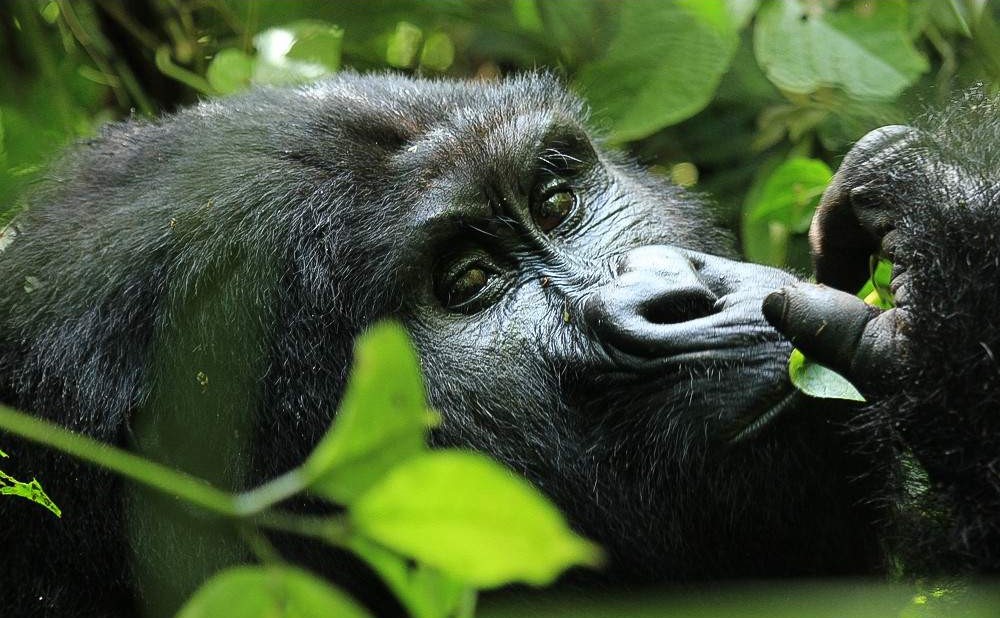
Uganda–Overview 1 travel Destination stands out as one of Africa’s most remarkably diverse wildlife destinations, thanks to its unique blend of ecosystems that include dense tropical forests, expansive savannahs, and life-rich wetlands. This ecological variety supports an extraordinary range of species and places the country among the most biodiverse in the world.
In the mist-covered rainforests of the southwest, visitors can encounter endangered mountain gorillas—over half of the global population resides here—making gorilla trekking one of Uganda’s most iconic wildlife experiences. Nearby forests such as Kibale are home to thriving chimpanzee populations, along with numerous other primates, earning Uganda the title of Africa’s “primate capital.”
Beyond the forests, Uganda–Overview savannah landscapes offer classic safari experiences. National parks like Queen Elizabeth, Murchison Falls, and Kidepo Valley host elephants, lions, leopards, giraffes, buffaloes, and antelopes, providing opportunities to spot the famed Big Five within a relatively compact circuit. In some regions, visitors may even see unique behaviors such as tree-climbing lions.
The country’s waterways and wetlands, fed by major systems like the Nile and Lake Victoria, are equally vibrant. These habitats teem with hippos, Nile crocodiles, and an astonishing diversity of birdlife, contributing to Uganda’s reputation as a premier birdwatching destination.
What truly sets Uganda apart is the ability to experience all these ecosystems—and their wildlife—in one journey. From tracking great apes in ancient forests to cruising along wildlife-filled rivers and exploring open plains, Uganda offers a compact yet comprehensive safari experience unmatched anywhere else in Africa.
Uganda–Overview Pros & Cons
- Home to almost half the world’s Endangered mountain gorillas
- One of Africa’s top chimp trekking destinations
- Possible to combine a classic savannah safari with diverse primate viewing
- Good balance between vehicle, boat and walking activities
- Excellent birding, with more than 1,080 species recorded
- The best place in Africa to see the iconic shoebill
- Scenic beauty includes three of Africa’s eight tallest massifs: Rwenzori, Virunga and Elgon
- Home to Lake Victoria, Africa’s largest lake and the source of the Nile
- Big Five not as easily seen as in some other safari countries
- Relatively long driving times between some parks
Uganda-Overview Wildlife
Elephants, buffaloes, and hippos are abundant across Uganda’s parks and reserves, making them some of the most commonly encountered large mammals. Lions, white rhinos, zebras, and giraffes can also be seen with relative ease in the right habitats and protected areas. Leopards, while widely distributed, tend to be more elusive and sightings are less predictable.
Birdwatching is a major highlight of any visit, with an impressive checklist of over 1,080 species, including many rare forest birds that are difficult to spot elsewhere in Africa. Primate viewing is another exceptional experience, as Uganda is home to both gorillas and chimpanzees, along with roughly a dozen species of monkeys.
Among the antelope, the Uganda kob stands out as a notable endemic species. It is commonly found in many savannah reserves and serves as a key prey animal for lions, making it an important part of the ecosystem.
Things To Do
Uganda–Overview is one of only two places in the world that offers mountain gorilla trekking. It also contains several parks and forest reserves where you can track chimpanzees (humankind’s closest relative) in their natural habitat. Many other activities are available in the savannahs
, forests, mountains and wetlands of Uganda’s parks and reserves. These include guided and unguided game drives
, boat safaris, bird watching, mountain climbs, rhino tracking and walking safaris
Weather & Climate
Uganda’s tropical climate varies slightly between the northern and southern regions of the country. In the north, there is a long, warm Wet season that runs from March to November, followed by a shorter but still warm Dry season from December to February.
In contrast, the south experiences a more divided pattern, with two Dry seasons occurring from June to August and again from December to February. These are separated by two Wet seasons, which take place between March and May and then again from September to November.
Best Time To Visit
The drier months from June to August and December to February are best for wildlife viewing in Uganda. There’s also plentiful sunshine at this time. In the wetter months, there’s the possibility that rain will cut off roads and wash out your primate trekking adventure.
Premier Parks & Reserves
- Bwindi Impenetrable NP – Gorilla trekking
- Queen Elizabeth NP – Boat and classic safaris
- Kibale NP – Chimpanzee trekking
- Murchison Falls NP – Boat and classic safaris
- Kidepo Valley NP – Classic safaris
- Ziwa Rhino and Wildlife Ranch – Rhino trekking on foot
