- DIRECT CONTACTS:
- +256 779 116 947
- +256 758 566 300
- info@gorillavistasafaris.com

Understanding Uganda Gorilla Trekking for Older Travellers
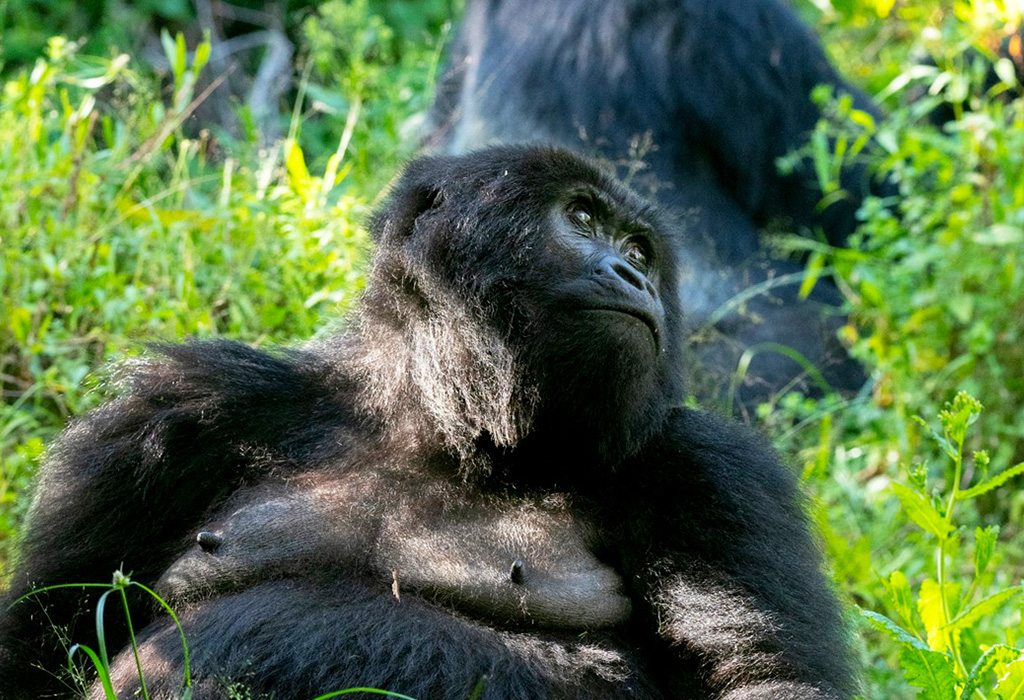
Uganda gorilla trekking for older travellers can be an incredibly rewarding experience, but it requires thoughtful planning. Unlike an ordinary wildlife safari where you can remain in a comfortable vehicle, gorilla trekking takes you into a mountainous forest where walking conditions can change from one day to the next.
Uganda offers gorilla trekking in Bwindi Impenetrable National Park and Mgahinga Gorilla National Park. Both destinations provide opportunities to encounter mountain gorillas in their natural habitat. However, the trek can involve steep slopes, muddy paths, exposed tree roots, dense vegetation, and several hours of walking.
That does not automatically mean older travellers should avoid gorilla trekking. Instead, it means you should honestly assess your mobility, stamina, and health before booking. With the right preparation, suitable accommodation, porter support, and carefully planned transfers, many older visitors can enjoy this remarkable experience comfortably.
How Difficult Is Gorilla Trekking for Older Travellers?
Gorilla trekking requires moderate physical fitness, although the actual difficulty varies considerably. Uganda Wildlife Authority guidance indicates that a trek may take approximately two to seven hours, depending largely on where the gorilla family is located on the day of your visit.
The gorillas move through the forest freely. Therefore, a family that was relatively close to the trailhead on one day may have moved much farther away by the following morning.
For older travellers, the important question is not simply how far you can walk on a normal road. Instead, consider whether you can manage uneven ground, sustained walking, slopes, occasional muddy sections, and a descent after reaching the gorillas.
If you regularly walk on flat surfaces without difficulty, that is encouraging, but forest trekking demands something different. Balance, knee strength, stamina, and confidence on uneven ground can all become important.
What Is the Terrain Like During Uganda Gorilla Trekking?
The terrain forms one of the most important parts of planning Uganda gorilla trekking for older travellers. Bwindi and Mgahinga are mountainous forest environments, so visitors should expect more than a simple nature walk.
You may encounter narrow forest paths, exposed roots, thick vegetation, slippery sections, steep climbs, and muddy ground. Rain can change trail conditions quickly, even during months that are generally considered drier.
The return journey also deserves attention. After spending hours walking toward a gorilla family, your legs may already feel tired. Descending a muddy slope can then become particularly demanding for anyone with knee discomfort, reduced balance, or limited stamina.
Before travelling, think about the following:
- How comfortably can you climb and descend stairs?
- Can you walk continuously for several hours with short breaks?
- Are you comfortable walking on uneven or muddy ground?
- Do you experience knee, hip, ankle, or balance problems?
- Can you manage a moderate climb while carrying a small daypack?
Being honest about these limitations helps Gorilla Vista Safaris plan the experience more responsibly.
Can Older Travellers Request an Easier Gorilla Trek?
Yes, you can explain your physical limitations and request assistance when arranging your gorilla trekking experience. Gorilla Vista Safaris can communicate your requirements to the relevant park team and help you understand the available options.
However, it is important to understand that an easier trek cannot be guaranteed simply because you make a request.
The location of the gorilla family, permit availability, park procedures, and conditions on the ground all influence the experience. For this reason, avoid booking a particular sector based solely on someone describing it as “easy.”
Every gorilla trekking sector can involve challenging terrain. Conditions can also change between different gorilla families and from one day to another.
During the morning briefing, clearly remind your guides and park staff about any mobility concerns. This allows the team to understand what kind of support you may need before entering the forest.
How Porters Help Older Travellers
Hiring a porter is one of the most practical ways to make gorilla trekking for seniors in Uganda more manageable. A porter can carry your daypack, water, lunch, rain jacket, and other personal belongings.
Reducing the weight on your back can make a noticeable difference, particularly during steep sections. In addition, porters can offer physical support on difficult parts of the trail where appropriate.
Porter assistance does not remove the physical demands of gorilla trekking. You will still need to walk through the forest and negotiate uneven terrain. Nevertheless, carrying less weight can help conserve your energy for the most important part of the experience: spending time with the gorillas.
Discuss your needs before the trek begins and ask Gorilla Vista Safaris about current porter fees and payment arrangements. Porter services are generally an additional cost unless your safari quotation specifically includes them.
Sedan Chairs and Assisted Gorilla Trekking
For travellers who cannot comfortably walk the required distance, a sedan chair may provide another option. Gorilla Vista Safaris can help coordinate this type of assistance in advance, subject to availability at your trekking location.
A sedan chair is carried by a team of porters and can allow a traveller with significant mobility limitations to experience the forest without completing the entire journey on foot.
However, this option requires careful planning. A carried chair does not mean that the forest becomes wheelchair accessible. Trails remain uneven, steep, muddy, and sometimes narrow.
Before booking assisted transport, ask for clear information about:
- Availability at your specific trekking location.
- The equipment that will be provided.
- Transfer assistance before and after the trek.
- The additional cost and payment arrangements.
- What happens if weather or trail conditions affect its use.
If prolonged sitting, lifting, jolting, or carrying could aggravate an existing condition, discuss the arrangement with your healthcare provider before travelling.
Choose Accommodation With Good Accessibility
Accommodation can make a major difference to the comfort of an older traveller. A lodge may appear close to the park entrance but still have steep paths, stairs, or long walks between rooms and shared facilities.
Therefore, do not judge accessibility simply from photographs or the property’s luxury rating. Ask specific questions before confirming your room.
For example, find out how many steps lead to the room, whether the route from the vehicle is firm and level, and how far the room is from the dining area. You should also ask whether the bathroom has a walk-in shower, suitable support features, or other facilities that match your needs.
The exact room category matters too. Different rooms at the same lodge can have completely different access arrangements.
If you use a mobility aid, tell Gorilla Vista Safaris its approximate dimensions and explain exactly where you require assistance. Where possible, request recent photographs or a short video showing the access route before making a final decision.
Plan Comfortable Transfers and Adequate Rest
Long road journeys can leave you tired before the gorilla trek even begins. Consequently, your transportation arrangements should form part of your physical preparation.
Travellers visiting southwestern Uganda may enter through either Entebbe or Kigali, depending on their wider itinerary. Kigali can provide a convenient starting point for some journeys to southwestern Uganda, while Entebbe works well for travellers combining gorilla trekking with other Ugandan destinations.
Domestic flights can reduce road travel, although you should still consider baggage restrictions, airstrip transfers, and the time required to reach your lodge.
Most importantly, avoid scheduling your gorilla trek immediately after a long international journey. Give yourself enough time to rest, settle into the environment, and recover from travel.
A private safari vehicle can also make transfers more comfortable because you can discuss suitable rest stops with your driver and guide. If getting into a high vehicle is difficult, mention this when booking so the transportation arrangements can take your mobility into account.
Prepare Your Health Before Gorilla Trekking
Health preparation is particularly important for older travellers planning a mountain forest trek. If you have an ongoing heart, lung, joint, or other medical condition, speak with your healthcare provider before committing to the activity.
Explain that the trek may involve prolonged walking on steep and uneven terrain in a remote forest environment. Your healthcare provider can then advise whether the planned activity is appropriate for you.
The CDC recommends that travellers with chronic health conditions seek pre-travel medical advice, ideally several weeks before departure. This gives you time to discuss medications, vaccinations, travel insurance, and any precautions relevant to your circumstances.
Carry your prescribed medication in your hand luggage and ensure that your travel insurance provides appropriate medical and emergency evacuation coverage.
Most importantly, do not attempt to trek when you are unwell. Visitors should not approach gorillas when they have an infectious illness because mountain gorillas are vulnerable to human respiratory infections.
What Should Older Travellers Pack for Gorilla Trekking?
Packing correctly can make the forest experience considerably easier. Avoid carrying unnecessary items because every extra kilogram can become noticeable during a long trek.
Consider packing:
- Comfortable hiking boots with good grip.
- Lightweight waterproof clothing.
- Long trousers and a long-sleeved shirt.
- A walking stick or suitable trekking poles if recommended for you.
- Sufficient drinking water.
- The recommended packed lunch.
- A waterproof bag or pouch for essential belongings.
- Personal medication and other necessary health supplies.
Most importantly, wear footwear that you have already used. Gorilla trekking is not the right time to discover that a brand-new pair of boots causes blisters.
If you hire a porter, keep your personal daypack light and carry only the items you genuinely need during the trek.
What Happens When You Reach the Gorillas?
Finding the gorillas is often the emotional highlight of the entire safari. Once the trekking team locates your assigned gorilla family, visitors normally receive a limited viewing period, subject to current park regulations and guidance.
During the encounter, remain calm and follow the ranger’s instructions. The gorillas are wild animals, and maintaining the required distance helps protect both visitors and the animals.
For older travellers, remember that reaching the gorillas does not necessarily mean you have reached a flat viewing area. The forest floor can remain sloped, muddy, or uneven.
If standing for long periods is difficult, explain this before the encounter. Your guide can help you understand what support may be possible, although level seating or unobstructed views cannot always be guaranteed.
The experience is not about rushing from one viewpoint to another. Take your time, conserve your energy, and focus on observing the gorillas while following the guidance of the ranger team.
Questions to Ask Before Booking Your Gorilla Safari
Before paying for your safari, ask detailed questions about the physical demands and assistance available. A good safari quotation should cover more than permits and accommodation.
Ask Gorilla Vista Safaris to clarify:
- Which gorilla trekking sector is included in your itinerary.
- How your walking requirements will be communicated to the park team.
- Whether porter assistance is available and its current cost.
- Whether sedan-chair assistance can be arranged where necessary.
- How accessible your proposed accommodation is.
- What vehicle will be used for your transfers.
- How much rest time is included in the itinerary.
- What happens if you become ill or decide not to trek.
These questions can prevent unpleasant surprises and help you make a realistic decision based on your own abilities.
Plan Uganda Gorilla Trekking With Gorilla Vista Safaris
Uganda gorilla trekking for older travellers can be a memorable and deeply rewarding experience when you plan around your individual needs. Age alone should not determine whether you participate. Instead, consider your fitness, mobility, medical circumstances, accommodation requirements, and the type of assistance you may need.
Bwindi Impenetrable National Park and Mgahinga Gorilla National Park offer extraordinary opportunities to observe mountain gorillas in their natural forest environment. At the same time, the terrain deserves respect, particularly for travellers who have reduced stamina, balance concerns, or joint limitations.
With advance planning, porter support, suitable accommodation, comfortable transportation, and honest communication about your walking ability, you can approach the trek with greater confidence.
Gorilla Vista Safaris can help you plan your gorilla safari around your preferred travel dates, group size, accommodation budget, mobility requirements, and desired level of assistance. Contact the team early to discuss permit availability and create a practical itinerary that allows enough time for rest, preparation, and the gorilla trekking experience itself.