- DIRECT CONTACTS:
- +256 779 116 947
- +256 758 566 300
- info@gorillavistasafaris.com

Is Gorilla Trekking in Uganda Safe for Travelers?
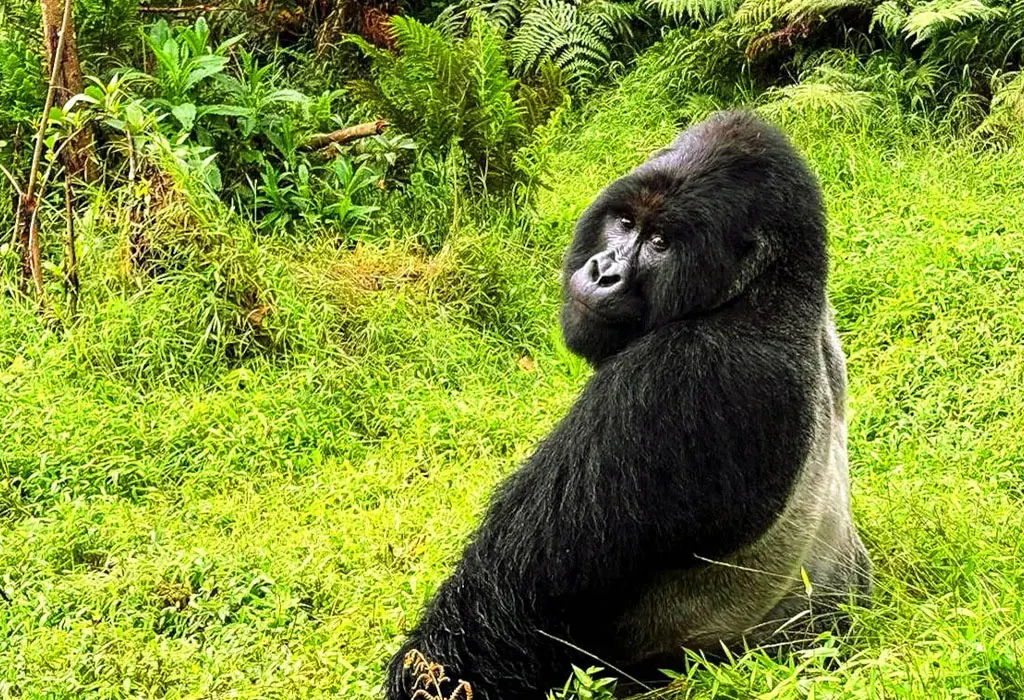
Gorilla trekking in Uganda is one of the most remarkable wildlife experiences in Africa. However, if you are planning your first trek, you may naturally wonder, “Is gorilla trekking in Uganda safe for travelers?”
The short answer is yes. Uganda has established strict guidelines and professional systems to protect visitors, mountain gorillas, guides, and rangers throughout the trekking experience. Gorilla trekking takes place mainly in Bwindi Impenetrable National Park and Mgahinga Gorilla National Park, where trained Uganda Wildlife Authority rangers accompany visitors into the forest.
Although trekking involves walking through steep and sometimes challenging terrain and spending time near wild animals, following the instructions of your guides and rangers greatly reduces the potential risks. With sensible preparation, suitable clothing, and respect for the park rules, travelers can enjoy their gorilla experience safely.
Gorilla Trekking Is Carefully Regulated
One of the main reasons gorilla trekking in Uganda is considered safe is the level of regulation surrounding the activity. Visitors do not simply enter the forest independently and search for gorillas. Instead, trekking takes place under the supervision of trained guides and rangers.
Before entering the forest, trekkers receive a briefing about what to expect and how to behave around the gorillas. The guide explains important rules concerning distance, movement, photography, noise, and interactions with the animals.
Furthermore, trekking groups are kept small. This limits disturbance to the gorillas and allows guides to monitor the group more effectively. Rangers and trackers also know the forest and understand gorilla behavior, giving visitors professional support throughout the experience.
Habituated Gorilla Families
Another important part of gorilla trekking safety is the habituation of the gorilla families visited by tourists.
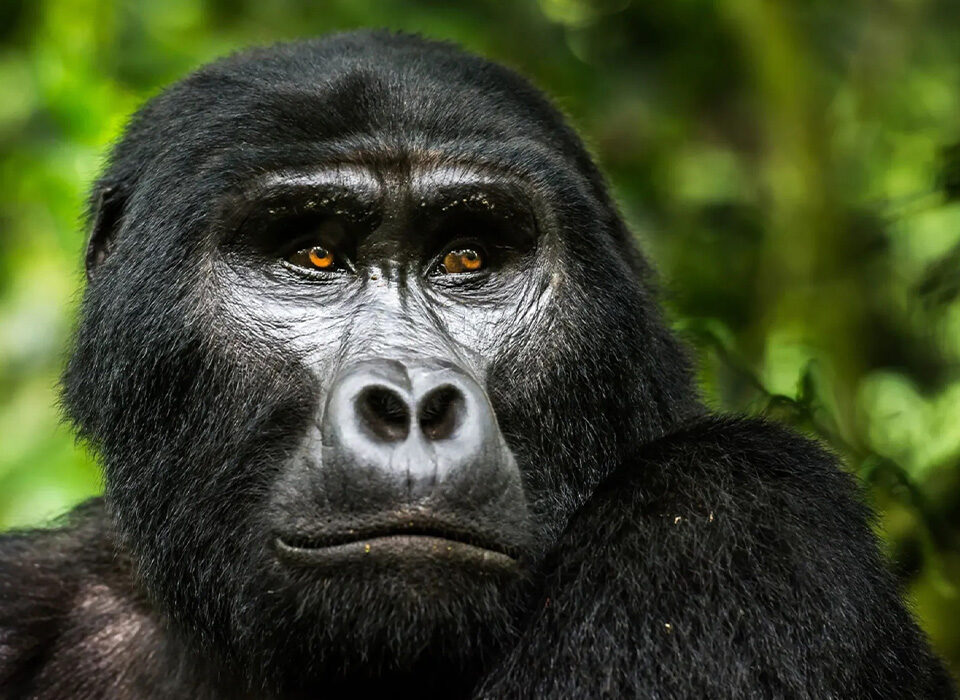
Mountain gorillas are wild animals, but the groups available for tourism have gone through a gradual habituation process. Researchers, trackers, and rangers spend considerable time around these gorillas so that the animals become accustomed to the controlled presence of people.
As a result, trekkers do not simply walk into the forest and approach an unfamiliar gorilla group. Instead, they visit families that have been monitored and prepared for human encounters.
Even so, habituation does not turn gorillas into domesticated animals. They remain wild animals and deserve respect. Their behavior can change depending on their mood, social interactions, the presence of young gorillas, or other circumstances. That is why visitors must always follow the instructions of their guide.
Keep a Safe Distance from the Gorillas
Maintaining a safe distance is one of the most important gorilla trekking rules in Uganda. Visitors are generally required to keep the recommended distance from the gorillas, although the exact distance may vary according to current wildlife management guidance and circumstances in the forest.
Sometimes a curious gorilla may move closer to the visitors. If this happens, do not panic or attempt to touch the animal. Instead, remain calm and follow the ranger’s instructions.
You should also avoid sudden movements and loud noises. Gorillas communicate through body language and vocalizations, so calm behavior helps reduce unnecessary stress.
Remember that the rules are designed for both your safety and the welfare of the gorillas. Following them makes the encounter more comfortable for everyone.
What Should You Do If a Gorilla Charges?
The possibility of a gorilla displaying aggressive behavior can make some first-time trekkers nervous. However, serious incidents are uncommon, and guides and rangers are trained to respond to different situations.
A silverback may sometimes move quickly toward visitors, beat his chest, vocalize, or make a display of dominance. Such behavior can look frightening, but it does not automatically mean that the gorilla intends to attack.
If a gorilla approaches or displays, remain calm. Do not run away, scream, or make sudden movements. Instead, listen carefully to your guide and follow the instructions you receive.
Experienced trackers understand gorilla behavior and can help visitors respond appropriately. The best thing you can do is remain calm and allow the trained professionals to manage the encounter.
Rangers and Guides Accompany Trekkers
You are not expected to explore the forest alone. Uganda’s gorilla trekking system places trained personnel at the center of the experience.
Uganda Wildlife Authority rangers accompany trekking groups and help protect both visitors and wildlife. Guides lead the trekking experience, while trackers work to locate the gorilla family and monitor its movements.
Their knowledge becomes particularly valuable because Bwindi is a dense rainforest with steep slopes, thick vegetation, and narrow trails. Rangers and guides understand the terrain and know how to respond when conditions change.
In addition, they explain the rules throughout the trek and help visitors maintain appropriate behavior around the gorillas. Their presence gives first-time trekkers reassurance, especially when entering the forest for the first time.
Is the Border with the Democratic Republic of Congo a Concern?
Bwindi and Mgahinga are located in southwestern Uganda, close to the borders with Rwanda and the Democratic Republic of Congo. Because eastern DRC has experienced periods of insecurity, some travelers naturally have questions about whether this proximity affects gorilla trekking.
However, gorilla trekking in Uganda takes place within designated Ugandan national parks under the supervision of Ugandan authorities. Visitors should remain within the authorized trekking areas and use established tourism arrangements.
When booking your trip, choose a reputable operator such as Gorilla Vista Safaris and follow the advice provided by your guide and the relevant authorities. Travelers should never attempt to cross an international border during a trekking excursion.
The Forest Terrain Requires Preparation
While wildlife receives most of the attention, the terrain itself presents one of the more practical challenges during gorilla trekking.
Bwindi is a mountainous rainforest. Some trails involve steep climbs, slippery sections, thick vegetation, and uneven ground. Depending on where the gorilla family is located, the trek can take several hours.
Therefore, physical preparation matters. You do not need to be an athlete, but regular walking and some hill training before your trip can make the experience easier.
Good hiking boots are particularly important. Choose footwear with strong grip and adequate ankle support. Waterproof clothing is also useful because rain can occur even when the morning begins with clear skies.
Trekking poles can provide additional support on steep or slippery sections. You can also hire a porter to carry your daypack. Besides making the hike easier, hiring a porter provides an opportunity to support members of the local community.
What About Altitude?
Bwindi’s mountainous landscape means that visitors may notice the altitude, particularly when walking uphill. However, altitude-related illness is generally not the main concern for most gorilla trekkers.
The greater challenge is usually the combination of elevation, steep terrain, humidity, and the length of the hike. Take your time, drink enough water, and communicate with your guide if you become excessively tired.
If you have an existing medical condition or concerns about strenuous physical activity, it is sensible to speak with your doctor before traveling.
Protecting Gorillas from Human Illness
Health precautions are especially important during gorilla trekking because mountain gorillas can be vulnerable to human respiratory infections.
For that reason, visitors who are unwell should inform their tour operator and the relevant park staff before attempting to trek. Anyone experiencing symptoms such as a significant cough, fever, or other infectious illness may be prevented from visiting the gorillas.
This measure protects the animals as well as other visitors. Even a minor illness for a person can present a serious risk to a gorilla population because humans and gorillas are biologically very closely related.
Consequently, never hide symptoms simply because you have already paid for your permit. The welfare of the gorillas comes first.
Insects and Other Forest Conditions
Bwindi and Mgahinga are natural forest environments, so trekkers may encounter insects and other small creatures along the trails. Insects can be irritating, particularly in warm and humid conditions.
Long trousers, long-sleeved shirts, comfortable socks, and suitable insect repellent can help protect exposed skin. Neutral-colored clothing is also practical for forest activities.
It is equally important to check yourself for ticks and other insects after returning from the forest. Your guide can also provide advice about local conditions and appropriate precautions.
Follow the Rules During Photography
Photography is one of the highlights of gorilla trekking, but visitors should take photographs responsibly. Avoid using flash unless specifically permitted, and never move closer to a gorilla simply to get a better photograph.
Your guide may ask you to lower your camera or move back when necessary. Follow these instructions immediately.
Most importantly, do not allow photography to distract you from your surroundings. The forest floor can be uneven, and concentrating entirely on a camera or smartphone can increase the chance of slipping.
Choose a Responsible Tour Operator
Your choice of tour operator can also influence how smoothly your trip runs. A reputable company should explain the trekking arrangements clearly, help you prepare for the activity, and work with licensed guides and park authorities.
Gorilla Vista Safaris can help travelers organize their Uganda gorilla trekking experience while providing guidance on permits, accommodation, transport, packing, and preparation.
Before departure, ask questions about the trekking sector, expected walking conditions, accommodation, transport, and what you should carry. Good preparation removes much of the uncertainty surrounding the experience.
So, Is Gorilla Trekking in Uganda Safe?
For most travelers, gorilla trekking in Uganda is a safe and well-organized wildlife experience when visitors follow established guidelines and listen to their guides and rangers.
The main challenges are usually the physical demands of walking through mountainous forest, unpredictable weather, and the need to behave appropriately around wild animals. Serious incidents are uncommon, but no wildlife experience can be described as completely risk-free.
The best approach is therefore simple: prepare for the terrain, wear appropriate clothing, follow health precautions, maintain the required distance from the gorillas, avoid sudden movements, and listen carefully to your guide.
With these precautions in place, you can focus on what makes the experience special: walking through Uganda’s ancient rainforest and spending a carefully managed hour observing one of the world’s most fascinating primates in its natural environment.