- DIRECT CONTACTS:
- +256 779 116 947
- +256 758 566 300
- info@gorillavistasafaris.com

Interesting Facts About Leopards
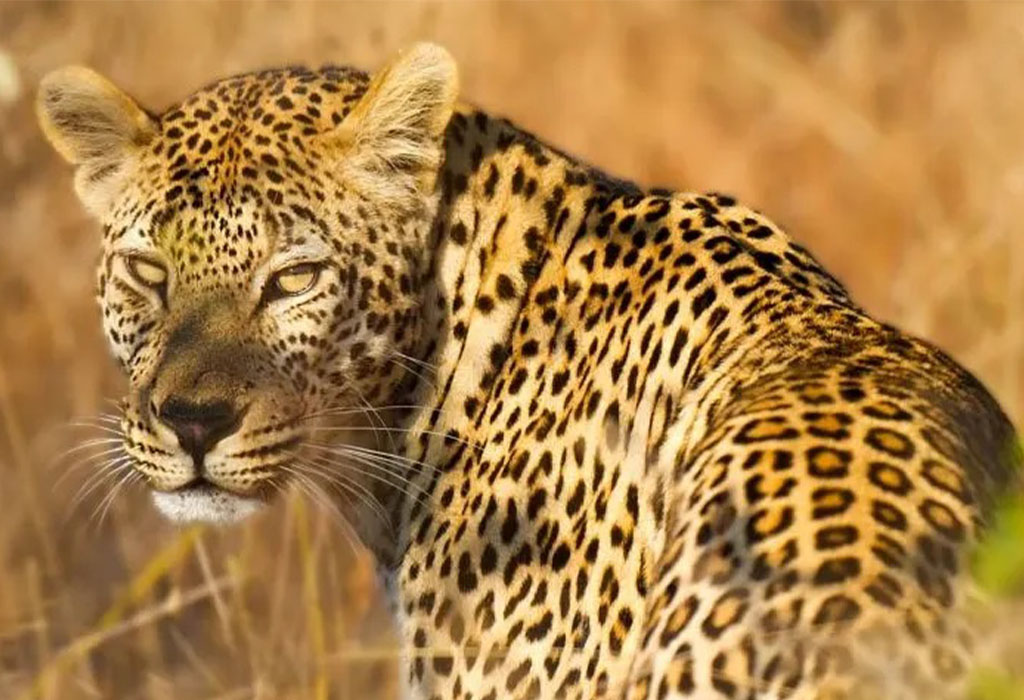
Leopards are among Africa’s most fascinating wild cats. Their beautiful spotted coats, impressive strength, remarkable climbing skills, and secretive behavior make them one of the most exciting animals to search for on safari. Unlike lions, which often live in visible social groups, leopards spend much of their lives alone and are experts at disappearing into their surroundings.
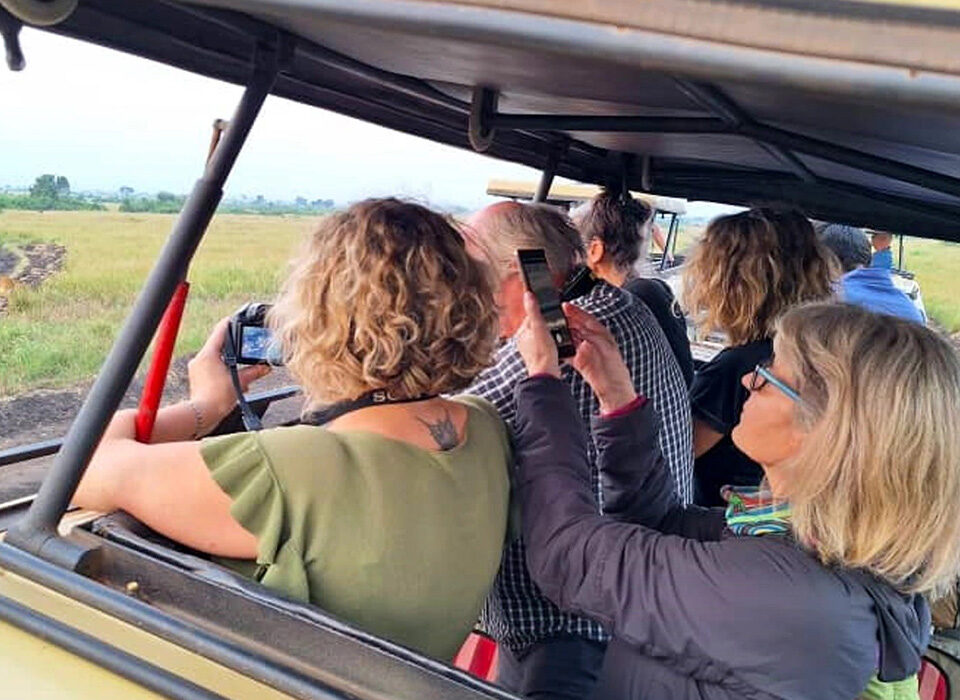
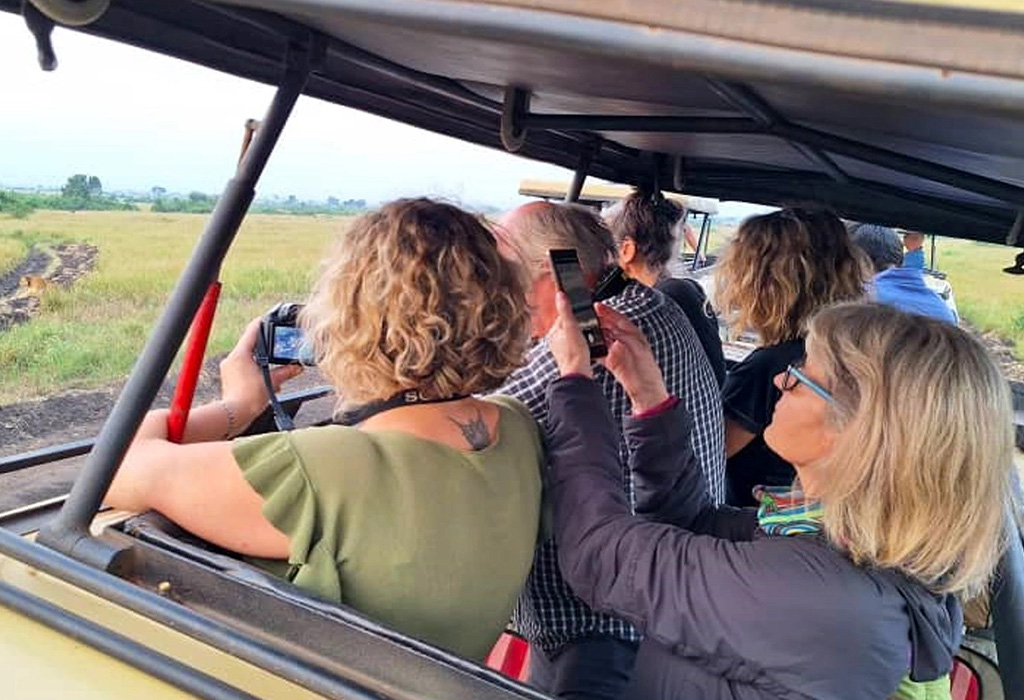
For travelers planning a Uganda safari in 2027, learning some interesting facts about leopards can make a wildlife encounter even more rewarding. A leopard may be resting quietly in a tree, moving through tall grass, or watching its surroundings from a hidden position. Because these cats are masters of camouflage, finding one often requires patience and a keen eye.
Leopards are also highly adaptable. They can survive in savannahs, woodlands, forests, grasslands, mountains, and other environments where sufficient prey and cover are available. In Uganda, travelers have opportunities to search for them in several national parks, including Murchison Falls, Queen Elizabeth, and Kidepo Valley.
So, what makes leopards so special? From their powerful bodies and hunting techniques to their solitary lifestyles and remarkable ability to climb trees, there is plenty to discover.
1. Leopards Are Exceptional Tree Climbers
One of the most impressive facts about leopards is their ability to climb trees with surprising ease.
Leopards have strong forelimbs, powerful shoulders, flexible bodies, and sharp claws that help them climb tree trunks and reach branches. They can also use trees as resting places, especially during the heat of the day.
More importantly, leopards sometimes drag their kills into trees. This allows them to keep their food away from scavengers and competing predators. Hyenas and lions, for example, may steal a leopard’s kill if given the opportunity.
When a leopard successfully gets its meal into a tree, it can feed with less disturbance. Therefore, safari travelers should not concentrate only on the ground during game drives. Looking carefully into large trees can occasionally reveal a leopard lying quietly on a branch.
2. Every Leopard Has a Distinctive Coat Pattern
Leopards are easily recognized by their golden or yellowish coats covered with dark rosettes. These markings are not simply beautiful; they also provide effective camouflage.
As a leopard moves through grass, woodland, bushes, or patches of sunlight and shadow, its rosettes break up the outline of its body. Consequently, prey can struggle to detect the predator until it gets remarkably close.
Interestingly, individual leopards have distinctive patterns. Wildlife researchers and guides can sometimes use these markings, together with other features, to recognize individual animals.
For safari enthusiasts and photographers, learning to notice these details can make leopard encounters even more interesting.
3. Leopards Are Exceptionally Strong Predators
Although leopards are smaller than lions and some other large cats, they possess remarkable strength.
Their muscular shoulders, powerful jaws, strong necks, and sharp claws help them capture and handle prey. A leopard does not necessarily need to overpower an animal through a prolonged chase. Instead, it often relies on stealth, timing, and a sudden burst of power.
The leopard usually moves quietly toward its target while taking advantage of vegetation and other forms of cover. Once it gets close enough, it can launch a rapid attack.
This combination of patience and physical strength makes the leopard an effective predator.
4. Leopards Usually Live Alone
Unlike lions, which often live in prides, adult leopards generally lead solitary lives.
Males and females usually occupy separate territories, although their ranges can overlap. They communicate their presence through scent marking, vocalizations, scratches, and other signs.
There is an important exception, however. Female leopards spend considerable time with their cubs while raising them. During this period, the mother teaches her young important survival skills and protects them from potential threats.
Because adult leopards tend to live alone, encountering one during a game drive can feel particularly special. You may see it for only a few minutes before it disappears into the vegetation.
5. Leopards Are Often Most Active in Low Light
Leopards are commonly associated with nighttime activity, although their behavior can vary depending on their environment, prey, temperature, and competition from other predators.
They are often active around dusk, during the night, and near dawn. During hotter periods of the day, they may rest in shade or climb into trees.
Nevertheless, leopards can also be seen during daylight hours. Their activity is influenced by local conditions, so visitors should remain alert throughout a game drive.
Early morning and late afternoon drives can be particularly useful for searching for wildlife because many animals become more active during these cooler periods.
6. Leopards Can Adapt to Many Different Habitats
Adaptability is another important reason leopards have such a wide distribution.
These cats can live in a variety of environments, including savannahs, woodlands, forests, grasslands, rocky areas, and mountainous landscapes. Their ability to use different habitats gives them an advantage when conditions change.
However, suitable habitat alone is not enough. Leopards also need access to prey, water, shelter, and areas where they can establish territories.
In Uganda, several protected areas provide habitats where leopards can survive. Even so, seeing one is never guaranteed because their secretive behavior and camouflage can make them difficult to locate.
7. Leopards Can Carry Prey Into Trees
A leopard’s ability to carry prey into a tree is one of the clearest demonstrations of its strength.
After making a kill, a leopard may drag the carcass away from the ground and into a tree. This can be a demanding task, particularly when the prey is large.
The behavior has an important survival advantage. By moving its food off the ground, the leopard can reduce the risk of losing the meal to competing predators and scavengers.
For safari travelers, seeing a leopard beside a cached kill can provide a fascinating opportunity to observe a natural survival strategy.
8. Leopards Have Highly Developed Senses
Leopards rely on more than their strength and camouflage when hunting.
Their vision helps them detect movement in low-light conditions, while their hearing and sense of smell provide additional information about prey, competitors, and other leopards.
These senses work together with patience and stealth. A leopard may remain motionless for a considerable period while observing its surroundings before deciding whether to make a move.
This ability to gather information quietly is one reason these cats can be such effective hunters.
9. Leopard Cubs Depend Heavily on Their Mothers
Leopard cubs enter the world vulnerable and unable to survive independently.
The mother usually gives birth in a secluded location where the young can remain hidden from predators and other dangers. Dense vegetation, rocky shelters, and other concealed locations can provide protection.
During the early stages of their lives, the cubs depend on their mother for food, warmth, and security. As they become stronger, she gradually introduces them to the skills they need to survive.
Young leopards eventually learn to stalk prey, climb trees, move quietly, and recognize potential threats. This learning process is essential because life in the wild presents many dangers.
10. Leopards Are Masters of Ambush Hunting
Stealth is at the heart of leopard hunting.
Rather than relying primarily on long-distance pursuits, leopards often use cover to approach prey unnoticed. Their spotted coats make them difficult to see, particularly among vegetation and broken patches of light and shade.
Once the distance is short enough, the leopard can make a sudden attack.
This hunting technique combines camouflage, patience, timing, and strength. However, safari visitors should remember that witnessing a leopard make a kill is uncommon. Most sightings involve animals resting, walking, climbing, or moving through their territory.
11. Leopards Have Several Ways of Communicating
Although leopards usually live alone, they still need to communicate with other members of their species.
Scent marking is particularly important. Leopards leave chemical signals that provide information about territory and presence. They also use scratches and other physical signs.
In addition, leopards produce several vocalizations. One of their better-known calls is a rough, rasping sound that can carry through the night.
These forms of communication help leopards avoid unnecessary encounters while allowing them to maintain awareness of other animals in the area.
12. Leopards Play an Important Ecological Role
Leopards are important predators within the ecosystems where they live.
By hunting prey species, they contribute to natural food webs and help regulate wildlife populations. Their presence is therefore part of the ecological balance of protected areas.
Protecting leopard habitat also helps conserve many other species that share the same landscapes. For this reason, leopard conservation is connected to wider efforts to protect Uganda’s forests, grasslands, prey species, and other wildlife.
Responsible tourism can contribute to these conservation efforts by supporting protected areas, local communities, guides, accommodation providers, and other businesses connected to wildlife tourism.
Where Can You See Leopards in Uganda?
Uganda provides several opportunities to search for leopards during a wildlife safari. While sightings cannot be guaranteed, experienced guides know how to interpret tracks, vegetation, prey activity, and other signs that may indicate the presence of a leopard.
Murchison Falls National Park
Murchison Falls National Park is one of Uganda’s leading safari destinations and provides a combination of savannah landscapes, woodland, wildlife, and the powerful Nile River.
Leopards occur in the park and may be encountered during game drives, although their secretive behavior can make them challenging to find.
A safari here can also include a boat trip on the Nile, where visitors can see hippos, crocodiles, elephants, buffaloes, and numerous bird species.
Combining a game drive with a Nile boat safari therefore offers a broader view of the park’s wildlife.
Queen Elizabeth National Park
Queen Elizabeth National Park is another important destination for travelers searching for Uganda’s large predators.
Its varied landscapes support elephants, buffaloes, antelopes, lions, hippos, and numerous other species. Leopards are also present and may occasionally be spotted during game drives.
The park is particularly appealing to travelers who want to combine predator viewing with other wildlife experiences.
A game drive can also be combined with a Kazinga Channel boat cruise, providing an opportunity to see wildlife from a different perspective.
Kidepo Valley National Park
Kidepo Valley National Park offers a very different safari experience.
Located in northeastern Uganda, the park is known for its remote setting, dramatic landscapes, broad valleys, mountains, and diverse wildlife. Leopards occur in the area, although finding one requires patience.
Because Kidepo is relatively remote, a safari here can provide a strong sense of wilderness. Travelers who enjoy less crowded destinations can combine the search for leopards with opportunities to see other wildlife and experience the distinctive landscapes of northeastern Uganda.
Why Choose Gorilla Vista Safaris for a Leopard Safari?
Planning a successful leopard safari involves more than choosing a national park. Your itinerary, accommodation, transport, timing, guide, and wildlife interests all contribute to the experience.
At Gorilla Vista Safaris, we help travelers organize Uganda safari experiences around their interests, available time, and budget.
Local Safari Knowledge
Understanding Uganda’s different wildlife destinations can make itinerary planning easier. Whether your main interest is leopards, lions, elephants, chimpanzees, gorillas, birds, or a combination of wildlife experiences, Gorilla Vista Safaris can help create an itinerary suited to your interests.
Personalized Safari Planning
Every traveler has different expectations. Some prefer comfortable lodges and relaxed schedules, while others want longer game drives and more time in wildlife areas.
Similarly, photographers may prefer additional time at selected locations, while families may prioritize shorter driving periods and comfortable accommodation.
A flexible itinerary can therefore make your safari more enjoyable.
Experienced Wildlife Guides
Leopards can be difficult to locate because they often remain hidden. An experienced guide can look for tracks, alarm calls, prey behavior, movement, and other clues that may indicate a predator nearby.
Although no responsible operator can promise a leopard sighting, good guiding can help travelers understand the landscape and wildlife they encounter.
Comfortable Safari Transportation
Long game drives can involve several hours on the road, particularly when visiting Uganda’s larger and more remote national parks.
Choosing a suitable safari vehicle can make a significant difference to comfort and visibility. Gorilla Vista Safaris can help travelers select transportation according to the destination, group size, itinerary, and budget.
Combine Leopard Viewing With Other Uganda Experiences
A leopard safari does not have to focus exclusively on predators.
Travelers can combine wildlife viewing with gorilla trekking in Bwindi Impenetrable National Park, chimpanzee tracking in Kibale Forest, boat safaris, birdwatching, cultural encounters, and nature walks.
As a result, one Uganda trip can introduce visitors to an impressive range of landscapes, wildlife, and local experiences.
Tips for Seeing Leopards on a Uganda Safari
Choose a Suitable Wildlife Destination
Start by selecting a national park with suitable leopard habitat and prey. Your safari operator can help you choose a destination according to your interests and available travel time.
Travel With an Experienced Guide
A knowledgeable guide can recognize tracks, calls, alarm behavior, and other signs that visitors might overlook.
Be Patient
Leopards are elusive. A game drive may involve considerable searching before a sighting occurs. Patience is therefore an important part of predator viewing.
Look Into Trees
Do not focus exclusively on the road and grassland. Leopards sometimes rest in trees, particularly after feeding.
Consider Early Morning and Late Afternoon Drives
Many wildlife species become more active when temperatures are cooler. Early morning and late afternoon drives can therefore provide useful opportunities for wildlife viewing.
Keep Noise to a Minimum
Quiet observation allows travelers to enjoy wildlife without unnecessary disturbance. It also helps everyone in the vehicle remain attentive to animal sounds and movement.
Respect Wildlife
Never encourage a driver to chase, crowd, or disturb an animal simply to obtain a photograph. Responsible wildlife viewing protects animals and helps preserve the quality of the safari experience for future visitors.