- DIRECT CONTACTS:
- +256 779 116 947
- +256 758 566 300
- info@gorillavistasafaris.com

Gorilla Trekking Sectors in Bwindi Impenetrable National Park
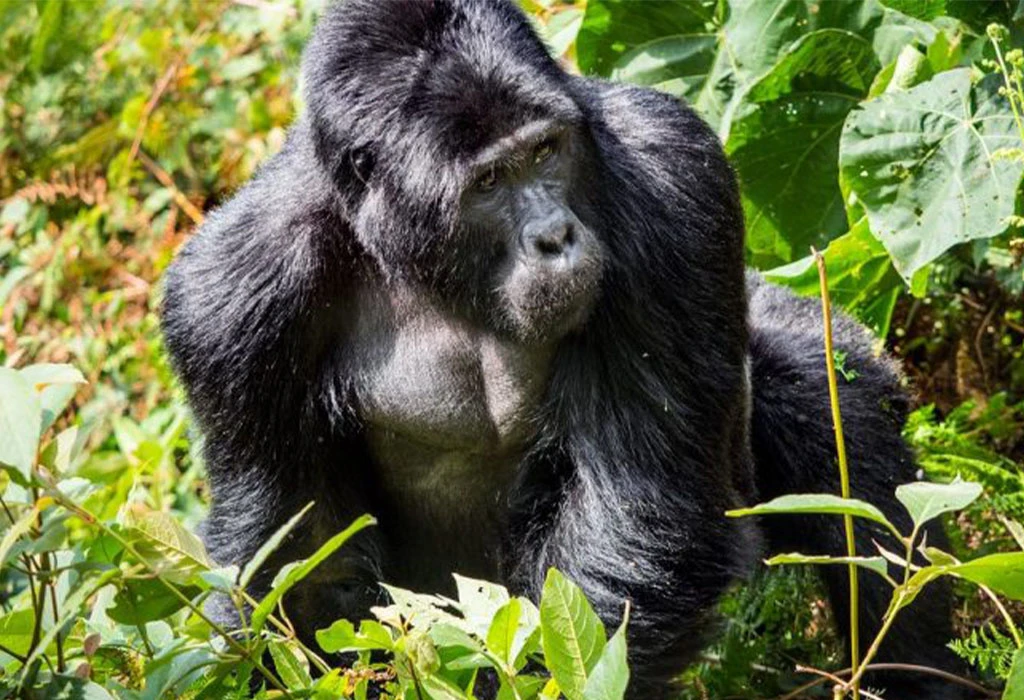
Gorilla trekking in Bwindi Impenetrable National Park is one of Uganda’s most remarkable wildlife experiences. The adventure takes visitors deep into the ancient rainforest to find habituated mountain gorilla families. Once trekkers find the gorillas, they can spend up to one hour observing them in their natural habitat while learning about their social lives, feeding habits, and daily behavior.
Located in southwestern Uganda, Bwindi Impenetrable National Park is one of Africa’s most important mountain gorilla conservation areas. The park protects a large population of the world’s remaining mountain gorillas and offers visitors several trekking options. Unlike destinations where gorilla trekking takes place in one main area, Bwindi has four distinct trekking sectors: Buhoma, Ruhija, Rushaga and Nkuringo.
Each sector has its own character, gorilla families, accommodation options and access routes. Therefore, choosing the right sector can make a significant difference to your overall trekking experience.
Buhoma Gorilla Trekking Sector
Buhoma is the oldest and one of the most popular gorilla trekking sectors in Bwindi. It lies in the northern part of the national park and has a long history of gorilla tourism and conservation.
The sector provides access to several habituated gorilla families, including Mubare, Habinyanja, Rushegura, Katwe and other groups depending on the current allocation and conservation arrangements. Gorilla families can change over time as groups split, merge or undergo habituation, so the exact families available for trekking may vary.
Besides gorilla trekking, Buhoma offers opportunities to explore the forest through nature walks and community experiences. Visitors can also interact with local communities and learn about traditional practices, making Buhoma a good choice for travelers who want to combine gorilla trekking with cultural experiences.
Buhoma is also relatively convenient for visitors approaching Bwindi from the northern side, particularly through the Kihihi area.
Ruhija Gorilla Trekking Sector
Ruhija is located on the eastern side of Bwindi and is particularly attractive to travelers interested in combining gorilla trekking with bird watching. The surrounding forest supports a remarkable variety of bird species, primates and other forest wildlife.
The sector has habituated gorilla families available for trekking, including groups such as Bitukura and Oruzogo, while other families may change according to current park management arrangements.
Ruhija also offers a quieter atmosphere compared with some of the more established trekking areas. Visitors can enjoy the forest landscape while following experienced guides through trails that pass beneath the dense canopy.
The sector is accessible from Kabale and can also be incorporated into itineraries that include Lake Bunyonyi and other attractions in southwestern Uganda.
Rushaga Gorilla Trekking Sector
Rushaga lies in the southern part of Bwindi and has become an important destination for travelers seeking a gorilla experience in a less crowded setting. The sector has several habituated gorilla families and also plays an important role in gorilla conservation and tourism.
Among the gorilla groups associated with the wider Rushaga area are Busingye, Nshongi, Bweza, Kahungye, Bikingi, Mishaya and other groups whose status can change as the population develops.
One of the major advantages of Rushaga is its connection to the Gorilla Habituation Experience. This special activity allows visitors to spend considerably more time with gorillas that are undergoing habituation, offering a deeper insight into the research and conservation process. However, availability and applicable regulations should always be confirmed when planning the trip.
Rushaga is also a convenient sector for travelers visiting southern Bwindi, particularly those arriving through Kisoro or connecting from Rwanda through the Cyanika border.
Nkuringo Gorilla Trekking Sector
Nkuringo is another important gorilla trekking sector in southern Bwindi. It sits at a higher elevation and is famous for its dramatic scenery, including impressive views across the forested hills and surrounding countryside.
The sector is associated with habituated gorilla families such as Nkuringo and Bushaho, while family availability can change over time.
Nkuringo trails can be challenging because of the hilly terrain. However, the physical effort often comes with rewarding forest scenery and a memorable encounter with mountain gorillas. Visitors staying in the area can also combine trekking with cultural experiences and community visits.
For travelers coming from Rwanda, Nkuringo can be particularly convenient because of its proximity to the Kisoro region and the Cyanika border.
What Gorilla Trekking in Bwindi Involves
Regardless of the sector you choose, gorilla trekking begins with an early morning briefing. Park officials explain the trekking guidelines, conservation rules and safety procedures before assigning trekkers to groups.
Trekkers then enter the forest accompanied by trained park guides and trackers. The duration of the trek varies considerably because mountain gorillas move through the forest in search of food and suitable resting places. Some groups can be reached within a few hours, while others may require a longer hike.
The terrain can also influence the duration. Bwindi is a mountainous rainforest with steep slopes, muddy trails and dense vegetation, so visitors should prepare for a physically demanding adventure.
When you finally locate the gorilla family, the experience becomes even more special. You may watch the gorillas feed, groom one another, play, rest or care for their young. Their human-like expressions and complex social interactions make the encounter fascinating.
Visitors must follow the instructions of their guides and maintain the required distance from the gorillas. The standard trekking experience currently allows visitors to spend up to one hour with the gorilla family, subject to park regulations.
Best Time for Gorilla Trekking in Bwindi
Gorilla trekking takes place throughout the year. Nevertheless, many travelers prefer the relatively drier months of June to September and December to February.
During these periods, rainfall tends to be lower, which can make some trails easier to navigate. However, Bwindi is a tropical rainforest, so rain can occur at any time of the year.
The wetter months can also provide advantages. The forest becomes lush and green, while food may be more abundant in some areas, potentially influencing gorilla movements. Travelers who visit during the rainy season should simply prepare with appropriate waterproof clothing and sturdy hiking shoes.
Cost of Gorilla Trekking Permits in Bwindi
A gorilla trekking permit is required before entering the gorilla trekking experience. The permit allows a visitor to participate in a guided trek and spend the designated viewing time with a habituated gorilla family.
Permit prices can change, so travelers should confirm the current Uganda Wildlife Authority tariff before booking. As of the current tariff period, the standard gorilla trekking permit for a foreign non-resident is US$800 per person, while foreign residents and East African citizens pay lower rates under applicable categories.
The minimum age for gorilla trekking is generally 15 years.
Because permits are limited, booking early is strongly recommended, particularly if you plan to travel during the popular dry seasons. Gorilla Vista Safaris can assist travelers with checking availability, selecting a suitable sector and arranging permits as part of a complete safari package.
How to Book a Gorilla Trekking Permit
Booking your gorilla permit early helps you secure your preferred trekking date and sector. To arrange your trek through Gorilla Vista Safaris, you provide your preferred travel date, number of travelers and preferred Bwindi sector.
The company can then check permit availability and guide you through the booking process. Once your permit is confirmed, you can proceed with arranging accommodation, transport and other activities around your gorilla experience.
Planning several months ahead is especially useful during peak travel periods because permits for particular dates and sectors can become limited.
How to Get to Bwindi’s Gorilla Trekking Sectors
Travelers can reach Bwindi by road or air. By road, the journey from Kampala usually takes several hours, depending on the route, traffic, weather and the specific sector you are visiting. Most safari itineraries travel through southwestern Uganda, passing areas such as Mbarara and Kabale before continuing toward the selected sector.
Domestic flights provide a faster alternative. Travelers can fly from Entebbe to airstrips such as Kihihi or Kisoro and then continue by road to their accommodation and trekking sector.
Bwindi can also be reached from Rwanda. Travelers arriving at Kigali International Airport can cross into Uganda through border points such as Cyanika or Katuna, depending on their chosen sector and itinerary.
Combine Gorilla Trekking with Other Experiences
Gorilla trekking can easily form part of a wider Uganda safari. After exploring Bwindi, travelers can visit destinations such as Queen Elizabeth National Park, Kibale Forest National Park, Lake Bunyonyi or Mgahinga Gorilla National Park.
Kibale is particularly popular for chimpanzee trekking, while Queen Elizabeth National Park offers game drives and boat cruises along the Kazinga Channel. Lake Bunyonyi, meanwhile, provides a relaxing setting for travelers who want to unwind after their demanding forest trek.
Plan Your Bwindi Gorilla Trek with Gorilla Vista Safaris
Bwindi Impenetrable National Park offers four main gorilla trekking sectors, and each provides a slightly different way to experience Uganda’s mountain gorillas. Buhoma combines a long-established trekking tradition with cultural experiences, Ruhija offers a quieter forest setting and excellent birding opportunities, while Rushaga and Nkuringo provide exciting options in southern Bwindi.
Choosing the right sector depends on your travel route, accommodation preferences, physical fitness, available permits and the wider safari experiences you want to include.
With proper planning, suitable preparation and the guidance of experienced professionals, gorilla trekking in Bwindi can become one of the most meaningful experiences of your Uganda safari. Gorilla Vista Safaris can help organize your permits, accommodation, transportation and other activities so that you can focus on enjoying your time in the remarkable forests of southwestern Uganda.