- DIRECT CONTACTS:
- +256 779 116 947
- +256 758 566 300
- info@gorillavistasafaris.com

What Are the Basic Requirements for Gorilla Trekking in Uganda and Rwanda?
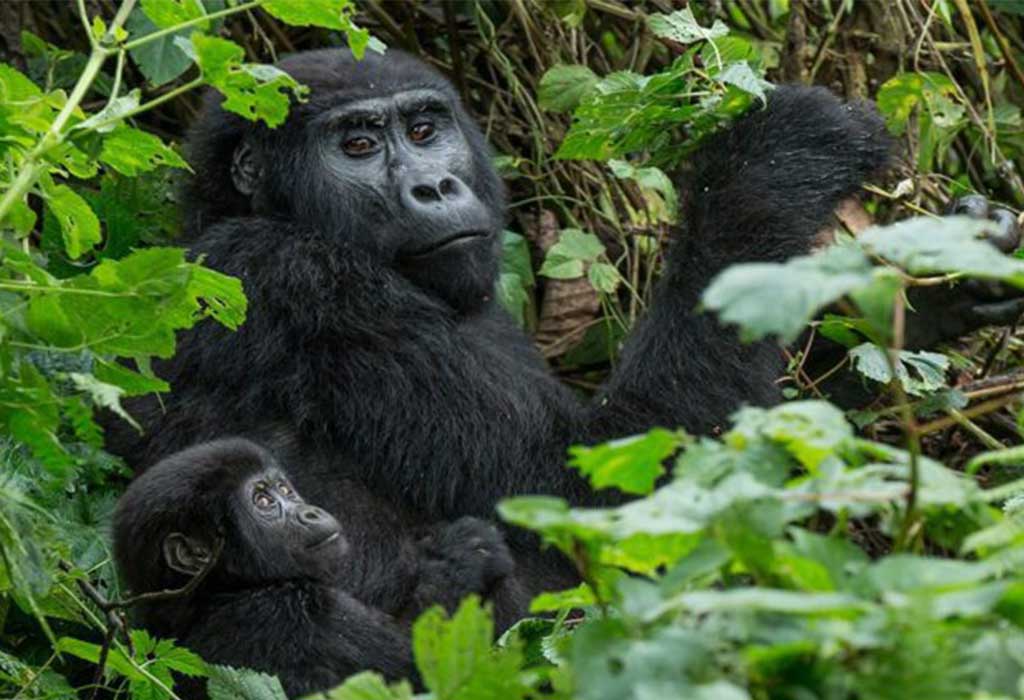
Few wildlife experiences compare to encountering a family of mountain gorillas in the misty forests of Uganda or Rwanda. Watching these magnificent primates interact in their natural habitat creates a memorable connection with nature. However, before embarking on this extraordinary adventure, every visitor should understand the essential gorilla trekking requirements.
Gorilla trekking takes place in protected forests where conservation authorities carefully manage human interactions with endangered mountain gorillas. Therefore, visitors must follow specific rules covering age limits, health conditions, permits, group sizes, photography, and environmental protection.
At Gorilla Vista Safaris, we believe that proper preparation helps travelers enjoy a more comfortable, responsible, and rewarding experience. Whether you plan to trek in Uganda’s Bwindi Impenetrable National Park or Rwanda’s Volcanoes National Park, understanding these requirements will help you prepare for your journey with confidence.
1. Meet the Minimum Age Requirement for Gorilla Trekking
One of the most important gorilla trekking requirements concerns the minimum age for visitors. Uganda and Rwanda generally require trekkers to be at least 15 years old to participate in standard mountain gorilla trekking activities.
This restriction helps protect visitors and gorillas alike. Gorilla trekking often involves long walks through dense vegetation, steep slopes, muddy trails, and unpredictable forest conditions. Younger children may find these challenges difficult to manage safely.
Furthermore, the age restriction supports responsible wildlife viewing. Visitors must understand instructions from their guides, remain calm around wildlife, and respect the rules established by conservation authorities.
Before booking your safari, confirm the age policy with the relevant park authority or your tour operator, particularly if you are traveling with a teenager approaching the minimum age.
2. Obtain a Valid Gorilla Trekking Permit
A valid permit is essential for anyone planning to see mountain gorillas in Uganda or Rwanda. These permits regulate visitor numbers, support conservation programs, and help protect gorilla populations from excessive human disturbance.
Because authorities issue a limited number of permits each day, travelers should arrange their bookings well in advance, especially during popular travel periods.
How Much Does a Gorilla Trekking Permit Cost?
Permit prices depend on the country, visitor category, and applicable conservation regulations. As a general reference, standard foreign non-resident permits have recently been priced at approximately $800 in Uganda and $1,500 in Rwanda. However, prices and eligibility conditions can change, so verify the current rates before making payment.
Your permit typically covers the authorized gorilla-tracking activity and the regulated time spent with a habituated gorilla family. Accommodation, transportation, meals, and other safari services may cost extra.
Gorilla Vista Safaris can help travelers plan their itineraries and understand the permit arrangements required for their chosen destination.
For a smoother booking process:
- Choose your preferred trekking destination.
- Confirm your travel dates and permit availability.
- Provide the identification details required for booking.
- Arrange accommodation and transportation near your assigned trekking sector.
- Keep your permit confirmation and travel documents accessible.
3. Understand the Health Requirements for Gorilla Trekking
Mountain gorillas share a significant amount of genetic similarity with humans, making them vulnerable to several human infectious diseases, particularly respiratory illnesses. Consequently, health precautions are among the most important gorilla trekking rules.
Visitors who feel unwell or show symptoms of a contagious illness should inform their guide or park authorities before joining the trek. Depending on the circumstances, they may be prevented from participating to reduce the risk of transmitting an infection to the gorillas.
Even when you feel healthy, practice good hygiene throughout your visit. Avoid coughing or sneezing toward the gorillas, follow instructions about face masks where required, and maintain the recommended viewing distance.
Responsible visitors should also avoid direct contact with gorillas, even when an animal appears calm or approaches the group.
Remember that protecting gorilla health is not simply a park regulation. It is a shared responsibility that helps safeguard these endangered animals for future generations.
4. Follow the Rules on Group Size and Guided Treks
Gorilla trekking takes place under the supervision of trained guides and trackers who understand gorilla behavior, forest conditions, and conservation procedures.
In Uganda and Rwanda, standard visits generally allow a maximum of eight tourists per habituated gorilla group per day. This limit reduces disturbance and gives visitors a better opportunity to observe the animals without creating excessive pressure on their habitat.
During the trek, your guide will explain how to approach the gorillas, where to stand, and how to respond if the animals move closer.
Always follow these instructions carefully. Never separate from your group, approach a gorilla independently, or attempt to attract an animal’s attention.
Although observing mountain gorillas can feel exciting, patience and calm behavior help create a safer experience for everyone.
5. Maintain a Safe Distance From Mountain Gorillas
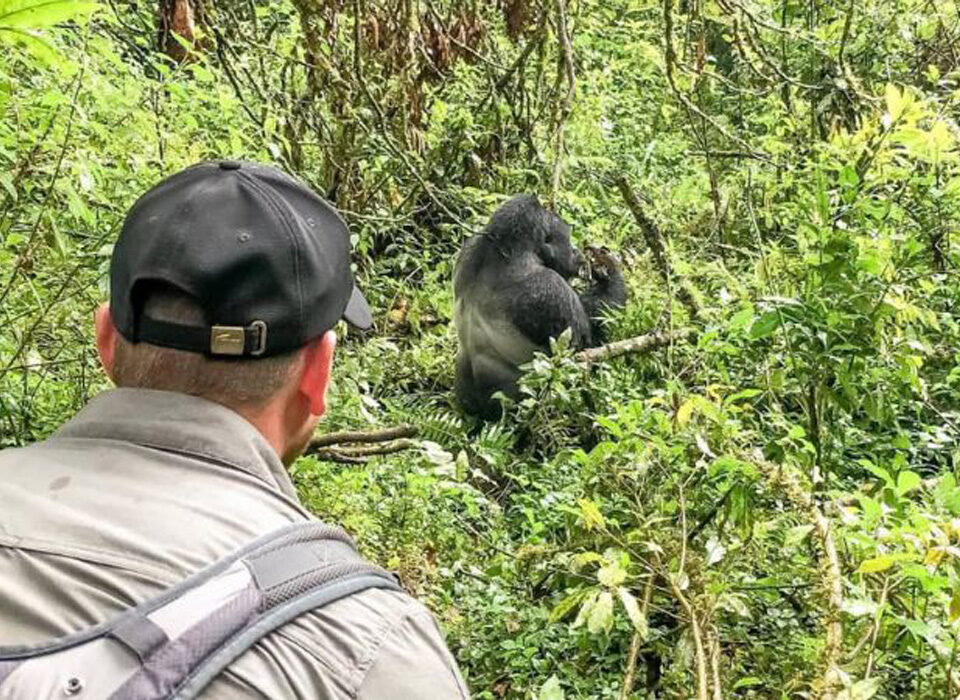
Maintaining an appropriate distance is another essential gorilla trekking requirement. Conservation guidance has commonly specified a minimum distance of seven metres, although visitors should follow the latest instructions issued by their guides and park authorities.
This separation helps reduce disease transmission and limits the possibility of accidental encounters.
However, gorillas sometimes move closer to visitors while feeding, resting, or traveling through the forest. If this happens, remain calm, avoid sudden movements, and follow your guide’s instructions. Do not reach toward the animal or attempt to move closer for a photograph.
Always remember these basic safety rules:
- Never touch or feed a gorilla.
- Avoid direct eye contact if your guide advises you to do so.
- Keep your voice low and your movements controlled.
- Follow your guide’s instructions immediately.
- Never attempt to block a gorilla’s path.
Respecting these rules allows visitors to observe natural gorilla behavior without unnecessarily disturbing the animals.
6. Observe the One-Hour Viewing Limit
Once your group locates its assigned gorilla family, you will generally have a maximum of one hour to observe the animals. This restriction helps minimize human disturbance and allows gorillas to continue their normal activities.
Although the viewing period may seem short, it offers valuable opportunities to watch gorillas feed, groom one another, care for their young, and interact within the group.
Use your time thoughtfully. Listen to your guide, take photographs without flash, and avoid unnecessary movement or conversation.
Remember that the overall trekking experience can last several hours. The time spent locating the gorillas depends on their movements, the terrain, and the conditions within the forest.
7. Follow Photography and Environmental Guidelines
Responsible photography helps you preserve memories without interfering with wildlife. Visitors may generally take photographs during their gorilla encounter, provided they follow park regulations.
Turn off your camera flash before the viewing session begins. Bright flashes can disturb wildlife, while excessive noise and movement may disrupt the group’s behavior.
Environmental responsibility is equally important. Gorilla habitats contain delicate vegetation, diverse wildlife, and ecosystems that depend on careful protection.
To minimize your impact:
- Carry reusable water bottles where practical.
- Take all rubbish out of the forest.
- Stay on authorized trails whenever possible.
- Avoid picking plants or disturbing other wildlife.
- Follow instructions regarding toileting and sanitation.
- Never leave food or other items behind.
These simple actions help preserve the forest and support long-term mountain gorilla conservation.
8. Prepare Physically and Pack the Right Trekking Gear
Gorilla trekking can be physically demanding. Depending on the location of the gorilla family, you may walk for several hours through steep, muddy, or densely vegetated terrain.
Therefore, reasonable physical preparation can make your experience more comfortable. Regular walking and gentle hill training before your trip may help you become familiar with the demands of a forest hike.
You should also pack clothing and equipment suited to changing weather conditions.
Essential Gorilla Trekking Packing List
Consider bringing the following items:
- Sturdy hiking boots with good traction.
- Long trousers and a long-sleeved shirt.
- A lightweight waterproof jacket or raincoat.
- Gardening or trekking gloves for handling vegetation.
- A comfortable daypack.
- Drinking water and suitable snacks for before or after the trek.
- Insect repellent and sun protection.
- A camera with flash disabled.
- Personal medication and any necessary travel documents.
Forest conditions can change quickly, even during relatively dry periods. Dressing in layers and carrying rain protection will help you remain comfortable throughout the adventure.
If you have mobility concerns or require additional assistance, discuss your needs with your tour operator before booking.
9. Choose the Best Time and Destination for Your Trek
Uganda and Rwanda both offer remarkable mountain gorilla trekking opportunities, although each destination provides a different travel experience.
In Uganda, visitors can track mountain gorillas in Bwindi Impenetrable National Park and Mgahinga Gorilla National Park. Rwanda’s main trekking destination is Volcanoes National Park.
The drier periods, often occurring around June to September and December to February, are popular with visitors because trails may be easier to navigate. Nevertheless, rain can occur throughout the year, and forest conditions remain unpredictable.
When selecting your destination, consider permit costs, accommodation, transportation, available trekking dates, and the type of safari you want to experience.
Gorilla Vista Safaris can help you compare these factors and organize a suitable itinerary based on your travel schedule and preferences.
10. Why Following Gorilla Trekking Requirements Matters
Every gorilla trekking requirement serves an important purpose. Age restrictions support visitor safety, health precautions protect vulnerable gorillas, and permit limits help control the number of people entering their habitat.
Similarly, viewing distances, photography rules, and environmental guidelines reduce disturbance and encourage responsible wildlife tourism.
By following these measures, visitors contribute to conservation efforts while enjoying an extraordinary wildlife encounter. Responsible tourism can also support surrounding communities through employment, accommodation, guiding services, and conservation-related activities.
Ultimately, the best gorilla trekking experience is not simply about getting close to these remarkable animals. It is about appreciating them in their natural environment while respecting the rules that protect their future.
Conclusion: Plan Your Gorilla Trekking Adventure With Confidence
Understanding the basic gorilla trekking requirements in Uganda and Rwanda is the first step toward a successful safari. From obtaining a valid permit and meeting the minimum age requirement to preparing for challenging terrain and following wildlife-viewing rules, every detail contributes to a safer and more responsible experience.
With suitable preparation, the right equipment, and guidance from experienced professionals, you can enjoy an unforgettable encounter with mountain gorillas while helping protect their fragile forest habitat.
Gorilla Vista Safaris can assist you with permit arrangements, accommodation planning, transportation, and a personalized gorilla trekking itinerary in Uganda or Rwanda.
Start planning your adventure today, and prepare to discover one of Africa’s most extraordinary wildlife experiences while supporting responsible mountain gorilla conservation.