- DIRECT CONTACTS:
- +256 779 116 947
- +256 758 566 300
- info@gorillavistasafaris.com

Why You Should Include Gorilla Trekking on Your Bucket List

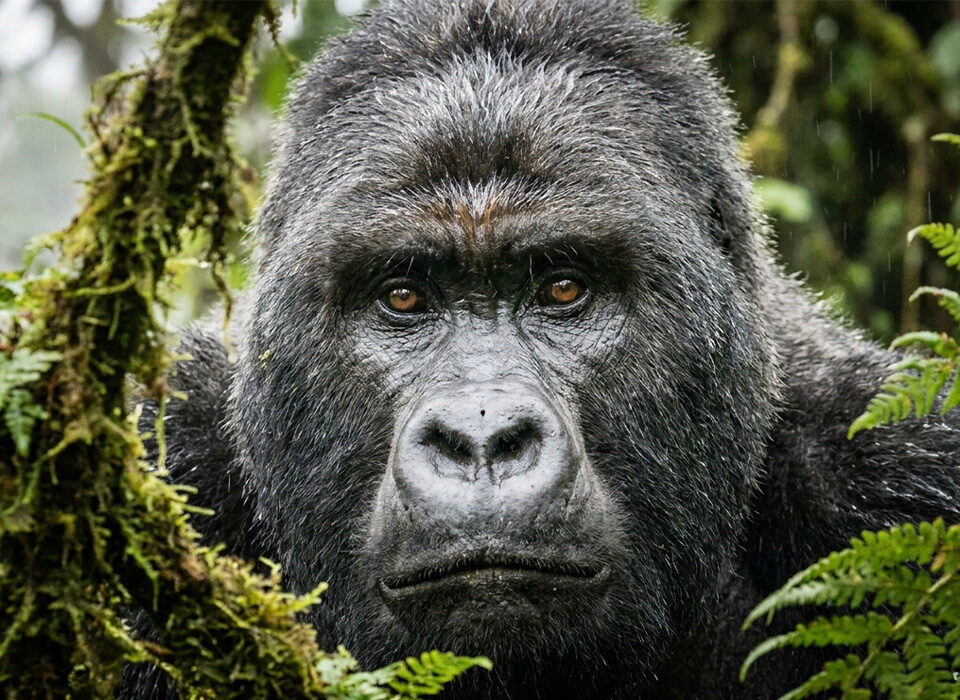
Gorilla trekking is more than an ordinary wildlife adventure; it is an opportunity to connect with nature in one of Africa’s most remarkable environments. Imagine hiking through a mist-covered rainforest, listening to birds calling overhead, and finally encountering a family of mountain gorillas in their natural habitat. It is an experience that can leave a lasting impression on any traveler.
Every year, visitors travel to Uganda and Rwanda to observe these endangered primates in protected forests. For travelers planning an extraordinary African safari, gorilla trekking on your bucket list offers a unique combination of adventure, wildlife encounters, cultural discovery, and conservation.
At Gorilla Vista Safaris, we recognize the importance of responsible travel. Therefore, understanding what makes gorilla trekking special can help you plan a rewarding journey while contributing to the protection of mountain gorillas.
Why Is Gorilla Trekking a Once-in-a-Lifetime Experience?
Mountain gorillas live in the forests of the Virunga Massif and Uganda’s Bwindi Impenetrable National Park. Unlike traditional wildlife safaris, which often involve watching animals from a vehicle, gorilla trekking takes you on foot through their natural environment.
Experienced trackers locate a habituated gorilla family before guides lead visitors through the forest. Once you find the group, you can observe its members for a strictly limited period, usually one hour.
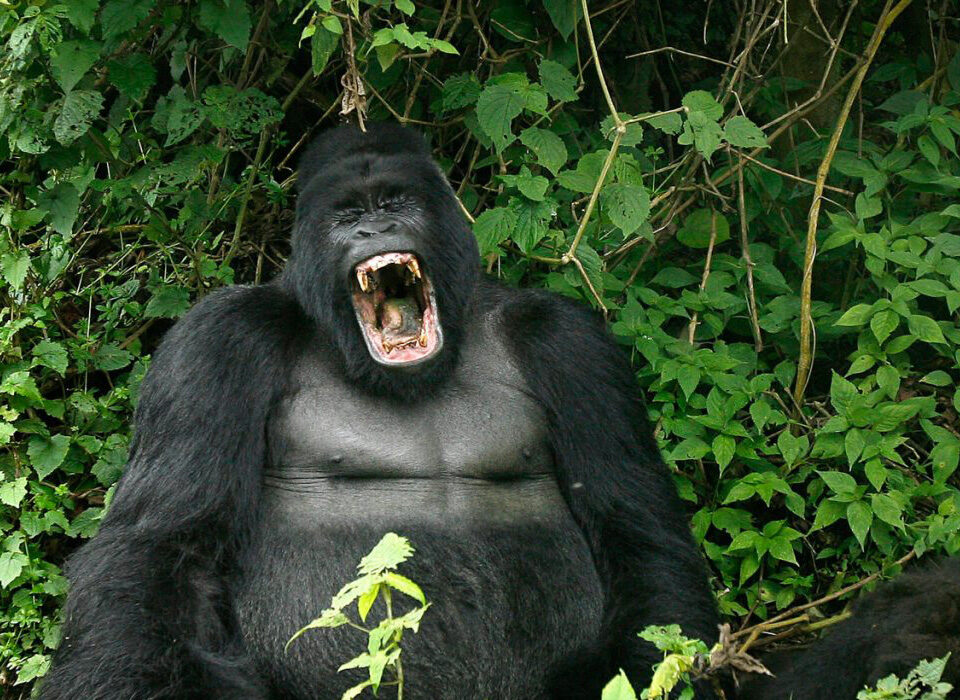
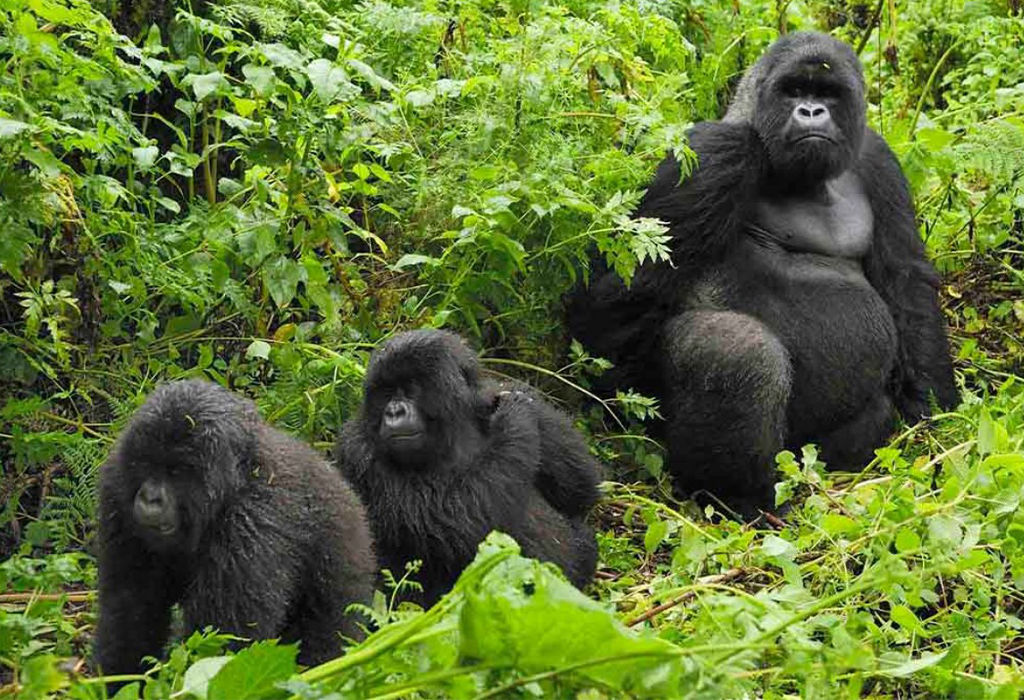
During this encounter, you may see young gorillas playing, adults grooming one another, and a silverback keeping watch over the family. These everyday behaviors reveal fascinating aspects of gorilla social life.
Moreover, the experience feels especially meaningful because mountain gorillas remain endangered and live in a relatively limited range. Seeing them in the wild offers a rare opportunity to appreciate their intelligence, family bonds, and importance to forest ecosystems.
How Does Gorilla Trekking Support Conservation?
One of the strongest reasons to include gorilla trekking on your bucket list is its contribution to wildlife conservation. Responsible tourism generates revenue that helps fund protected areas, ranger patrols, veterinary interventions, habitat management, and community development.
For example, visitors purchase permits through the relevant wildlife authorities in Uganda or Rwanda. These fees contribute to the management of gorilla tourism and the long-term protection of the animals and their habitats.
In addition, tourism creates employment opportunities for guides, trackers, porters, accommodation providers, and other community members. When local people benefit from conservation, they have greater opportunities to participate in protecting nearby forests.
Responsible gorilla trekking also requires visitors to follow strict rules. Maintaining the required distance, avoiding loud noises, and staying away when sick help reduce the risk of transmitting human diseases to gorillas.
Consequently, your visit can become part of a broader conservation effort when you choose responsible operators and respect park regulations.
How Is Gorilla Trekking Different From Other Wildlife Safaris?
Traditional African safaris generally involve traveling through savannah landscapes to observe lions, elephants, buffaloes, and other wildlife. Gorilla trekking offers a different experience because you explore dense rainforest on foot with trained guides.
The journey itself becomes part of the adventure. You may encounter colorful birds, unusual plants, butterflies, and other forest wildlife along the trail. The terrain can change quickly, with steep slopes, muddy paths, and thick vegetation adding to the challenge.
Furthermore, spending a limited period observing a gorilla family allows you to appreciate natural behaviors that you might otherwise miss. Rather than watching animals from a distance, you gain a closer understanding of their family structures and daily routines.
For travelers seeking a memorable wildlife experience in Uganda or Rwanda, this combination of physical exploration and intimate observation makes gorilla trekking particularly rewarding.
Is Gorilla Trekking Physically Demanding?
Yes, gorilla trekking can be physically demanding. However, the difficulty varies depending on the location of the gorilla family, the terrain, weather conditions, and altitude.
Some treks take less than an hour to reach the gorillas, while others require several hours of hiking through challenging forest conditions. Therefore, travelers should prepare for changing conditions rather than expect a short, easy walk.
You can improve your readiness by taking regular walks, practicing on gentle hills, and gradually building your stamina before traveling. Proper preparation can make the experience more comfortable, although no particular fitness level guarantees an easy trek.
Pack essential items such as:
- Sturdy, waterproof hiking boots with good grip.
- Long-sleeved shirts and long trousers.
- A lightweight waterproof jacket.
- Gardening gloves for handling vegetation along the trail.
- Drinking water and energy-rich snacks.
- A small backpack and a camera with spare batteries.
Additionally, consider hiring a porter through the park’s approved arrangements. Porters can help carry your belongings and provide valuable support along difficult sections of the trail.
What Is the Best Time for Gorilla Trekking in Uganda and Rwanda?
Gorilla trekking takes place throughout the year in Uganda and Rwanda. Nevertheless, many visitors prefer the relatively drier periods, when trails may be easier to navigate.
The commonly preferred periods are:
- June to September: Often favorable for hiking and combining gorilla trekking with other safari activities.
- December to February: Another generally drier period that can offer suitable trekking conditions.
However, both countries experience changing weather patterns, and rain can occur even during the drier months. The wetter seasons may bring muddy trails, but they also create lush forest scenery and can offer a quieter atmosphere.
Ultimately, the best time depends on your travel dates, preferred activities, and accommodation availability. Gorilla Vista Safaris can help you plan an itinerary that matches your interests and practical requirements.
How Much Does a Gorilla Trekking Permit Cost?
A valid gorilla trekking permit is essential for visiting habituated mountain gorilla families. Permit prices vary by country and visitor category, so travelers should confirm the latest official rates before booking.
For reference, the widely published standard foreign non-resident rates in Uganda and Rwanda in 2025 were:
- Uganda: US$800 per person.
- Rwanda: US$1,500 per person.
These are historical reference prices, not guaranteed current rates for 2026. Check with the Uganda Wildlife Authority or Rwanda Development Board for current prices and applicable categories. Democratic Republic of Congo trekking availability and prices can also change because of security conditions and park operations.
A permit generally covers the authorized gorilla trekking experience, including park arrangements and guiding services. Accommodation, transport, meals, tips, and other activities may cost extra.
Because permits are limited, booking well in advance is advisable, especially during popular travel periods. Gorilla Vista Safaris can help coordinate permit arrangements and organize the other essential parts of your trip.
What Safety Rules Should You Follow During Gorilla Trekking?
Safety protects both visitors and gorillas. Before entering the forest, guides explain the rules and describe how to behave during the encounter.
Visitors must maintain the distance specified by park authorities, follow the guide’s instructions, and avoid sudden movements or disruptive behavior. Flash photography is generally prohibited.
Mountain gorillas are also vulnerable to human respiratory infections and other diseases. If you feel unwell, particularly with symptoms of a contagious illness, inform your operator and follow the wildlife authority’s health guidance. Visitors who pose a health risk may be prevented from trekking.
By respecting these precautions, you help create a safer environment for everyone.
What Other Activities Can You Combine With Gorilla Trekking?
Gorilla trekking fits naturally into a longer East African adventure. Depending on your destination and schedule, you can combine it with:
- Chimpanzee tracking in Kibale Forest: Discover another fascinating primate species in Uganda.
- Wildlife safaris in Queen Elizabeth National Park: Search for elephants, buffaloes, lions, and other savannah animals.
- Cultural experiences with Batwa communities: Learn about Batwa heritage through respectful, community-led experiences.
- Relaxation at Lake Bunyonyi or Lake Kivu: Enjoy scenic landscapes and peaceful lakeside surroundings.
- Volcano hiking: Explore the dramatic volcanic scenery of the Virunga region.
Combining these activities allows you to experience more of East Africa’s biodiversity, landscapes, and cultural heritage during one memorable holiday.
Why Should Gorilla Trekking Be on Your Travel Bucket List?
Gorilla trekking offers much more than photographs and sightseeing. It introduces you to a remarkable species, challenges you to explore a rainforest on foot, and demonstrates how responsible tourism can support conservation.
From the anticipation of following forest trails to the unforgettable moment of observing a gorilla family, every stage contributes to a distinctive travel experience.
Make Gorilla Trekking Part of Your Next African Adventure
If you are planning a wildlife holiday, consider making gorilla trekking on your bucket list a priority. Uganda and Rwanda offer exceptional opportunities to encounter mountain gorillas while exploring some of Africa’s most beautiful natural environments.
With careful planning, the right preparation, and respect for conservation guidelines, your journey can become a meaningful adventure.
Contact Gorilla Vista Safaris to start planning your gorilla trekking safari, explore suitable travel options, and create an itinerary that combines wildlife encounters, scenic landscapes, and responsible tourism.