- DIRECT CONTACTS:
- +256 779 116 947
- +256 758 566 300
- info@gorillavistasafaris.com

Exploring the Big Five in Uganda
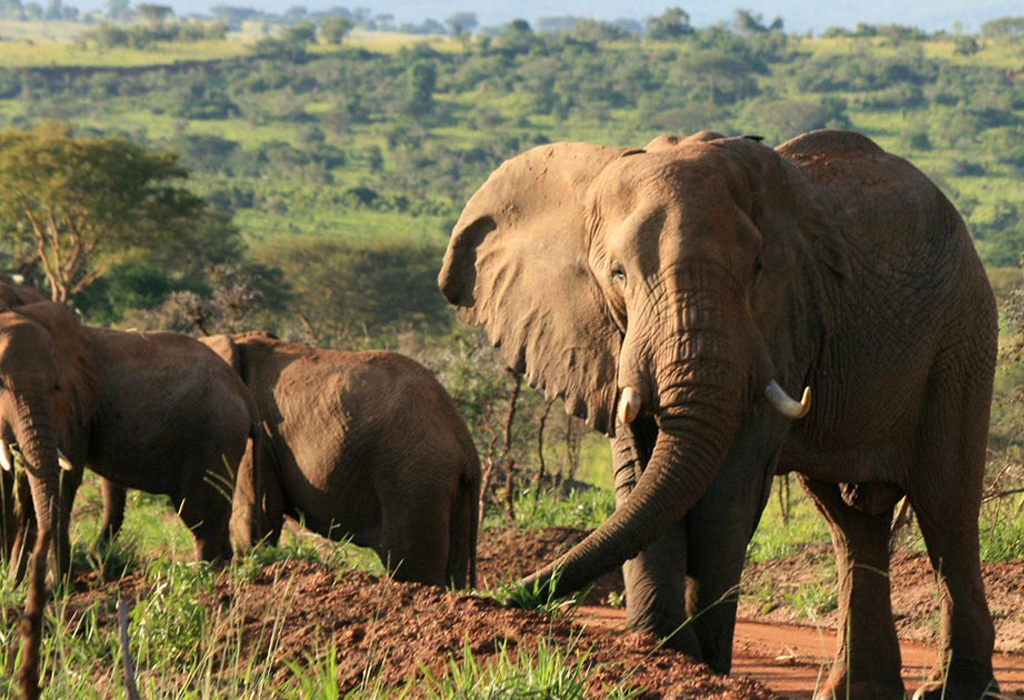
Uganda is one of East Africa’s most rewarding destinations for wildlife safaris, offering visitors the opportunity to encounter the famous Big Five in their natural habitats. These animals include the lion, leopard, African elephant, African buffalo, and rhinoceros. Historically, the term Big Five referred to the five animals that hunters considered most difficult and dangerous to hunt on foot. Today, however, it represents some of Africa’s most sought-after wildlife sightings and is a major attraction for safari travellers.
Known as the Pearl of Africa, Uganda boasts a remarkable variety of landscapes, from open savannah plains and rolling hills to tropical rainforests and extensive wetlands. These diverse ecosystems support an impressive range of wildlife, making the country an excellent destination for travellers hoping to see the Big Five in Uganda. Furthermore, visitors can combine traditional game drives with boat safaris, guided nature walks, birdwatching, and mountain gorilla trekking.
Several protected areas provide opportunities to encounter these iconic animals. Queen Elizabeth National Park and Murchison Falls National Park are particularly rewarding for general wildlife viewing, while Kidepo Valley National Park offers a more remote safari experience. Meanwhile, Ziwa Rhino Sanctuary provides Uganda’s main opportunity to see rhinos. Understanding where to find each animal will help you plan a memorable Uganda Big Five safari.
1. Where to See Lions in Uganda
Lions are among Africa’s most recognisable predators, and seeing one resting in the grass or moving across the savannah is often a highlight of a wildlife safari. In Uganda, these powerful cats inhabit several protected areas, where they hunt antelopes, buffaloes, and other suitable prey.
Queen Elizabeth National Park
Queen Elizabeth National Park is one of the best places to see lions in Uganda. Located in western Uganda, the park features extensive savannah grasslands, woodland, crater lakes, and wetlands that support a diverse wildlife population.
The park’s Ishasha sector is especially famous for its tree-climbing lions. Unlike most lions, which spend much of their resting time on the ground, some of these cats regularly climb large fig trees. Researchers have proposed several explanations for this unusual behaviour, including escaping ground-level insects and seeking comfortable resting places with a good view of their surroundings.
During a game drive through Ishasha, visitors may spot lions resting on tree branches or moving through the grasslands. However, sightings are never guaranteed, so patience and the guidance of an experienced ranger or safari guide can make a difference.
The Kasenyi Plains also offer opportunities to see lions, particularly where prey animals gather. For the best experience, plan an early morning or late afternoon game drive, when wildlife is often more active.
Murchison Falls National Park
Murchison Falls National Park is another excellent destination for a lion safari in Uganda. Located in the northwestern part of the country, it combines expansive savannah plains, woodland, riverine vegetation, and the spectacular Victoria Nile.
The northern sector is particularly popular for game drives because its open landscapes make it easier to scan the plains for wildlife. Lions may be seen resting beneath trees, following herds of antelopes, or searching for prey in the grass.
Combining a morning game drive with an afternoon boat cruise along the Nile also provides an opportunity to experience different aspects of the park. While lions are primarily spotted during land-based game drives, the boat trip introduces visitors to elephants, buffaloes, hippos, crocodiles, and numerous waterbirds.
Best places to see lions in Uganda:
- Queen Elizabeth National Park, particularly the Ishasha sector and Kasenyi Plains.
- Murchison Falls National Park, especially its northern savannah sector.
- Kidepo Valley National Park, which offers additional opportunities in a remote wilderness setting.
2. Where to See Leopards in Uganda
Leopards are among Africa’s most elusive big cats. Their spotted coats provide excellent camouflage, and their solitary, often nocturnal habits make them more difficult to locate than lions. Nevertheless, Uganda offers opportunities to see these secretive predators in several national parks.
Kidepo Valley National Park
Kidepo Valley National Park lies in northeastern Uganda, close to the borders with South Sudan and Kenya. Its remote location, rugged mountains, open plains, and seasonal river valleys create a distinctive wildlife habitat.
Leopards inhabit the park’s rocky outcrops, wooded areas, and other suitable environments. Because these cats often remain concealed during the day, spotting one requires patience, careful observation, and a knowledgeable guide.
Early morning and late afternoon game drives can be productive, although leopard sightings remain unpredictable. Visitors should watch for movement along rocky slopes, beneath trees, and around areas where smaller animals gather.
Beyond leopards, Kidepo offers opportunities to see lions, elephants, buffaloes, giraffes, and several wildlife species associated with Uganda’s northeastern landscapes. Its relatively remote setting also appeals to travellers seeking a quieter safari away from the busier wildlife circuits.
Queen Elizabeth National Park
Queen Elizabeth National Park is another promising destination for leopard sightings. The park’s combination of savannah, woodland, and forest-edge habitats supports these adaptable predators.
Leopards are sometimes spotted along tracks during evening game drives or resting in trees during daylight hours. Areas around Mweya and other suitable habitats may provide opportunities, depending on wildlife movements and local conditions.
Although sightings are never guaranteed, travelling with an experienced guide improves your chances of identifying a leopard’s movement, tracks, or resting place. Unlike lions, which may be seen in groups, leopards usually live alone, making each encounter particularly special.
Safari tip: If seeing a leopard is a priority, allow enough time for several game drives rather than relying on a single outing. Repeated drives through different habitats give you more opportunities to encounter this elusive cat.
3. Where to See Elephants in Uganda
African elephants are among the most impressive animals to encounter on safari. Their enormous size, complex social behaviour, and close family bonds make them fascinating to observe. Fortunately, Uganda’s national parks provide several excellent places to see elephants in the wild.
Murchison Falls National Park
Murchison Falls National Park is one of the leading destinations for elephant viewing in Uganda. Its extensive savannah plains, woodland, and riverine habitats support substantial elephant populations.
Visitors frequently encounter elephants during game drives, particularly in the northern sector. Herds may be seen feeding on vegetation, moving between water sources, or gathering near the Victoria Nile.
The river also creates excellent opportunities for photography. During a boat cruise, visitors may observe elephants along the banks, where they come to drink or cool themselves. However, their movements vary with the season, water availability, and feeding conditions.
For a rewarding experience, combine a game drive with a boat trip. This approach offers different perspectives of the park and increases your opportunities to observe its wildlife.
Queen Elizabeth National Park
Queen Elizabeth National Park is another excellent destination for elephant encounters. Its diverse habitats include open grasslands, wetlands, woodland, and forested areas, supporting elephants alongside buffaloes, antelopes, and numerous bird species.
The Kazinga Channel, which connects Lake Edward and Lake George, is particularly rewarding for wildlife viewing. Elephants sometimes gather near its banks to drink and bathe, while hippos and buffaloes are frequently seen around the water.
A boat cruise along the channel provides an excellent opportunity to observe wildlife without travelling through the savannah by vehicle. Meanwhile, game drives reveal more of the park’s terrestrial habitats.
Elephants can also be encountered in other protected areas, including Kidepo Valley National Park and Bwindi Impenetrable National Park. However, Queen Elizabeth and Murchison Falls are particularly popular choices for travellers planning a conventional Big Five safari.
Best places to see elephants in Uganda:
- Murchison Falls National Park for savannah encounters and Nile River scenery.
- Queen Elizabeth National Park for game drives and boat safaris along the Kazinga Channel.
- Kidepo Valley National Park for elephant sightings amid rugged, remote landscapes.
4. Where to See African Buffaloes in Uganda
The African buffalo is another important member of the Big Five. These powerful herbivores usually move in herds, although older males may live alone or in smaller groups. Their presence adds to the excitement of Uganda’s savannah safaris.
Queen Elizabeth National Park
Queen Elizabeth National Park is one of the best places to see African buffaloes in Uganda. Large herds graze across the savannah, particularly in areas where grass and water are readily available.
The Kasenyi Plains and Ishasha sector offer opportunities to encounter buffaloes during game drives. Some herds contain numerous individuals, creating impressive scenes as the animals move across the grasslands.
Buffaloes are also frequently seen around the Kazinga Channel. They visit the water to drink and may gather along the shoreline, where visitors can observe them during boat cruises.
Although buffaloes are herbivores, they are powerful wild animals that deserve considerable respect. Visitors should remain inside safari vehicles during game drives unless a qualified guide has arranged an authorised activity in a suitable area.
Murchison Falls National Park
Murchison Falls National Park provides further opportunities to observe buffaloes in their natural habitat. Its open plains support herds that graze alongside elephants, antelopes, and other herbivores.
During a game drive, you may encounter buffaloes feeding in the grass, resting beneath trees, or moving towards water sources. Their dark bodies are often easy to recognise against the pale savannah, particularly when the herd gathers in an open area.
The park’s varied habitats also support lions and leopards, creating opportunities to observe predator-prey relationships. Nevertheless, visitors should remember that wildlife interactions occur naturally and cannot be predicted.
For a more rewarding safari, combine buffalo viewing with searches for lions, elephants, and other large mammals. This approach helps you appreciate the wider ecosystem rather than focusing on a single species.
Best places to see buffaloes in Uganda:
- Queen Elizabeth National Park, particularly the Kasenyi Plains and Kazinga Channel.
- Murchison Falls National Park, especially the open savannah.
- Kidepo Valley National Park, where buffaloes form part of the park’s wider wildlife community.
5. Where to See Rhinos in Uganda
Rhinoceroses complete the Big Five, but they require a different approach when planning a wildlife safari in Uganda. Decades of poaching and habitat pressures eliminated Uganda’s wild rhino population. Conservation initiatives have since reintroduced rhinos under managed protection, helping establish a foundation for their recovery.
Today, Ziwa Rhino Sanctuary is the country’s principal destination for seeing rhinos. It offers visitors an opportunity to learn about rhino conservation while observing these remarkable animals in a protected environment.
Ziwa Rhino Sanctuary
Ziwa Rhino Sanctuary is located in Nakasongola District, north of Kampala, along the route commonly used by travellers heading to Murchison Falls National Park.
The sanctuary was established to support rhino conservation and breeding in Uganda. It protects southern white rhinos and provides a managed environment where the animals can reproduce and grow under close monitoring.
Unlike traditional game drives, rhino tracking at Ziwa generally involves a guided walk. Trained guides accompany visitors through the sanctuary, helping them locate rhinos while explaining their behaviour, habitat, and conservation needs.
Seeing a rhino on foot can be an unforgettable experience. Visitors may observe the animals grazing, moving through the vegetation, or resting in shaded areas. However, guides maintain appropriate distances and follow safety procedures to protect both visitors and wildlife.
Ziwa is particularly convenient for travellers combining the Big Five safari with a visit to Murchison Falls National Park. Depending on your itinerary, you can include rhino tracking before continuing north for game drives and a boat cruise along the Nile.
It is important to understand that Ziwa’s current rhino population is managed within a protected sanctuary. Visitors should not assume that rhinos roam freely in Uganda’s other national parks.
Why include Ziwa Rhino Sanctuary in your Uganda safari?
- It offers Uganda’s principal opportunity to see rhinos.
- Guided tracking provides a closer understanding of rhino behaviour and conservation.
- Its location makes it a convenient stop on many Murchison Falls safari itineraries.
- Visitor activities contribute to the broader conservation and protection effort.
6. Can You See All the Big Five in Uganda?
Yes. Uganda offers opportunities to see all five members of the Big Five, but finding them requires visiting the appropriate protected areas.
Lions, leopards, elephants, and buffaloes occur in several national parks, while Ziwa Rhino Sanctuary is the principal destination for rhino tracking. Therefore, planning your route carefully is essential if your goal is to see all five animals during one trip.
A practical itinerary often combines Ziwa Rhino Sanctuary with Murchison Falls National Park and Queen Elizabeth National Park. This route offers opportunities for rhino tracking, savannah game drives, and boat safaris.
Travellers with additional time can include Kidepo Valley National Park, particularly if they want to explore a remote wilderness area. However, Kidepo is in northeastern Uganda, so adding it to a conventional western Uganda safari requires additional travel time and planning.
Remember that wildlife sightings depend on animal movements, weather conditions, habitat, and the time spent searching. Even in excellent wildlife destinations, no responsible safari operator can guarantee that you will see every member of the Big Five.
7. Why Choose Uganda for a Big Five Safari?
Uganda offers more than the opportunity to see five famous animals. Its combination of savannah wildlife, tropical forests, waterways, and mountain landscapes creates a varied safari experience that is difficult to replicate in a single environment.
Diverse Wildlife Experiences
In Uganda, you can search for lions and leopards on savannah game drives, observe elephants near rivers, and track rhinos on foot at Ziwa Rhino Sanctuary. You can also explore wetlands, watch birds, and encounter other mammals that contribute to the country’s remarkable biodiversity.
Furthermore, Uganda’s national parks offer different experiences depending on their landscapes. Murchison Falls combines wildlife viewing with the dramatic Nile River, while Queen Elizabeth features the Kazinga Channel, crater lakes, and the famous Ishasha tree-climbing lions.
Opportunities Beyond the Big Five
Uganda is also internationally recognised for mountain gorilla trekking in Bwindi Impenetrable National Park and Mgahinga Gorilla National Park. Chimpanzee tracking in Kibale National Park provides another opportunity to explore the country’s rich primate diversity.
Although gorillas and chimpanzees are not members of the Big Five, these experiences can complement a traditional wildlife safari. Travellers with enough time can combine savannah game drives with rainforest adventures for a more varied itinerary.
A Mix of Game Drives, Boat Safaris, and Guided Walks
Another advantage of a Uganda Big Five safari is the variety of ways to explore wildlife habitats. Depending on the destination, you can enjoy:
- Game drives: Search for lions, leopards, elephants, and buffaloes across open savannahs.
- Boat safaris: Observe elephants, buffaloes, hippos, crocodiles, and birds along rivers and channels.
- Guided rhino tracking: Learn about rhino conservation while observing these animals at Ziwa Rhino Sanctuary.
- Birdwatching: Discover Uganda’s impressive bird diversity across wetlands, forests, and grasslands.
- Primate trekking: Extend your safari with gorilla or chimpanzee encounters in suitable forest habitats.
These activities make Uganda an appealing destination for first-time safari visitors, experienced wildlife enthusiasts, photographers, and travellers seeking a combination of landscapes and wildlife experiences.
8. Best Time to See the Big Five in Uganda
Uganda offers wildlife viewing throughout the year, although seasonal conditions can influence your safari experience.
The relatively drier periods, commonly from June to September and December to February, are often popular for game drives. During these months, some tracks are easier to navigate, and animals may gather around available water sources.
However, the timing and intensity of rainfall vary between regions and from year to year. Even during drier months, occasional showers may occur, while wetter periods can offer attractive green landscapes and excellent photographic conditions.
When planning your trip, consider the following factors:
- Wildlife viewing: Dry conditions may make some roads easier to navigate and wildlife easier to locate in open habitats.
- Photography: Green landscapes during wetter periods can create beautiful backgrounds, although changing light and rain may affect visibility.
- Road conditions: Heavy rainfall can make certain tracks muddy or difficult to access.
- Safari duration: Allow enough time in each park to enjoy several game drives and increase your chances of seeing elusive animals.
Rather than choosing dates based on one factor alone, consider your preferred activities, travel arrangements, and the particular parks you want to visit.
9. How to Plan a Successful Big Five Safari in Uganda
A well-planned itinerary gives you more time to enjoy wildlife and less time worrying about logistics. Before travelling, decide which parks you want to visit, how long you can stay, and which animals are your highest priorities.
Use the following practical tips when organising your Uganda Big Five safari:
- Choose your national parks carefully. Combine destinations such as Murchison Falls and Queen Elizabeth National Park, and include Ziwa Rhino Sanctuary for rhino tracking.
- Allow enough time for game drives. Early morning and late afternoon outings can provide rewarding wildlife encounters.
- Travel with a knowledgeable guide. Experienced guides understand animal behaviour, local habitats, and the best places to search for wildlife.
- Pack suitable safari clothing. Choose comfortable neutral-coloured clothing, a light jacket, sun protection, and suitable walking shoes for guided activities.
- Bring binoculars and a camera. Binoculars help you observe distant animals, while a camera allows you to capture memorable moments without approaching wildlife.
- Follow park regulations. Maintain safe distances, follow your guide’s instructions, and avoid disturbing animals.
- Keep your itinerary flexible. Wildlife moves freely, so allow time for unexpected encounters and changing conditions.
Most importantly, approach your safari with patience. The excitement of wildlife viewing comes from exploring natural habitats and observing animals behaving naturally, not simply ticking names off a list.
Conclusion: Discover the Big Five in Uganda
Exploring the Big Five in Uganda offers an opportunity to experience the country’s extraordinary wildlife and diverse landscapes. From the tree-climbing lions of Queen Elizabeth National Park to the elusive leopards of Kidepo Valley, the elephants of Murchison Falls, and the buffalo herds grazing across the savannah, each destination provides a different perspective on African wildlife.
Meanwhile, Ziwa Rhino Sanctuary completes the experience by offering guided rhino tracking and an introduction to Uganda’s ongoing conservation efforts. By combining these destinations with enough time for game drives and other wildlife activities, travellers can plan a rewarding Big Five safari in Uganda.
Whether you are visiting Africa for the first time or returning to explore more of its wilderness, Uganda offers a memorable combination of wildlife encounters, scenic beauty, and conservation experiences. With thoughtful planning, a flexible itinerary, and respect for nature, your Uganda safari can become an unforgettable journey through the Pearl of Africa.
