- DIRECT CONTACTS:
- +256 779 116 947
- +256 758 566 300
- info@gorillavistasafaris.com

Big Cat Photography Safaris in Uganda: The Ultimate Wildlife Photography Guide

Uganda is one of Africa’s most rewarding destinations for big cat photography safaris. Known for its spectacular landscapes, diverse wildlife, and remarkable biodiversity, the country offers photographers excellent opportunities to capture lions, leopards, and other fascinating animals in their natural habitats. Although Uganda is famous for gorilla trekking, its savanna national parks also provide unforgettable wildlife photography experiences.
Unlike some busier safari destinations, Uganda can offer quieter game drives, beautiful scenery, and opportunities to observe wildlife without the pressure of large crowds. From lions resting beneath acacia trees to elusive leopards moving through woodland, every sighting presents a unique photographic opportunity. With proper planning, experienced guiding, and patience, photographers can capture memorable images of Africa’s magnificent predators.
At Gorilla Vista Safaris, we recognize the importance of combining responsible wildlife viewing with well-planned photography experiences. Whether you are a beginner or an experienced photographer, a big cat photography safari in Uganda allows you to explore the wilderness while developing your photography skills.
Why Choose Uganda for Big Cat Photography Safaris?
Uganda offers a remarkable variety of habitats, including open grasslands, woodland, riverbanks, and extensive savannas. These landscapes provide diverse backgrounds for photographing big cats and capturing the beauty of their surroundings. Furthermore, the country’s national parks support important populations of lions and leopards, creating opportunities for rewarding wildlife encounters.
Another advantage is the variety of photographic situations available throughout the day. Early mornings often reveal predators returning from nighttime activity, while late afternoons provide attractive lighting for photographing animals as they rest or move across the plains.
Uganda is particularly appealing to photographers who appreciate natural behavior rather than simply collecting wildlife sightings. With a knowledgeable guide, you can spend time observing an animal’s movements, anticipating its behavior, and composing stronger images.
Reasons to choose Uganda include:
- Opportunities to photograph lions and leopards in natural habitats.
- Diverse landscapes that support creative wildlife compositions.
- Golden morning and evening light for atmospheric photographs.
- Additional opportunities to photograph elephants, buffaloes, antelopes, and birds.
- Flexible safari experiences for beginners, enthusiasts, and professional photographers.
Queen Elizabeth National Park for Lion Photography
Queen Elizabeth National Park is one of Uganda’s leading destinations for photographing lions. Its extensive savannas, open plains, and woodland habitats support a variety of wildlife, making the park an excellent choice for a dedicated big cat photography safari.
The Kasenyi Plains are particularly popular for game drives because their open terrain can make it easier to locate lions and photograph them against attractive natural backgrounds. During early morning drives, photographers may encounter lions resting in the grass, moving across the plains, or interacting with other members of their pride.
Moreover, the park’s changing light creates opportunities for different photographic styles. You can capture wide-angle images that emphasize the surrounding landscape or use a telephoto lens to frame close-up portraits while maintaining a respectful distance.
For the best experience, allow enough time for several game drives. Lion sightings depend on wildlife movements and environmental conditions, so patience and flexibility are essential.
Ishasha Sector: Photographing Uganda’s Tree-Climbing Lions
The Ishasha sector of Queen Elizabeth National Park is famous for its tree-climbing lions. This unusual behavior makes the area especially attractive to wildlife photographers seeking distinctive images.
Unlike lions that spend most of their time resting on the ground, these individuals sometimes climb large fig trees and relax on sturdy branches. Photographing a lion perched above the savanna can produce striking compositions, particularly when the animal’s body contrasts with the surrounding foliage.
However, sightings are never guaranteed. Lions may rest in the grass, remain hidden in woodland, or choose different trees depending on conditions. Therefore, working with an experienced guide and allowing sufficient time to explore Ishasha can improve your chances.
When photographing tree-climbing lions, consider the following techniques:
- Use a suitable telephoto lens to capture facial expressions and body details.
- Include the branches and surrounding landscape to tell a stronger visual story.
- Watch the direction of the sunlight before composing your photograph.
- Take several compositions, including wider environmental portraits.
- Avoid disturbing the animals or pressuring your guide to approach too closely.
Murchison Falls National Park for Leopard Photography
Murchison Falls National Park offers another rewarding destination for big cat photography in Uganda. Its mixture of savanna, woodland, riverine vegetation, and winding tracks creates suitable habitats for leopards.
Because leopards are generally elusive and often most active during low-light periods, locating them requires patience and careful observation. Early morning and late afternoon game drives can provide opportunities to spot these beautifully patterned cats moving through vegetation or resting in trees.
Photographing leopards presents a different challenge from photographing lions. Their spotted coats can blend into the surrounding vegetation, making careful focusing and composition particularly important. A camera with reliable autofocus and good low-light performance can be helpful, although skillful use of available equipment matters more than owning the most expensive camera.
Murchison Falls also offers excellent opportunities to combine predator photography with images of elephants, giraffes, buffaloes, and other wildlife. Consequently, the park is a valuable addition to a varied Uganda wildlife photography itinerary.
Best Time for Big Cat Photography in Uganda
The best time for big cat photography in Uganda depends on your preferred conditions, travel plans, and photographic goals. The relatively drier periods, generally June to September and December to February, often provide favorable conditions for game drives.
During these months, some grasslands become shorter, and certain roads may be easier to navigate. However, wildlife movements vary, and sightings depend on factors such as rainfall, prey availability, and animal behavior.
For the best photographic opportunities, prioritize the time of day as well as the season.
- Early morning: Soft light, cooler temperatures, and opportunities to observe predators after nighttime activity.
- Late afternoon: Warm colors and attractive shadows that add depth to wildlife portraits.
- Overcast conditions: Diffused light that can help preserve detail in bright fur and dark backgrounds.
- Dry-season game drives: Potentially improved visibility across some open habitats.
Although the dry seasons are popular, the greener months can also produce beautiful images, with lush vegetation and dramatic skies adding atmosphere to photographs.
Essential Camera Equipment for a Uganda Big Cat Safari
You do not need a professional camera to enjoy a big cat photography safari. Nevertheless, choosing suitable equipment can make it easier to photograph animals at different distances and in changing light.
Consider packing:
- A DSLR or mirrorless camera with dependable autofocus.
- A telephoto lens, such as a 100–400mm or 150–600mm lens, depending on your equipment and preferences.
- A wider lens for environmental portraits and landscape photography.
- Spare batteries and memory cards.
- A lens-cleaning cloth and protective camera bag.
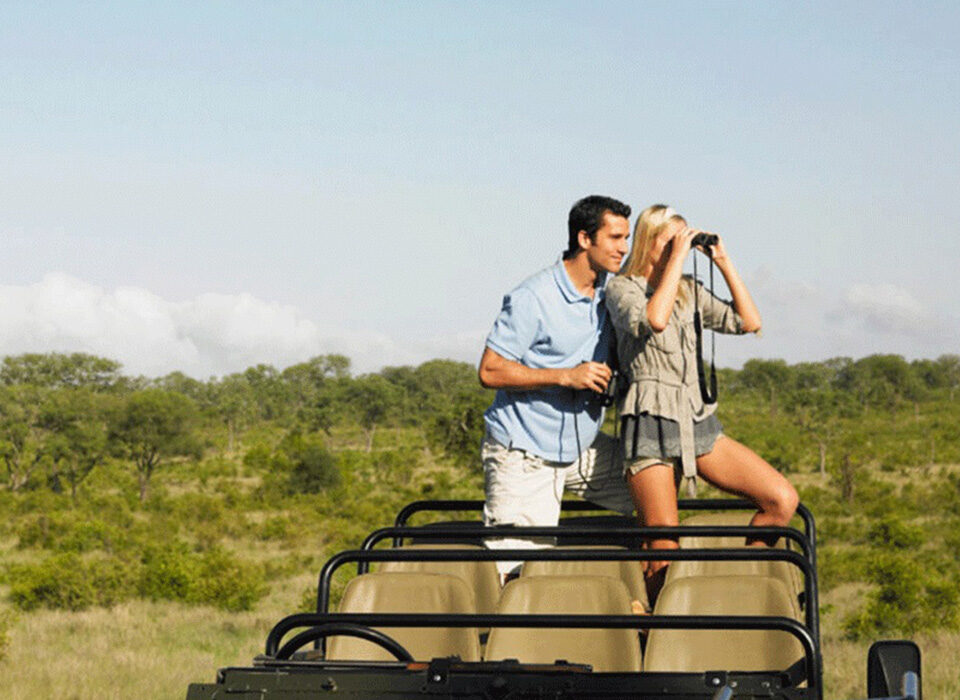
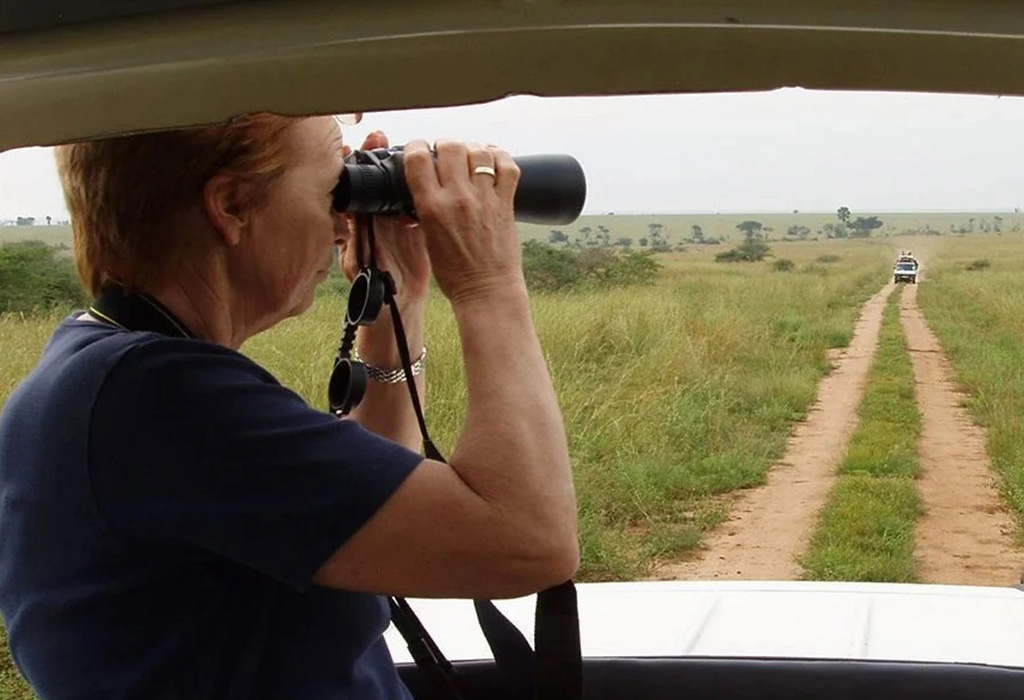
- Binoculars for locating wildlife before taking photographs.
If possible, use a beanbag or another stable support to reduce camera movement during game drives. Also, familiarize yourself with your camera settings before departure so you can react quickly when an interesting moment unfolds.
Wildlife Photography Techniques: Light, Patience, and Composition
Successful big cat photography involves more than finding an animal and pressing the shutter. Instead, photographers must consider light, background, camera settings, and animal behavior.
First, pay attention to the direction of the sunlight. Side lighting can reveal fur texture, while backlighting may create a dramatic outline around a lion or leopard. Meanwhile, a clean background helps the animal stand out and keeps the image visually engaging.
Next, focus carefully on the animal’s eyes whenever possible. Use a sufficiently fast shutter speed to reduce motion blur, especially when photographing walking lions or moving leopards. Adjust your ISO as needed when light levels fall.
Most importantly, remain patient. Waiting quietly can reveal meaningful moments, such as a lion interacting with its pride or a leopard looking toward the camera. These natural behaviors often create more compelling photographs than hurried shots.
Responsible and Ethical Big Cat Photography
Ethical wildlife photography should always guide your safari experience. Although capturing a rare image can be exciting, protecting animals and their habitats must remain the priority.
Follow your guide’s instructions, respect park regulations, and maintain the required distance from wildlife. Never encourage drivers to chase animals, block their movements, or disturb them for a better angle.
Responsible practices include:
- Keeping noise to a minimum around wildlife.
- Avoiding sudden movements that may disturb animals.
- Never feeding or attempting to attract predators.
- Respecting other visitors and limiting unnecessary vehicle obstruction.
- Allowing animals to move freely without interference.
These practices support conservation and help preserve the natural behaviors that make wildlife photography meaningful.
Combine Big Cat Photography with Other Uganda Safari Experiences
A big cat photography safari can become even more rewarding when combined with other wildlife experiences. For example, a boat cruise along the Kazinga Channel in Queen Elizabeth National Park provides opportunities to photograph hippos, elephants, waterbirds, and other animals from the water.
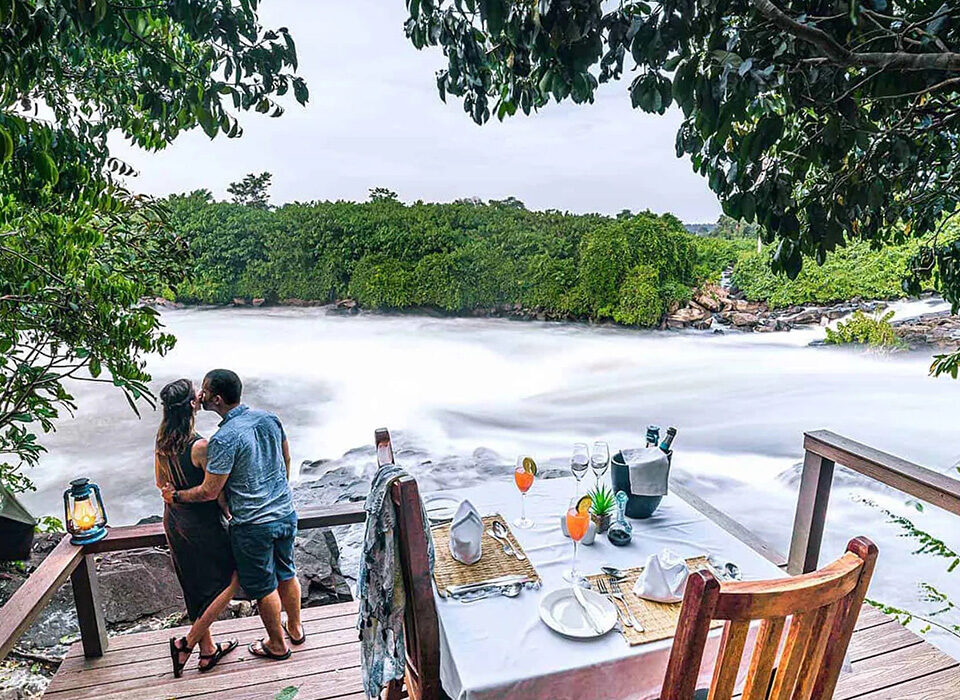
In Murchison Falls National Park, a Nile boat cruise offers different perspectives of the river landscape and its wildlife. Bird photography, scenic landscape photography, and primate experiences can also add variety to your itinerary.
Gorilla trekking may be included in a longer Uganda safari for travelers who want to experience both the country’s forests and savannas. However, these activities require separate planning, appropriate permits where applicable, and enough time to travel between destinations.
Plan Your Big Cat Photography Safari with Gorilla Vista Safaris
Big cat photography safaris in Uganda offer an exciting way to experience Africa’s wildlife through your camera lens. From the lion-filled plains of Queen Elizabeth National Park to the leopard habitats of Murchison Falls National Park, Uganda provides diverse settings for capturing memorable wildlife images.
With suitable equipment, thoughtful planning, patient observation, and responsible guiding, you can make the most of every game drive. Gorilla Vista Safaris can help you plan a wildlife-focused itinerary that reflects your interests, preferred travel dates, and photography experience.
Whether your goal is to photograph tree-climbing lions, search for elusive leopards, or capture the beauty of Uganda’s savannas, this remarkable destination offers plenty of inspiration for your next photographic adventure.