- DIRECT CONTACTS:
- +256 779 116 947
- +256 758 566 300
- info@gorillavistasafaris.com

Activities in Akagera National Park
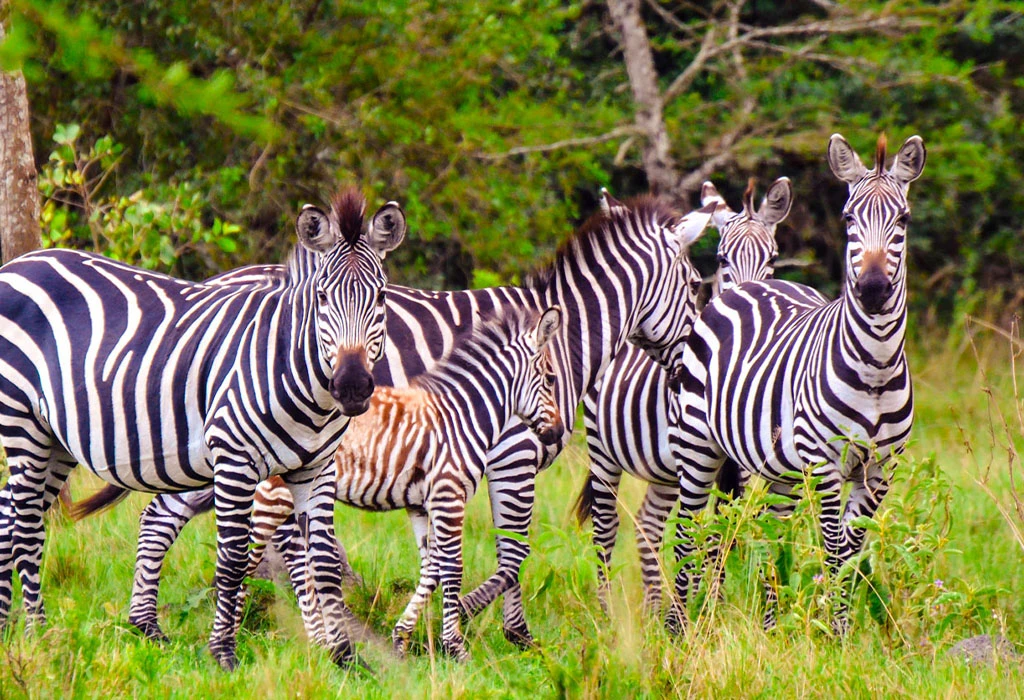
Akagera National Park offers some of the most diverse safari experiences in Rwanda. Located in the eastern part of the country along the border with Tanzania, the park combines open savannahs, wetlands, lakes, woodlands, and rolling hills. This variety of habitats supports an impressive range of wildlife and creates plenty of opportunities for visitors to explore the park in different ways.
From exciting game drives and boat trips to birdwatching, fishing, cultural encounters, and conservation experiences, Akagera gives travelers more than a traditional wildlife safari. Whether you are visiting Rwanda for a short wildlife excursion or combining Akagera with a gorilla trekking adventure in the country’s northwest, the park offers memorable experiences for different types of travelers.
Gorilla Vista Safaris can help visitors organize activities in Akagera National Park and combine them with other destinations across Rwanda.
Game Drives in Akagera National Park
Game drives remain one of the most popular ways to explore Akagera National Park. The park covers approximately 1,122 square kilometers and protects a remarkable variety of wildlife within its savannah and wetland ecosystems.
Akagera is particularly important for visitors who want to see Rwanda’s larger mammals. The park is home to elephants, lions, buffaloes, leopards, and rhinoceroses, making it one of the best places in Rwanda to search for the African Big Five. The reintroduction of lions and eastern black rhinoceroses has also strengthened the park’s wildlife conservation success.
As you drive through the park, you may encounter giraffes browsing on acacia trees, Burchell’s zebras moving across the grasslands, and large herds of buffalo. Depending on the season and location, you can also see impalas, topis, elands, waterbucks, warthogs, hippos, hyenas, and several other antelope species.
For the best wildlife viewing, early morning and late afternoon are generally productive because animals are more active during the cooler hours of the day. Therefore, visitors should plan their drives around these periods whenever possible.
Night Game Drives
Akagera also provides an opportunity to discover wildlife after sunset. A night game drive reveals a completely different side of the park because many animals become active once temperatures fall and darkness sets in.
With the assistance of an experienced guide and a spotlight, visitors can search for nocturnal species such as serval cats, civets, bushbabies, hyenas, and occasionally leopards and lions. You may also encounter animals that are rarely active during ordinary daytime drives.
Furthermore, night drives provide an opportunity to hear the sounds of the African wilderness after dark. Owls and other nocturnal birds can also appear during the experience, making this activity particularly appealing to wildlife enthusiasts and photographers.
Boat Trips on Lake Ihema
A boat trip on Lake Ihema provides a relaxing alternative to exploring Akagera by vehicle. The lake lies within the park and is surrounded by wetlands, woodland, and scenic landscapes.
As the boat moves across the water, visitors can watch hippos resting in the shallows and crocodiles lying along the banks. The surrounding vegetation also attracts numerous water birds, making the experience excellent for birdwatching.
The boat ride combines wildlife viewing with beautiful scenery. Consequently, it is an ideal activity for travelers who want to slow down after a morning game drive while still experiencing Akagera’s wildlife.
Depending on availability and the operator’s schedule, visitors can choose scheduled or private boat experiences. It is advisable to confirm departure times when planning your safari because schedules and operating arrangements can change.
Birdwatching in Akagera National Park
Akagera is one of Rwanda’s most rewarding destinations for birdwatching. Its combination of savannah, woodland, lakes, rivers, and extensive wetlands creates habitats for a remarkable variety of bird species.
During a birding excursion, visitors may spot the iconic grey crowned crane, herons, egrets, kingfishers, raptors, marabou storks, and many smaller woodland and wetland species. The park is also known for the sought-after shoebill, although sightings are never guaranteed because the bird inhabits particular wetland areas.
Birdwatching can complement other safari activities rather than standing alone. For example, visitors can watch birds during a game drive or combine a boat trip on Lake Ihema with focused birding. Early mornings are particularly rewarding because birds are active and temperatures remain comfortable.
Fishing on Lake Shakani
Travelers who enjoy angling can spend time fishing at Lake Shakani. The lake supports species such as tilapia and catfish and provides a peaceful setting away from the excitement of game drives.
Visitors can spend several hours fishing from designated areas while enjoying views across the lake and the surrounding landscape. In some circumstances, visitors may participate in catch-and-release fishing activities, helping to reduce pressure on fish populations.
If you plan to fish during your safari, check the current park regulations and requirements before your visit. You should also confirm whether fishing equipment is available or whether you need to bring your own gear.
Guided Nature Walks
Guided nature walks offer a closer look at Akagera’s smaller and less noticeable forms of life. Instead of viewing the park mainly from a safari vehicle, visitors can explore selected areas on foot with trained guides.
During a walk, you may learn to identify different trees, plants, insects, butterflies, animal tracks, and bird species. Guides also explain how these organisms interact within the park’s ecosystems.
Because walking allows you to concentrate on details that you might overlook during a game drive, it can add an educational dimension to your Akagera experience. Always follow your guide’s instructions and remain within approved walking areas for safety.
Community Cultural Experiences
Akagera’s story extends beyond its wildlife. Communities living around the park play an important role in conservation, and cultural experiences allow visitors to connect with local people while learning about everyday life in the region.
Depending on the experience arranged, visitors can learn about traditional farming, livestock keeping, food preparation, crafts, and other aspects of Rwandan culture. Some experiences may include demonstrations of activities such as milking cattle, preparing traditional products, or making local beverages.
These encounters create meaningful connections between travelers and host communities. More importantly, tourism revenue from community experiences can support local livelihoods and strengthen the relationship between surrounding communities and conservation.
Behind-the-Scenes Conservation Experience
For travelers interested in conservation, the behind-the-scenes experience offers a different perspective of Akagera. Rather than focusing only on wildlife sightings, this activity introduces visitors to some of the work required to manage and protect a national park.
Visitors can learn about conservation programs, wildlife monitoring, park management, and efforts to protect animals and maintain the ecosystem. The experience provides a better understanding of what happens away from the safari tracks.
This makes it particularly valuable for travelers who want to understand how Rwanda has developed Akagera into an important wildlife conservation area.
Walk the Line Experience
The Walk the Line experience gives visitors an unusual opportunity to learn about one of the park’s most important conservation tools: its boundary fence.
Accompanied by experienced guides, visitors walk along a section of Akagera’s perimeter fence and learn about the work involved in monitoring and maintaining it. The experience provides insight into how conservation teams help reduce human-wildlife conflict and protect both wildlife and neighboring communities.
The walk also offers impressive views across the park’s rolling landscapes. As you move along the route, guides explain the challenges involved in maintaining the boundary and protecting Akagera’s wildlife.
Because the activity involves walking for several hours, visitors should wear comfortable walking shoes, carry sufficient drinking water, and prepare for changing weather conditions.
Camping in Akagera National Park
Camping adds another dimension to a safari in Akagera. Spending a night close to the park’s natural surroundings allows visitors to experience the landscape after the day’s activities have ended.
Depending on the campsite and current park arrangements, travelers can enjoy evenings beneath the African sky while listening to the sounds of the surrounding environment. Camping can be especially appealing to adventurous travelers who want a closer connection with nature.
However, visitors should use designated camping areas and follow all park safety guidelines. Akagera is a wildlife area, so travelers should never move around independently at night.
When to Visit Akagera National Park
Akagera can be visited throughout the year, although different seasons provide different experiences. The dry months generally make wildlife easier to locate because animals gather around remaining water sources and vegetation becomes less dense.
The wetter months, meanwhile, transform the park into a lush landscape and can provide excellent conditions for birdwatching. Migratory birds may also add to the park’s already impressive birdlife during certain periods.
Ultimately, the best time depends on your interests. Travelers focused on wildlife viewing may prefer drier conditions, while birders and photographers may appreciate the green landscapes of the rainy season.
Exploring Akagera Beyond the Game Drive
Akagera National Park offers far more than conventional game drives. Visitors can combine wildlife viewing with boat trips, birdwatching, fishing, nature walks, cultural experiences, conservation activities, and camping to create a well-rounded Rwanda safari.
Most importantly, each activity reveals a different part of the park. A game drive introduces you to large mammals, a boat trip highlights the wetlands, a cultural visit connects you with surrounding communities, while conservation experiences show you the work required to protect this remarkable ecosystem.
With careful planning, Gorilla Vista Safaris can help you combine Akagera with other highlights of Rwanda, creating a safari that balances wildlife, nature, culture, and conservation.