- DIRECT CONTACTS:
- +256 779 116 947
- +256 758 566 300
- info@gorillavistasafaris.com

Lion Tracking in Queen Elizabeth National Park, Uganda
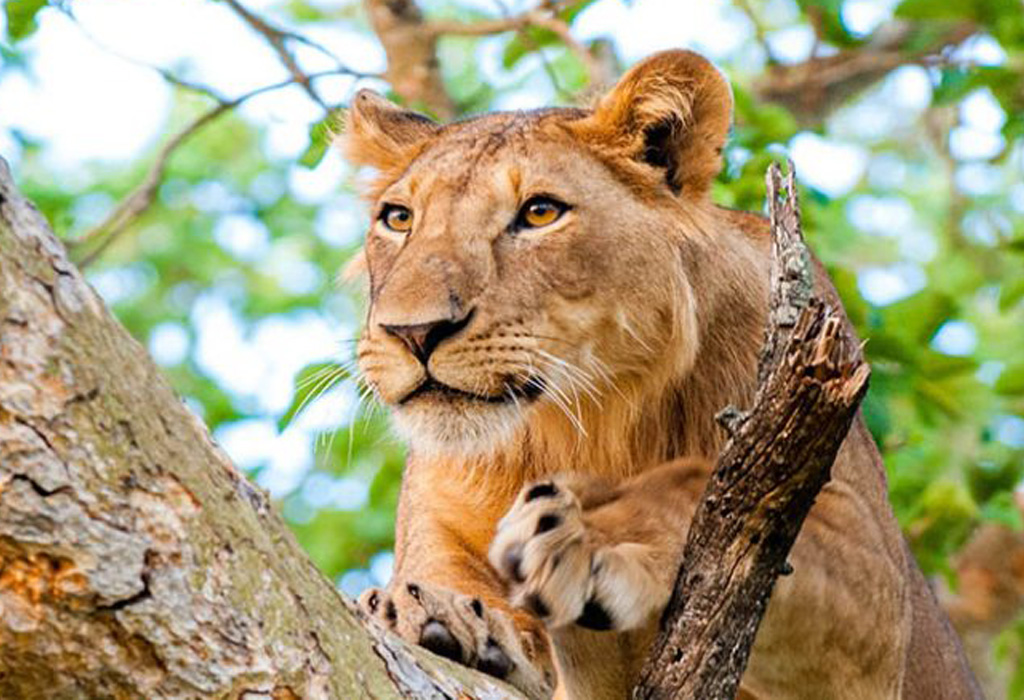
Lion tracking in Queen Elizabeth National Park offers an exciting opportunity to observe Africa’s most iconic predators in their natural habitat. Located in western Uganda, this remarkable wildlife destination is famous for its diverse landscapes, abundant wildlife, and the rare tree-climbing lions of the Ishasha sector. Unlike an ordinary game drive, lion tracking can provide valuable insights into lion behaviour, movements, feeding patterns, and conservation efforts.
During a lion tracking experience, visitors may follow the movements of selected lions with the assistance of trained researchers and experienced guides. This activity offers an opportunity to learn about the challenges lions face in the wild while supporting efforts to protect Uganda’s remaining lion population.
Whether you are a wildlife enthusiast, photographer, or first-time safari traveller, lion tracking in Queen Elizabeth National Park can become one of the highlights of your Uganda safari. The experience also provides an opportunity to explore the park’s beautiful savannah plains, forests, crater lakes, and waterways.
Understanding Lion Tracking in Queen Elizabeth National Park
Lion tracking is a specialised wildlife activity that allows visitors to learn more about lions through guided observation and, where available, research-supported tracking methods. Depending on the programme, researchers may use radio telemetry or other monitoring techniques to locate selected lions and study their movements.
Queen Elizabeth National Park is one of Uganda’s most important lion habitats. Its diverse ecosystems support lions alongside elephants, buffaloes, Uganda kobs, waterbucks, warthogs, and other wildlife species.
Lions play an essential role in maintaining ecological balance because they help regulate populations of herbivores. However, habitat loss, human-wildlife conflict, poisoning, and declining prey availability threaten their long-term survival in some areas.
Lion tracking therefore offers more than an opportunity to see these magnificent cats. It also helps visitors understand why conservation matters and how responsible tourism can contribute to protecting wildlife.
Important: Lion tracking is different from a standard game drive. Special research-based tracking activities depend on current programme arrangements, animal movements, and park regulations. Visitors should confirm availability before travelling.
Where to See Lions in Queen Elizabeth National Park
Queen Elizabeth National Park has several wildlife-viewing areas, but the Kasenyi Plains and Ishasha sector are particularly important for visitors interested in lions.
1. Ishasha Sector: Home of Uganda’s Tree-Climbing Lions
The Ishasha sector lies in the southern part of Queen Elizabeth National Park and is famous for its unusual tree-climbing lions. Unlike most lions, which spend the majority of their time on the ground, some lions in Ishasha regularly rest on the branches of large fig and acacia trees.
Seeing a lion stretched across a tree branch is an unforgettable wildlife experience. These lions often climb into the trees during the warmer hours of the day, making the landscape particularly interesting for photographers.
The Ishasha Plains feature open savannah grasslands, scattered trees, and riverine vegetation. This environment supports a variety of wildlife, including Uganda kobs, topis, buffaloes, elephants, and numerous bird species.
Although the tree-climbing lions attract considerable attention, sightings are never guaranteed. Their movements depend on weather conditions, prey availability, and other natural factors. Experienced guides and park rangers can help visitors search suitable areas while respecting wildlife.
2. Kasenyi Plains: Excellent Opportunities for Lion Sightings
The Kasenyi Plains, located in the northeastern part of Queen Elizabeth National Park, are another popular destination for lion viewing.
The open grasslands support large herds of Uganda kobs, which provide an important food source for lions. Consequently, visitors exploring the plains during a game drive may encounter lions resting in the grass, moving through the savannah, or watching nearby herds.
Kasenyi is particularly rewarding for visitors who want to combine lion viewing with sightings of other wildlife. Buffaloes, elephants, warthogs, and several antelope species also inhabit the area.
Early morning and late afternoon game drives generally offer favourable opportunities to observe active wildlife. Nevertheless, sightings depend on animal movements and the conditions on the day.
Why Do Lions Climb Trees in Ishasha?
Tree-climbing lions are among the most distinctive attractions in Queen Elizabeth National Park. However, climbing trees is not exclusive to lions in Uganda. Lions have also been observed climbing trees in other African destinations, including Tanzania.
Researchers have proposed several explanations for this behaviour, although no single explanation accounts for every sighting.
Escaping the Heat
During the warmer parts of the day, lions may climb trees and rest among the branches. Elevated positions can provide shade and expose them to cooling breezes, helping them avoid the heat of the open savannah.
Avoiding Insects
Some researchers suggest that climbing trees may help lions avoid certain biting insects found closer to the ground. However, the importance of this behaviour may vary with local conditions.
Resting Comfortably
Lions spend many hours resting between hunting activities. Broad tree branches can provide suitable resting places, allowing them to relax while remaining above the ground.
Observing Their Surroundings
A raised position may also provide a useful view of the surrounding landscape. From a tree, lions can observe passing herds and monitor activity within their territory.
Although these explanations help visitors understand the behaviour, tree climbing remains an interesting adaptation rather than a behaviour displayed by every lion.
Conservation of Tree-Climbing Lions in Ishasha
Despite their popularity, lions in Queen Elizabeth National Park face several conservation challenges. Human-wildlife conflict remains one of the most significant threats, particularly in communities bordering the park.
When lions prey on livestock, affected households may experience financial losses. In response, some people resort to poisoning or setting traps, which can kill lions and other wildlife.
The situation becomes more complicated during dry periods when livestock keepers search for water and grazing land. Wildlife may also move beyond park boundaries in search of food, increasing contact between animals and nearby communities.
Conservation initiatives aim to reduce these conflicts through community education, improved livestock protection, monitoring, and tourism-related benefits.
Tourism can support these efforts by generating employment and creating economic incentives for protecting wildlife. Research-based lion tracking programmes may also contribute to conservation by supporting monitoring and increasing public awareness.
Visitors can help by following park regulations, keeping a safe distance from animals, avoiding littering, and respecting the instructions of guides and rangers.
Responsible wildlife tourism is especially important because protecting lions requires cooperation between conservation authorities, researchers, tourism operators, and local communities.
Other Activities to Enjoy in the Ishasha Sector
Although the tree-climbing lions are the main attraction, Ishasha offers several other activities that can enrich your safari.
1. Wildlife Game Drives
Game drives allow visitors to explore the Ishasha Plains in search of different wildlife species. Depending on the season and location, you may encounter:
- Uganda kobs and topis grazing across the savannah.
- African buffaloes moving in herds.
- Elephants feeding or travelling through the plains.
- Warthogs searching for food.
- Baboons and other primates in suitable habitats.
- Birds such as herons, storks, and other savannah or wetland species.
A knowledgeable guide can help identify animals, explain their behaviour, and select suitable routes based on the conditions.
2. Bakiga Cultural Experiences
Visitors can also explore the culture and traditions of communities living around Ishasha. Community-based visits may introduce travellers to traditional foods, farming practices, household activities, music, and local storytelling.
Depending on the host community and the activities available, visitors may learn how residents prepare millet-based foods, cultivate crops, or preserve traditional knowledge.
These experiences provide a valuable opportunity to understand local life beyond the national park. They can also support community livelihoods when visitors book through legitimate community initiatives.
Always approach cultural visits respectfully, ask permission before taking photographs, and follow the guidance of local hosts.
3. Explore the Wider Queen Elizabeth National Park
If you have additional time, consider combining Ishasha with other attractions within Queen Elizabeth National Park.
The Kazinga Channel: A boat cruise along this natural waterway offers excellent opportunities to observe hippos, crocodiles, buffaloes, elephants, and waterbirds along the banks.
Kyambura Gorge: This forested gorge is known for chimpanzee tracking and its distinctive landscape. Chimpanzee sightings depend on the movements of the habituated groups.
Maramagambo Forest: Nature walks provide opportunities to explore forest vegetation and search for birds, butterflies, and other wildlife.
Kasenyi Plains: These open grasslands offer further opportunities for lion viewing and general wildlife game drives.
Combining these destinations creates a varied safari that includes predators, primates, birds, landscapes, and cultural experiences.
How to Access Ishasha for Lion Tracking
Travellers can reach the Ishasha sector by road or air, depending on their itinerary, budget, and preferred travel arrangements.
Travelling by Road
Ishasha can be reached from Kampala or Entebbe through western Uganda. The journey generally passes through towns such as Mbarara before continuing towards Queen Elizabeth National Park.
Driving time varies according to the route, road conditions, traffic, and the location of your accommodation. Allow approximately six to eight hours or more from Kampala, depending on the itinerary and stops.
Travellers already visiting Bwindi Impenetrable National Park can also connect to Ishasha by road. The journey commonly takes several hours, and travel time depends on the starting point and road conditions.
A four-wheel-drive vehicle is strongly recommended, particularly during the rainy season when unpaved roads can become muddy and difficult to navigate.
Travelling by Air
Domestic scheduled or charter flights may provide access to airstrips serving Queen Elizabeth National Park. Mweya and other regional airstrips may be suitable depending on the operator, flight schedule, and safari arrangements.
However, landing at an airstrip does not necessarily place you directly in Ishasha. You may still need a road transfer to reach the southern sector.
Confirm flight availability, baggage restrictions, transfer arrangements, and the location of your accommodation before booking.
Should You Hire a Guide?
Travelling with an experienced safari guide can improve your wildlife-viewing experience. Guides understand the park’s roads, animal behaviour, and seasonal conditions, helping visitors search for wildlife without disturbing it.
If you intend to participate in a specialised lion tracking programme, confirm whether it requires advance reservations, a particular meeting point, or additional arrangements beyond a standard game drive.
Best Time for Lion Tracking in Queen Elizabeth National Park
Queen Elizabeth National Park welcomes visitors throughout the year. However, seasonal conditions can influence road access, vegetation, and wildlife viewing.
Dry Season: June to August and December to February
The dry months are generally popular for wildlife safaris because some tracks are easier to navigate and shorter grass may improve visibility in open areas.
During these periods, visitors exploring Ishasha may have good opportunities to search for lions resting in trees or moving through the grasslands.
However, dry-season conditions do not guarantee sightings. Lions may move into areas with dense vegetation or remain out of view.
Wet Season: March to May and September to November
The rainy seasons bring greener landscapes and can create excellent conditions for photography and birdwatching.
However, heavy rainfall may make some unpaved roads slippery or difficult to navigate. Tall grass can also make certain animals harder to spot.
If you visit during the wet season, allow extra travel time and consider using a suitable four-wheel-drive vehicle.
Practical tip: Regardless of the season, schedule game drives for early morning or late afternoon when possible. These periods often provide favourable conditions for observing wildlife.
What to Pack for a Lion Tracking Safari
Preparing appropriately can make your safari more comfortable and enjoyable.
Consider packing the following essentials:
- Binoculars for observing lions and other wildlife from a safe distance.
- A camera with a suitable zoom lens for wildlife photography.
- Neutral-coloured clothing suitable for the weather.
- Comfortable walking shoes for designated activities outside the vehicle.
- A hat, sunscreen, and insect repellent.
- Drinking water and a reusable water bottle.
- A light rain jacket during wetter months.
- Identification documents and any required booking confirmations.
Follow your guide’s instructions throughout the activity. Never leave your vehicle or approach a lion unless an authorised guide specifically confirms that it is safe and permitted.
Frequently Asked Questions About Lion Tracking in Queen Elizabeth National Park
1. Where can I see tree-climbing lions in Uganda?
The Ishasha sector of Queen Elizabeth National Park is Uganda’s best-known destination for observing tree-climbing lions. Sightings are possible, but they are not guaranteed because lions move freely through their natural habitat.
2. What is the difference between lion tracking and a game drive?
A standard game drive involves exploring the park to observe different wildlife species. Lion tracking is a more specialised activity that may use research-supported monitoring methods to locate selected lions and explain their behaviour. Availability depends on current programme arrangements.
3. How many lions live in Queen Elizabeth National Park?
Lion population estimates change over time as researchers conduct surveys and monitor wildlife. For the most reliable current figures, consult the Uganda Wildlife Authority or conservation researchers working in the park rather than relying on older estimates.
4. Can I see lions during the rainy season?
Yes. Lions remain in the park throughout the year, and visitors can encounter them during the rainy season. However, heavy rainfall, muddy tracks, and thicker vegetation may affect accessibility and visibility.
5. Can I combine lion tracking with gorilla trekking?
Yes. You can plan an itinerary combining Queen Elizabeth National Park with mountain gorilla trekking in Bwindi Impenetrable National Park. This combination offers opportunities to experience savannah wildlife and endangered mountain gorillas during the same Uganda safari.
Allow enough time for road transfers and confirm the availability of all activities before finalising your itinerary.
Plan Your Lion Tracking Safari in Uganda
Lion tracking in Queen Elizabeth National Park offers an opportunity to discover the behaviour, habitat, and conservation needs of one of Africa’s most recognisable predators. From the famous tree-climbing lions of Ishasha to the wildlife-rich Kasenyi Plains, the park provides diverse opportunities for memorable wildlife encounters.
Beyond lion sightings, visitors can enjoy boat cruises along the Kazinga Channel, chimpanzee tracking in Kyambura Gorge, forest walks, birdwatching, and cultural experiences with neighbouring communities.
For the best experience, plan your route carefully, travel with an experienced guide, and remain flexible because wildlife sightings depend on natural conditions.
Most importantly, approach every encounter with respect for the animals and their habitat. Responsible tourism helps protect Uganda’s wildlife heritage and supports the continued conservation of lions for future generations.