- DIRECT CONTACTS:
- +256 779 116 947
- +256 758 566 300
- info@gorillavistasafaris.com

Chimpanzee Trekking in Nyungwe Forest
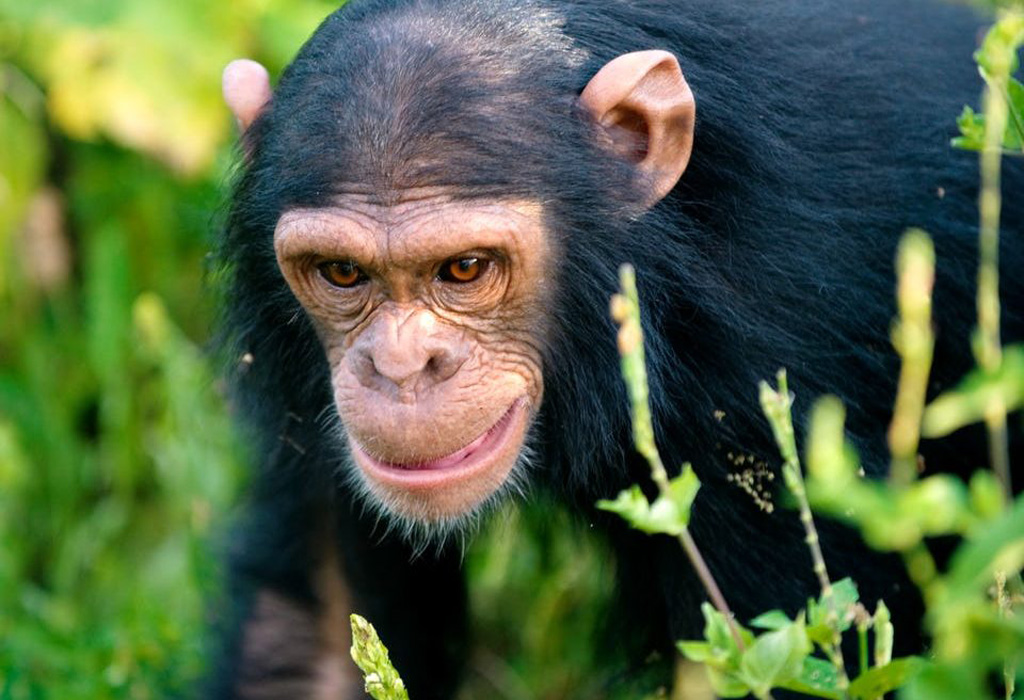
Introduction to Chimpanzee Trekking in Nyungwe Forest
Chimpanzee trekking in Nyungwe Forest is one of the most rewarding wildlife experiences in Rwanda. Located in southwestern Rwanda, Nyungwe Forest National Park protects an ancient montane rain forest known for its rich biodiversity, scenic landscapes, and remarkable primate population. The park offers visitors a rare opportunity to observe wild chimpanzees in their natural habitat while exploring one of Africa’s most fascinating forest ecosystems.
Unlike traditional wildlife safaris, which often involve watching animals from a vehicle, chimpanzee trekking takes you deep into the forest on foot. Accompanied by experienced park guides and trackers, you follow the chimpanzees through their natural environment, learning about their behavior, feeding habits, social interactions, and conservation. Although the trek can be physically demanding, the opportunity to observe these intelligent primates makes the experience worthwhile.
Whether you are planning a Rwanda wildlife safari, a primate-watching holiday, or a broader East African adventure, chimpanzee trekking in Nyungwe Forest offers an excellent combination of wildlife encounters, nature exploration, and unforgettable scenery.
Why Choose Chimpanzee Trekking in Nyungwe Forest?
Nyungwe Forest offers much more than an opportunity to see chimpanzees. Its dense vegetation, diverse wildlife, and beautiful landscapes create an immersive rain forest experience for nature lovers and adventure travelers.
Here are some of the main reasons to include chimpanzee trekking in your Rwanda safari itinerary.
1. Observe Chimpanzees in Their Natural Habitat
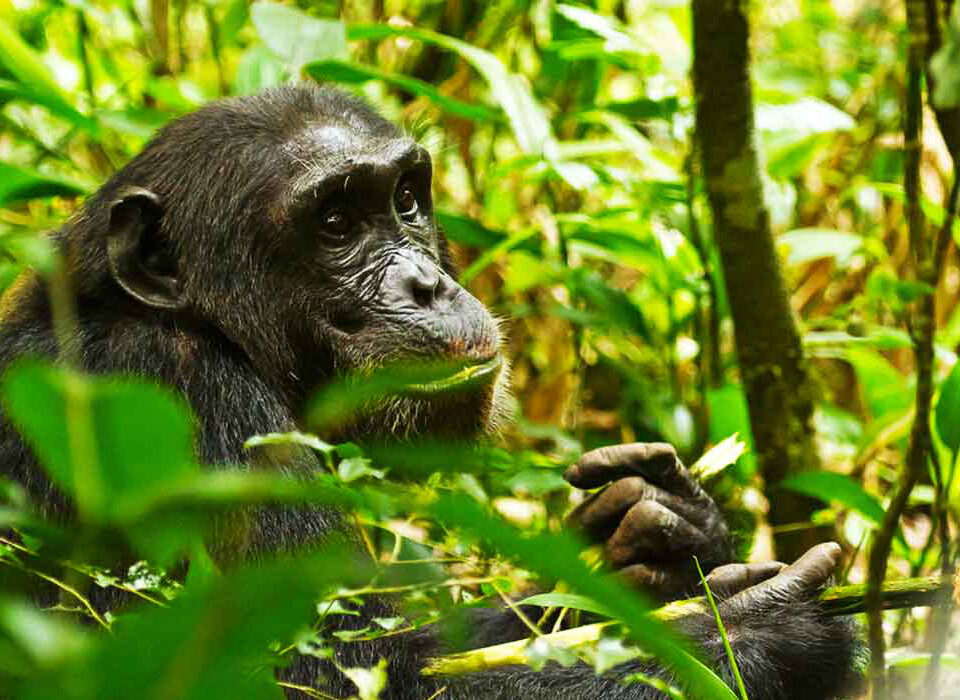
The highlight of chimpanzee trekking in Nyungwe Forest is the opportunity to observe wild chimpanzees as they move through the trees and forest floor. Depending on the group’s location and activity, you may see them feeding, grooming, playing, resting, or communicating through loud calls and other vocalizations.
Chimpanzees are highly social animals with complex relationships and behaviors. Watching them interact in their natural environment offers valuable insight into their lives and the importance of protecting their habitat.
However, sightings are not guaranteed to follow a particular pattern. The chimpanzees move freely through the forest, so each trek can be different.
2. Explore Nyungwe’s Scenic Rain forest Trails
The trek itself is part of the adventure. Nyungwe’s lush vegetation, towering trees, mist-covered hills, and forest sounds create a memorable setting for wildlife exploration.
As you follow your guide along the forest trails, you may encounter colorful butterflies, unusual plants, flowing streams, and beautiful viewpoints. The terrain varies throughout the park, making the experience both challenging and rewarding.
In addition to chimpanzee trekking, visitors can explore other attractions, including:
- The Nyungwe Canopy Walk, which offers elevated views over the rain forest.
- Guided nature walks through selected forest trails.
- Scenic viewpoints and waterfalls, where accessible through designated routes.
- Bird watching opportunities throughout the park.
These activities make Nyungwe an excellent destination for travelers who want to experience more than one wildlife attraction during their visit.
3. Discover Nyungwe’s Remarkable Biodiversity
Nyungwe Forest National Park is one of Rwanda’s most important biodiversity destinations. Besides chimpanzees, the forest supports several other primate species, numerous bird species, and a wide variety of plants and other wildlife.
During your visit, you may encounter black-and-white colobus monkeys, L’Hoest’s monkeys, and other forest-dwelling primates. Bird enthusiasts can also look out for forest specialists, including the great blue turaco.
Although wildlife sightings depend on the season, location, and conditions in the forest, the park’s biodiversity makes every guided walk an opportunity to discover something new.
4. Support Wildlife Conservation
Chimpanzee trekking in Nyungwe Forest also provides an opportunity to learn about rain forest conservation. Responsible tourism helps support protected-area management, wildlife monitoring, and local livelihoods.
By following your guide’s instructions, maintaining a respectful distance from the chimpanzees, and avoiding unnecessary noise, you help minimize disturbance to the animals.
Visitors should also follow all park rules concerning wildlife encounters, photography, and health precautions. These measures help protect both the chimpanzees and the people who visit their habitat.
Chimpanzee Trekking in Nyungwe Forest: Key Information
Before planning your trip, it is important to understand the typical trekking schedule, physical requirements, permit arrangements, and time needed for the experience.
Chimpanzee Trekking Start Time and Duration
Chimpanzee trekking in Nyungwe Forest usually begins early in the morning. Visitors may need to report for an early briefing, sometimes around 5:00–5:30 a.m., depending on the assigned trekking sector and the arrangements confirmed by park authorities.
Starting early allows visitors to enter the forest when chimpanzees may be active and gives trackers an opportunity to locate the groups.
The duration of the trek varies according to the chimpanzees’ movements and the terrain. You may spend approximately one to three hours walking before finding them, although some treks can take longer.
Once you locate the chimpanzees, the permitted viewing period is generally limited to one hour, subject to current park regulations.
Because the forest trails can be steep, slippery, and uneven, visitors should prepare for moderate to strenuous physical activity. A reasonable level of fitness will make the experience more comfortable.
Chimpanzee Trekking Permits and Costs in Nyungwe Forest
A valid permit is required to participate in chimpanzee trekking in Nyungwe Forest National Park. The permit allows visitors to take part in the guided experience under the park’s applicable rules.
The approximate permit price commonly quoted for chimpanzee trekking is US$150 per person, but this figure should be treated as an indicative rate rather than a guaranteed current price. Fees, inclusions, and eligibility conditions can change, so confirm the latest rates with the Rwanda Development Board or an authorized booking provider before making payment.
Depending on the booking arrangement, the total cost of your trip may include additional expenses, such as transportation, accommodation, meals, guide services outside the standard park arrangement, and other activities.
For a clearer budget, consider these expenses separately:
- Chimpanzee trekking permit.
- Transport to and from Nyungwe Forest.
- Accommodation and meals.
- Optional activities, such as the canopy walk.
- Personal expenses and travel insurance.
Compared with Rwanda’s gorilla trekking experience, chimpanzee trekking generally has a lower permit cost. Nevertheless, both experiences offer distinct opportunities to learn about and observe endangered primates.
Booking tip: Reserve your permit in advance, particularly if you plan to travel during busy holiday periods. Confirm the trekking sector, reporting time, and inclusions before finalizing your itinerary.
Best Time for Chimpanzee Trekking in Nyungwe Forest
Chimpanzee trekking in Nyungwe Forest is possible throughout the year, but weather conditions can affect trail accessibility, walking comfort, and the overall experience.
Rwanda generally experiences two relatively drier periods and two wetter periods. The main drier periods occur from June to September and around December to February, although rainfall can occur at any time in the rain forest.
Dry Season: June to September and December to February
The relatively drier months are often preferred by visitors because some trails may be less muddy and walking conditions can be more comfortable.
Advantages of visiting during these periods include:
- Potentially easier movement along forest trails.
- More comfortable conditions for combining trekking with other outdoor activities.
- Good opportunities to explore the canopy walk and other designated attractions.
However, dry-season conditions do not guarantee easy trekking. Nyungwe is a rain forest, so rain, mist, and slippery ground remain possible.
Wet Season: March to May and October to November
The wetter months can bring heavier rainfall and muddier trails. Consequently, visitors should prepare for more challenging walking conditions.
Nevertheless, the rainy season has its own appeal. The forest can appear especially lush, and the experience may suit travelers who enjoy the atmosphere of a thriving tropical rain forest.
Regardless of when you visit, wear suitable footwear, carry rain protection, and follow your guide’s advice.
Overall recommendation: June to September is a popular period for visitors seeking relatively drier conditions. However, the best time for chimpanzee trekking also depends on your travel dates, accommodation preferences, and willingness to hike in wet weather.
How Chimpanzee Trekking Works in Nyungwe Forest
Understanding the trekking process helps you prepare for the experience and make the most of your time in the park.
Step 1: Arrive for the Morning Briefing
Your experience begins at the designated reception or meeting point assigned to your trek. Nyungwe has several access areas, including Uwinka and Gisakura, while other park facilities and routes may serve particular activities.
Your confirmed meeting point depends on your booking and the current arrangements made by park authorities. Arrive at the specified time for registration, instructions, and a briefing on trekking procedures.
During the briefing, the guide explains the rules for entering the forest, staying with the group, and observing chimpanzees responsibly.
Step 2: Enter the Forest with Your Guide
After the briefing, you join your assigned group and begin walking into the forest. Trackers and guides use information about chimpanzee movements to help locate the animals.
The trek can involve following narrow trails, navigating uneven ground, and walking uphill or downhill through dense vegetation. The distance and difficulty vary depending on where the chimpanzees are located that day.
Be patient and listen carefully to your guide, especially when the group moves through challenging terrain.
Step 3: Observe the Chimpanzees
Once the chimpanzees are located, your guide will explain how to observe them safely and respectfully.
Depending on their behavior, you may see them feeding, grooming, resting, climbing trees, or communicating through calls and gestures. Their movements can be unpredictable, so remain with the group and follow all instructions.
Photography may be possible, but avoid sudden movements, loud noises, or any action that could disturb the animals.
Step 4: Spend Time Learning About Their Behavior
The chimpanzee viewing period is generally limited to one hour. During this time, you can observe their social interactions and learn about their ecology and conservation from your guide.
Because the animals are wild, the encounter may differ from one visit to another. Sometimes they remain visible in the trees; at other times, they move through dense vegetation or travel quickly across the forest.
This unpredictability is part of what makes chimpanzee trekking a genuine wildlife experience.
Step 5: Return from the Forest
After the viewing period, your group leaves the chimpanzees and returns along the designated route. Depending on the trek’s duration, you may have time to enjoy another activity in the park later that day.
If your schedule allows, consider adding the Nyungwe Canopy Walk or a guided nature walk to experience another side of the rain forest.
What to Pack for Chimpanzee Trekking in Nyungwe Forest
Packing appropriately can make your trek safer and more comfortable. Since the weather is unpredictable and the terrain can be muddy, practical clothing and equipment are essential.
Consider bringing the following items:
- Hiking boots: Choose comfortable footwear with good grip and ankle support.
- Waterproof jacket: Rain can occur even during relatively dry months.
- Long trousers and long-sleeved clothing: These provide protection from vegetation and insects.
- Drinking water: Carry enough for the planned walk.
- Lightweight backpack: Use it to carry your essentials without restricting movement.
- Insect repellent: Apply it according to the product instructions.
- Camera or binoculars: Useful for wildlife observation, provided you follow park rules.
- Snacks: Bring them only if permitted and follow your guide’s instructions on eating and waste disposal.
- Walking stick: Consider one if you need extra stability on steep or slippery trails.
Avoid carrying unnecessary equipment, as a lighter backpack makes hiking through the forest easier.
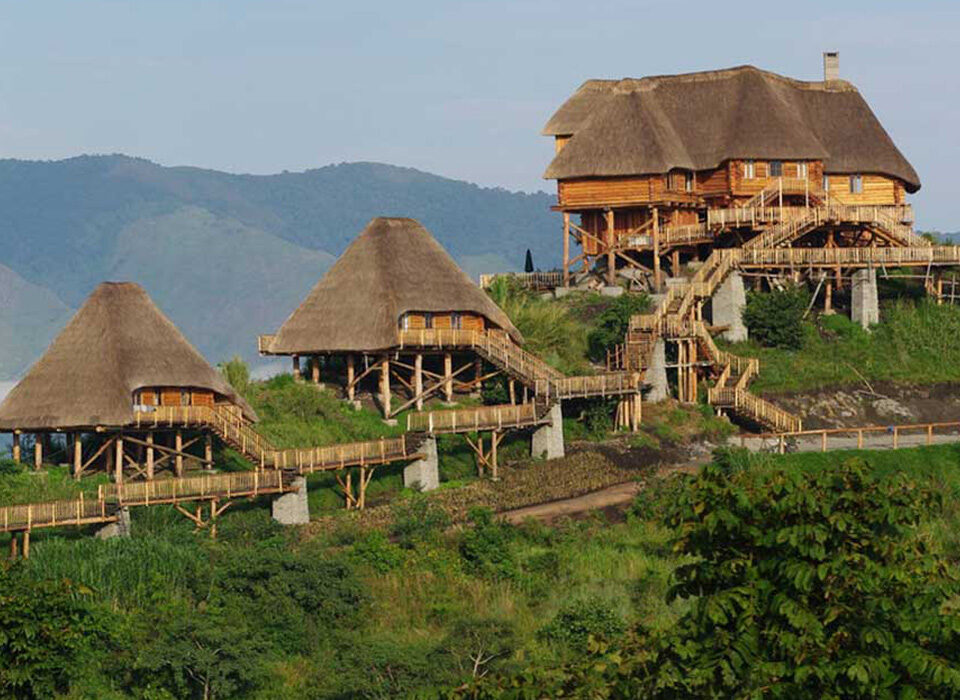
Where to Stay During Chimpanzee Trekking in Nyungwe Forest
Choosing suitable accommodation is an important part of planning your Nyungwe Forest safari. Staying near the park can reduce travel time on trekking day and give you more opportunities to explore the surrounding area.
Accommodation options range from luxury forest lodges to mid-range hotels and simpler guesthouses.
Luxury Accommodation
Travelers seeking a premium rain forest experience can consider luxury lodges in the Nyungwe area. One example is One&Only Nyungwe House, known for its upscale setting near the forest.
Luxury properties may offer refined dining, personalized services, and scenic surroundings. Rates can vary considerably depending on the season, room category, and meal arrangements, so request a current quotation before booking.
Mid-Range Accommodation
Mid-range accommodation can provide a comfortable balance between price, convenience, and amenities. Nyungwe Top View Hill Hotel is one option to investigate when planning your stay.
Check the property’s current rates, location, road access, and transport arrangements to ensure it suits your trekking schedule.
Budget Accommodation
Guesthouses and simpler lodges around the Gisakura area may appeal to travelers seeking more affordable accommodation.
Availability, comfort levels, and prices vary by property and season. Compare recent reviews and confirm whether meals, transfers, and early-morning transport are included.
For the best experience, consider spending at least two nights in the Nyungwe area. This allows you to prepare for your early-morning trek without rushing and leaves time to enjoy additional attractions.
How to Get to Nyungwe Forest National Park
Nyungwe Forest lies in southwestern Rwanda, and travelers can reach the area by road or by combining air travel with a road transfer.
Traveling from Kigali by Road
Driving from Kigali to Nyungwe Forest generally takes around five to six hours, although travel time depends on your destination within the park, road conditions, traffic, and stops along the way.
The journey passes through Rwanda’s scenic countryside, with rolling hills, rural communities, and attractive landscapes along the route.
You can travel by private vehicle, hire a driver, or arrange transport through a tour operator. Private transfers are particularly useful for visitors who want to reach their accommodation in time for an early-morning trekking briefing.
When arranging transport, confirm the meeting point and allow enough time for unexpected delays.
Traveling by Air
Travelers may also investigate flights from Kigali to Kamembe Airport, near Cyangugu and Rusizi in southwestern Rwanda.
Flight schedules, availability, and fares vary, and air travel does not eliminate the need for a road transfer to your accommodation or designated trekking location.
Before booking a flight, confirm its operating schedule, baggage conditions, transfer arrangements, and how long the onward journey will take.
For many visitors, traveling by road offers greater flexibility, while flying may be worth considering when a suitable connection fits the itinerary.
Essential Tips for a Successful Chimpanzee Trek
A little preparation can make a significant difference to your experience. Use these practical tips when planning chimpanzee trekking in Nyungwe Forest.
- Book your permit early. Confirm availability and current prices before finalizing other arrangements.
- Choose suitable accommodation. Staying nearby makes an early start easier.
- Prepare physically. Walking on uneven and slippery ground requires stamina and balance.
- Follow your guide’s instructions. This protects both visitors and wildlife.
- Keep a respectful distance. Never approach, touch, feed, or attempt to attract chimpanzees.
- Follow health precautions. Chimpanzees are susceptible to some human diseases, so comply with all park health and distancing rules.
- Protect the forest. Take your rubbish with you and stay on designated routes.
- Keep your itinerary flexible. Wildlife movements and weather conditions can affect the timing and difficulty of the trek.
Above all, approach the experience with patience. Chimpanzee trekking takes place in a natural environment, and wildlife encounters cannot be controlled like activities in a zoo.
Frequently Asked Questions About Chimpanzee Trekking in Nyungwe Forest
1. How much does chimpanzee trekking in Nyungwe Forest cost?
The permit price is often quoted at approximately US$150 per person, but rates and inclusions can change. Confirm the current official price before booking. Your overall trip budget should also include transport, accommodation, meals, and any additional activities.
2. How long does chimpanzee trekking take?
The search for chimpanzees may take approximately one to three hours, although some treks can be shorter or longer. Once the chimpanzees are found, visitors generally have up to one hour to observe them, subject to current park rules.
3. Is chimpanzee trekking difficult?
Chimpanzee trekking can be moderately to physically demanding because the trails may be steep, uneven, muddy, and slippery. A reasonable level of fitness, suitable hiking boots, and appropriate clothing will help you prepare.
4. What is the best month for chimpanzee trekking in Nyungwe?
June to September is a popular period because conditions are often relatively dry. December to February can also offer favorable conditions. However, chimpanzee trekking takes place throughout the year, and rainfall can occur in every season.
5. Can I see chimpanzees on every trek?
Chimpanzee trekking is organized to improve your chances of finding the animals, but sightings cannot be guaranteed. Chimpanzees move freely through the forest, and their location and behavior change daily.
6. Where does chimpanzee trekking start in Nyungwe Forest?
The designated starting point depends on the trekking sector and your confirmed booking. Uwinka and Gisakura are important park access areas, but you should verify your exact meeting point and reporting time before traveling.
7. Can I combine chimpanzee trekking with the Nyungwe Canopy Walk?
Yes. Many visitors combine chimpanzee trekking with the Nyungwe Canopy Walk or another guided forest activity. However, you should check the schedule and allow enough time for transfers, rest, and the duration of the trek.
8. How many days should I spend in Nyungwe Forest?
Two nights is a useful starting point for many visitors. This gives you time to prepare for an early trek and explore another attraction. Travelers with a greater interest in birdwatching, primates, and hiking may prefer to stay longer.
Is Chimpanzee Trekking in Nyungwe Forest Worth It?
Chimpanzee trekking in Nyungwe Forest is an excellent choice for travelers who want to experience Rwanda’s wildlife beyond the country’s famous mountain gorillas. The combination of guided forest exploration, close observation of wild chimpanzees, and exceptional biodiversity creates a memorable adventure.
From the excitement of following chimpanzee calls through the rain forest to the peaceful scenery of the surrounding hills, the experience offers a deeper appreciation of the natural world. It also highlights the importance of protecting the forests and wildlife that make Rwanda such a remarkable destination.
With the right preparation, a confirmed trekking permit, suitable accommodation, and reliable transport, you can plan a rewarding visit to Nyungwe Forest National Park.
If you are organizing a Rwanda wildlife safari, consider adding chimpanzee trekking to your itinerary. Allow enough time to explore the rain forest, respect the park’s conservation rules, and enjoy the experience at a comfortable pace.
Plan your chimpanzee trekking adventure in Nyungwe Forest today, and discover one of Rwanda’s most remarkable rain forest experiences.




1 Comment
[…] With Gorilla Vista Safaris, travellers can explore opportunities to combine Rwanda coffee tours with cultural experiences, scenic drives and visits to destinations such as Lake Kivu and Nyungwe Forest National Park. […]