- DIRECT CONTACTS:
- +256 779 116 947
- +256 758 566 300
- info@gorillavistasafaris.com
Gorilla Trekking in Mgahinga National Park: Permits, Costs, What to Expect, and Travel Tips

Are you planning an unforgettable gorilla trekking adventure in Uganda? Gorilla trekking in Mgahinga National Park offers an extraordinary opportunity to encounter endangered mountain gorillas in their natural habitat. Located in southwestern Uganda, this beautiful protected area lies within the Virunga Mountains, where Uganda meets Rwanda and the Democratic Republic of Congo.
Although Mgahinga is Uganda’s smallest national park, it offers remarkable wildlife encounters, dramatic volcanic scenery, and lush montane forests. The park protects the Nyakagezi gorilla family, which visitors can track with the guidance of experienced Uganda Wildlife Authority rangers. In addition, Mgahinga is home to endangered golden monkeys, diverse birdlife, and other fascinating forest animals.
With Gorilla Vista Safaris, travelers can plan a memorable Mgahinga gorilla trekking safari while exploring the park’s natural beauty and cultural heritage. However, proper preparation is essential because mountain gorilla trekking involves hiking through uneven terrain, changing weather conditions, and dense vegetation.
Whether you are visiting Uganda for the first time or adding another wildlife destination to your African adventure, Mgahinga promises a rewarding experience that combines conservation, nature, and cultural discovery.
Understanding Gorilla Trekking Permits in Mgahinga National Park
Before embarking on your adventure, you must obtain a valid gorilla trekking permit issued through the Uganda Wildlife Authority (UWA). This permit allows you to participate in a guided trek and spend a strictly limited period observing a habituated mountain gorilla family.
Mgahinga has traditionally offered approximately eight gorilla trekking permits daily, based on the Nyakagezi family’s allocation. Consequently, availability can be limited, particularly during popular travel periods.
How Much Does a Mgahinga Gorilla Trekking Permit Cost?
The cost of a gorilla trekking permit depends on your residency status and the applicable UWA tariff.
The published UWA tariff for July 2024 to June 2026 listed the following rates for gorilla tracking in Mgahinga and Bwindi:
- Foreign non-residents: US$800 per person.
- Foreign residents: US$700 per person.
- East African Community citizens: UGX 300,000 per person.
These figures are historical published rates, not confirmed prices for October 2026. UWA has announced a new 2026–2027 tariff, so confirm the applicable fee before publishing current prices or booking your safari.
You can check official information through the Uganda Wildlife Authority.
When Should You Book Your Gorilla Permit?
Although booking six months ahead is a useful planning target, it is not a universal requirement. The best time to reserve your permit depends on your travel dates, availability, and itinerary.
For example, June through September often attracts many visitors because of generally drier trekking conditions. December through February can also be popular.
Therefore, consider these practical steps:
- Confirm your preferred trekking date before finalizing your itinerary.
- Check permit availability early, especially during peak travel seasons.
- Verify your passport details and residency category when making arrangements.
- Coordinate your accommodation and transport with your trekking date.
- Use official UWA channels or a reputable tour operator to arrange your permit.
Gorilla Vista Safaris can help travelers coordinate their trekking arrangements, accommodation, and transport so the different parts of the safari fit together smoothly.
What to Expect During a Gorilla Trek in Mgahinga
Gorilla trekking in Mgahinga National Park begins early in the morning and continues into the forest with trained rangers and guides. Although every trek follows a different route, the experience combines physical activity, wildlife observation, and the excitement of discovering mountain gorillas in their natural environment.
1. Morning Briefing and Preparation
Your trekking day generally begins at the park headquarters near Ntebeko. After registration, rangers explain the trekking procedures, safety guidelines, and responsible wildlife-viewing practices.
You will also receive instructions about keeping a safe distance from gorillas, following the designated guides, and protecting the forest environment.
Meanwhile, the surrounding Virunga Mountains create an impressive backdrop for the start of your adventure. The cool mountain air, forest sounds, and mist drifting across the slopes introduce you to the unique atmosphere of Mgahinga.
Arrive on time, bring your permit details, and listen carefully to the briefing before entering the forest.
2. Hiking Through the Tropical Forest
Once the briefing ends, your group enters the forest with trained guides who help locate the Nyakagezi gorilla family.
The duration of gorilla trekking varies considerably. Some visitors reach the gorillas after a relatively short hike, while others spend several hours navigating steep slopes and thick vegetation. The Uganda Wildlife Authority advises visitors to allow approximately two to seven hours for gorilla tracking, although individual experiences differ.
Along the way, you may encounter colourful butterflies, hear forest birds calling overhead, and notice signs of other wildlife.
However, do not underestimate the terrain. Mgahinga’s volcanic landscape can include muddy paths, slippery ground, and steep sections. A reasonable level of fitness will help you enjoy the experience more comfortably.
Your guides also communicate with trackers to help determine the gorillas’ location and select an appropriate route.
3. Meeting the Mountain Gorillas
The highlight of gorilla trekking in Mgahinga National Park is the moment you encounter the gorilla family.
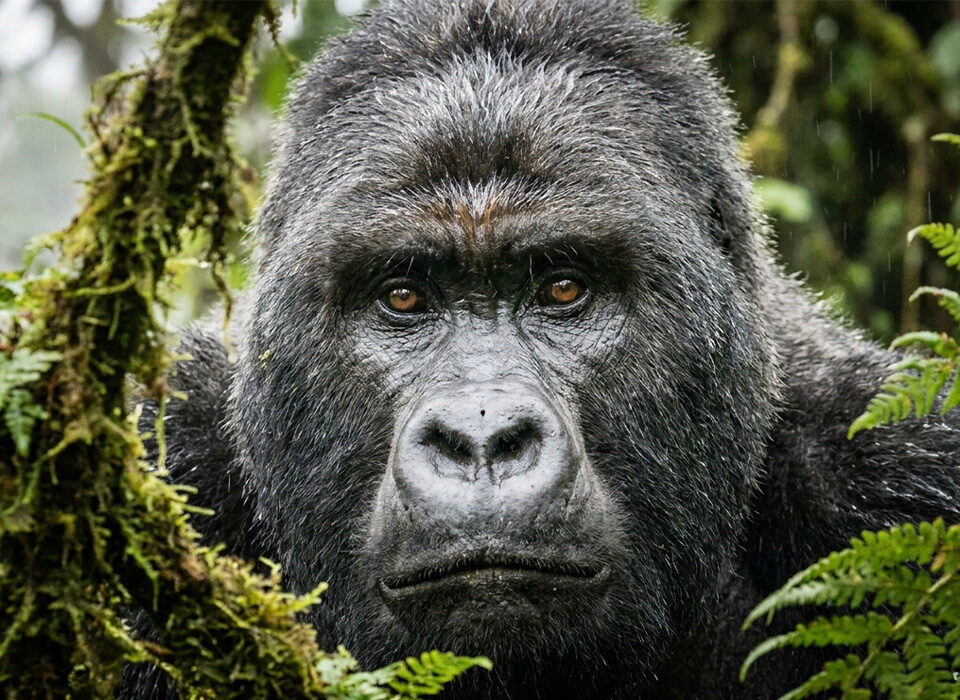
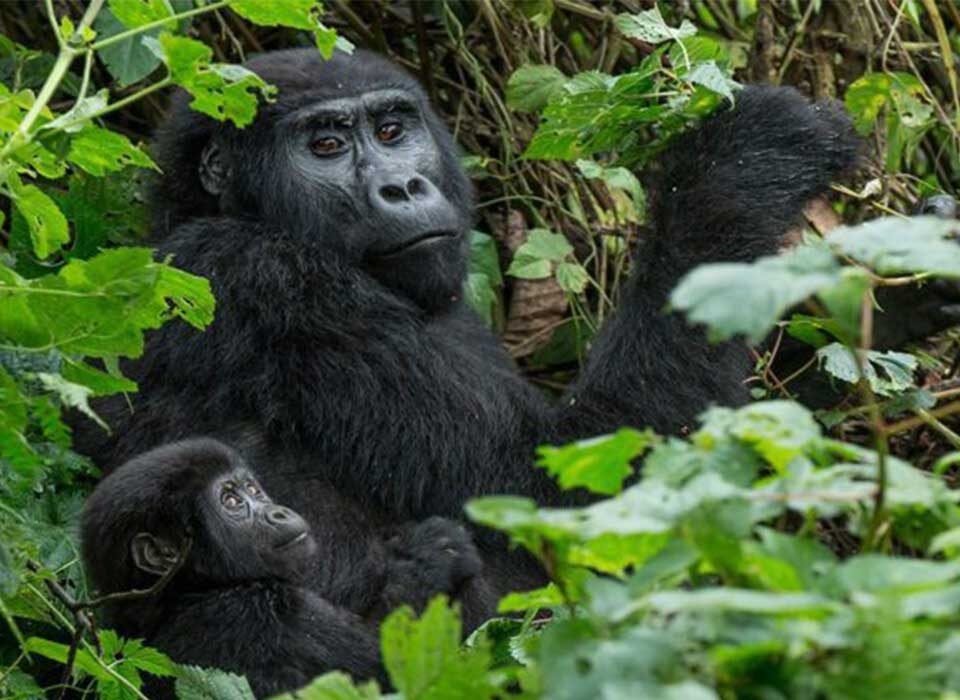
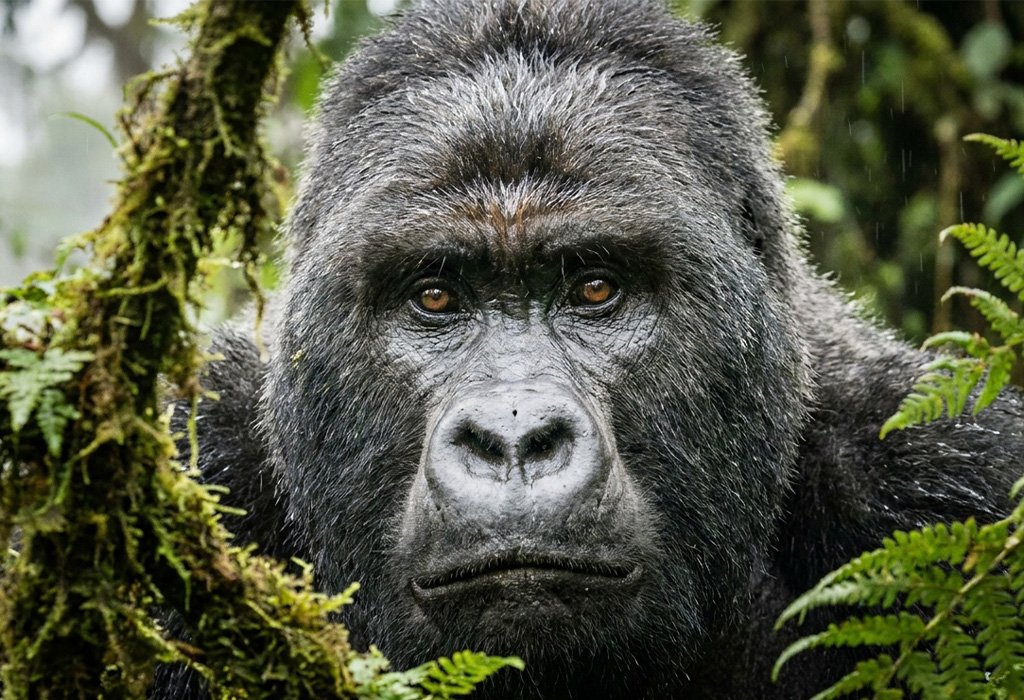
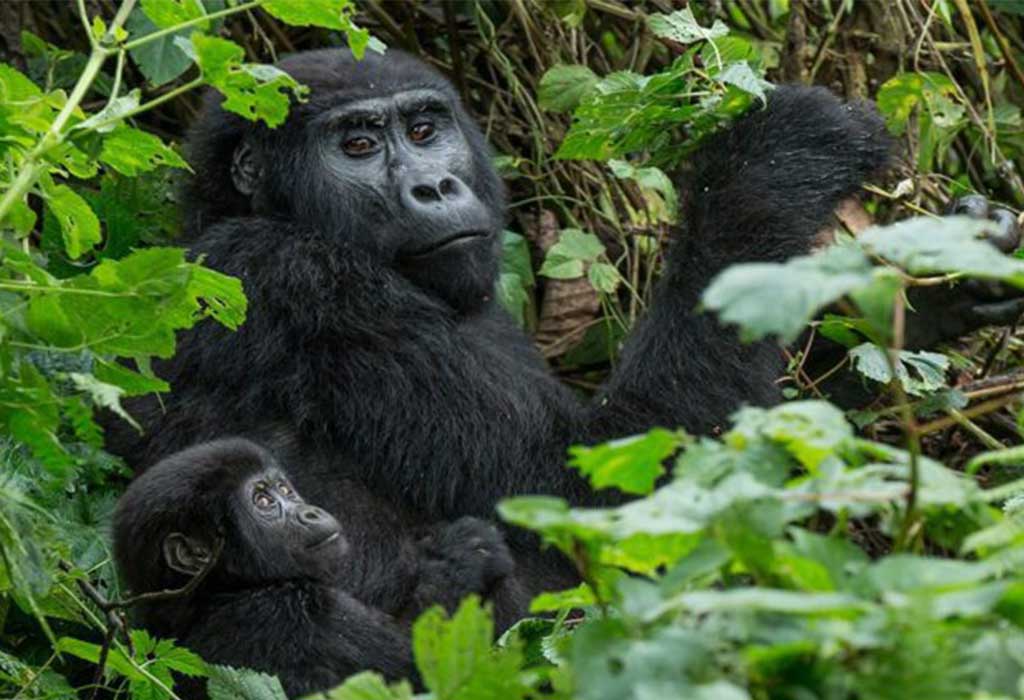
You may see a silverback resting among the vegetation, mothers caring for their young, or juveniles playing while other members feed nearby. Their social interactions provide a fascinating glimpse into the lives of these endangered primates.
Visitors normally receive up to one hour with the habituated gorilla family, subject to the applicable wildlife-viewing rules and ranger instructions.
During this time, remain quiet, follow your guide’s directions, and observe the gorillas without interfering with their natural behaviour.
Photography is generally permitted when it does not disturb the animals. Disable your camera flash before taking pictures, and avoid sudden movements or attempts to attract the gorillas’ attention.
Although the encounter may feel brief, it offers a meaningful opportunity to appreciate the importance of mountain gorilla conservation.
Essential Rules for Responsible Gorilla Trekking
Mountain gorillas are vulnerable to human illnesses, including respiratory infections. Therefore, every visitor has a responsibility to follow the rules designed to protect these endangered animals.
During your Mgahinga gorilla trekking experience, remember to:
- Maintain the minimum distance specified by your guides and current park regulations.
- Follow your ranger’s instructions throughout the trek.
- Avoid flash photography and loud noises.
- Never feed, touch, or attempt to attract the gorillas.
- Avoid eating, drinking, or smoking near the gorillas as directed by park rules.
- Never run toward or away from a gorilla; follow the ranger’s instructions if one approaches.
- Inform the relevant authorities if you feel unwell before trekking.
- Follow the current age restrictions when booking; Uganda generally sets the minimum gorilla trekking age at 15 years.
These measures help protect both visitors and gorillas while ensuring that tourism supports long-term conservation.
What to Pack for Gorilla Trekking in Mgahinga National Park
Packing appropriate clothing and equipment makes your trekking experience more comfortable. Because mountain weather can change quickly, prepare for cool temperatures, rain, and muddy trails even if your safari takes place during a generally dry period.
Essential Clothing and Footwear
Choose practical clothing that protects your skin from scratches, insects, and damp vegetation.
Consider packing:
- Long-sleeved shirts and long hiking trousers in neutral colours.
- Waterproof hiking boots with good ankle support and reliable grip.
- Comfortable hiking socks.
- A lightweight waterproof jacket.
- Warm layers for cool mornings.
- A hat suitable for changing weather conditions.
Avoid relying on ordinary trainers because steep, muddy forest paths may require better traction.
Useful Trekking Accessories
In addition to suitable clothing, prepare a small daypack containing the essentials you may need during the hike.
Useful items include:
- Gardening gloves for gripping vegetation where appropriate.
- Drinking water and a light snack for before or after the gorilla encounter.
- A camera or smartphone with sufficient battery power.
- Binoculars for observing birds and distant wildlife.
- Insect repellent and sunscreen.
- Personal medication and basic hygiene supplies.
- A waterproof bag or cover to protect electronics and important documents.
Pack lightly because you will carry your belongings throughout the trek. If you need additional assistance, ask your tour operator about available porter services.
Beyond Gorilla Trekking: Other Activities in Mgahinga
Although mountain gorillas are the park’s main attraction for many visitors, Mgahinga offers other rewarding activities. Adding another experience can make your Uganda safari more varied and help you appreciate the region’s wildlife and cultural heritage.
Golden Monkey Trekking
Golden monkey trekking is another popular activity in Mgahinga Gorilla National Park. These endangered primates are known for their distinctive golden-orange fur, lively movements, and association with the bamboo forests of the Virunga Mountains.
Unlike gorilla trekking, which focuses on the Nyakagezi family, golden monkey tracking takes visitors into the forest to observe habituated troops.
You may watch the monkeys move between bamboo stems, forage for food, and interact with other troop members. Their energetic behaviour also creates excellent opportunities for wildlife photography.
Golden monkey tracking requires a separate activity permit, and fees are additional to gorilla trekking costs. Check the current UWA tariff and availability when planning your itinerary.
The Batwa Cultural Trail Experience
The Batwa Cultural Trail provides insight into the traditions, knowledge, and history of the Indigenous Batwa people, who have longstanding connections with the forests of the region.
During a guided cultural visit, community members may share traditional knowledge about forest plants, historical hunting practices, food gathering, and their relationship with the surrounding landscape.
This experience can deepen your understanding of how conservation policies affect local communities and why cultural heritage deserves recognition alongside wildlife protection.
For a more meaningful visit, choose a responsible community-led experience that respects local customs and allows Batwa participants to share their knowledge on their own terms.
Learn more about the fascinating facts about the Batwa people.
Where to Stay During Your Mgahinga Gorilla Trekking Safari
Choosing accommodation near Mgahinga National Park helps reduce unnecessary travel on trekking day. Options around Kisoro and the park entrance range from comfortable lodges to guesthouses and budget-friendly stays.
For travelers seeking a luxury experience, Mount Gahinga Lodge offers an accommodation option near the park. Other properties in the wider Kisoro area can suit visitors with different budgets and preferences.
When selecting where to stay, consider the following:
- Location: Choose accommodation that allows you to reach the briefing point on time.
- Comfort: Look for suitable meals, warm bedding, and facilities where you can rest after hiking.
- Budget: Compare the total cost of accommodation, meals, and transport rather than room prices alone.
- Availability: Reserve early if you plan to travel during busy periods.
Gorilla Vista Safaris can help coordinate accommodation with your trekking schedule and other planned activities.
How to Reach Mgahinga Gorilla National Park
Mgahinga lies in southwestern Uganda, near Kisoro town. Travelling from Kampala by road takes approximately nine hours under typical conditions, although traffic, road conditions, and stops can affect the journey.
A four-wheel-drive vehicle is a practical choice, especially when travelling on rough or muddy roads near the park.
Alternatively, scheduled or charter flights from the Entebbe or Kajjansi area to Kisoro can reduce the time spent travelling by road. You will still need ground transport between the airstrip, your accommodation, and the park headquarters.
If you are combining Mgahinga with other Ugandan destinations, allow sufficient time for transfers and recovery between activities. A well-planned itinerary helps you arrive rested and ready for your trek.
Best Time for Gorilla Trekking in Mgahinga National Park
You can arrange gorilla trekking throughout the year, subject to permit availability and park conditions. However, weather can influence trail conditions and the overall difficulty of the hike.
The drier periods, commonly June to September and December to February, often offer more manageable walking conditions. Even so, rain can occur at any time because Mgahinga is a mountainous rainforest environment.
The wetter months may bring slippery trails and more challenging hiking, but the forest remains beautiful throughout the year.
Ultimately, the best time depends on your travel dates, personal preferences, and permit availability. Rather than relying entirely on seasonal forecasts, prepare for changing weather regardless of when you visit.
Plan Your Mgahinga Gorilla Trekking Safari with Gorilla Vista Safaris
Gorilla trekking in Mgahinga National Park offers more than a wildlife sighting. It brings together mountain scenery, rainforest exploration, conservation education, and the opportunity to observe endangered mountain gorillas in their natural environment.
With the right preparation, you can enjoy a rewarding trek while respecting the wildlife and local communities that make this destination special.
Gorilla Vista Safaris can help you organize the key elements of your journey, including permit arrangements, transport, accommodation, and additional experiences such as golden monkey trekking and the Batwa Cultural Trail.
Start planning early, confirm current permit fees, and prepare for the physical demands of hiking in a mountainous forest. Most importantly, approach your visit with patience and respect for the gorillas and their habitat.
Are you ready to explore Mgahinga? Choose a gorilla trekking safari, a golden monkey experience, or a combined wildlife and cultural adventure with Gorilla Vista Safaris.