- DIRECT CONTACTS:
- +256 779 116 947
- +256 758 566 300
- info@gorillavistasafaris.com

How Safe Is the Gorilla Trekking Experience in Africa?
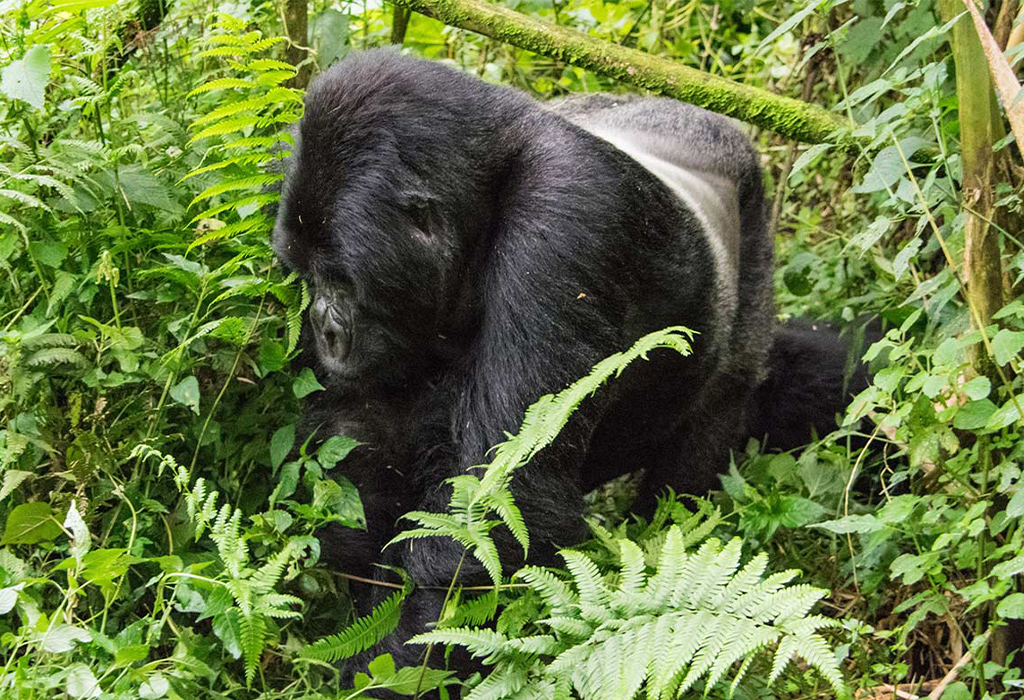
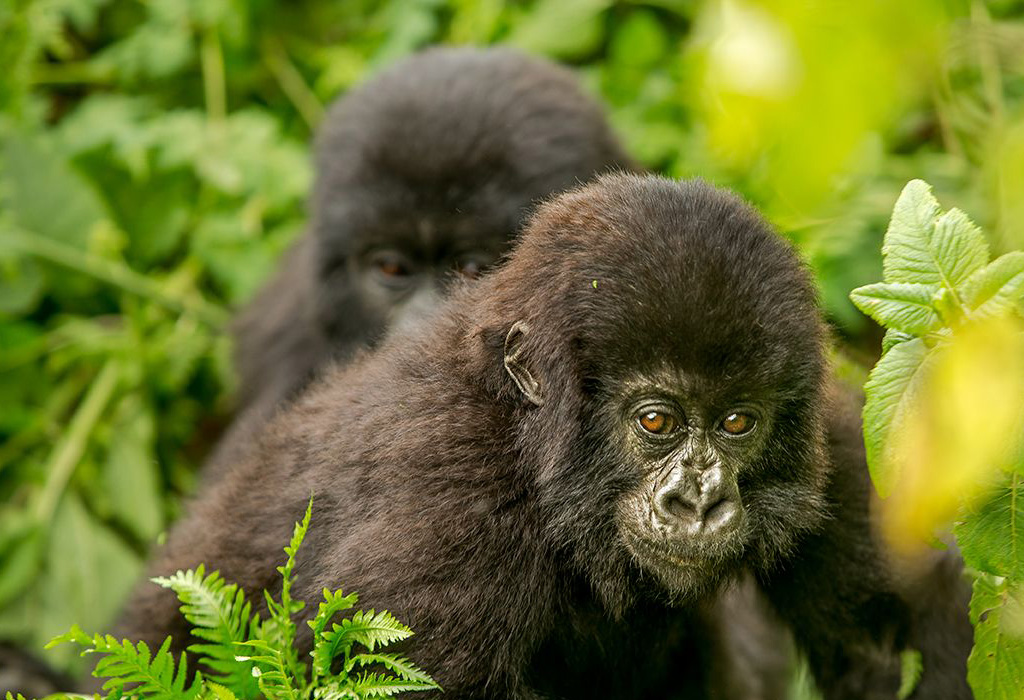
Gorilla trekking is one of Africa’s most remarkable wildlife experiences. It allows travelers to hike through tropical forests, discover unique wildlife, and observe endangered mountain gorillas in their natural habitat. However, before planning this adventure, many travelers ask an important question: how safe is gorilla trekking?
Generally, gorilla trekking in Uganda and Rwanda is considered safe when visitors follow park regulations, listen to trained guides, and respect the gorillas’ natural behavior. Park authorities organize each trek carefully, and experienced rangers accompany visitors throughout the activity. Nevertheless, mountain gorillas remain wild animals, and the forest environment presents natural challenges that travelers should understand before setting out.
At Gorilla Vista Safaris, we recognize that understanding these precautions helps visitors prepare confidently for their journey. Whether you choose Bwindi Impenetrable National Park in Uganda or Volcanoes National Park in Rwanda, knowing the safety guidelines will help you enjoy a responsible and memorable gorilla trekking experience.
What Is Gorilla Trekking?
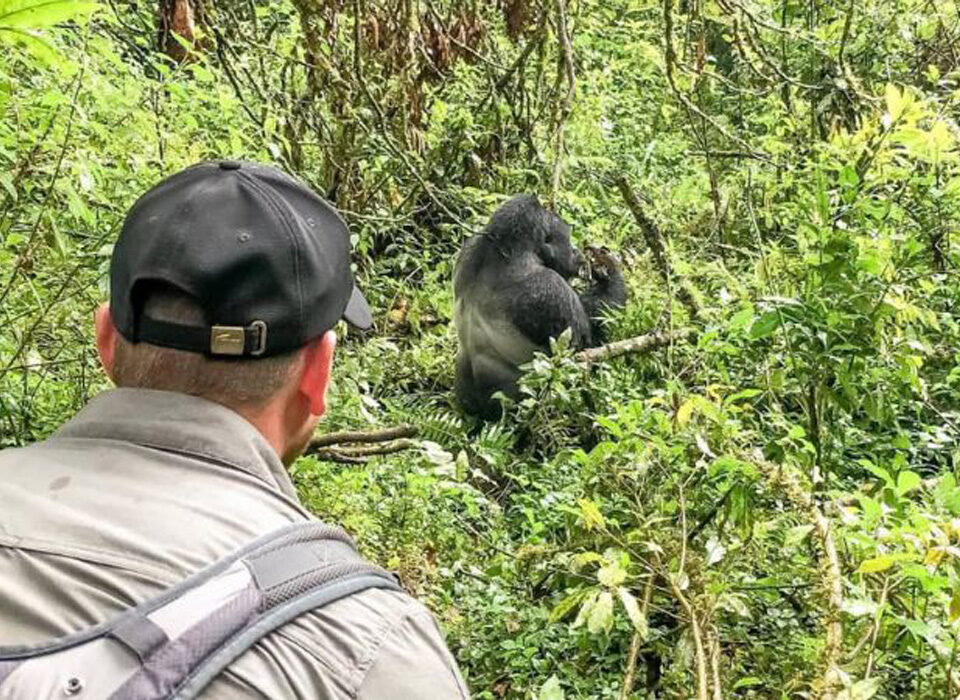
Gorilla trekking involves hiking through a protected forest with trained guides and park rangers to locate a habituated mountain gorilla family. Habituation is a gradual process through which gorillas become accustomed to the presence of humans under carefully controlled conditions.
Once the trackers locate the gorillas, visitors receive a limited period to observe them. Under standard mountain gorilla trekking rules, this visit lasts approximately one hour. During this time, travelers can watch the gorillas feed, groom, interact with their families, and move naturally through the forest.
Mountain gorilla trekking takes place in Uganda, Rwanda, and the Democratic Republic of the Congo (DRC). However, security conditions differ between destinations and can change over time. Therefore, travelers should check current official travel advisories before choosing a destination, particularly when considering travel to eastern DRC.
Is Gorilla Trekking Safe in Uganda and Rwanda?
Yes, gorilla trekking in Uganda and Rwanda is generally considered safe when visitors follow the established rules and participate in officially organized treks. Both countries have systems designed to protect tourists, park staff, and endangered mountain gorillas.
Before entering the forest, visitors attend a briefing explaining how to behave around gorillas, maintain appropriate distances, and respond to instructions from their guides. Rangers and trackers also help locate gorilla families and monitor conditions during the trek.
Furthermore, park authorities regulate the number of visitors permitted to visit each habituated gorilla group. These restrictions help reduce disturbance and support conservation efforts.
However, no wildlife activity is entirely risk-free. Gorilla trekking may involve steep slopes, slippery trails, thick vegetation, biting insects, and unpredictable weather. Although serious incidents are uncommon, travelers should prepare for the physical demands of hiking and follow their guides’ instructions throughout the experience.
Gorilla Trekking Safety in Rwanda
Rwanda offers gorilla trekking in Volcanoes National Park, located in the country’s northwestern region near the borders with Uganda and the Democratic Republic of the Congo. The park forms part of the Virunga mountain ecosystem and protects endangered mountain gorillas alongside other wildlife.
Travelers can reach the park from Kigali in approximately two to three hours by road, depending on traffic and the starting point. This accessibility makes Rwanda a convenient destination for visitors who prefer a relatively short transfer before their trek.
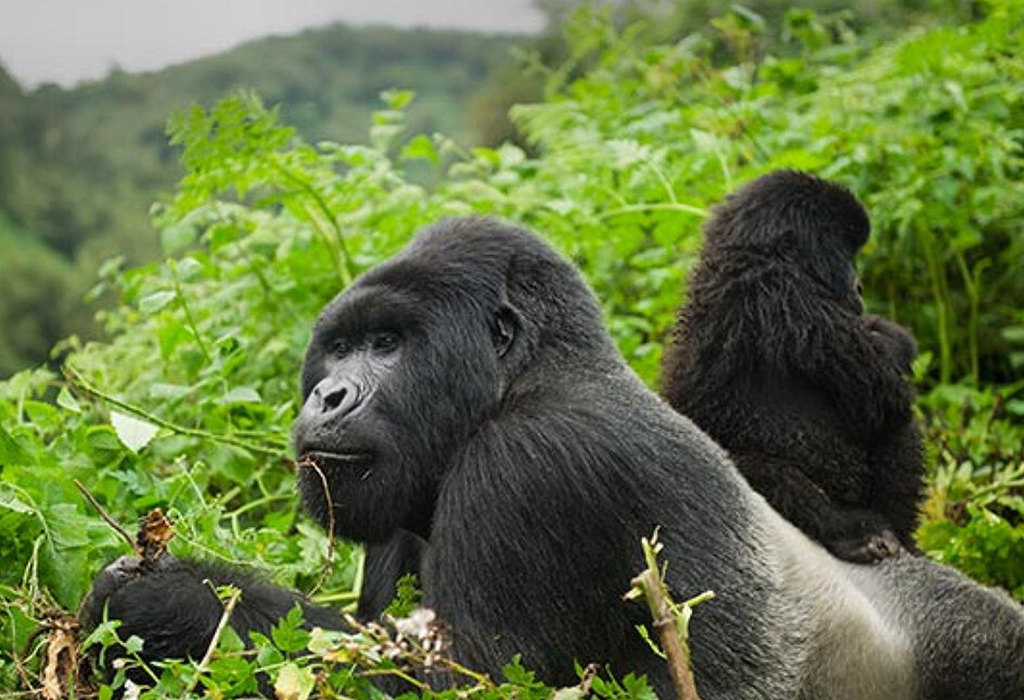
Rwanda’s gorilla trekking activities operate under the supervision of park authorities and trained guides. Before entering the forest, visitors receive safety instructions and are assigned to trekking groups according to the park’s regulations.
The terrain can be steep, and mist, rain, and muddy trails may make hiking challenging. Therefore, suitable hiking boots, long trousers, drinking water for use before or after the gorilla encounter, and a reliable guide are important parts of preparation.
How Much Does a Gorilla Trekking Permit Cost in Rwanda?
Rwanda has traditionally charged international visitors USD 1,500 for a standard gorilla trekking permit. However, permit prices and eligibility for discounted rates can change, so travelers should confirm the current official tariff with the Rwanda Development Board before booking.
A permit generally covers the authorized gorilla trekking experience, subject to the applicable park rules. Accommodation, transport, meals, travel insurance, and other safari services usually require separate arrangements.
Although Rwanda’s permit price is relatively high, some travelers choose the destination because of its road accessibility, established tourism services, and opportunities to combine gorilla trekking with cultural experiences or other national parks.
Gorilla Trekking Safety in Uganda
Uganda is another major destination for travelers seeking a safe and rewarding mountain gorilla trekking experience. The activity takes place in Bwindi Impenetrable National Park and Mgahinga Gorilla National Park, both of which protect mountain gorillas in southwestern Uganda.
Bwindi is particularly well known for its mountain gorilla population and several trekking sectors. Mgahinga, meanwhile, forms part of the Virunga mountain ecosystem and offers visitors an opportunity to trek through dramatic volcanic landscapes.
During a typical trek, visitors meet their guides and rangers for a briefing before entering the forest. Trackers help locate the assigned gorilla family, while the ranger team manages the encounter and explains the required safety precautions.
The hike may take several hours, depending on the gorillas’ location and the terrain. Consequently, visitors should prepare for uneven ground, steep sections, high humidity, and sudden rainfall. Hiring a walking stick where available, carrying enough drinking water for the hike, and wearing sturdy footwear can make the journey more comfortable.
How Much Does a Gorilla Trekking Permit Cost in Uganda?
Under Uganda’s 2024–2026 tariff, a standard gorilla trekking permit for foreign non-residents costs USD 800, while the published rate for East African Community citizens is UGX 300,000. Other visitor categories have different rates.
Because permit tariffs can change, travelers planning a future safari should verify the applicable prices directly with the Uganda Wildlife Authority or an authorized booking provider before making payment.
In addition to permits, visitors should budget for accommodation, ground transportation, meals, and any additional activities included in their safari itinerary.
Gorilla Trekking Safety in the Democratic Republic of the Congo
The Democratic Republic of the Congo has historically offered mountain gorilla trekking in Virunga National Park. However, the region has experienced significant insecurity, including armed conflict and incidents affecting travelers and park personnel.
For this reason, visitors must not assume that gorilla trekking in Virunga is currently available or safe simply because the park has operated tourism activities in the past. Security conditions and access restrictions can change rapidly.
Before considering a visit, check the latest official travel advisories and announcements from the relevant authorities and park management. If authorities advise against travel to the area, choose another destination rather than attempting to enter a restricted or insecure region.
For many travelers, Uganda and Rwanda provide alternative opportunities to experience mountain gorillas through established tourism programs. Even so, visitors should check current advisories for their chosen destination before departure.
Essential Gorilla Trekking Safety Rules
Following the gorilla trekking rules protects both visitors and the endangered animals. Although your guide will explain the regulations before the hike, understanding the main requirements in advance helps you prepare.
1. Maintain the Required Distance
Visitors should follow the minimum viewing distance specified by park authorities. A distance of seven meters has traditionally been recommended, although current guidance may differ according to the applicable regulations and circumstances.
If a gorilla approaches you, do not attempt to touch it or move closer for a photograph. Instead, follow your ranger’s instructions and allow the animal to move freely.
2. Keep Your Voice Low
Speak quietly throughout the encounter. Loud noises, sudden movements, and shouting can disturb the gorillas and make the experience stressful for both the animals and visitors.
Listen carefully to your guide, remain calm, and avoid unnecessary movement while observing the gorilla family.
3. Never Feed the Gorillas
Visitors must not offer food or drinks to gorillas. Feeding wildlife can alter natural behavior and increase the risk of unwanted contact.
Eat and drink only where permitted by your guide, and never leave food waste in the forest.
4. Follow Your Ranger’s Instructions
Rangers understand gorilla behavior and the conditions in the forest. If a ranger tells you to stop, crouch, remain still, or move away, follow the instruction immediately.
Never attempt to separate from your group, approach another gorilla family, or follow an animal without permission.
5. Observe Hygiene Requirements
Mountain gorillas are susceptible to some human respiratory illnesses. Visitors who feel unwell, particularly those experiencing symptoms of a respiratory infection, should inform the park authorities before trekking.
Wash or sanitize your hands as instructed, cover coughs and sneezes, and follow all health precautions provided during the briefing.
6. Protect the Forest Environment
Carry your rubbish out of the park and remain on the routes approved by your guides. Do not remove plants, disturb wildlife, or leave personal belongings behind.
Responsible behavior helps preserve the forest for gorillas, other wildlife, local communities, and future visitors.
How to Prepare for a Safe Gorilla Trekking Experience
Good preparation makes gorilla trekking more comfortable and helps reduce avoidable risks. Start by choosing an officially authorized trekking destination and securing a valid permit through the relevant authority or a reputable safari operator.
Next, prepare for a forest hike. Wear sturdy, well-fitting hiking boots, long trousers, and a long-sleeved shirt. Gardening-style gloves can help protect your hands when moving through vegetation, while a lightweight rain jacket is useful because tropical forests can receive rain throughout the year.
Carry sufficient drinking water for the hike, a small amount of food for use when permitted, and any personal essentials you may need. Use sunscreen and insect repellent where appropriate, and follow your guide’s advice about their application.
You should also assess your ability to manage a potentially strenuous walk. Inform your tour operator about mobility limitations or other relevant needs before booking so they can explain available options. Porters may be available at some trailheads to assist with bags and provide support on difficult terrain.
Finally, purchase suitable travel insurance and review its exclusions, including any conditions relating to remote-area activities, medical evacuation, or wildlife excursions.
Is Gorilla Trekking Safe for First-Time Visitors?
Gorilla trekking can be a rewarding experience for first-time safari travelers, provided they prepare appropriately and follow the park’s rules. You do not need previous wildlife trekking experience, but you should be ready to walk on uneven trails and adapt to changing weather.
Guides explain the procedures before the hike and remain responsible for managing the encounter. Their support helps visitors understand what to expect, how to behave around the gorillas, and when to follow particular instructions.
Nevertheless, first-time trekkers should not underestimate the physical demands of the forest. Allow enough time in your itinerary, wear appropriate clothing, and communicate any concerns to your guide before setting off.
Why Choose Gorilla Vista Safaris for Gorilla Trekking?
Planning a gorilla trekking safari involves more than obtaining a permit. Travelers must also consider accommodation, transport, trekking locations, travel dates, and the latest safety information.
Gorilla Vista Safaris can help travelers organize their Uganda and Rwanda safari arrangements, subject to availability and the applicable booking conditions. A well-planned itinerary should include time for transfers, a suitable overnight stay near the park, and practical guidance on what to pack.
Before confirming your trip, ask about permit availability, the relevant cancellation conditions, accommodation options, transport arrangements, and the latest official safety advice. Clear planning helps you understand the requirements and prepare for your journey.
Conclusion: How Safe Is Gorilla Trekking?
So, how safe is gorilla trekking? In Uganda and Rwanda, the activity is generally considered safe when visitors join authorized treks, follow ranger instructions, maintain the required distance from gorillas, and prepare for the forest conditions. However, natural hazards and wildlife risks remain, while security conditions can vary by destination.
By choosing an appropriate park, checking official travel advisories, respecting conservation rules, and planning your safari carefully, you can make informed decisions about your gorilla trekking adventure.
Contact Gorilla Vista Safaris to discuss your Uganda or Rwanda gorilla trekking itinerary, permit arrangements, accommodation, and practical preparations for a responsible wildlife experience.