- DIRECT CONTACTS:
- +256 779 116 947
- +256 758 566 300
- info@gorillavistasafaris.com

Facts About Elephants in Akagera National Park

Akagera National Park offers one of Rwanda’s most rewarding safari experiences, particularly for travelers who want to see African elephants in their natural environment. Located in eastern Rwanda, the park combines open savannahs, woodlands, lakes, wetlands, and rolling landscapes that support a remarkable range of wildlife.
For many visitors, seeing elephants in Akagera National Park becomes one of the memorable moments of a safari. Watching a herd move quietly through the grasslands, feeding among woodland vegetation, or approaching a water source gives travelers a close look at the daily life of these impressive animals.
With Gorilla Vista Safaris, travelers can explore Akagera through carefully planned game drives and other wildlife experiences while learning about the park’s conservation story.
Elephant Encounters in Akagera National Park
Elephants are among the most impressive animals to encounter during an Akagera safari. Their large size, social behavior, and calm movements make them fascinating to watch, especially when they gather in family groups.
During game drives, visitors may find elephants moving through savannah grasslands, woodland areas, or near water. Early mornings and late afternoons can provide rewarding viewing opportunities because wildlife often becomes more active during the cooler parts of the day.
However, elephant sightings are never guaranteed. These are wild animals, and their movements change according to food availability, weather, water, and other environmental conditions.
Responsible viewing is therefore essential. Safari guides maintain a respectful distance and allow elephants to behave naturally without unnecessary disturbance.
Travelers may observe elephants:
- Feeding on grasses, leaves, and branches.
- Moving between woodland and open savannah.
- Drinking or bathing near water sources.
- Interacting with other members of their family groups.
History of Elephants in Akagera National Park
The history of Akagera National Park elephants is closely connected to Rwanda’s broader wildlife conservation story. In the 1970s, elephants were translocated into Akagera from areas including Bugesera as part of efforts to strengthen wildlife populations within the park.
Historical accounts commonly report that approximately 26 elephants were introduced during this period. Over subsequent decades, the animals adapted to Akagera’s environment and became an established part of its wildlife community.
The elephant population has changed over time as Rwanda experienced periods of environmental and social pressure. However, conservation and protected-area management have helped create better conditions for wildlife recovery.
Today, elephants contribute to the ecological character of Akagera. As large herbivores, they influence vegetation and create pathways through areas they frequently use. Their presence also adds significant value to the park’s safari experience.
Wildlife Diversity in Akagera National Park
Although elephants are a major attraction, there is much more to discover. Akagera supports a diverse collection of mammals, reptiles, birds, and aquatic species across its different habitats.
A typical game drive may produce sightings of:
- African buffaloes.
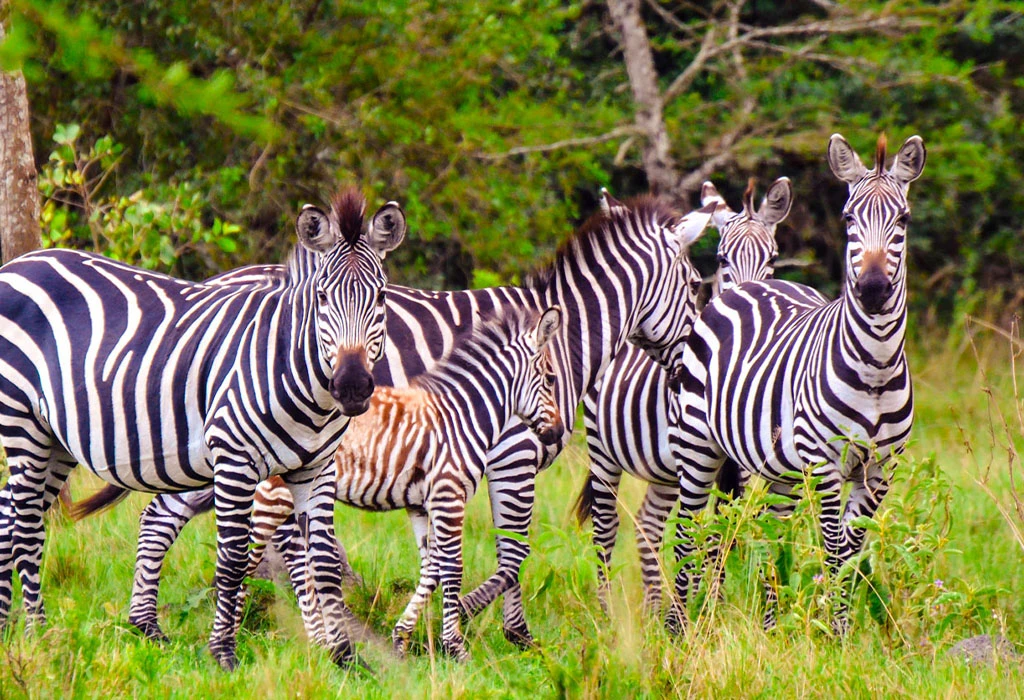
- Giraffes and zebras.
- Lions and leopards.
- Black and white rhinoceroses.
- Impalas, topis, oribis, and bushbucks.
- Hippos and crocodiles.
The park’s lakes and wetlands add another dimension to the safari experience. Lake Ihema, in particular, provides habitat for hippos, crocodiles, and numerous water birds.
Birdwatchers also have plenty to explore. Akagera has recorded more than 500 bird species, making it an important birding destination. Wetlands, papyrus swamps, woodland, and savannah each attract different species.
Activities Beyond Elephant Viewing
An elephant safari in Rwanda does not have to focus exclusively on elephants. Akagera offers several activities that allow visitors to experience different parts of the ecosystem.
Game Drives
Game drives remain the main way to explore the park. Guided morning and afternoon drives allow visitors to search for elephants alongside other wildlife. Night drives provide a different experience, offering opportunities to encounter nocturnal species that are rarely active during daylight.
Gorilla Vista Safaris can incorporate game drives into a wider Rwanda itinerary, allowing travelers to combine Akagera with other destinations.
Lake Ihema Boat Cruise
A boat cruise on Lake Ihema provides a completely different perspective of Akagera. From the water, visitors can watch hippos, crocodiles, and water birds while enjoying views of the surrounding wetlands.
The cruise can also complement a game drive by revealing wildlife that spends much of its time around the lake.
Bird Watching
Akagera’s varied habitats make it particularly rewarding for bird enthusiasts. Depending on the season and location, visitors may search for shoebills, papyrus gonoleks, African fish eagles, bee-eaters, herons, and other species.
About Akagera National Park
Akagera National Park covers approximately 1,122 square kilometers in eastern Rwanda near the Tanzanian border. The park takes its name from the Kagera River, which forms part of its extensive network of wetlands and lakes.
Its landscape changes considerably across the park. Savannah plains provide feeding grounds for large herbivores, while woodland offers shade, shelter, and browsing opportunities. Wetlands and lakes support aquatic wildlife and large numbers of birds.
This combination of habitats explains why wildlife in Akagera National Park is so diverse. Rather than experiencing one uniform landscape, travelers move through several ecosystems during a single safari.
Game Drives in Akagera National Park
Game drives provide some of the best opportunities to see Akagera’s elephants. Experienced guides understand animal behavior and continually assess tracks, vegetation, water sources, and recent sightings when planning their routes.
Morning drives often begin early when temperatures are cooler. Meanwhile, afternoon drives can become particularly enjoyable as the day begins to cool and animals become more active.
Night game drives add another layer to the experience. With specialized lighting and trained guides, visitors can search for nocturnal wildlife while experiencing the park after sunset.
When searching for facts about elephants in Akagera National Park, remember that every encounter is different. One safari may reveal a large family group in open grassland, while another may involve a brief sighting among trees.
Bird Watching in Akagera National Park
Bird watching deserves a place on any Akagera itinerary. The park’s wetlands, lakes, grasslands, and woodland create suitable habitats for hundreds of bird species.
Shoebills are among the species that attract serious birdwatchers, particularly around suitable wetland habitats. Papyrus gonoleks are associated with papyrus-rich areas, while African fish eagles can often be found around lakes and other water bodies.
Therefore, travelers who combine an elephant safari with bird watching can experience two very different sides of Akagera’s biodiversity.
Best Time to Visit Akagera National Park
Akagera can be visited throughout the year. However, wildlife viewing conditions vary with the seasons.
The drier months generally make it easier to locate animals because vegetation becomes less dense and wildlife may concentrate around reliable water sources. The wetter months, on the other hand, bring greener landscapes and can provide excellent conditions for bird watching and photography.
Consider these factors when planning:
- Dry periods: Often favorable for general wildlife viewing.
- Wet periods: Lush scenery and strong birding opportunities.
- Early mornings: Cooler conditions and active wildlife.
- Late afternoons: Good light and renewed animal activity.
Accommodation in Akagera National Park
Travelers can choose from several accommodation styles around and within Akagera. Options include luxury safari camps, comfortable lodges, and intimate tented camps.
Magashi Safari Camp provides a luxury safari experience, while Akagera Game Lodge offers comfortable accommodation with views toward the park. Ruzizi Tented Camp and Karenge Bush Camp provide more intimate experiences for travelers who prefer a closer connection with nature.
Gorilla Vista Safaris can help match accommodation with your preferred budget, itinerary, and safari style.
How to Get to Akagera National Park
Akagera is conveniently located within driving distance of Kigali. The journey from Rwanda’s capital generally takes around two to three hours by road, depending on the route, traffic, and exact destination within the park.
This accessibility makes Akagera suitable for both short wildlife excursions and longer Rwanda safari itineraries.
Travelers can also arrange chartered or scheduled air connections where available, providing an alternative to road travel.
Conclusion
Learning the facts about elephants in Akagera National Park adds greater meaning to a safari experience. These magnificent animals are an important part of the park’s wildlife community and conservation story, while their presence contributes to the ecological diversity that makes Akagera special.
Beyond elephants, visitors can explore savannah plains, wetlands, lakes, forests, and rich bird habitats while searching for some of Rwanda’s most iconic wildlife.
With Gorilla Vista Safaris, travelers can combine elephant viewing, game drives, boat cruises, bird watching, and comfortable accommodation into a well-organized Akagera safari.