- DIRECT CONTACTS:
- +256 779 116 947
- +256 758 566 300
- info@gorillavistasafaris.com
Best time for Gorilla Trekking
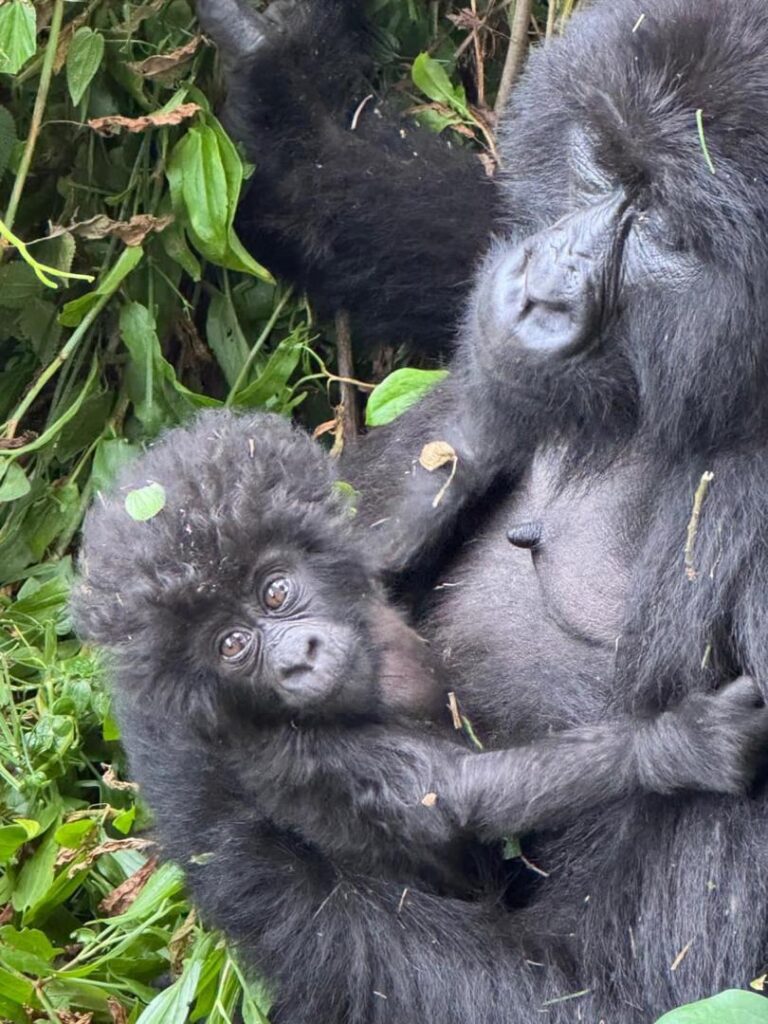
Gorilla trekking is one of the most unforgettable wildlife experiences in the world. Coming face-to-face with mountain gorillas in their natural habitat is both humbling and thrilling. However, choosing the right time for your trek can significantly enhance your overall experience. Weather conditions, trail accessibility, and visibility all play a role in determining when you should plan your adventure. Understanding seasonal patterns will help you make the most of your gorilla trekking journey.
Understanding Gorilla Trekking Season
Gorilla trekking destinations, primarily located in Uganda, Rwanda and Democratic Republic of Congo, typically experience two main seasons: the dry season and the wet (rainy) season. Each season offers its own advantages and challenges, so the “best” time ultimately depends on your preferences.
Dry Season: The Most Popular Time
The dry season is widely considered the best time for gorilla trekking. It usually occurs twice a year, from June to September and again from December to February. During these months, rainfall is minimal, making forest trails less muddy and easier to navigate.
Hiking conditions are generally more comfortable during the dry season. Slippery slopes are less of a concern, and trekkers are less likely to encounter heavy downpours during their journey. Additionally, vegetation is thinner, which can make it easier to spot gorillas through the forest.
Because of these favorable conditions, the dry season is also the busiest time for gorilla trekking. Permits can sell out quickly, and popular parks like Bwindi and Volcanoes may be crowded. Travelers should book well in advance to secure their spot.
Wet Season: A Quieter Alternative
The wet season typically occurs from March to May and again from October to November. While rain is more frequent during these months, gorilla trekking is still very much possible—and can even offer unique advantages.
One major benefit of trekking in the rainy season is fewer tourists. This means a more intimate and less crowded experience in the Forest. Permits are often easier to obtain, and in some cases, discounted rates may be available.
The forest is also at its most lush and vibrant during the wet season. The scenery becomes incredibly beautiful, with thick greenery and fresh growth creating a rich backdrop for photography.
However, trekkers should be prepared for challenging conditions. Trails can be muddy and slippery, making hikes more physically demanding. Rain showers can occur unexpectedly, so proper waterproof gear is essential.
Gorilla Movement and Trekking Experience
Unlike some wildlife experiences, gorilla trekking is possible year-round because mountain gorillas do not migrate. They tend to stay within a defined range, and experienced trackers locate them daily. This means that regardless of the season, your chances of seeing gorillas remain high.
That said, weather conditions can influence how long it takes to find a gorilla family. In the wet season, gorillas may stay closer to lower elevations where food is abundant, potentially shortening trek times. In contrast, during the dry season, they may roam further, requiring longer hikes.
Choosing the Best Time for You
When deciding the best time for your gorilla trekking adventure, consider what matters most to you.
If you prioritize comfort, easier hikes, and clearer trails, the dry season is your best option. It is ideal for first-time trekkers or those who prefer less physically demanding conditions.
If you prefer fewer crowds, lush scenery, and don’t mind a bit of rain, the wet season can offer a more peaceful and immersive experience. It’s also a good option for budget-conscious travelers who may benefit from lower costs.
Tips for Planning Your Trek
Regardless of when you choose to go, preparation is key to a successful gorilla trekking experience. Always pack sturdy hiking boots, long-sleeved clothing, and rain gear. Hiring a porter can also make your trek easier and support local communities.
Booking your permits early is crucial, especially during peak seasons. Gorilla trekking permits are limited and highly sought after, so planning ahead ensures you don’t miss out
What you should know!
Gorilla trekking is a year-round adventure, with each season offering something unique. The dry season provides ease and accessibility, while the wet season delivers tranquility and stunning natural beauty. By understanding the differences between these seasons, you can choose the perfect time that aligns with your travel style and expectations.
No matter when you go, the experience of encountering mountain gorillas in the wild will leave a lasting impression, one that stays with you long after your journey ends.