- DIRECT CONTACTS:
- +256 779 116 947
- +256 758 566 300
- info@gorillavistasafaris.com

Preparing for Your First Gorilla Trek: Physical and Mental Readiness

Imagine walking through a misty rainforest, listening to birds singing in the treetops as your guide leads you deeper into the wilderness. The trail winds through thick vegetation, the ground feels damp beneath your boots, and every turn brings something new to discover. Then, suddenly, you come face to face with a family of mountain gorillas resting peacefully in their natural habitat.
For many travellers, this is a dream come true. However, reaching these magnificent primates can require patience, determination, and a reasonable level of physical fitness.
Preparing for your first gorilla trek involves more than booking a permit and packing your camera. You also need to prepare your body for hiking, develop the right mindset, choose suitable equipment, and understand how to behave around these endangered animals.
Whether you plan to trek in Uganda or Rwanda, taking time to prepare can make your experience more comfortable, enjoyable, and rewarding.
At Gorilla Vista Safaris, we believe that a successful gorilla trekking adventure begins long before you enter the forest. With the right preparation and realistic expectations, you can approach your first trek with confidence while appreciating the importance of mountain gorilla conservation.
This guide explains how to improve your fitness, prepare mentally, choose the right trekking gear, and make the most of your first mountain gorilla encounter.
1. Understanding What Gorilla Trekking Involves
Before preparing for your first gorilla trek, it helps to understand what the experience actually involves.
Gorilla trekking is a guided wildlife activity in which visitors hike through tropical forests to find habituated mountain gorilla families. In Uganda, you can participate in this experience in Bwindi Impenetrable National Park and Mgahinga Gorilla National Park. In Rwanda, gorilla trekking takes place in Volcanoes National Park.
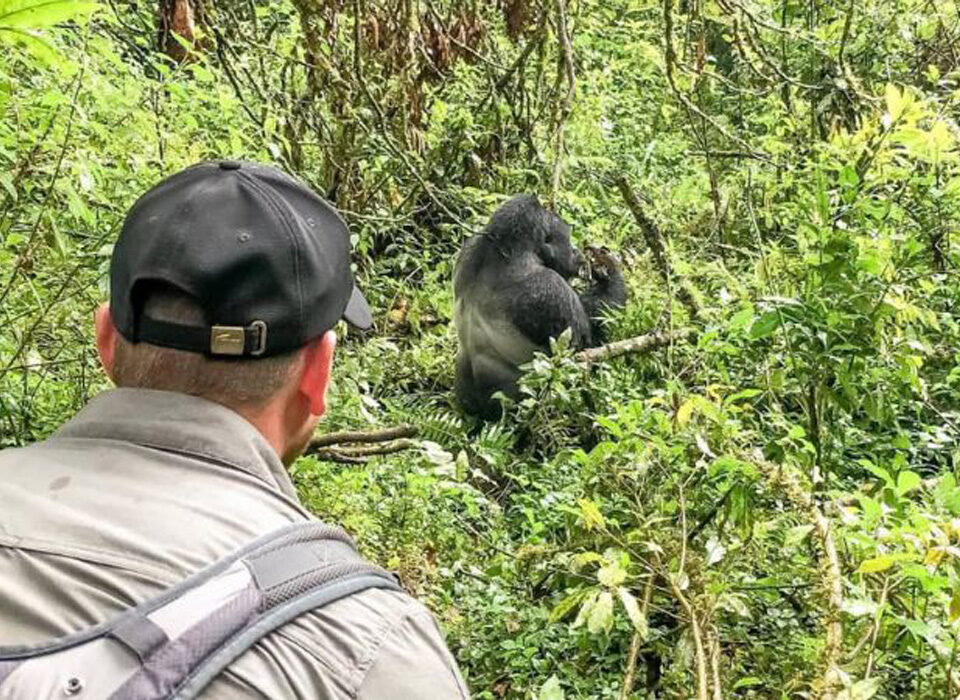
During the trek, experienced trackers locate the gorillas, while trained guides and park rangers lead visitors through the forest. Depending on where the gorillas have moved, you may follow established trails or navigate steep hillsides, muddy paths, and thick vegetation.
The duration of the hike varies from one day to another. Sometimes, trackers locate a gorilla family relatively close to the starting point. On other occasions, visitors spend several hours walking before reaching the viewing location.
Therefore, it is best to prepare for a potentially demanding hike rather than assume the gorillas will be easy to find.
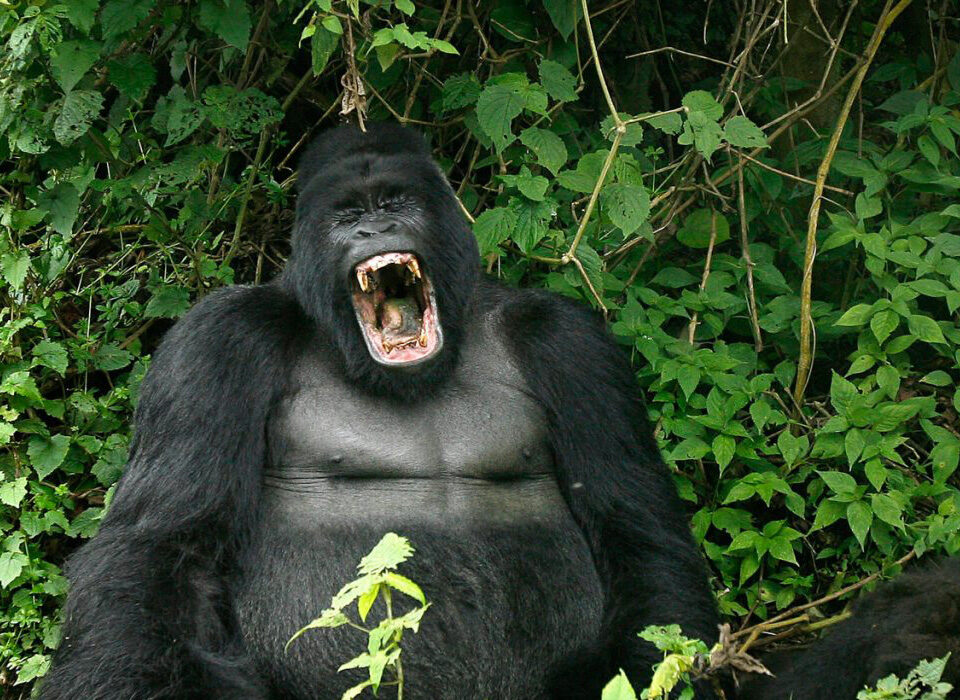
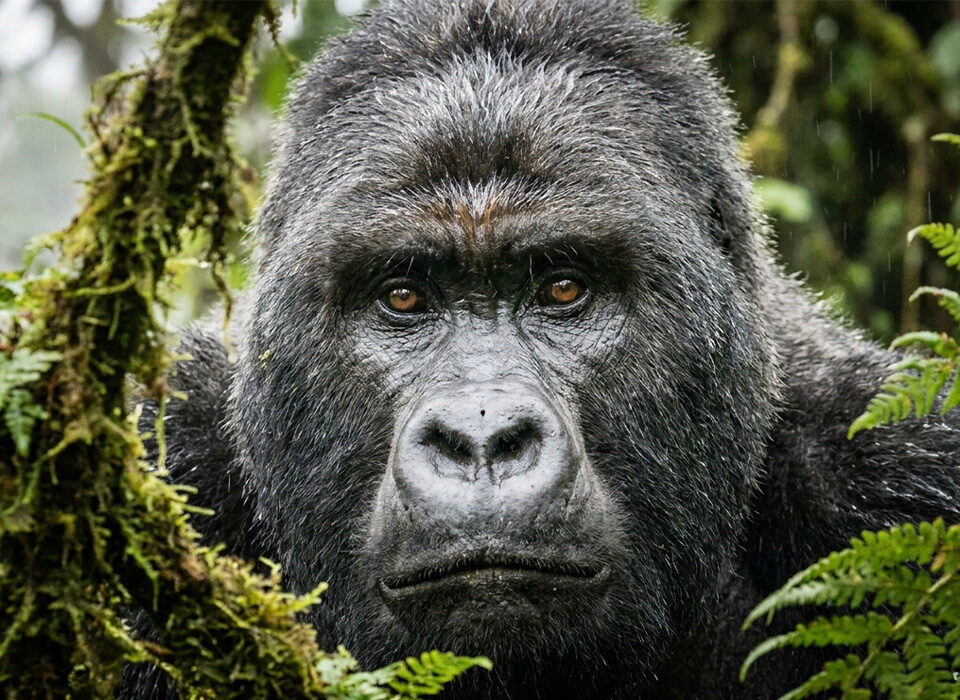
Once you locate the family, visitors generally spend up to one hour observing the gorillas, subject to the applicable park regulations. During this time, you may see a silverback watching over his family, young gorillas playing among the vegetation, or a mother gently caring for her infant.
These natural moments are what make gorilla trekking such a special experience.
2. How to Improve Your Physical Fitness Before Gorilla Trekking
You do not need to be an experienced athlete to enjoy gorilla trekking. However, having a reasonable level of fitness can make the hike easier and help you manage the uneven terrain.
The good news is that you can prepare gradually, even if you do not regularly participate in outdoor activities.
Ideally, begin your training several weeks before departure. Choose exercises that suit your current fitness level, increase the difficulty gradually, and allow your body enough time to recover.
Build Your Cardiovascular Endurance
Gorilla trekking often involves extended periods of walking through forested terrain. Some routes include steep climbs, while the humidity and elevation can make physical activity feel more demanding.
Improving your cardiovascular endurance can help you maintain a comfortable pace throughout the hike.
Start with activities such as brisk walking, swimming, cycling, or light jogging. If you already enjoy hiking, gradually increase the distance or difficulty of your regular walks.
For example, you might begin with a 30-minute walk and gradually work towards longer sessions as your endurance improves.
Useful activities include:
- Brisk walking on different surfaces.
- Hiking on gentle hills before progressing to steeper trails.
- Cycling or swimming to improve endurance.
- Climbing stairs to strengthen your legs and build stamina.
Consistency matters more than pushing yourself too hard during a single workout. The aim is to prepare your body gradually so that you feel more comfortable walking for extended periods.
If you have a medical condition or are concerned about your ability to manage strenuous activity, speak with a qualified healthcare professional before beginning an intensive exercise programme.
Strengthen Your Legs and Core
Good endurance is important, but strength and balance also play a significant role during gorilla trekking.
You may need to step over fallen branches, negotiate slippery slopes, or maintain your balance while moving through thick vegetation. Strong leg and core muscles can help you handle these situations more comfortably.
Simple exercises such as squats, lunges, step-ups, and planks can help strengthen the muscles you use while hiking.
Start with movements that feel manageable and gradually increase the difficulty as your strength improves. You do not necessarily need a gym membership or expensive equipment to prepare.
Where possible, practise walking uphill and downhill as part of your routine. These movements can help prepare your muscles for the changing elevations you may encounter in Bwindi or the Virunga Mountains.
Practise Walking for Longer Periods
One of the most practical ways to prepare for gorilla trekking is to spend more time walking outdoors.
Begin with shorter walks and gradually increase their duration. Whenever possible, choose routes with different surfaces, gentle slopes, and uneven ground to help you become more comfortable on varied terrain.
If your current fitness allows, consider taking a longer weekend walk lasting two to three hours. Carry a light daypack containing water and a rain jacket so you can practise walking with some of the equipment you intend to bring.
Remember, however, that you do not need to complete a particular distance or carry a heavy backpack to enjoy gorilla trekking.
The goal is to develop comfortable endurance, improve your confidence, and prepare yourself for a day outdoors.
3. Prepare for Altitude, Humidity, and Changing Weather
Mountain gorillas live in elevated forest environments where the weather can change quickly. One moment, the morning may feel cool and pleasant; a short time later, mist or rain may settle over the forest.
Some trekking routes also involve considerable elevation changes, which can make walking more demanding.
If you are not accustomed to hiking in mountainous areas, you may notice that you become breathless more quickly than usual. This is one reason why maintaining a steady pace is so important.
Here are several practical ways to prepare:
- Arrive well rested: Avoid unnecessary strenuous activities immediately before your trek.
- Drink water regularly: Carry sufficient drinking water and take small sips throughout the hike.
- Maintain a comfortable pace: Walk at a speed that allows you to breathe comfortably and communicate with your guide.
- Dress in layers: Wear clothing that protects you from rain while allowing you to adjust to changing temperatures.
- Pay attention to your body: Unusual dizziness, headaches, nausea, or extreme fatigue should not be ignored.
Allow yourself enough time to settle into your destination before trekking whenever your itinerary permits. However, spending extra time at a high elevation does not guarantee that you will fully acclimatise.
If you begin feeling unwell during the hike, inform your guide promptly and follow their advice. Do not push yourself to continue when you need assistance.
4. Choosing the Right Gear for Your First Gorilla Trek
The right clothing and equipment can make a noticeable difference to your comfort in the forest.
Gorilla habitats are often damp, and the trails can become muddy or slippery. Thick vegetation may also scratch exposed skin, while rain can arrive unexpectedly.
Fortunately, you do not need to purchase an expensive collection of outdoor equipment. Focus on comfortable, reliable items that protect you from the elements and allow you to move freely.
Wear Comfortable Hiking Boots
Your footwear is one of the most important parts of your trekking equipment.
Choose sturdy hiking boots that fit properly and provide good traction on uneven ground. Ankle support and water resistance can also be helpful, particularly when walking on slippery forest trails.
Avoid wearing brand-new boots for the first time on your trekking day. Instead, wear them during your preparation walks to make sure they feel comfortable and do not cause blisters.
Pair your boots with comfortable hiking socks that help reduce friction.
Dress for Protection and Comfort
Long trousers and long-sleeved shirts help protect your skin from thorny vegetation, insects, and rough foliage.
Lightweight, breathable clothing is often a practical choice because the forest can feel warm and humid, even when the air is cool.
A waterproof jacket is also essential. Since rain can begin with little warning, choose one that fits easily into your daypack.
Trekking or gardening gloves may help protect your hands when moving through rough vegetation. However, always follow your guide’s instructions and avoid grabbing or damaging plants unnecessarily.
It is also worth carrying spare clothing, especially if you expect to travel to another destination after the trek.
Pack a Lightweight Daypack
A small, comfortable backpack allows you to carry your essentials without adding unnecessary weight.
Before leaving for your safari, check that everything fits securely and that you can access important items easily.
Your daypack should ideally contain:
- Drinking water.
- A waterproof jacket and an extra clothing layer.
- Sunscreen, insect repellent, and a hat.
- A camera or smartphone with sufficient battery power.
- Personal medication and tissues.
- Comfortable snacks, if permitted by park regulations.
- Trekking poles, if you find them useful and their use is permitted.
Keep your camera protected from rain and avoid carrying valuables you do not need.
If you would prefer not to carry your bag throughout the trek, you may be able to hire a local porter, depending on the arrangements available at your destination. Porters can provide valuable assistance while earning income that supports their families and local communities.
5. Mental Preparation: Patience Is Part of the Adventure
Physical preparation is only one part of getting ready for your first gorilla trek. Your mindset can make an equally important difference.
Unlike a visit to a zoo, gorilla trekking takes place in a natural environment where wildlife movements cannot be predicted precisely.
The gorillas may be feeding in a nearby area, or they may have moved deeper into the forest. You could encounter muddy trails, changing weather, steep climbs, or a longer hike than you originally expected.
Understanding this before your trip can help you approach the experience with patience and flexibility.
Set Realistic Expectations
It is natural to imagine finding the gorillas quickly and capturing beautiful photographs during your first encounter. However, the actual experience may be different from what you have seen in travel brochures or on social media.
Some visitors reach their assigned gorilla family after a relatively short walk. Others spend several hours hiking before finding the animals.
Both situations are part of the experience.
Instead of measuring your success by how quickly you reach the gorillas, focus on enjoying the journey and appreciating the forest around you.
Remember that mountain gorillas are wild animals. Their behaviour cannot be arranged for photographs, and they may spend much of the viewing period resting, feeding, or moving quietly through the vegetation.
Approaching the experience with realistic expectations will help you appreciate these natural behaviours rather than feel disappointed when events unfold differently from your plans.
Learn to Stay Calm and Flexible
If you have never completed a long hike, you may feel nervous before entering the forest. You might also wonder whether you will manage the terrain or keep up with the group.
These concerns are understandable.
Take the trek one step at a time. Walk at a comfortable pace, listen carefully to your guide, and communicate when you need a short rest.
There is no need to treat the hike as a race. Your safety and comfort are more important than keeping up with someone who walks faster.
It can also help to learn a little about mountain gorillas before your trip. Understanding their social relationships, feeding habits, and conservation challenges gives you a deeper appreciation of what you are about to experience.
When you finally see a gorilla family in the forest, you will understand that the encounter represents much more than a photograph. It is an opportunity to observe remarkable wildlife in a protected natural environment.
6. Understand Gorilla Trekking Rules and Safety Guidelines
Responsible behaviour is essential when visiting mountain gorillas.
These endangered primates are closely related to humans, which means they can be vulnerable to certain human illnesses, particularly respiratory infections. Following the rules helps protect the gorillas as well as the visitors.
Before entering the forest, park authorities provide a briefing explaining the safety measures and behaviour expected during the trek.
Listen carefully and follow your ranger’s instructions throughout the experience.
Important guidelines include:
- Maintain the required distance from the gorillas, generally at least seven metres under standard rules, unless your ranger provides updated instructions.
- Keep your voice low and avoid sudden movements.
- Never attempt to touch, feed, chase, or provoke a gorilla.
- Do not leave rubbish or food waste in the forest.
- Follow the rules governing photography, including restrictions on flash.
- Inform park staff if you feel unwell before the trek.
- Follow instructions regarding coughing, sneezing, and other hygiene precautions.
If a gorilla approaches you, remain calm and follow your ranger’s directions. Do not attempt to touch the animal or move closer for a photograph.
Your guide and ranger are trained to manage the encounter and will explain what to do if the gorillas change direction or move closer to the group.
What If You Feel Unwell Before the Trek?
Your health matters, even when you have spent considerable time and money planning your safari.
If you develop symptoms of a potentially infectious illness, particularly a respiratory infection, inform your guide or park authorities before the trek.
Depending on the circumstances and applicable park regulations, you may be advised not to participate. These precautions help reduce the risk of transmitting diseases to mountain gorillas.
It may feel disappointing to change your plans, but protecting these endangered animals is an important part of responsible wildlife tourism.
7. Support Gorilla Conservation Through Responsible Tourism
A gorilla trekking adventure offers more than the opportunity to see one of Africa’s most remarkable primates. It also gives you a chance to learn about the conservation work that protects mountain gorillas and their forest habitats.
Tourism can contribute to conservation through permit revenue, employment, and community initiatives. Local guides, trackers, porters, accommodation providers, and other workers also benefit from tourism-related opportunities.
However, responsible tourism requires more than purchasing a permit.
Visitors should respect park regulations, avoid disturbing wildlife, minimise waste, and show consideration for the communities living around protected areas.
Before travelling, take some time to learn about the challenges mountain gorillas face, including habitat pressure, disease risks, and the importance of maintaining healthy forest ecosystems.
You can also support conservation by choosing a reputable safari operator that values wildlife protection and works responsibly with local communities.
Gorilla Vista Safaris helps travellers plan gorilla trekking adventures in Uganda and Rwanda, with arrangements for permits, transport, accommodation, and guided activities depending on availability and the agreed itinerary.
With appropriate planning, you can enjoy a meaningful wildlife experience while supporting responsible tourism in the region.
8. Essential Preparation Tips for First-Time Gorilla Trekkers
As your departure date approaches, it helps to organise your preparations into manageable steps. This reduces last-minute stress and allows you to concentrate on enjoying your safari.
Several Weeks Before Your Trek
Use this time to build your fitness and confirm the main arrangements for your trip.
- Improve your stamina through regular walks and suitable strength exercises.
- Confirm your gorilla trekking permit and travel arrangements.
- Choose comfortable hiking boots and test your clothing.
- Check your travel documents and any relevant entry requirements.
- Discuss health concerns with a qualified healthcare professional if necessary.
One or Two Days Before the Trek
Avoid leaving everything until the last minute. A little preparation can help you feel more relaxed on the morning of your adventure.
- Confirm your meeting time and transport arrangements.
- Organise your daypack and check the weather forecast.
- Get sufficient sleep.
- Avoid unnecessarily strenuous physical activities.
- Drink water regularly and eat balanced meals.
- Check that your camera, phone, and other essential equipment are ready.
On the Morning of Your Gorilla Trek
Start the day calmly and give yourself enough time to prepare.
- Eat breakfast before heading to the trekking briefing.
- Wear comfortable clothing and suitable hiking boots.
- Carry your water, rain protection, and essential personal items.
- Listen carefully to the park briefing.
- Ask your guide if you have questions about the route or safety requirements.
- Follow all ranger instructions throughout the trek.
Most importantly, remember that preparation is intended to improve your comfort and confidence, not guarantee an easy hike.
Every trekking day is different, and the conditions depend on the terrain, weather, and movements of the gorilla family.
9. Why Choose Uganda or Rwanda for Your First Gorilla Trek?
Both Uganda and Rwanda offer memorable opportunities to observe mountain gorillas in their natural habitats. Your choice will depend on your travel plans, budget, preferred accommodation, and the wider safari experience you want to enjoy.
Gorilla Trekking in Uganda
Uganda offers gorilla trekking in Bwindi Impenetrable National Park and Mgahinga Gorilla National Park.
Bwindi is known for its dense rainforest, rich biodiversity, and several habituated gorilla families. The park has different trekking sectors, and the terrain and hiking duration can vary considerably.
Mgahinga, part of the Virunga volcanic landscape, offers another opportunity to see mountain gorillas in a beautiful highland setting.
Uganda is also a good choice for travellers who want to combine gorilla trekking with other safari activities, such as wildlife viewing in Queen Elizabeth National Park, chimpanzee trekking in Kibale Forest, or a relaxing stay near Lake Bunyonyi.
Gorilla Trekking in Rwanda
In Rwanda, mountain gorilla trekking takes place in Volcanoes National Park, a protected area within the Virunga Mountains.
The park is known for its volcanic scenery, montane forests, and mountain gorilla population. Visitors may also explore other attractions in the region, including cultural experiences and hiking opportunities, depending on their itinerary.
Rwanda can be particularly convenient for travellers who prefer to combine gorilla trekking with a shorter journey from Kigali.
Whichever destination you choose, remember that the physical demands of the trek depend on the location of the gorillas and the conditions on the day. Neither country can guarantee that every trek will be short or easy.
Gorilla Vista Safaris can help you compare available options and plan an itinerary that suits your interests, travel schedule, and preferred level of comfort.
Conclusion: Make Your First Gorilla Trek a Memorable Experience
Preparing for your first gorilla trek is an important part of planning a rewarding African safari.
By building your fitness gradually, choosing appropriate clothing and equipment, developing a patient mindset, and understanding the rules of responsible wildlife viewing, you can approach the adventure with greater confidence.
The hike may challenge you, especially when the trails are steep or the weather changes unexpectedly. However, the opportunity to observe mountain gorillas in their natural habitat can make the effort worthwhile.
Whether you choose Bwindi Impenetrable National Park or Mgahinga Gorilla National Park in Uganda, or Volcanoes National Park in Rwanda, take time to appreciate the forest and listen to the people guiding your experience.
Remember that you are entering the home of wild animals. Respecting their space, following park regulations, and protecting their environment are just as important as enjoying the encounter itself.
With thoughtful preparation and realistic expectations, your first gorilla trekking adventure can become a treasured travel memory.
Ready to plan your first gorilla trekking adventure?
Contact Gorilla Vista Safaris to explore gorilla safari options in Uganda and Rwanda, discuss permit arrangements, and plan a journey that brings you closer to the incredible mountain gorillas of East Africa.