- DIRECT CONTACTS:
- +256 779 116 947
- +256 758 566 300
- info@gorillavistasafaris.com

How Gorilla Trekking Permits Support Local Communities
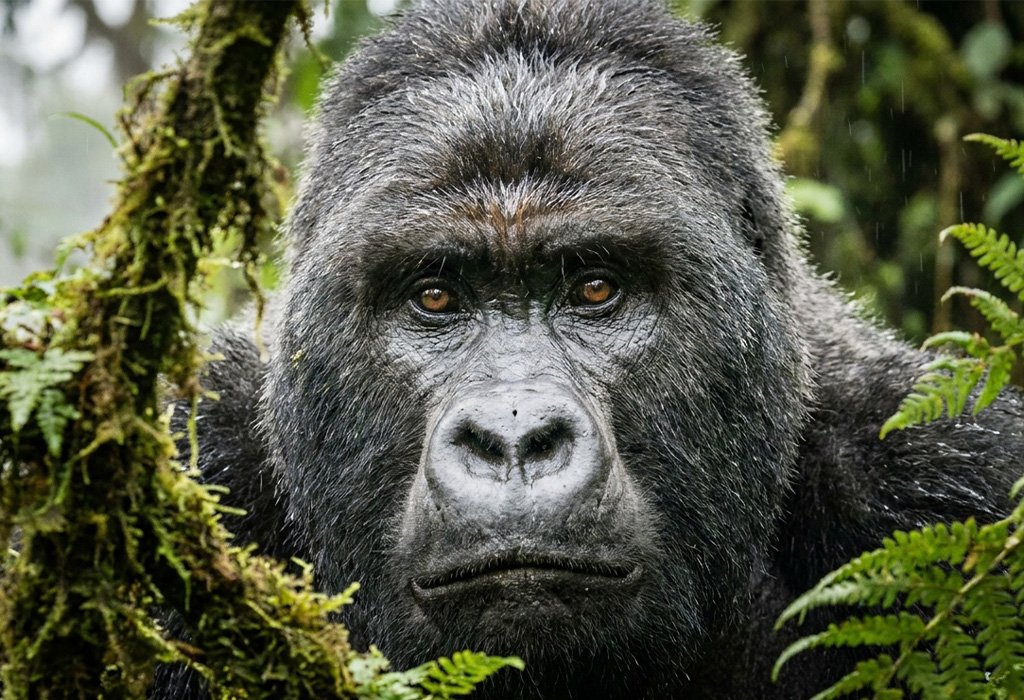
Gorilla trekking is one of the most remarkable wildlife experiences in Africa, giving travellers the opportunity to observe endangered mountain gorillas in their natural habitat. From the mist-covered forests of Uganda to the volcanic slopes of Rwanda and the protected wilderness of the Democratic Republic of Congo (DRC), this adventure offers unforgettable encounters with some of the world’s most fascinating primates. However, gorilla trekking means much more than wildlife viewing. It also creates valuable opportunities for local communities living around these protected areas.
Gorilla trekking permits support local communities by generating tourism revenue, creating employment, funding conservation, and contributing to community development projects. When travellers purchase permits, their spending helps sustain the tourism industry and creates economic opportunities for people living near gorilla habitats. Consequently, gorilla tourism can encourage communities to protect the forests and wildlife that attract visitors.
Understanding how gorilla trekking permits support local communities reveals the important connection between responsible tourism, wildlife conservation, and sustainable development across East Africa.
1. Understanding Gorilla Trekking Permits
Gorilla trekking permits authorise visitors to enter designated national parks and observe habituated mountain gorilla families under the supervision of trained guides and park authorities. In Uganda, visitors can trek in Bwindi Impenetrable National Park and Mgahinga Gorilla National Park. In Rwanda, trekking takes place in Volcanoes National Park, while Virunga National Park has historically offered gorilla trekking in the DRC, subject to security conditions and park access.
These permits serve two important purposes. First, they regulate the number of visitors who encounter gorillas each day, helping minimise disturbance to the animals. Second, they generate revenue that supports park management, conservation activities, and, through designated revenue-sharing programmes and wider tourism spending, surrounding communities.
Although permit prices vary by country and visitor category, the money travellers spend can contribute to a broader system that protects wildlife while supporting livelihoods.
For this reason, a gorilla trekking permit represents more than an entry ticket. It forms part of a conservation and tourism model that connects visitors with the long-term wellbeing of local people and endangered wildlife.
2. How Gorilla Trekking Permits Support Conservation
Mountain gorillas depend on healthy forest habitats for food, shelter, and survival. Protecting these forests requires trained personnel, regular monitoring, veterinary support, and effective management of protected areas. Revenue from gorilla tourism helps park authorities finance some of these essential activities.
For example, conservation teams monitor gorilla families, track their movements, and investigate potential threats to their habitats. Veterinary specialists may also intervene when gorillas require treatment, following established wildlife health protocols.
In addition, tourism revenue helps support efforts to prevent poaching, manage visitor activities, and monitor changes in the forest ecosystem.
Important conservation activities include:
- Anti-poaching patrols: Rangers patrol protected areas to detect illegal activities and protect wildlife.
- Habitat protection: Park authorities manage forests and reduce threats to critical gorilla habitats.
- Veterinary care: Specialist teams monitor gorilla health and respond to certain injuries or disease risks.
- Scientific research: Researchers study gorilla behaviour, population trends, and conservation needs.
- Visitor management: Guides and park staff ensure that tourists follow established gorilla trekking rules.
These activities also benefit communities. By protecting gorilla habitats and maintaining healthy wildlife populations, conservation programmes help preserve the natural attractions on which local tourism businesses depend.
Furthermore, effective conservation can create a stronger foundation for long-term employment and investment in surrounding areas.
3. Economic Benefits of Gorilla Trekking Permits for Local Communities
One of the clearest ways gorilla trekking permits support local communities is through the economic activity they generate. Gorilla trekking attracts international visitors who require accommodation, transport, meals, guiding services, and other travel arrangements. As a result, tourism creates income opportunities for businesses and households in areas surrounding national parks.
Although permit revenue does not automatically reach every household, the wider tourism economy can benefit many different groups. Local entrepreneurs may establish guesthouses, restaurants, craft shops, and transport services to meet visitors’ needs.
Moreover, tourism spending can circulate within communities when businesses purchase local produce, hire residents, and use services provided by nearby suppliers.
Economic benefits include:
- Increased demand for locally owned accommodation and restaurants.
- More customers for craft makers, artists, and cultural performers.
- Additional business for local farmers supplying food to lodges.
- Greater demand for transport, laundry, and other support services.
- Opportunities for small businesses to expand their services.
For example, a lodge near Bwindi Impenetrable National Park may buy vegetables from neighbouring farmers and employ residents from nearby villages. Those workers and farmers can then use their earnings to support their families and purchase goods from other local businesses.
Therefore, the economic value of gorilla trekking extends beyond the permit itself. When tourism businesses source products locally and employ nearby residents, visitor spending can support a wider network of livelihoods.
4. Job Creation Through Gorilla Tourism
Gorilla trekking creates employment opportunities for people with different skills, educational backgrounds, and levels of experience. From guiding visitors through dense forests to managing accommodation facilities, local residents can participate in several parts of the tourism industry.
These jobs provide income while helping communities develop valuable professional skills. In addition, employment can encourage residents to recognise the economic importance of protecting mountain gorillas and their habitats.
Common employment opportunities include:
- Tour guides and trackers: They help visitors navigate forest trails, locate gorilla families, and understand wildlife behaviour.
- Park rangers: They protect wildlife, enforce park regulations, and support visitor safety.
- Porters: They assist trekkers with bags and equipment, creating income opportunities for residents.
- Hospitality workers: They work in lodges, camps, restaurants, and guesthouses.
- Drivers and transport operators: They transport visitors between airports, accommodation facilities, and national parks.
- Local artisans: They produce and sell handmade crafts, souvenirs, and cultural products.
- Community guides: They introduce visitors to local traditions, historical sites, and everyday community life.
Beyond providing immediate income, these jobs can help workers develop skills in communication, customer service, hospitality, conservation, and business management.
As tourism grows, some employees may also gain the experience needed to establish their own enterprises. Consequently, gorilla tourism can contribute to greater economic independence and help diversify income sources in communities surrounding protected forests.
5. How Gorilla Trekking Revenue Supports Education and Healthcare
Education and healthcare are essential to community wellbeing. In areas surrounding national parks, however, some households face challenges accessing adequate schools, medical facilities, and other basic services. Community development programmes supported by tourism revenue can help address some of these needs.
In Uganda, Rwanda, and the DRC, the specific benefits depend on national policies, park management arrangements, and local development initiatives. Where authorities allocate tourism revenue to community projects, the funding can support infrastructure and services that improve residents’ quality of life.
Education-related projects may include:
- Renovating classrooms and improving school facilities.
- Supporting educational materials and learning resources.
- Developing environmental education programmes.
- Providing training opportunities linked to tourism and conservation.
Healthcare and sanitation initiatives may include:
- Improving access to community health facilities.
- Supporting clean water and sanitation projects.
- Promoting public health awareness.
- Improving basic infrastructure around underserved communities.
These benefits should not be assumed to come directly from every permit sale. Instead, they depend on how governments, park authorities, and community organisations manage and distribute available funds.
Nevertheless, when tourism revenue supports well-planned local projects, it can complement public services and help communities benefit more directly from wildlife tourism.
6. Community Revenue-Sharing Programmes
Revenue-sharing programmes are an important way to connect gorilla conservation with community development. Under these arrangements, park authorities or relevant government agencies allocate a portion of designated tourism revenue to eligible projects in communities neighbouring protected areas.
The purpose is to ensure that people living alongside wildlife habitats receive tangible benefits from conservation.
For example, a community may identify the need for improved school facilities, better access roads, clean water infrastructure, or other essential services. Where a project meets the programme’s requirements and receives approval, tourism-related funding may help finance its development.
Such programmes can also strengthen relationships between conservation authorities and local residents. When communities see practical benefits from protecting wildlife, they may become more willing to support conservation initiatives and cooperate with park management.
However, the effectiveness of revenue-sharing depends on transparent financial management, fair project selection, community participation, and proper monitoring. Authorities must also communicate clearly about how funds are allocated and which communities qualify for support.
Ultimately, fair and transparent revenue-sharing helps demonstrate how gorilla trekking permits can benefit people as well as wildlife.
7. Reducing Human-Wildlife Conflict Through Community Support
Communities living near gorilla habitats sometimes face challenges associated with sharing land and resources with wildlife. Depending on the location, these challenges may include crop damage, pressure on agricultural land, or concerns about wildlife entering areas used by residents.
Without meaningful support, such experiences can create frustration and weaken local support for conservation. Therefore, community development and effective conflict-management measures are important parts of responsible gorilla tourism.
Tourism revenue and conservation programmes can help address these challenges by supporting community projects, promoting environmental awareness, and strengthening cooperation between residents and park authorities.
Practical measures may include:
- Educating residents about safe responses to wildlife encounters.
- Supporting appropriate measures to reduce crop damage.
- Improving communication between communities and conservation teams.
- Providing information about compensation or support schemes where available.
- Encouraging residents to participate in conservation planning.
However, tourism income alone cannot eliminate human-wildlife conflict. Effective results require coordinated action, fair policies, and practical solutions tailored to each community’s needs.
When local people receive support and have opportunities to participate in conservation decisions, they are more likely to view wildlife protection as a shared responsibility rather than an unfair burden.
8. Promoting Sustainable Tourism and Alternative Livelihoods
Gorilla trekking permits also help sustain a tourism model that depends on protecting natural habitats. Unlike activities that can degrade forests, responsible gorilla tourism creates economic value from maintaining healthy ecosystems and protecting endangered wildlife.
This relationship can encourage communities to explore livelihood opportunities that complement conservation. For example, residents may earn income through guiding, hospitality, cultural tourism, handicraft production, and supplying food to tourism businesses.
These activities can diversify household income and reduce dependence on a single source of livelihood. However, their success depends on market demand, access to training, business support, and responsible management of natural resources.
Sustainable gorilla tourism also requires visitors and operators to follow rules that minimise disturbance to gorillas and their environment. Park authorities generally limit trekking groups and establish conditions designed to protect wildlife and reduce disease transmission risks.
Responsible tourism practices include:
- Following the instructions of authorised guides and park rangers.
- Respecting the required distance from mountain gorillas.
- Avoiding visits when experiencing symptoms of potentially contagious illness, in accordance with park rules.
- Staying on designated routes and following visitor-management requirements.
- Supporting responsible local businesses and community initiatives.
When visitors, tourism operators, conservation authorities, and local residents work together, gorilla trekking can contribute to both environmental protection and sustainable economic development.
9. Challenges in Ensuring Communities Benefit Fairly
Despite its benefits, gorilla tourism does not automatically guarantee that every household receives a fair share of the economic opportunities it creates. Some communities may benefit more than others because of differences in location, infrastructure, employment opportunities, or access to tourism markets.
High permit prices can also make gorilla trekking inaccessible to many travellers, although pricing policies vary between destinations and visitor categories. Meanwhile, communities may continue to face challenges such as rising living costs, limited access to services, and pressure on land around protected areas.
Environmental threats, including habitat degradation and climate change, also require long-term attention.
To improve the benefits of gorilla tourism, stakeholders should focus on several priorities:
- Transparent revenue management: Authorities should clearly communicate how designated tourism funds are allocated.
- Inclusive employment: Tourism businesses should create fair opportunities for residents, including young people and women.
- Local business development: Training and business support can help residents participate in tourism supply chains.
- Community consultation: Residents should have opportunities to influence projects that affect their livelihoods.
- Environmental responsibility: Conservation policies should protect gorillas while recognising the needs of neighbouring communities.
- Long-term monitoring: Stakeholders should assess whether tourism-funded projects deliver meaningful and lasting benefits.
Addressing these challenges can help make gorilla tourism more inclusive and resilient. Most importantly, local communities should have a meaningful role in decisions about conservation and development in the places where they live.
10. How Travellers Can Help Local Communities During a Gorilla Trekking Safari
Travellers can make thoughtful choices that strengthen the positive impact of gorilla tourism. Purchasing an authorised permit is an important starting point, but visitors can also support local livelihoods through their spending and behaviour throughout the trip.
For example, choosing locally owned accommodation where practical can help keep more tourism income within the destination. Buying authentic handmade crafts, using qualified local guides, and respecting community customs can also create valuable opportunities for residents.
Travellers can maximise their positive impact by:
- Booking gorilla trekking permits through authorised channels.
- Choosing responsible accommodation and tourism operators.
- Hiring local porters where available and appropriate.
- Purchasing crafts directly from local artisans.
- Supporting community-run cultural experiences.
- Respecting local traditions, privacy, and environmental guidelines.
- Following all gorilla trekking rules to protect wildlife and visitors.
Furthermore, travellers should seek reliable information about how tourism businesses support conservation and local development rather than relying on marketing claims alone.
These small decisions can help strengthen local enterprises and encourage responsible tourism practices. Although individual purchases may seem modest, consistent support from visitors can create meaningful opportunities for businesses and households across gorilla trekking destinations.
Conclusion: Gorilla Trekking Permits Create Benefits Beyond Wildlife Viewing
Understanding how gorilla trekking permits support local communities highlights the close relationship between tourism, conservation, and sustainable development. These permits help finance the management of protected areas, while gorilla tourism creates employment and generates business for accommodation providers, farmers, guides, transport operators, and artisans.
In addition, designated revenue-sharing programmes can support community projects involving education, healthcare, infrastructure, and access to essential services. When managed transparently, these initiatives can strengthen local participation in conservation and help residents benefit from protecting endangered mountain gorillas.
Nevertheless, the success of this model depends on fair benefit-sharing, responsible tourism practices, effective conservation management, and meaningful community involvement. Tourism revenue must be managed carefully to ensure that benefits reach the people who live alongside gorilla habitats.
Ultimately, gorilla trekking permits are more than permission to observe mountain gorillas; they are part of a wider opportunity to connect wildlife protection with human wellbeing. By choosing responsible tourism experiences and supporting local businesses, travellers can help contribute to a future in which mountain gorillas, their forest habitats, and neighbouring communities all have a better chance to thrive.




1 Comment
[…] holiday in Rwanda offers more than mountain gorilla trekking, wildlife safaris, and rainforest adventures. The country also boasts beautiful lakes, rolling […]