- DIRECT CONTACTS:
- +256 779 116 947
- +256 758 566 300
- info@gorillavistasafaris.com

Best Coffee Tours in Rwanda
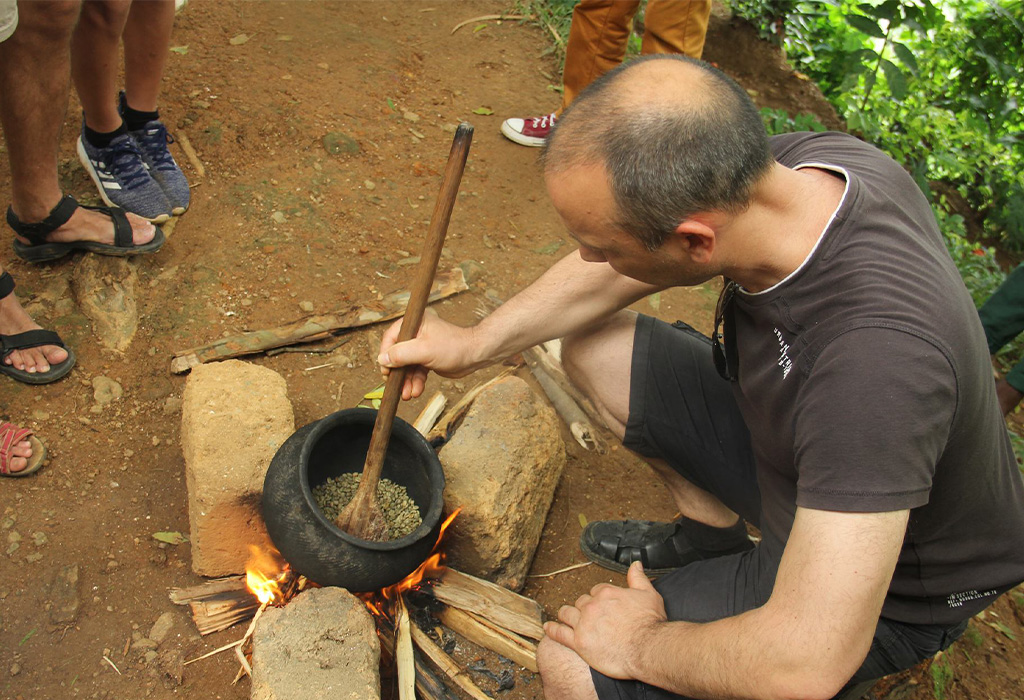
The best coffee tours in Rwanda offer travellers an opportunity to explore the country’s rich coffee heritage, meet local farmers and taste some of Africa’s finest specialty coffees. Known as the Land of a Thousand Hills, Rwanda combines fertile volcanic soils, a favourable climate and beautiful mountainous landscapes to produce high-quality Arabica coffee. Consequently, coffee tourism has become an appealing addition to Rwanda safaris, cultural excursions and nature-based adventures.
Beyond enjoying a freshly brewed cup, visitors can discover how coffee moves from the farm to the processing station and eventually reaches international markets. These experiences also provide valuable insights into the lives of farming communities and the role coffee plays in Rwanda’s economy. Whether you are a dedicated coffee enthusiast or a curious traveller, a coffee tour offers a memorable way to experience the country beyond its famous mountain gorillas and national parks.
With Gorilla Vista Safaris, travellers can explore opportunities to combine Rwanda coffee tours with cultural experiences, scenic drives and visits to destinations such as Lake Kivu and Nyungwe Forest National Park.
1. Kinunu Coffee Washing Station: A Scenic Coffee Experience
Kinunu Coffee Washing Station is a popular option for travellers seeking a coffee experience along the shores of Lake Kivu. The surrounding hills, lakeside views and coffee-growing communities create an attractive setting for learning about Rwanda’s specialty coffee industry. Moreover, the area offers an opportunity to appreciate the relationship between agriculture, local livelihoods and the country’s natural environment.
During a visit, travellers can learn how farmers grow Arabica coffee, harvest ripe cherries and deliver them for processing. Depending on the season and activities available, a guided tour may include demonstrations of coffee washing, sorting, drying and preparation for export. Visitors can also learn how careful processing influences the aroma, flavour and quality of the final product.
After exploring the station, take time to enjoy a freshly prepared cup of Rwandan coffee while admiring Lake Kivu’s beautiful scenery. You may also have an opportunity to purchase locally produced coffee as a souvenir. For travellers exploring western Rwanda, Kinunu provides an excellent way to combine coffee tasting with lakeside relaxation and cultural discovery.
Highlights of a Kinunu coffee tour include:
- Learning about coffee cultivation and processing.
- Meeting people involved in the local coffee industry.
- Sampling freshly brewed Rwandan coffee.
- Enjoying views of Lake Kivu and the surrounding hills.
- Purchasing locally produced coffee, where available.
2. Gisovu and Gisakura Coffee and Tea Estates
The Gisovu and Gisakura areas offer opportunities to explore agricultural landscapes in Rwanda’s western and southern highlands. Their tea-growing surroundings and proximity to important natural attractions make them interesting additions to itineraries that include Nyungwe Forest National Park. However, travellers should confirm whether a particular estate offers coffee tours, as access and available activities vary between properties.
A guided agricultural visit can introduce visitors to the work involved in cultivating, maintaining and harvesting crops in Rwanda’s highland environment. Where coffee production forms part of the experience, travellers may learn how farmers select ripe cherries and prepare them for processing. Conversations with local workers can also reveal how weather, altitude and farming practices influence crop quality.
Furthermore, the cool mountain climate and rolling green landscapes provide a refreshing contrast to the busier towns and cities. Visitors planning a trip to Nyungwe can explore available estate visits alongside forest walks, chimpanzee trekking and birdwatching, subject to park regulations and tour availability.
For the best experience, arrange visits in advance and clarify whether the property offers a dedicated coffee tour, a tea plantation excursion or a combined agricultural experience.
3. Rwanda Trading Company: Discover Kigali’s Coffee Industry
Travellers staying in Kigali can explore Rwanda’s coffee industry without travelling far into the countryside. Coffee-related facilities and businesses in the capital region provide an opportunity to understand how locally grown beans are prepared for domestic consumption and international markets. Rwanda Trading Company is associated with Rwanda’s specialty coffee sector, although visitors should confirm directly whether its facilities currently accept public tours.
A suitable coffee-industry visit may explain the stages between receiving harvested coffee and preparing it for sale. Depending on the facility, these processes can include quality assessment, sorting, grading, roasting, packaging and export preparation. Visitors can also learn why consistency, traceability and careful handling matter to specialty coffee producers.
In addition, coffee tasting introduces travellers to the characteristics that distinguish different Rwandan coffees. You may notice fruity aromas, bright acidity and delicate flavour notes, although the final profile depends on the beans, growing conditions and processing method.
A Kigali coffee experience works particularly well for visitors with limited time or those who want to explore the city’s markets, museums and cultural attractions. Before including a specific processing facility in your itinerary, contact the operator to confirm access, opening arrangements and any booking requirements.
4. Buf Coffee: Explore Coffee Farming and Community Partnerships
Buf Coffee offers another avenue for discovering Rwanda’s specialty coffee production and the communities behind it. Its coffee activities are associated with Rwanda’s southern coffee-growing region, where smallholder farmers contribute to the production of high-quality beans. For travellers interested in the human side of coffee, learning about these farming partnerships can add depth to a Rwanda cultural tour.
A farm-focused experience may introduce visitors to the coffee-growing cycle, from planting and pruning to harvesting and processing. During the harvest season, some organised visits may offer opportunities to observe coffee picking or learn how farmers identify ripe cherries. Availability depends on the season, the host farm and the activities arranged for visitors.
Equally important, coffee tourism helps travellers understand the work that goes into producing specialty coffee. Farmers must pay attention to crop health, harvesting quality and post-harvest handling to achieve a consistent product. Discussions about cooperative relationships, market access and sustainable farming can also show how coffee connects rural households to international consumers.
If you enjoy discovering local products, ask about tasting sessions and opportunities to purchase coffee directly through authorised sales channels. By supporting local coffee businesses, visitors can help sustain the industry and learn more about the people who make Rwanda’s coffee internationally recognised.
5. Lake Kivu Coffee Tours: Combine Coffee, Scenery and Adventure
Lake Kivu is one of Rwanda’s most appealing destinations for travellers who enjoy beautiful scenery alongside cultural experiences. Its surrounding hills support coffee-growing communities, and some coffee experiences can be combined with visits to farms, washing stations, and local cooperatives. The exact activities depend on the location and the arrangements made with individual operators.
A Lake Kivu coffee tour allows visitors to learn how smallholder farmers cultivate coffee on the surrounding slopes. At participating farms or washing stations, guides can explain harvesting methods, processing techniques and the importance of careful bean selection. Where available, a tasting session lets you appreciate the flavours and aromas of freshly prepared Rwandan coffee.
The region also provides opportunities to enjoy other activities during your stay. For example, travellers may combine coffee visits with a boat excursion, lakeside relaxation or a section of the Congo Nile Trail. These experiences offer a balanced itinerary that combines agriculture, outdoor exploration and cultural encounters.
For visitors travelling between Kigali and western Rwanda, a coffee excursion around Lake Kivu can be a worthwhile addition to a wider safari. Gorilla Vista Safaris can help travellers explore itinerary options that combine coffee experiences with other destinations, subject to availability and local arrangements.
6. What to Expect on a Coffee Tour in Rwanda
Although every coffee tour differs, most farm-based experiences introduce visitors to the main stages of coffee production. A knowledgeable guide or local host explains how farmers cultivate coffee plants, identify ripe cherries and prepare harvested beans for processing. This practical introduction helps visitors appreciate the skill and care required to produce high-quality coffee.
Depending on the operator and the season, your experience may include:
- Coffee farm walks: Explore growing areas and learn about coffee plants, soil conditions and cultivation practices.
- Harvesting demonstrations: Observe how farmers select ripe cherries during the harvest season.
- Processing activities: Discover how coffee cherries are washed, sorted, fermented where applicable and dried.
- Roasting and brewing: Learn how roasting and preparation methods influence aroma and flavour.
- Coffee tasting: Sample different coffees and identify variations in acidity, body and flavour notes.
- Community encounters: Speak with farmers, guides and other people involved in coffee production.
- Local shopping: Purchase packaged coffee from participating farms, cooperatives or authorised sellers.
Not every tour includes all these activities. Therefore, confirm the itinerary before booking, particularly if you want to participate in harvesting, roasting or a guided tasting session.
7. Best Time to Take Coffee Tours in Rwanda
The best time for coffee tours in Rwanda depends on whether you prefer to observe harvesting activities or enjoy a broader sightseeing experience. Coffee harvesting periods vary by region and growing conditions. In many parts of Rwanda, the main harvest generally takes place between March and July, although local variations mean that activities may begin earlier or continue later.
Travelling during the harvest season can provide a closer look at farmers picking ripe cherries and preparing them for processing. It is particularly rewarding for visitors who want to understand coffee production through direct observation rather than demonstrations alone.
Nevertheless, you can enjoy coffee tours outside the main harvest period. Washing stations, processing facilities and coffee businesses may continue to offer educational visits, tastings or discussions about production throughout the year. Always confirm the activities available at your chosen destination.
Rwanda’s commonly recognised dry periods, from June to September and December to February, can also be convenient for combining coffee excursions with outdoor activities. However, weather conditions can change, so bring comfortable walking shoes and suitable clothing.
8. Tips for Planning the Best Coffee Tours in Rwanda
A little preparation can make your coffee experience more rewarding. Although some visits may be arranged locally, booking ahead is advisable when you want a guided farm tour, a specialised tasting or a visit to a particular washing station.
Keep the following tips in mind:
- Book with a reliable operator: Contact a reputable tour company or the coffee business directly to confirm availability.
- Choose your destination carefully: Select a Lake Kivu experience for lakeside scenery, a southern Rwanda visit for agricultural and community encounters, or a Kigali-based experience for convenience.
- Check seasonal activities: Ask whether coffee picking, processing demonstrations and tastings will be available during your visit.
- Wear comfortable clothing: Choose practical walking shoes, lightweight clothing and a rain jacket when necessary.
- Carry a camera: Photograph landscapes and coffee-growing activities where the host permits photography.
- Bring some spending money: You may want to purchase locally produced coffee or other souvenirs.
- Respect local communities: Ask permission before photographing farmers and follow your guide’s instructions.
- Allow enough time: A farm visit can take longer when it includes transport, demonstrations and coffee tasting.
When planning with Gorilla Vista Safaris, explain which experiences interest you most so that the itinerary can reflect your travel dates, available time and preferred destinations.
9. Why Include Coffee Tours in a Rwanda Safari?
Coffee tours offer a different perspective on Rwanda by connecting visitors with its agricultural heritage, local communities and specialty food culture. While gorilla trekking and wildlife viewing attract many travellers, coffee experiences reveal another important part of everyday life in the country. They show how farming knowledge, careful processing and access to markets contribute to the production of a valued local product.
Moreover, a well-organised coffee visit creates opportunities to engage with farmers and learn about their work directly. Purchasing coffee through local businesses can support the people and organisations involved in its production. However, the benefits depend on the business model and how tourism income is distributed, so visitors should choose responsible operators and ask questions about local participation.
Coffee tours also fit naturally into broader travel itineraries. You can combine a visit to a coffee-growing area with a Lake Kivu excursion, a cultural experience in Kigali or an exploration of Nyungwe Forest National Park. These combinations allow you to discover different sides of Rwanda without focusing exclusively on wildlife attractions.
Whether you are an experienced coffee drinker or simply curious about how your favourite beverage is made, a guided coffee experience can add a meaningful cultural dimension to your holiday.
Conclusion: Experience Rwanda Through Its Coffee Culture
The best coffee tours in Rwanda combine education, flavour, scenery and personal encounters with the people behind the country’s coffee industry. From the lakeside landscapes around Kinunu to coffee-related experiences in Kigali and the farming communities of southern Rwanda, each destination offers a different way to understand the journey from coffee cherry to finished cup.
For the most rewarding visit, choose a tour that matches your interests, confirm seasonal activities and allow time to speak with local hosts. You can also combine a coffee excursion with cultural visits, Lake Kivu activities or a wider Rwanda safari for a more varied travel experience.
Gorilla Vista Safaris can help you explore options for including coffee experiences in your Rwanda itinerary, alongside cultural attractions and nature-based adventures. With thoughtful planning, a Rwanda coffee tour can become one of the most memorable parts of your journey through the Land of a Thousand Hills.