- DIRECT CONTACTS:
- +256 779 116 947
- +256 758 566 300
- info@gorillavistasafaris.com

Rare Animals to Spot in Kidepo Valley National Park, Uganda
Kidepo Valley National Park is one of Uganda’s most remarkable safari destinations, especially for travellers interested in rare wildlife and animals that are difficult to find elsewhere in the country. Located in the remote Karamoja region of northeastern Uganda, the park borders South Sudan and lies relatively close to Kenya. Its vast savannah plains, rocky hills, seasonal rivers, and dry valleys create a unique environment that supports wildlife adapted to semi-arid conditions.
Unlike Uganda’s more frequently visited national parks, Kidepo offers opportunities to search for northern savannah species that rarely occur in other parts of the country. Its distinctive wildlife, spectacular landscapes, and relatively low visitor numbers make it an excellent destination for travellers seeking a quieter African safari experience.
During a wildlife safari in Kidepo Valley National Park, you can explore open grasslands, drive through rugged valleys, and search for unusual mammals, predators, antelopes, and birds. The park is particularly famous for species such as cheetahs, bat-eared foxes, patas monkeys, ostriches, and several birds associated with the Karamoja region.
Whether you are planning a wildlife photography trip, a birding expedition, or a longer Uganda safari, understanding which animals live here will help you appreciate what makes Kidepo so special.
1. Rare Predators to Spot in Kidepo Valley National Park
Kidepo’s dry savannah and rocky terrain support several carnivores associated with northern and eastern African ecosystems. Although sightings depend on the season, time of day, and animal movements, searching for these elusive predators adds excitement to a game drive.
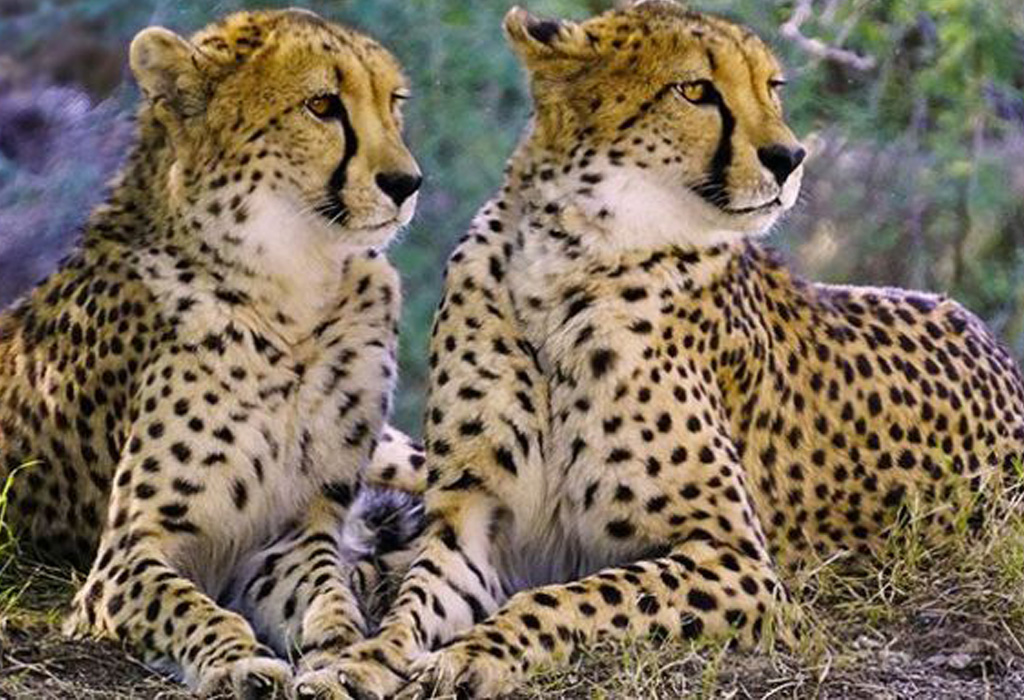
Cheetah
The cheetah is one of the most sought-after animals associated with Kidepo Valley National Park. Uganda’s cheetah population is extremely limited, and Kidepo has historically been the country’s principal destination for reports of this remarkable predator. However, sightings are not guaranteed, so visitors should confirm current sighting information with their safari operator or park authorities.
Cheetahs thrive in open landscapes where they can spot prey from a distance and use their exceptional speed during a hunt. Kidepo’s expansive grasslands provide suitable scenery for searching for these animals, particularly during early-morning game drives when wildlife is often active.
A cheetah resting on a termite mound or scanning the surrounding plains would be a memorable highlight of any Uganda wildlife safari. Even when you do not encounter one, exploring the cheetah’s potential habitat offers an excellent opportunity to observe other savannah animals, including zebras, antelopes, and buffaloes.
For travellers interested in rare predators, a Kidepo safari offers a different experience from visiting Uganda’s more forested destinations.
Bat-Eared Fox
The bat-eared fox is another fascinating animal associated with the dry savannah environments of eastern Africa. Its presence in Kidepo’s wildlife discussions reflects the park’s distinctive northern ecological character, although visitors should verify recent records before treating it as a dependable sighting.
This small carnivore is easy to recognise because of its oversized ears, pointed muzzle, and slender body. Those large ears help it detect insects moving beneath the ground, particularly termites and other small invertebrates.
Unlike predators that pursue large prey, the bat-eared fox relies heavily on insects for food. It uses its sensitive hearing to locate prey before digging into the soil. Its specialised diet makes it an interesting example of how wildlife adapts to different environments.
If you are exploring Kidepo with an experienced guide, ask about recent records of unusual small carnivores. Their knowledge of local wildlife movements can help you understand which species are realistically possible to encounter.
Striped Hyena
The striped hyena is a secretive carnivore that generally avoids human activity and often becomes active after dark. Unlike the more familiar spotted hyena, it is associated with dry, rocky landscapes and has a different appearance and behaviour.
Striped hyenas typically feed on carrion, although their diet can also include insects, fruit, and other available food. Their scavenging behaviour plays an important role in the ecosystem by helping remove animal remains.
Kidepo’s rocky hillsides and semi-arid surroundings provide an interesting setting for learning about carnivores adapted to dry environments. However, striped hyenas are elusive, and travellers should not assume that the species occurs regularly in the park without confirmation from current wildlife records.
Where authorised night activities are available, ask your safari operator which nocturnal species local guides have recently recorded. This approach helps set realistic expectations while making the most of your wildlife experience.
Aardwolf and Caracal
Two other fascinating African carnivores are the aardwolf and the caracal. Both are known for their specialised adaptations, although their current presence in Kidepo should be verified rather than assumed.
The aardwolf belongs to the hyena family but feeds mainly on termites. Instead of hunting large mammals, it uses its long, sticky tongue to collect insects from termite colonies. This unusual diet distinguishes it from most other carnivores.
The caracal, on the other hand, is a medium-sized wild cat recognised by its pointed ears and prominent black tufts. Its muscular body and powerful hind legs help it leap into the air to catch birds and pursue smaller prey.
Caracals generally inhabit environments that provide cover for stalking and hunting. Their secretive behaviour makes them difficult to spot, even in suitable habitat.
For wildlife enthusiasts, these species demonstrate why researching local wildlife records matters when planning a safari. Ask Gorilla Vista Safaris to help you identify which uncommon carnivores have confirmed recent sightings and which destinations offer the strongest opportunities to search for them.
2. Rare Herbivores and Primates in Kidepo Valley National Park
Kidepo’s wildlife is not limited to predators. Its grasslands, woodland patches, and rocky slopes support several interesting herbivores and primates. These animals are especially rewarding to observe because their behaviour reflects the challenges of surviving in a relatively dry environment.
Southern White Rhinoceros
Southern white rhinos are among Africa’s most iconic conservation success stories. However, travellers should distinguish between established rhino destinations and claims about recent reintroductions elsewhere.
Uganda’s principal destination for seeing rhinos in a managed conservation setting is Ziwa Rhino Sanctuary. Before planning a trip specifically to see rhinos in Kidepo Valley National Park, confirm any reported reintroduction with the Uganda Wildlife Authority and check whether the animals are established there and accessible to visitors.
White rhinos are large herbivores that depend on suitable grassland, reliable protection, and long-term conservation management. Their recovery in parts of Africa demonstrates how sustained monitoring and habitat protection can help threatened species survive.
If seeing rhinos is a priority for your Uganda safari, Gorilla Vista Safaris can help you compare available destinations and arrange a suitable itinerary based on verified wildlife opportunities.
Rothschild’s Giraffe
Rothschild’s giraffe is one of the most distinctive giraffe subspecies in East Africa. It is recognised by the relatively unmarked lower portions of its legs, which create the appearance of white stockings.
Giraffes are particularly striking against Kidepo’s open plains, where their long necks and graceful movements stand out against the distant hills. During a game drive, you may observe them browsing on trees, moving in loose groups, or crossing open grassland.
These animals use their height to reach foliage that many other herbivores cannot access. Their specialised feeding behaviour allows them to exploit food resources in woodland and savannah habitats.
Giraffe conservation remains important because populations face different pressures across their range, including habitat loss and fragmentation. When visiting Kidepo, ask your guide about the giraffe populations present in the park and their conservation status.
Greater Kudu and Lesser Kudu
Kudu antelopes are known for their elegant appearance, large ears, and impressive horns. Male greater kudus carry long, spiral-shaped horns that make them among the most recognisable antelopes in Africa.
Greater kudus generally favour woodland and bushland, where they can browse on leaves, shoots, and other vegetation. Their grey-brown coats provide useful camouflage among trees and shrubs.
Lesser kudus are smaller and are associated with dry woodland and dense bush. Their striped flanks help distinguish them from many other antelope species.
Kidepo’s combination of grassland, scrub, and woodland creates opportunities to explore a variety of antelope habitats. However, the distribution of individual species differs, so visitors should ask local guides which kudu species have been confirmed in the park.
Guenther’s Dik-Dik
Dik-diks are among Africa’s smallest antelopes. They have delicate bodies, large eyes, pointed snouts, and an alert manner that makes them fascinating to observe.
These small herbivores often inhabit dry bushland, where they feed on leaves, shoots, and other vegetation. Their compact size allows them to move quickly through thick vegetation and escape danger.
When disturbed, dik-diks may produce sharp alarm calls. Their behaviour makes them particularly interesting for travellers who enjoy observing smaller wildlife rather than focusing exclusively on large mammals.
During a Kidepo game drive, pay attention to bushes and the edges of woodland as well as the open plains. Small antelopes can be easy to overlook when visitors concentrate only on larger animals.
Patas Monkey
The patas monkey is one of the most distinctive primates associated with open savannah environments. Unlike many of Uganda’s forest-dwelling monkeys, patas monkeys spend much of their time on the ground.
Their long legs, slender bodies, and reddish-brown coats help distinguish them from other primates. They are exceptionally fast runners, an adaptation that helps them travel across open ground and avoid predators.
Patas monkeys generally forage during the day, feeding on a mixture of plant material, insects, and other available foods. They live in social groups and often move across considerable areas in search of resources.
Kidepo is an important destination to investigate if you want to learn about Uganda’s northern savannah primates. Ask your guide about recent sightings and the best areas for observing patas monkeys without disturbing them.
3. Unique and Remarkable Birds in Kidepo Valley National Park
Kidepo Valley National Park is an excellent destination for birdwatchers interested in northern Uganda’s distinctive birdlife. Its grasslands, thornbush, rocky hills, and seasonal wetlands support a variety of species associated with dry savannah environments.
The park has a recorded bird list of more than 475 species, although totals can change as surveys and identification records improve. For birders, the attraction lies not only in the number of species but also in the opportunity to search for birds that are uncommon or difficult to find elsewhere in Uganda.
Common Ostrich
The common ostrich is the world’s largest living bird and one of the most impressive species to look for on open savannah plains. Its long legs, upright posture, and powerful stride make it easy to recognise.
Adult ostriches can reach approximately 2.7 metres in height. Males typically have black-and-white plumage, while females have more subdued brownish-grey feathers that help them blend into their surroundings.
Ostriches feed on a mixture of plant material and small animals. Their strong legs allow them to run quickly across open terrain, while their height helps them scan their surroundings.
For birdwatchers, seeing an ostrich in its natural habitat can be a memorable highlight of a Kidepo safari. Ask your guide about current sightings and the areas where these large birds have recently been observed.
Karamoja Apalis
The Karamoja apalis is a particularly interesting bird for specialist birdwatchers visiting northeastern Uganda. Its restricted range and association with particular thornbush habitats make it a sought-after species.
This small passerine is associated with dry acacia and scrub habitats in the Karamoja region. Because it can be difficult to locate among dense branches, identifying it often requires patience, careful listening, and assistance from a knowledgeable local guide.
Habitat conservation is important for birds with restricted distributions because changes to vegetation can affect the places where they feed, shelter, and breed.
If you are planning a dedicated birding safari in Kidepo, tell your guide which species you hope to see. A carefully planned route and sufficient time in suitable habitat will improve your chances of finding specialised birds.
Black-Breasted Barbet
The black-breasted barbet is another bird that attracts attention from birdwatchers exploring northeastern Uganda. Its distinctive plumage and regional distribution make it an appealing addition to a Kidepo birding checklist.
Barbets generally feed on fruit and other available food, and many species use trees and woodland edges for feeding and nesting. Their calls can also help experienced birders locate them in suitable habitat.
When searching for the black-breasted barbet, ask local bird guides about reliable recent records rather than relying on a fixed sighting location. Bird distribution and detectability can vary with local conditions.
Kidepo’s broader bird diversity makes it rewarding even when a particular target species remains elusive. You can combine specialist birding with general wildlife viewing, photography, and exploration of the park’s spectacular scenery.
4. Best Places and Times to Look for Wildlife in Kidepo
Finding rare animals in Kidepo requires patience, good planning, and an understanding of the habitats different species use. Although wildlife sightings can never be guaranteed, choosing suitable locations and times can improve your experience.
Consider the following approaches when planning your safari:
- Open savannah plains: These areas are useful for scanning for large mammals, grazing antelopes, and birds that prefer open habitats.
- Woodland and thornbush: Look carefully for smaller antelopes, birds, and animals that use vegetation for shelter.
- Rocky slopes and hillsides: These habitats offer opportunities to observe species adapted to rugged terrain and dry environments.
- Seasonal water sources: During dry periods, water availability can influence where wildlife gathers, although sightings still depend on local conditions.
- Early-morning game drives: Cooler temperatures and changing animal activity can make early starts rewarding.
- Late-afternoon drives: The softer light creates excellent photography conditions while many animals become active again.
Night drives should only be arranged where they are permitted and officially available. Before booking, confirm the activities offered during your visit and whether they require advance arrangements.
5. Best Time to See Rare Animals in Kidepo Valley National Park
Kidepo has a semi-arid climate, and seasonal conditions influence vegetation, water availability, road conditions, and wildlife movements. Understanding these changes can help you choose when to travel.
The drier months often provide good conditions for game viewing because shorter grass and reduced vegetation can make animals easier to observe. Wildlife may also become more concentrated around available water sources.
During wetter periods, the landscape becomes greener, and some roads may become more challenging to navigate. However, these months can offer beautiful scenery, active birdlife, and excellent photography opportunities.
When selecting your travel dates, consider the following factors:
- Wildlife viewing: Ask about recent animal sightings and seasonal conditions.
- Birdwatching: Consider whether you want to focus on resident species, seasonal visitors, or particular regional birds.
- Photography: Think about the balance between clear visibility, soft light, and green landscapes.
- Road access: Confirm the condition of the route to Kidepo and the park’s internal tracks.
- Accommodation: Book suitable lodges or camps in advance, especially during busy travel periods.
For the most useful advice, share your travel dates and interests with Gorilla Vista Safaris so your itinerary can reflect current conditions.
6. How to Plan a Wildlife Safari in Kidepo Valley National Park
Kidepo’s remote location is part of its appeal, but it also means visitors need to plan their transport, accommodation, and activities carefully. The journey from central Uganda can be long, so it is worth allowing enough time to enjoy the park instead of rushing through a short visit.
Travellers can consider an overland journey from Kampala or Entebbe, which allows them to experience Uganda’s changing landscapes along the way. Alternatively, scheduled or chartered flights may be available, depending on the season, operator, and airstrip arrangements.
For a more rewarding experience, consider spending at least two or three nights in the park if your schedule allows. A longer stay provides more opportunities for game drives, birdwatching, photography, and exploring different habitats.
Before travelling, remember to:
- Book accommodation and transport in advance.
- Use a suitable safari vehicle for the park’s road conditions.
- Carry binoculars, a camera, sun protection, and sufficient drinking water.
- Follow your guide’s instructions and maintain a safe distance from wildlife.
- Confirm park entry fees, activity availability, and current conservation regulations.
- Check recent wildlife records if you are travelling specifically to see a rare species.
A knowledgeable guide can help you recognise animal tracks, interpret wildlife behaviour, and understand how Kidepo’s dry savannah ecosystem differs from Uganda’s forests and wetter national parks.
7. Why Choose Gorilla Vista Safaris for Your Kidepo Safari?
Kidepo Valley National Park offers a distinctive alternative to Uganda’s better-known safari destinations. Its wide plains, rugged mountains, specialised birdlife, and northern savannah atmosphere make it an appealing choice for travellers who want to explore a less-visited part of the country.
Gorilla Vista Safaris can help you plan a Kidepo Valley National Park safari that reflects your interests, schedule, and preferred travel style. Whether you want to focus on general wildlife viewing, birdwatching, photography, or a broader Uganda safari, a well-organised itinerary can help you make the most of your time.
Your trip can also be combined with other Ugandan destinations, depending on your available time and travel arrangements. This approach allows you to experience the contrast between Kidepo’s open savannah landscapes and the forests, wetlands, and wildlife areas found elsewhere in Uganda.
Before finalising your itinerary, confirm the current status of any rare species you particularly want to see. This is especially important for elusive carnivores and reports of wildlife reintroductions, since animal presence and accessibility can change.
Contact Gorilla Vista Safaris to start planning your Kidepo adventure and discover the remarkable landscapes and wildlife of northeastern Uganda.
Conclusion
The rare animals to spot in Kidepo Valley National Park are part of what makes this destination so interesting for wildlife enthusiasts. From patas monkeys and impressive antelopes to ostriches and specialist savannah birds, Kidepo offers opportunities to explore an ecosystem that differs significantly from Uganda’s tropical forests and wetter savannah parks.
However, not every unusual species mentioned in safari discussions is guaranteed to occur in the park today. Confirming recent records with knowledgeable guides and wildlife authorities is essential, particularly when planning a trip around a specific animal.
With thoughtful preparation, enough time in the park, and an experienced safari guide, Kidepo Valley National Park can provide an unforgettable wildlife experience. Gorilla Vista Safaris can help you build an itinerary that combines realistic wildlife expectations with the scenery, biodiversity, and sense of wilderness that make Kidepo such a distinctive part of Uganda.
