- DIRECT CONTACTS:
- +256 779 116 947
- +256 758 566 300
- info@gorillavistasafaris.com

What to Expect During a Batwa Community Visit in Uganda
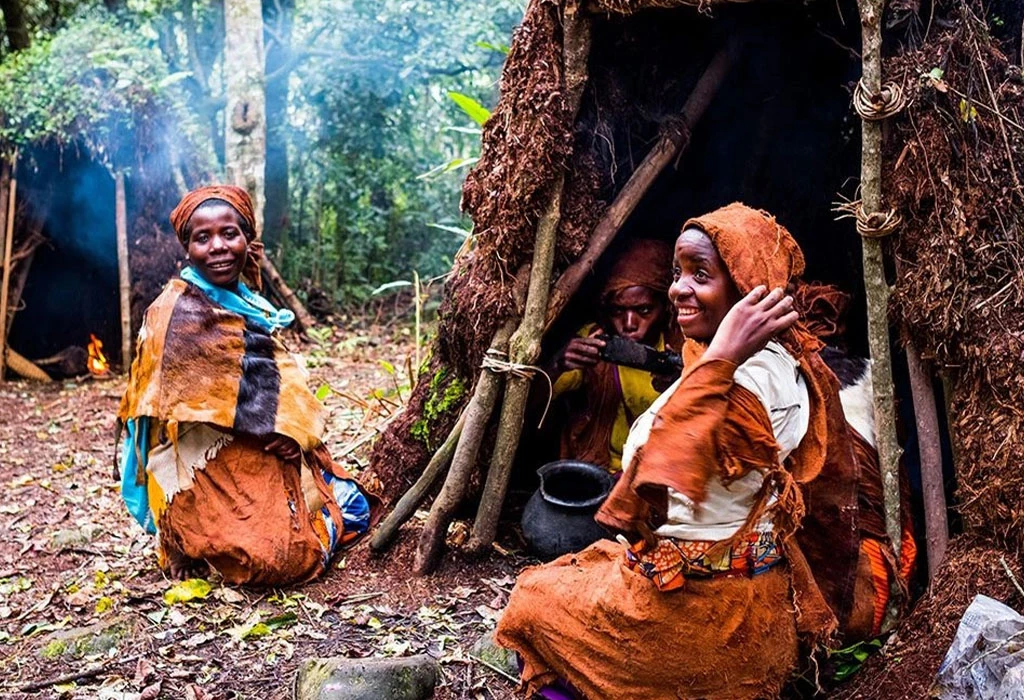
Are you planning to explore Uganda’s cultural heritage beyond gorilla trekking and rainforest adventures? A Batwa Community Visit in Uganda offers a meaningful opportunity to learn about one of the region’s oldest Indigenous communities, their forest heritage, and their continuing cultural traditions. Rather than simply observing beautiful landscapes, you connect with the people whose lives, knowledge, and identity have been closely associated with these forests for generations.
The Batwa are Indigenous forest people whose traditional livelihoods depended heavily on hunting, gathering, and an intimate understanding of their natural surroundings. Historically, they lived in forests around southwestern Uganda, including areas now protected within Bwindi Impenetrable National Park and Mgahinga Gorilla National Park. However, the establishment of protected areas and their exclusion from ancestral forests profoundly changed their way of life. Today, community-led cultural visits provide opportunities to share their heritage, strengthen cultural preservation, and support local livelihoods.
With Gorilla Vista Safaris, travelers can include a Batwa cultural experience in a wider Uganda safari itinerary. Depending on the community and tour selected, visitors may explore forest trails, learn traditional skills, listen to elders’ stories, and enjoy cultural performances. Most importantly, a respectful visit allows you to appreciate the Batwa as living communities with their own perspectives, knowledge, and aspirations.
1. Discover the Authentic Batwa Community Experience
One of the most memorable aspects of a Batwa Community Visit in Uganda is learning how the forest shaped traditional Batwa life. For generations, the forest provided food, medicinal plants, shelter, and materials for everyday activities. Batwa knowledge developed through close observation of wildlife, plants, weather patterns, and seasonal changes.
During a guided cultural experience, community members may demonstrate selected traditional skills and explain how their ancestors used forest resources. For example, depending on the particular trail, you might learn how people traditionally made fire, identified useful plants, collected honey, or used bows and arrows for hunting. These demonstrations help visitors understand the practical knowledge required to live in a forest environment.
Moreover, local guides often explain the cultural significance of particular plants, caves, and forest locations. Consequently, the walk becomes more than an outdoor excursion; it provides insight into the relationship between people and their ancestral environment.
As you follow the forest paths, you can observe the rich vegetation, listen to birds, and experience the cool atmosphere beneath the canopy. Your guide may describe how earlier generations navigated the forest and passed knowledge from parents to children. These conversations offer a valuable perspective on Batwa history and the importance of protecting Indigenous cultural knowledge.
2. Experience Traditional Batwa Music, Dance, and Storytelling
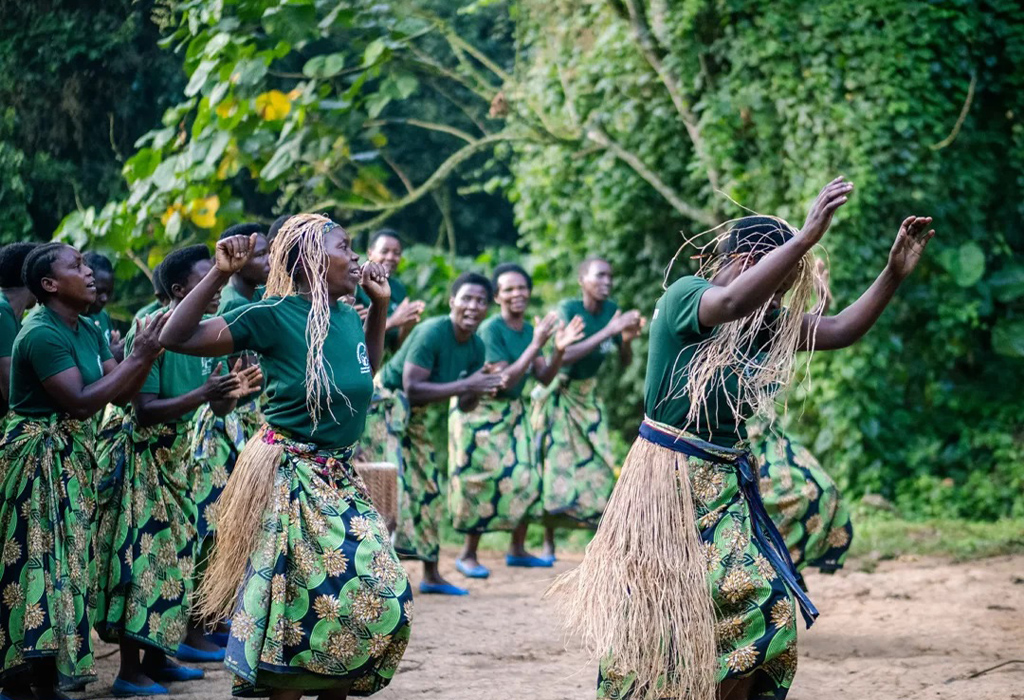
Music, dance, and oral storytelling form an important part of many Batwa cultural experiences. After a guided walk, visitors may have an opportunity to watch traditional performances featuring rhythmic singing, drumming, and coordinated movements. Community members use these artistic expressions to share experiences, celebrate cultural identity, and preserve traditions.
The performances often create an engaging atmosphere in which visitors can appreciate the rhythm and meaning behind the songs. Depending on the community’s preferences, you may also receive an invitation to clap along, learn a few dance movements, or participate in a cultural activity. However, participation should always remain voluntary and guided by the hosts.
Storytelling offers another valuable part of the visit. Elders and cultural guides may share memories of traditional forest life, explain customary practices, and discuss how their communities adapted after losing access to ancestral forests. These accounts help visitors understand both the richness of Batwa heritage and the challenges associated with displacement and cultural change.
Rather than viewing the experience as entertainment alone, take time to listen and ask thoughtful questions. The stories may reveal how cultural identity, family relationships, traditional knowledge, and community solidarity continue to shape Batwa life today.
3. Learn About Everyday Batwa Community Life
A Batwa community visit also provides an opportunity to learn about contemporary life beyond the forest trails. Although traditional forest-based livelihoods have changed significantly, Batwa families continue to maintain cultural practices, develop new skills, and pursue different economic opportunities.
Depending on the host community, your visit may include conversations about household activities, food preparation, traditional crafts, education, and community development. Local residents may explain how families preserve cultural knowledge while responding to modern challenges and opportunities.
Some experiences include demonstrations of handicrafts such as basket weaving, pottery, or the preparation of traditional materials. Skilled artisans can explain how they create their products and why particular techniques remain important. Visitors may have an opportunity to try a simple activity under their guidance.
Food and traditional ingredients can also provide insight into local culture. Where hosts include food-related activities, you may learn about familiar ingredients, customary preparation methods, and the role of shared meals in community life.
These encounters encourage meaningful cultural exchange. Instead of assuming that every Batwa family follows the same traditions or lifestyle, approach each conversation with curiosity and respect. Every community has its own experiences, priorities, and ways of preserving its identity.
4. Support Batwa Community Empowerment Through Responsible Tourism
Responsible tourism can help create economic opportunities while supporting cultural preservation. When you book a Batwa cultural tour, purchase locally made crafts, or participate in a community-led activity, you may contribute to household incomes and local initiatives. The precise benefits depend on the tour operator, the community organization, and the arrangements governing each experience.
For this reason, ask how the visit is organized and how participating community members receive compensation. Whenever possible, choose experiences that involve Batwa guides, artisans, and community representatives directly.
Responsible tourism can support several important priorities:
- Local livelihoods: Tour payments and craft purchases can provide income for participating households.
- Cultural preservation: Community-led storytelling, demonstrations, and performances help keep cultural knowledge visible.
- Skills development: Tourism activities may create opportunities to develop guiding, hospitality, and handicraft skills.
- Community participation: Ethical arrangements allow residents to help shape how visitors experience and learn about their heritage.
- Cultural awareness: Visitors gain a deeper understanding of Indigenous history and the effects of conservation policies on local communities.
Gorilla Vista Safaris encourages travelers to approach cultural tourism as a partnership rather than a one-sided transaction. Before booking, ask about the community involved, the activities offered, and the arrangements for sharing tourism revenue. These questions help you make informed choices and encourage more transparent tourism practices.