- DIRECT CONTACTS:
- +256 779 116 947
- +256 758 566 300
- info@gorillavistasafaris.com

How Is Gorilla Habituation in Uganda?

Uganda is one of Africa’s leading destinations for mountain gorilla encounters, attracting wildlife enthusiasts to the mist-covered forests of Bwindi Impenetrable National Park and Mgahinga Gorilla National Park. Although most travelers know about traditional gorilla trekking, Uganda offers another remarkable opportunity: the Gorilla Habituation Experience in Uganda.
Unlike standard gorilla trekking, which allows visitors to spend one hour with a habituated gorilla family, this special experience permits visitors to spend up to four hours observing a gorilla family undergoing habituation. Consequently, travelers gain a deeper understanding of gorilla behavior, scientific research, and the conservation efforts that protect these endangered primates.
At Gorilla Vista Safaris, we recognize the importance of responsible wildlife tourism. This guide explains how gorilla habituation works, where you can experience it, what it costs, and how to prepare for an unforgettable adventure in Uganda.
What Is Gorilla Habituation?
Gorilla habituation is the gradual process of helping wild mountain gorillas become accustomed to the presence of humans without causing unnecessary stress or disrupting their natural behavior. Mountain gorillas naturally avoid unfamiliar people, so specialists must approach them carefully and consistently before researchers and authorized visitors can observe them under established guidelines.
In Uganda, the Uganda Wildlife Authority (UWA), researchers, conservationists, and experienced trackers work together to monitor selected gorilla families. They visit the forest regularly, observe the animals’ reactions, and gradually introduce their presence while prioritizing gorilla welfare.
The habituation process can take approximately two to three years, although the duration varies between gorilla families. During this period, specialists assess how the animals respond to people and whether they can tolerate human presence safely.
By joining the Gorilla Habituation Experience, visitors have the opportunity to accompany authorized teams and learn about this ongoing conservation process. Rather than simply observing gorillas that are already accustomed to humans, participants witness aspects of the careful work that prepares a family for future research and tourism.
Where Does Gorilla Habituation Take Place in Uganda?
The Gorilla Habituation Experience takes place in the southern sector of Bwindi Impenetrable National Park, particularly in the Rushaga area. Travelers should confirm the designated starting point when booking because trekking locations depend on the allocated gorilla family and current park arrangements.
Bwindi lies in southwestern Uganda and protects a significant population of endangered mountain gorillas. Its ancient rainforest features steep hills, dense vegetation, winding trails, and rich biodiversity. These conditions create a memorable setting for wildlife exploration, although they can also make trekking physically demanding.
The park is recognized as a UNESCO World Heritage Site because of its exceptional biodiversity and conservation importance. In addition to mountain gorillas, visitors may encounter forest birds, butterflies, and other wildlife during their journey.
Although Mgahinga Gorilla National Park also protects mountain gorillas and offers standard gorilla trekking, travelers seeking the dedicated habituation experience should arrange their visit in Bwindi’s designated habituation area.
How Does the Gorilla Habituation Experience Work?
The adventure usually begins early in the morning with a briefing from park rangers. During this session, participants learn about gorilla behavior, forest safety, conservation principles, and the rules they must follow throughout the experience.
After the briefing, visitors enter the rainforest with authorized guides and tracking teams. The length and difficulty of the trek depend on the gorilla family’s location, the terrain, and the conditions in the forest. Because the gorillas move freely, the search may take several hours.
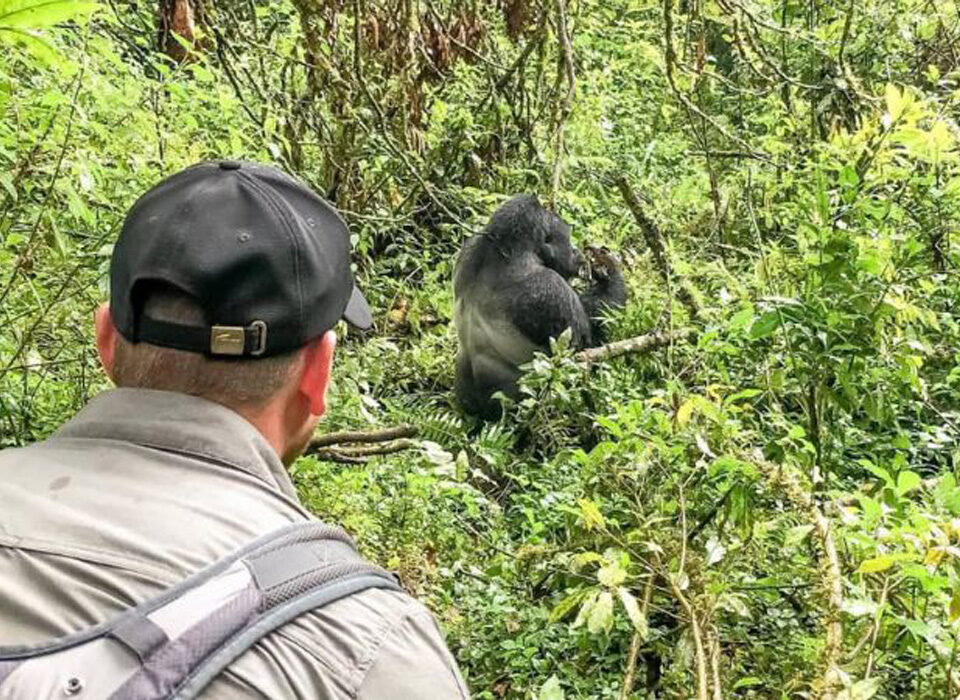
Once the team locates the assigned family, visitors can spend up to four hours observing the gorillas, subject to official rules and the team’s instructions. During this time, they may witness:
- Mothers caring for and nursing their infants.
- Young gorillas playing, climbing, and exploring their surroundings.
- Silverbacks displaying leadership and protective behavior.
- Family members feeding, resting, grooming, and interacting.
- Researchers recording observations that support conservation and behavioral studies.
However, habituation groups do not always behave as visitors might expect. Some gorillas may remain cautious, move through thick vegetation, or retreat from human presence. Therefore, patience and respect are essential. The aim is not to force an encounter but to observe the animals without interfering with their natural activities.
Gorilla Habituation Permit Costs in Uganda (2026)
The Gorilla Habituation Experience generally costs more than standard gorilla trekking because it provides a longer period of observation and supports a specialized conservation activity. Permit prices depend on the visitor category established by the Uganda Wildlife Authority.
Your draft lists the following indicative rates for 2026:
- Foreign non-residents: USD 1,500 per person.
- Foreign residents: USD 1,000 per person.
- East African citizens: UGX 750,000 per person.
These figures should be confirmed with the Uganda Wildlife Authority before booking, as fees and eligibility conditions can change. Visitors should also clarify the applicable residency category and any documentation required to qualify for a particular rate.
Availability is limited, with the experience traditionally restricted to small groups. Because permits can sell out, it is sensible to arrange your preferred travel dates early. Gorilla Vista Safaris can help travelers check current permit information, plan transportation, and coordinate suitable accommodation.
Remember that the permit may not cover every trip expense. You should also budget for accommodation, meals, ground transportation, guide services where applicable, and other activities included in your itinerary.
Gorilla Trekking vs. Gorilla Habituation in Uganda
Both activities offer opportunities to observe mountain gorillas in their natural habitat, but they differ in duration, purpose, and the type of group visitors encounter.
Standard gorilla trekking provides up to one hour with a habituated gorilla family after the trekking team locates it. It suits travelers with limited time who want a meaningful wildlife encounter.
The Gorilla Habituation Experience provides up to four hours with a gorilla family that is still undergoing habituation. Participants gain more time to observe behavior and learn about the work involved in gradually familiarizing gorillas with human presence.
Habituation treks may also involve longer hikes and less predictable encounters. Therefore, travelers should consider their fitness, interests, schedule, and budget before choosing an activity.
Neither option guarantees a particular animal behavior or photographic opportunity. Both require visitors to follow conservation guidelines and respect the gorillas’ space.
What Makes Gorilla Habituation Special?
One of the main attractions of the Gorilla Habituation Experience in Uganda is the additional time spent observing mountain gorillas. Four hours can provide a broader view of their social interactions, feeding habits, family relationships, and responses to their environment.
Furthermore, the experience offers an educational perspective on conservation. Participants learn how researchers and trackers monitor gorilla families, record behavioral information, and assess their progress throughout the habituation process.
The small group format also creates opportunities for a more focused learning experience. With fewer participants than many conventional wildlife activities, visitors can pay closer attention to the guides’ explanations while remaining mindful that the gorillas’ welfare comes first.
Most importantly, responsible gorilla tourism helps support conservation and the communities surrounding protected areas. By following park regulations and choosing ethical tourism providers, travelers can contribute to a system that values wildlife protection alongside local livelihoods.
Best Time for Gorilla Habituation in Uganda
You can plan a Gorilla Habituation Experience throughout the year, although weather conditions influence trekking difficulty.
The relatively drier periods, generally from June to September and December to February, often provide more manageable hiking conditions. Trails may be less muddy, making movement through the forest easier. Nevertheless, rainfall can occur at any time because Bwindi is a tropical rainforest.
The wetter periods, commonly from March to May and October to November, can bring slippery trails and challenging conditions. However, the forest becomes especially lush, creating beautiful scenery for nature enthusiasts and photographers.
Ultimately, the best time depends on your travel dates, preferred conditions, accommodation availability, and permit availability. Regardless of the season, prepare for rain and changing temperatures.
How to Prepare for the Gorilla Habituation Experience
Good preparation helps you enjoy the trek while protecting yourself and respecting the gorillas.
1. Build your walking endurance. The trek may involve steep slopes, uneven ground, thick vegetation, and several hours of hiking. Choose a pace you can manage comfortably.
2. Wear suitable clothing. Pack long-sleeved shirts, long trousers, sturdy waterproof hiking boots, gardening-style gloves, and a lightweight rain jacket. These items help protect you from wet vegetation, mud, and scratches.
3. Carry essential supplies. Bring drinking water, energy-giving snacks, insect repellent, and a walking stick if needed. A small, comfortable backpack makes it easier to carry your supplies.
4. Prepare your camera carefully. Bring a camera with suitable settings for forest conditions, but never use flash photography. Follow ranger instructions about photography and equipment.
5. Follow every safety instruction. Maintain the required distance from gorillas, avoid touching them, keep your voice low, and never attempt to feed or approach them. If you feel unwell before the trek, inform the operator or park authorities because respiratory infections can pose a risk to gorillas.
6. Arrange your trip in advance. Confirm your permit, transport, accommodation, and starting location before traveling to Bwindi. Allow enough time to reach the trekking area without rushing.
Why Book Your Gorilla Habituation Safari with Gorilla Vista Safaris?
Planning a successful gorilla habituation safari involves more than obtaining a permit. Travelers must coordinate transport, accommodation, park arrival times, and other practical arrangements while preparing for a demanding forest trek.
Gorilla Vista Safaris can help you organize these details and develop an itinerary suited to your travel schedule, interests, and budget. Depending on your preferences, your Uganda safari may include time in Bwindi, cultural visits to nearby communities, scenic drives through southwestern Uganda, or other wildlife experiences.
Our approach emphasizes clear planning, responsible tourism, and respect for the natural environment. Before confirming your trip, we recommend checking the latest permit rates, availability, park regulations, and accommodation options.
With thoughtful preparation, a Gorilla Habituation Experience in Uganda offers more than an extended wildlife encounter. It provides an opportunity to appreciate the patience, research, and conservation work involved in protecting mountain gorillas for future generations.
Conclusion: Is Gorilla Habituation in Uganda Worth Experiencing?
For travelers who want to learn more about mountain gorillas and the work behind their conservation, the Gorilla Habituation Experience in Uganda offers an exceptional opportunity. The longer observation period, small group format, and educational focus distinguish it from standard gorilla trekking.
Although the trek can be physically demanding and wildlife encounters remain unpredictable, careful preparation helps you make the most of the journey. Choose the right season for your needs, confirm your permit with the appropriate authorities, and follow every instruction from your guides.
With Gorilla Vista Safaris, you can plan a rewarding Uganda safari that combines responsible wildlife viewing with a deeper appreciation of the country’s remarkable natural heritage.