- DIRECT CONTACTS:
- +256 779 116 947
- +256 758 566 300
- info@gorillavistasafaris.com

Community-Based Tourism in Rwanda and Uganda
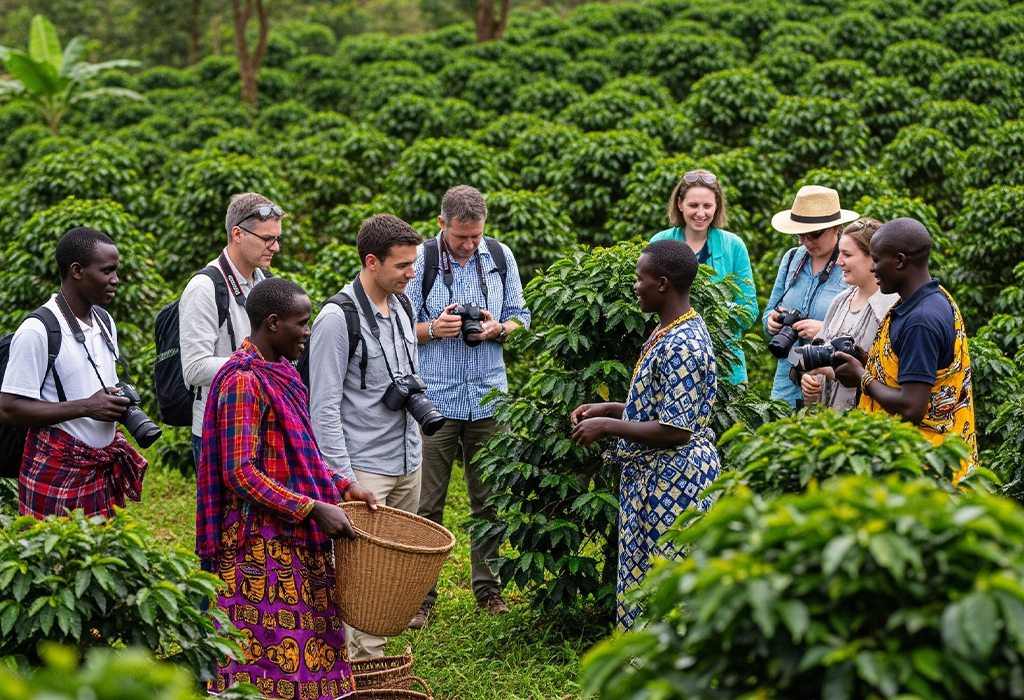
Community-based tourism in Rwanda and Uganda offers travelers an opportunity to explore East Africa beyond its famous national parks and wildlife destinations. Although gorilla trekking, wildlife safaris, and mountain hiking attract visitors from around the world, local communities also play an essential role in shaping the region’s tourism experiences. Through cultural visits, guided nature walks, traditional craft workshops, and village tours, travelers can discover the people, customs, and stories that make these destinations special.
At Gorilla Vista Safaris, we recognize the importance of connecting visitors with meaningful travel experiences that benefit local communities. Community-based tourism in Rwanda and Uganda encourages responsible travel by creating economic opportunities, preserving cultural heritage, and supporting environmental conservation. Instead of simply passing through a destination, travelers can engage with local residents, learn about their daily lives, and contribute to community development. Consequently, every carefully chosen experience can make a positive difference while creating lasting memories.
What Is Community-Based Tourism?
Community-based tourism (CBT) is a form of responsible tourism in which local residents actively participate in managing tourism activities and benefit from the income they generate. These activities may include cultural performances, village walks, traditional cooking demonstrations, handicraft production, farm visits, and community-led conservation projects.
Unlike tourism models that concentrate most profits in large external businesses, community-based tourism aims to give residents greater control over tourism opportunities. Local people can work as guides, storytellers, artisans, cooks, and accommodation providers while sharing their knowledge and traditions with visitors.
Furthermore, this approach encourages cultural understanding between travelers and host communities. Visitors gain insight into local customs and livelihoods, while residents can strengthen their businesses and preserve valuable traditions. When communities participate in decision-making and receive fair financial benefits, tourism can become a practical tool for sustainable development.
Why Choose Community-Based Tourism in Rwanda and Uganda?
Rwanda and Uganda offer excellent opportunities for travelers who want to combine wildlife adventures with authentic cultural experiences. Both countries feature remarkable landscapes, diverse communities, and conservation areas where tourism can support local livelihoods.
Community-Based Tourism in Rwanda
Rwanda, widely known as the Land of a Thousand Hills, combines beautiful scenery with a growing range of cultural and nature-based tourism experiences. Communities around Volcanoes National Park, Nyungwe National Park, and other destinations participate in activities that connect visitors with local heritage and conservation initiatives.
Around Volcanoes National Park, for example, travelers can complement mountain gorilla trekking with cultural visits, traditional dance performances, craft shopping, and guided community experiences. These activities create additional income opportunities for residents living near protected areas.
Moreover, Rwanda’s approach to tourism highlights the relationship between wildlife conservation and community development. Revenue-sharing initiatives and community partnerships can help support local infrastructure and livelihoods. As a result, visitors can gain a broader understanding of how responsible tourism contributes to conservation and rural development.
Community-Based Tourism in Uganda
Uganda, often called the Pearl of Africa, offers equally rewarding opportunities for community-based tourism. Its rich cultural heritage, diverse wildlife, fertile landscapes, and welcoming communities create an ideal setting for meaningful travel experiences.
Near destinations such as Bwindi Impenetrable National Park, Kibale National Park, and the Rwenzori Mountains, visitors can explore community-run initiatives, discover traditional skills, and learn how residents interact with their surrounding environments.
For instance, community-guided wetland walks, village tours, traditional cooking sessions, and handicraft workshops allow travelers to experience Uganda beyond conventional safari activities. In addition, community tourism can create opportunities for women, young people, farmers, and local entrepreneurs to participate in the tourism industry.
Top Community-Based Tourism Experiences in Rwanda
1. Iby’iwacu Cultural Village
Located near Volcanoes National Park, Iby’iwacu Cultural Village, also known as Gorilla Guardians Village, offers visitors an opportunity to explore Rwandan traditions and community life. The experience may include traditional music, dance, storytelling, local cuisine, and demonstrations of traditional skills.
The initiative is particularly associated with providing alternative livelihood opportunities for former poachers and other community members. By participating in cultural activities, visitors can learn about the relationship between local livelihoods and wildlife conservation.
Furthermore, the village provides an opportunity to appreciate Rwandan heritage while supporting locally delivered tourism experiences. Travelers planning gorilla trekking can include a cultural visit in their itinerary to gain a deeper understanding of the communities surrounding the park.
2. Kinigi Community Walks
Kinigi, located near Volcanoes National Park, provides a convenient starting point for exploring the culture and daily life of communities in northern Rwanda. Depending on the experience arranged, visitors may walk through rural surroundings, learn about farming practices, visit local businesses, or interact with residents.
These encounters offer a valuable perspective on life in a region internationally recognized for mountain gorilla conservation. Additionally, local guides can explain how agriculture, small businesses, and tourism contribute to household livelihoods.
For travelers seeking cultural experiences in Rwanda, a community walk provides a relaxed way to complement wildlife adventures with meaningful local interactions.
3. Women’s Craft Cooperatives
Women’s craft cooperatives across Rwanda offer another rewarding way to support community-based tourism. Artisans produce items such as woven baskets, pottery, textiles, and decorative crafts that reflect local skills and artistic traditions.
Visitors may have opportunities to watch artisans at work, learn about traditional techniques, and purchase handmade products directly from participating cooperatives. These purchases can help support small businesses and encourage the continuation of traditional craftsmanship.
Whenever possible, travelers should ask about the origin of products and choose authentic, locally made items. This simple decision helps direct spending toward the people whose skills and creativity make these products valuable.
Best Community-Based Tourism Experiences in Uganda
1. Bigodi Wetland Sanctuary
Located near Kibale National Park, Bigodi Wetland Sanctuary is a well-known example of community involvement in nature-based tourism. Local initiatives have helped connect wetland conservation with tourism opportunities, allowing visitors to explore a rich ecosystem while supporting community activities.
Guided wetland walks introduce travelers to birds, butterflies, monkeys, and diverse plant life. Knowledgeable local guides also explain the ecological importance of wetlands and the relationship between conservation and nearby livelihoods.
In addition to its natural attractions, Bigodi offers insight into how community participation can support environmental protection. Visitors can combine a wetland walk with chimpanzee trekking in Kibale National Park for a more complete nature and culture itinerary.
2. Buhoma Community Tours
Buhoma, near Bwindi Impenetrable National Park, offers travelers opportunities to complement mountain gorilla trekking with community-based experiences. Depending on the activities available, visitors may explore village life, observe traditional crafts, enjoy cultural performances, or learn about local farming and food preparation.
Some experiences also introduce visitors to Batwa heritage and history. Travelers should choose reputable, community-led activities that respect the rights, privacy, and cultural preferences of Batwa participants.
These visits can broaden a gorilla trekking holiday by helping travelers understand the people and communities connected to the surrounding landscape. Furthermore, choosing locally operated experiences can create additional opportunities for guides, artisans, and small businesses.
3. Ruboni Village Tours
Ruboni Village, located near the Rwenzori Mountains in western Uganda, provides an opportunity to experience rural life against a dramatic mountain backdrop. Local guides can introduce visitors to traditional knowledge, farming activities, storytelling, and the natural environment.
Depending on the tour, visitors may enjoy guided walks, scenic viewpoints, interactions with local artisans, or meals featuring regional ingredients. These experiences provide a different perspective from challenging mountain expeditions and allow travelers to explore at a more relaxed pace.
Ruboni is particularly appealing to visitors interested in cultural discovery, nature walks, and learning how local communities live alongside an important mountain ecosystem.
Key Benefits of Community-Based Tourism
Economic Empowerment and Local Employment
Community-based tourism creates opportunities for residents to earn income through guiding, accommodation, transport, food preparation, cultural performances, and handicraft production. Consequently, households can diversify their livelihoods and participate more actively in the tourism economy.
Cultural Preservation and Heritage
Traditional music, dance, storytelling, crafts, and cooking practices help communities share their heritage with visitors. When residents control how their traditions are presented, tourism can encourage cultural pride while supporting the continuation of valuable skills.
Wildlife and Environmental Conservation
Community tourism can strengthen conservation by giving residents economic incentives to protect forests, wetlands, and wildlife habitats. In destinations near gorilla trekking areas, for example, tourism-related livelihoods can complement wider efforts to reduce pressure on natural resources.
However, successful conservation depends on effective management, fair benefit-sharing, and respect for local needs.
Authentic and Meaningful Travel Experiences
For travelers, community-based tourism offers opportunities to learn directly from local residents. Instead of simply observing a destination, visitors can participate in everyday activities, discover regional traditions, and develop a more informed understanding of local life.
Improved Community Services
When tourism income is managed transparently and invested in community priorities, it can help support education, healthcare, sanitation, and other local services. The actual benefits vary between projects, so travelers should ask how individual initiatives distribute their revenue.
How to Support Community-Based Tourism Responsibly
Travelers can make their visits more beneficial by following a few practical principles.
First, choose locally operated experiences and ask how payments reach participating community members. Gorilla Vista Safaris can help travelers identify suitable cultural visits and community experiences when planning a Rwanda or Uganda itinerary.
Second, spend money locally by purchasing authentic crafts, eating at community-run establishments, and using local guides where appropriate. These choices can help small businesses benefit directly from tourism.
Third, respect local customs and privacy. Learn a few local greetings, follow your guide’s instructions, and always request permission before photographing people or entering private spaces.
Additionally, consider spending more time in a destination rather than rushing between attractions. A longer stay may allow you to participate in several activities and support more local businesses.
Finally, choose experiences that respect wildlife, cultural dignity, and environmental protection. Responsible tourism should benefit host communities without exploiting their traditions or damaging the places they call home.
Challenges Facing Community-Based Tourism
Despite its benefits, community-based tourism in Rwanda and Uganda faces several challenges. Some initiatives have limited access to funding, professional training, reliable infrastructure, and international marketing channels. Consequently, smaller operators may struggle to reach travelers or compete with larger tourism businesses.
Other concerns include unequal distribution of income, excessive visitor numbers, and the risk of presenting cultural traditions solely for commercial purposes. Environmental damage can also occur when tourism grows without proper planning.
To address these challenges, tourism stakeholders should strengthen local leadership, improve business skills, encourage transparent revenue management, and develop responsible marketing strategies. Travelers can contribute by supporting credible initiatives that prioritize community participation and long-term sustainability.
Plan Your Community-Based Tourism Experience with Gorilla Vista Safaris
Community-based tourism in Rwanda and Uganda offers a rewarding way to discover East Africa while supporting local livelihoods, cultural heritage, and conservation. From cultural visits near Volcanoes National Park to wetland walks in Bigodi and village experiences near Bwindi, travelers can combine iconic wildlife encounters with meaningful interactions.
Gorilla Vista Safaris can help travelers explore itinerary options that combine gorilla trekking, wildlife safaris, cultural visits, and community-led activities, depending on their interests, schedule, and budget.
Ultimately, responsible travel involves more than visiting famous attractions. It means learning from local people, respecting their traditions, and making thoughtful choices about where your money goes. By including community-based tourism in your East African adventure, you can create a richer travel experience while contributing to opportunities that benefit both people and nature.
Ready to explore Rwanda and Uganda responsibly? Consider adding a community walk, cultural village visit, craft workshop, or locally guided nature experience to your next itinerary with Gorilla Vista Safaris.
