- DIRECT CONTACTS:
- +256 779 116 947
- +256 758 566 300
- info@gorillavistasafaris.com

Best Hiking Trails in Rwanda
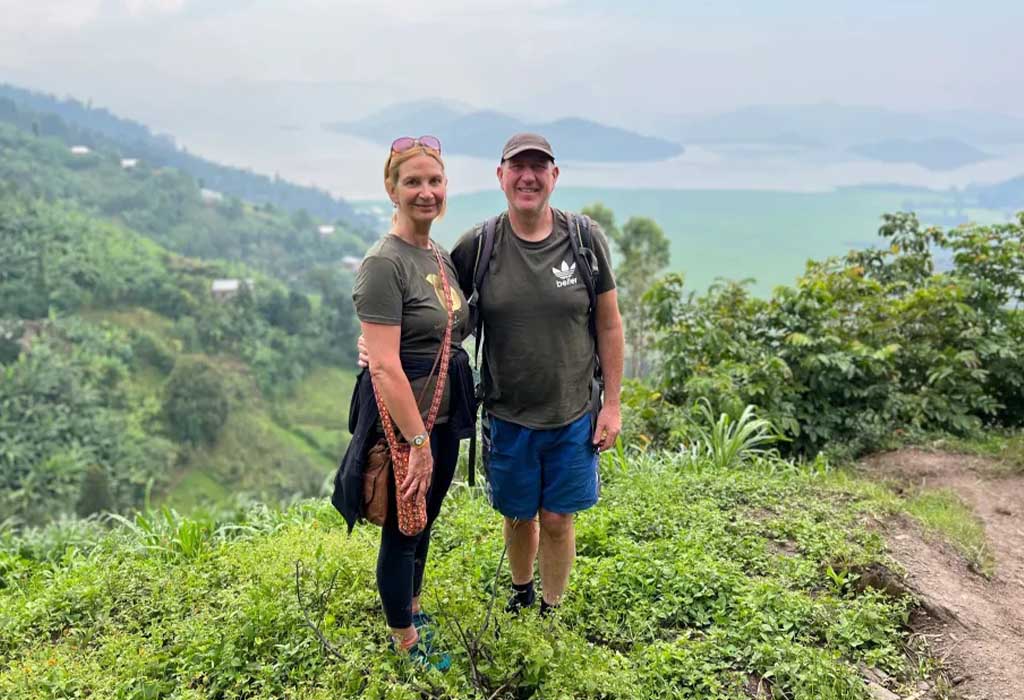
Rwanda, famously known as the Land of a Thousand Hills, offers some of the most rewarding hiking experiences in East Africa. From towering volcanic peaks and ancient rainforests to beautiful crater lakes and rolling green hills, the country provides incredible opportunities for outdoor adventure. Whether you are an experienced mountaineer or a beginner looking for a peaceful nature walk, the best hiking trails in Rwanda offer something for every level of adventure.
Moreover, Rwanda’s compact size makes it easy to explore different landscapes during one trip. You can climb a volcano in the morning, discover rainforest wildlife the next day, and walk through lakeside villages shortly afterward. With Gorilla Vista Safaris, travelers can plan memorable hiking adventures while discovering Rwanda’s natural beauty, wildlife, and local culture.
Why Choose Rwanda for Hiking?
Rwanda combines spectacular scenery, rich biodiversity, and welcoming communities, making it an excellent destination for hikers. Its mountains, forests, and lakes support diverse wildlife, including golden monkeys, chimpanzees, and numerous bird species.
Furthermore, many trails pass through protected national parks where knowledgeable local guides explain the region’s ecology and conservation efforts. As a result, hiking in Rwanda offers more than physical adventure; it creates opportunities to appreciate the country’s landscapes and cultural heritage.
Popular hiking experiences include:
- Climbing volcanic mountains in Volcanoes National Park.
- Exploring rainforest trails in Nyungwe Forest National Park.
- Walking along Lake Kivu through the Congo Nile Trail.
- Discovering wildlife, waterfalls, and scenic highland viewpoints.
1. Mount Bisoke Crater Hike – Volcanoes National Park
Mount Bisoke rises to 3,711 meters and ranks among the most popular volcanic hiking destinations in Rwanda. This challenging day hike leads through bamboo forests, montane vegetation, and increasingly rugged terrain before reaching a beautiful crater lake at the summit.
The ascent demands stamina, especially when muddy paths and changing mountain weather slow your progress. Nevertheless, the spectacular summit scenery makes the effort worthwhile. Allow approximately six to seven hours for the round trip, depending on trail conditions and your pace.
Best for: Intermediate and experienced hikers.
Estimated duration: 6–7 hours.
2. Mount Karisimbi Trek – Rwanda’s Highest Peak
Standing at approximately 4,507 meters, Mount Karisimbi is the highest volcano in the Virunga Massif. Unlike shorter mountain hikes, this demanding adventure typically takes two days, including an overnight stay at a designated mountain camp.
Along the route, trekkers encounter changing vegetation, cool mountain air, and dramatic volcanic scenery. However, the steep ascent, cold temperatures, and high altitude require good preparation. Therefore, hikers should bring appropriate equipment and follow their guide’s advice throughout the journey.
Best for: Experienced trekkers and mountain enthusiasts.
Estimated duration: 2 days.
3. Mount Muhabura Hike – Steep Climbs and Panoramic Views
Mount Muhabura reaches 4,127 meters and offers one of Rwanda’s most demanding volcanic climbs. Its steep slopes challenge endurance, while the higher elevations reward hikers with expansive views across the surrounding Virunga volcanoes.
On clear days, the mountain’s summit crater lake provides a memorable highlight. However, cold weather, slippery trails, and altitude can make the climb difficult. Consequently, this hike suits travelers with good fitness who prepare carefully and follow local guidance.
Best for: Fit hikers seeking a challenging ascent.
Estimated duration: A full day.
4. Dian Fossey Tomb Trail – History and Conservation
The Dian Fossey Tomb Trail combines forest hiking with an important conservation story. Located in Volcanoes National Park, the trail leads toward the former research area of Dian Fossey, whose work helped advance mountain gorilla conservation.
Along the way, hikers pass through dense vegetation and experience the atmosphere of the mountain forest. In addition, guides explain Fossey’s research and the continuing importance of protecting endangered gorillas. The trail can be steep and muddy, so sturdy footwear is essential.
Best for: Conservation enthusiasts and nature lovers.
Estimated duration: Approximately 3–5 hours or longer, depending on the route and conditions.
5. Igishigishigi Trail and Canopy Walk – Nyungwe Forest
The Igishigishigi Trail offers an accessible introduction to Nyungwe Forest National Park. One of its main attractions is the famous canopy walkway, which rises above the forest floor and provides remarkable views of the rainforest canopy.
During the walk, visitors can observe towering trees, colorful birds, and occasional monkey sightings. Although the trail is relatively short, its uneven surfaces and changing weather require suitable footwear. It is an excellent option for travelers who want a rainforest experience without committing to a full-day trek.
Best for: Beginners, families, and birdwatchers.
Estimated duration: Approximately 1–2 hours, excluding additional activities.
6. Isumo Waterfall Trail – A Scenic Rainforest Adventure
The Isumo Waterfall Trail takes hikers through lush rainforest and sections of tea-growing countryside before reaching a spectacular waterfall. Along the route, the changing scenery creates excellent opportunities for photography and wildlife observation.
However, the trail includes steep sections, steps, and potentially slippery ground. Therefore, hikers should maintain a steady pace and follow their guide’s instructions. The combination of forest sounds, fresh air, and waterfall views makes this route particularly rewarding.
Best for: Nature lovers and photography enthusiasts.
Estimated duration: Approximately 3–4 hours.
7. Bigugu Trail – High-Altitude Forest Hiking
The Bigugu Trail leads toward Mount Bigugu, which reaches approximately 2,950 meters within Nyungwe’s mountainous landscape. This demanding route takes hikers through dense forest and areas rich in plant diversity and birdlife.
As the trail gains elevation, the surrounding scenery becomes increasingly dramatic. On suitable days, hikers may enjoy distant views toward Lake Kivu and the wider region. Because conditions can change quickly, adequate preparation and a local guide are important.
Best for: Experienced hikers and birdwatchers.
Estimated duration: Approximately 5–6 hours.
8. Imbaraga Trail – A Test of Endurance
The Imbaraga Trail is a challenging hiking option in Nyungwe Forest National Park. Its steep ascents and descents test endurance while leading through some of the park’s beautiful rainforest habitats.
Along the way, hikers encounter dense vegetation, forest birds, and the peaceful atmosphere that makes Nyungwe special. Although the terrain can be demanding, the experience rewards travelers who enjoy physically engaging outdoor adventures.
Best for: Fit hikers seeking a strenuous forest trek.
Estimated duration: Approximately 5–6 hours.
9. Rukuzi Trail – Nature and Local Culture
The Rukuzi Trail offers another opportunity to explore Nyungwe’s forest environment while learning about the communities surrounding the park. Its route passes through natural habitats where hikers may encounter birds and other wildlife.
Depending on the itinerary, visitors can also learn about local livelihoods and conservation initiatives. This combination makes the trail appealing to travelers who want their outdoor experiences to include cultural understanding as well as scenic beauty.
Best for: Cultural travelers and eco-tourism enthusiasts.
Estimated duration: Approximately 4–5 hours.
10. Muzimu Trail – Peaceful Forest Scenery
The Muzimu Trail provides a quieter hiking experience for travelers who prefer scenic walks away from busier routes. Its landscape features open areas, forested hills, and changing vegetation that reveal the diversity of Rwanda’s natural environment.
Moreover, the peaceful surroundings create excellent opportunities for birdwatching, photography, and enjoying nature at a relaxed pace. Check current access arrangements and trail conditions before visiting, as routes and availability may change.
Best for: Nature lovers and moderate hikers.
Estimated duration: Approximately 3–4 hours.
11. Congo Nile Trail – Rwanda’s Ultimate Long-Distance Hike
The Congo Nile Trail is one of Rwanda’s most memorable outdoor adventures. Stretching for approximately 227 kilometers along the eastern shores of Lake Kivu, it connects beautiful landscapes, rural communities, coffee farms, and lakeside settlements.
Unlike the country’s shorter mountain hikes, this route allows travelers to experience everyday life in rural Rwanda. You can walk selected sections over a few days or plan a longer journey with overnight stops along the way.
However, completing the entire trail requires careful planning, suitable accommodation, reliable navigation, and adequate supplies. With the right itinerary, the journey offers an exceptional combination of scenery, physical activity, and cultural discovery.
Best for: Long-distance hikers and adventurous travelers.
Estimated duration: Several days to approximately 10 days, depending on the itinerary.
Best Time to Explore Hiking Trails in Rwanda
The best time for hiking in Rwanda generally falls during the drier periods, from June to September and December to February. During these months, trails are often easier to navigate, and clearer skies can improve visibility from mountain summits.
Nevertheless, Rwanda’s tropical climate can bring rain throughout the year. Wet-season hikes may offer greener scenery and fewer visitors, but muddy paths and poor visibility can make some routes more challenging.
Before traveling, check the weather forecast, park access requirements, and any seasonal trail restrictions.
Essential Tips for Hiking in Rwanda
To enjoy the best hiking trails in Rwanda safely and comfortably, prepare for changing weather, varying terrain, and differences in altitude.
- Hire an authorized guide: Some national park hikes require guided access.
- Wear suitable footwear: Sturdy hiking boots help on steep, muddy, and uneven paths.
- Pack rain protection: Carry a waterproof jacket, even during drier months.
- Bring enough water and snacks: Longer hikes require regular hydration and energy.
- Check permits in advance: Mountain hikes and protected-area activities may require permits and advance bookings.
- Prepare for altitude: Ascend at a manageable pace and tell your guide if you feel unwell.
- Respect wildlife: Maintain the required distance and follow all park instructions.
Conclusion: Discover the Best Hiking Trails in Rwanda
The best hiking trails in Rwanda reveal a remarkable variety of landscapes, from volcanic summits and rainforest waterfalls to peaceful lakeside paths. Whether you choose the Mount Bisoke crater hike, explore Nyungwe Forest, or take on the Congo Nile Trail, each route offers a different way to experience the country’s natural beauty.
Ultimately, careful planning helps you choose a trail that matches your fitness, interests, and available time. Gorilla Vista Safaris can help travelers organize Rwanda hiking tours that combine scenic trails, knowledgeable local guides, and opportunities to discover the country’s extraordinary landscapes and conservation heritage.