- DIRECT CONTACTS:
- +256 779 116 947
- +256 758 566 300
- info@gorillavistasafaris.com

Safety Precautions During Game Drives in Uganda
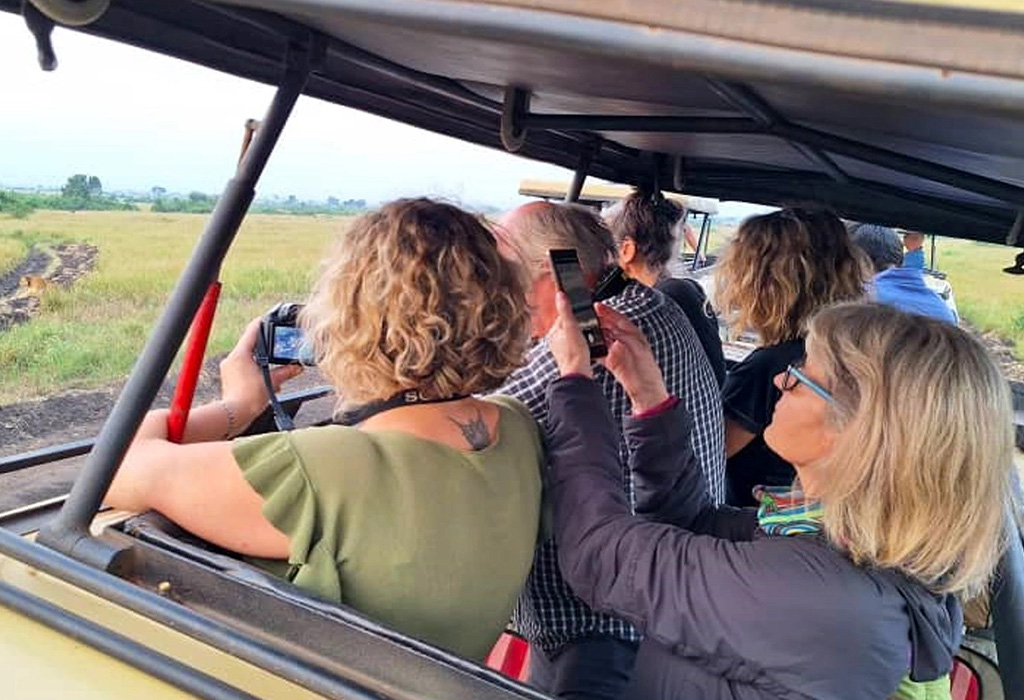
Safety during game drives in Uganda is an essential part of enjoying a wildlife safari while protecting visitors, animals, and the environment. Uganda offers some of East Africa’s most rewarding game-viewing experiences, from the open savannahs of Queen Elizabeth National Park to the remote wilderness of Kidepo Valley National Park. However, exploring these natural habitats safely requires travelers to understand and respect park regulations.
A game drive takes you into an environment where wild animals move freely. Lions may rest near a track, elephants can cross the road unexpectedly, buffaloes may approach vehicles, and hippos can become aggressive when they feel threatened. Therefore, travelers should never treat a game drive like an ordinary road trip.
Uganda has several excellent destinations for wildlife viewing, including Murchison Falls National Park, Queen Elizabeth National Park, Kidepo Valley National Park, and Lake Mburo National Park. These protected areas are managed under conservation regulations designed to protect wildlife and visitors.
At Gorilla Vista Safaris, we encourage travelers to listen carefully to their professional driver-guide and follow instructions from park rangers throughout the safari. Simple precautions can make wildlife encounters safer, more comfortable, and more respectful of nature.
Why Safety Matters During Game Drives in Uganda
Wild animals are not domesticated animals. Even when an animal appears calm, its behavior can change quickly if it feels threatened, cornered, or disturbed. For this reason, safe game viewing depends on maintaining an appropriate distance and allowing wildlife to behave naturally.
Safety also contributes to conservation. Reckless driving, littering, feeding animals, and leaving designated tracks can damage habitats and interfere with wildlife management.
Before entering a national park, travelers should understand the basic rules and remain attentive throughout the safari. Important precautions include:
- Listening carefully to the driver-guide and ranger.
- Remaining inside the safari vehicle unless instructed otherwise.
- Keeping noise to a minimum around wildlife.
- Never feeding, provoking, or chasing animals.
- Following designated game-viewing tracks.
- Keeping the park environment clean.
1. Explore Uganda’s National Parks With an Experienced Guide
One of the most important game drive safety tips in Uganda is to explore protected areas with an experienced driver-guide or ranger. Professional guides understand the terrain, wildlife behavior, commonly used tracks, and areas where different species are frequently sighted.
An experienced guide can also recognize warning signs in animal behavior. For example, an elephant that becomes agitated may require the driver to increase the distance from the vehicle. Similarly, guides know how to approach wildlife without causing unnecessary stress.
Having a knowledgeable guide also makes the safari more rewarding. Instead of simply seeing an animal, travelers can learn about its behavior, habitat, feeding patterns, and importance within the ecosystem.
Gorilla Vista Safaris helps travelers explore Uganda’s wildlife destinations with professional safari guidance and an emphasis on responsible tourism.
2. Observe the Recommended Speed Limit
Speed is another important consideration when discussing safety during game drives in Uganda. Safari drivers should follow the speed regulations and instructions applicable to the national park they are visiting.
Driving at a controlled speed gives the driver enough time to react when animals suddenly cross the track. It also allows visitors to spot wildlife that may be hiding in vegetation.
A slow-moving vehicle also creates less disturbance. In many cases, some of the best wildlife sightings happen when a vehicle moves quietly and patiently rather than rushing between locations.
Drivers should therefore maintain a safe speed, especially near animals, bends, junctions, and areas where visibility is limited.
3. Never Feed Wild Animals
Visitors should never feed wildlife during a Uganda safari. Although giving food to an animal may seem harmless, it can change its natural behavior.
Animals that become accustomed to human food may begin approaching vehicles, lodges, or campsites expecting to be fed. This can increase dependence on humans and create potentially dangerous encounters.
Wild animals have adapted to finding their own food in their natural habitats. Lions hunt prey, elephants browse vegetation, giraffes feed on leaves, and antelopes graze across the savannah.
Keeping wildlife independent and wild is therefore one of the simplest ways visitors can contribute to conservation.
4. Avoid Littering in National Parks
Keeping Uganda’s protected areas clean is another important aspect of responsible game drive safety. Travelers should never throw plastic bottles, food wrappers, tissues, or other rubbish from a safari vehicle.
Litter can pollute water sources and damage wildlife habitats. Animals can also swallow plastic or become trapped in discarded materials.
Instead, keep all rubbish inside the vehicle and dispose of it at an appropriate collection point.
Responsible travelers should aim to leave the park exactly as they found it, or better.
5. Stay on Designated Game-Viewing Tracks
Uganda’s national parks have established game-viewing tracks that guide vehicles through suitable wildlife areas. Travelers should remain on authorized routes unless park authorities specifically permit otherwise.
Driving off-track can damage vegetation, contribute to soil erosion, disturb wildlife, and interfere with other visitors’ experiences. It can also place a vehicle in an unsafe position.
Some areas may contain sensitive habitats where animals feed, rest, or raise their young. Staying on designated tracks therefore supports both visitor safety and wildlife conservation.
Following the established routes is not simply a park rule. It is an important part of responsible safari tourism.
6. Do Not Hoot at or Chase Animals
Wild animals should never be chased, surrounded, or deliberately disturbed for photographs.
Hooting or making loud noises at an animal can cause unnecessary stress and may trigger an unpredictable reaction. This is particularly important when viewing large and powerful species such as elephants, buffaloes, and hippos.
Instead, drivers should minimize unnecessary noise and allow wildlife to move naturally.
If an animal crosses the road, remain patient and allow it to pass. Wildlife has priority in its natural environment.
This simple principle makes game drives in Uganda safer for tourists and wildlife.
7. Follow Park Operating Hours and Night-Drive Regulations
Visitors should follow the opening and closing times established by the relevant national park and park authorities. Most daytime game drives take place during officially permitted park hours.
Some destinations and private conservation areas may provide night wildlife experiences under specific arrangements. Such activities require appropriate authorization, qualified guides, and suitable equipment.
Travelers should never assume they can drive through a national park after normal operating hours. Always confirm the applicable regulations with your tour operator or park authorities before planning an early-morning or evening wildlife activity.
8. Keep Your Park Entry Documents and Receipts
Travelers should keep their park entry receipts, permits, identification documents, and other relevant safari paperwork accessible during their trip.
Park officials may require visitors to present documentation at entry points or during inspections. Keeping these documents organized can make the process easier and prevent unnecessary delays.
Fees and documentation requirements can vary depending on the visitor’s nationality and the activity being undertaken. It is therefore advisable to confirm current requirements before beginning the safari.
Gorilla Vista Safaris can assist travelers with understanding the arrangements and documentation required for their planned Uganda wildlife safari.
9. Only Make Campfires in Authorized Areas
Where camping is permitted, travelers should only make fires in designated areas and follow instructions from park officials, campsite managers, or lodge staff.
Uncontrolled fires can spread through dry vegetation and cause serious damage to wildlife habitats. They can also endanger visitors, vehicles, accommodation facilities, and camping equipment.
Travelers staying at safari camps should therefore avoid making unauthorized fires and follow the property’s fire-safety procedures.
Extra care is necessary during dry periods when grass and vegetation can catch fire easily.
10. Wear Appropriate Clothing for a Game Drive
Appropriate clothing can make a Uganda game drive more comfortable and practical. Early-morning drives can be cool, while temperatures may rise significantly later in the day.
Travelers should consider carrying:
- Lightweight and comfortable clothing.
- A light jacket or sweater for early mornings.
- A wide-brimmed hat or sunhat.
- Sunglasses and sunscreen.
- Insect repellent.
- Comfortable closed shoes.
- Drinking water.
- Binoculars and a camera.
Neutral-colored clothing is generally practical because it blends naturally with the surroundings. Visitors should also avoid excessively bright clothing when possible, particularly during wildlife-viewing activities where minimizing disturbance is important.
Additional Safety Tips for Wildlife Safaris in Uganda
Beyond the main park regulations, several simple habits can make a game drive safer and more enjoyable.
First, remain seated inside the vehicle unless your guide confirms that it is safe to leave. Never step out simply because an animal appears far away. Wildlife can move much faster than people expect.
Second, follow your guide’s instructions about vehicle windows and doors, particularly when the vehicle is close to potentially dangerous animals. Your driver-guide understands how different species behave and how much space should be maintained.
Third, avoid sudden movements and loud conversations. Quiet observation often produces better sightings because animals are less likely to feel disturbed.
Finally, be patient. Wildlife viewing does not always happen immediately. Waiting quietly for a lion to emerge from tall grass or watching elephants move across the plains can become one of the most memorable moments of a Uganda safari.
Safety Around Different Wild Animals
Different wildlife species require different levels of caution. Elephants may appear peaceful but can become defensive when they feel threatened. Buffaloes are powerful animals that should never be approached on foot. Hippos are also highly territorial, especially around water.
Predators such as lions and leopards should always be observed from the safety of the safari vehicle. Even when they appear relaxed, visitors should never attempt to approach them independently.
Some important principles include:
- Elephants: Give them adequate space and avoid sudden movements or loud noises.
- Buffaloes: Never approach them on foot and follow your guide’s instructions.
- Lions: Observe them from the vehicle and avoid disturbing them.
- Hippos: Maintain a safe distance and never approach them outside the vehicle.
- Giraffes and antelopes: Allow them enough space to cross the track naturally.
The safest approach is always to follow the instructions of the driver-guide and park ranger.
Best National Parks for Safe Game Drives in Uganda
Uganda offers several outstanding destinations for wildlife viewing. Each park has its own landscapes, wildlife species, and safari experiences.
Murchison Falls National Park
Murchison Falls National Park is Uganda’s largest protected area and offers extensive savannah landscapes where visitors can search for elephants, giraffes, buffaloes, antelopes, lions, and other wildlife.
The Buligi area is particularly popular for game viewing. However, travelers should remain on designated tracks and follow the instructions of their guides throughout the drive.
Queen Elizabeth National Park
Queen Elizabeth National Park is one of Uganda’s most popular wildlife destinations. Game drives in areas such as Kasenyi provide opportunities to search for lions, elephants, buffaloes, Uganda kobs, and other wildlife.
Visitors can also combine a game drive with a boat cruise along the Kazinga Channel, where hippos, crocodiles, elephants, and numerous bird species can often be seen.
Kidepo Valley National Park
Kidepo Valley National Park provides a remote wilderness experience in northeastern Uganda. Its expansive plains, rugged mountains, and diverse wildlife make it an exceptional destination for adventurous travelers.
Because of its remote location, visitors should rely on experienced guides and ensure that their safari is properly planned before entering the park.
Lake Mburo National Park
Lake Mburo National Park is conveniently located in western Uganda and provides opportunities to see zebras, impalas, buffaloes, elands, giraffes, and numerous bird species.
Its relatively compact size makes it a popular destination for travelers looking for a shorter wildlife safari. Visitors should nevertheless follow all park regulations and guide instructions.
Why Responsible Tourism Improves Game Drive Safety
Safety and conservation are closely connected. When travelers respect wildlife and follow park regulations, they reduce the possibility of dangerous encounters while helping protect Uganda’s ecosystems.
A responsible safari means observing animals without interfering with their natural behavior. It also means respecting park staff, keeping protected areas clean, supporting local communities, and avoiding activities that could damage habitats.
For travelers, responsible tourism can create a better wildlife experience because animals are more likely to behave naturally when they are not constantly disturbed.
Gorilla Vista Safaris encourages visitors to experience Uganda’s wildlife responsibly while following guidance from professional safari guides and park authorities.
Frequently Asked Questions About Safety During Game Drives in Uganda
Is it safe to go on a game drive in Uganda?
Yes. Game drives in Uganda can be enjoyed safely when travelers follow park regulations and the instructions of experienced driver-guides and rangers. Wildlife should always be observed from a safe position and treated with respect.
Can I leave the safari vehicle during a game drive?
You should not leave the safari vehicle unless your driver-guide or park authorities confirm that it is safe and the area is designated for getting out. Wild animals can be unpredictable even when they appear calm.
What should I wear on a Uganda game drive?
Wear comfortable, lightweight clothing and consider carrying a light jacket for cool mornings. A hat, sunglasses, sunscreen, insect repellent, and comfortable closed shoes are also useful.
How can I stay safe around elephants during a game drive?
Maintain a safe distance, remain inside the vehicle, avoid loud noises, and follow your guide’s instructions. Never attempt to provoke, chase, or approach an elephant on foot.
Can I take photographs during a Uganda safari?
Yes. Photography is an important part of a game drive. However, travelers should never chase or disturb wildlife simply to obtain a photograph. Follow your guide’s instructions and maintain a respectful distance.
Can I go on a night game drive in Uganda?
Night wildlife experiences are available in selected areas under specific regulations and arrangements. Travelers should confirm availability and authorization with their tour operator or the relevant authorities.
What are the most important safety rules during a Uganda game drive?
The most important rules include remaining inside the vehicle when instructed, following your guide’s advice, maintaining a safe distance from wildlife, staying on designated tracks, avoiding unnecessary noise, not feeding animals, and never littering.
Which national parks are best for game drives in Uganda?
Murchison Falls, Queen Elizabeth, Kidepo Valley, and Lake Mburo national parks are among Uganda’s leading destinations for game drives. Each offers a distinct combination of landscapes and wildlife.
Conclusion
Safety during game drives in Uganda begins with respect for wildlife, the environment, park authorities, and fellow travelers. A game drive takes visitors into the natural homes of wild animals, so responsible behavior should always come before getting the closest possible sighting or the perfect photograph.
By traveling with an experienced guide, following designated tracks, maintaining appropriate speeds, avoiding unnecessary noise, keeping the environment clean, and respecting park regulations, travelers can enjoy Uganda’s remarkable wildlife more safely.
From the savannah plains of Murchison Falls and Queen Elizabeth to the remote landscapes of Kidepo Valley and the scenic wilderness of Lake Mburo, Uganda offers exceptional wildlife experiences. With proper preparation and responsible travel practices, every game drive can become an opportunity to appreciate nature while contributing to long-term conservation.
Gorilla Vista Safaris can help travelers plan responsible Uganda wildlife safaris with suitable transport, accommodation, park activities, and professional safari guidance.