- DIRECT CONTACTS:
- +256 779 116 947
- +256 758 566 300
- info@gorillavistasafaris.com

How Safe Is Gorilla Trekking? A Complete Safety Guide
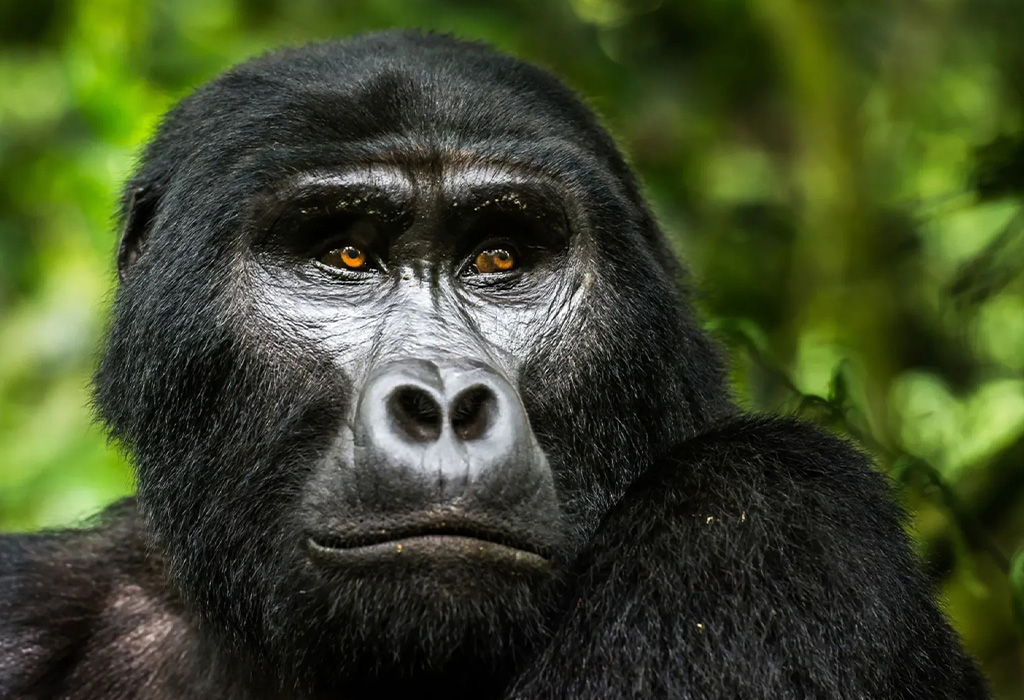
How safe is gorilla trekking? This is one of the most common questions travelers ask before planning a gorilla safari in Africa. The good news is that gorilla trekking is generally considered a safe and well-organized wildlife activity when visitors follow the instructions provided by experienced guides, rangers, and park authorities.
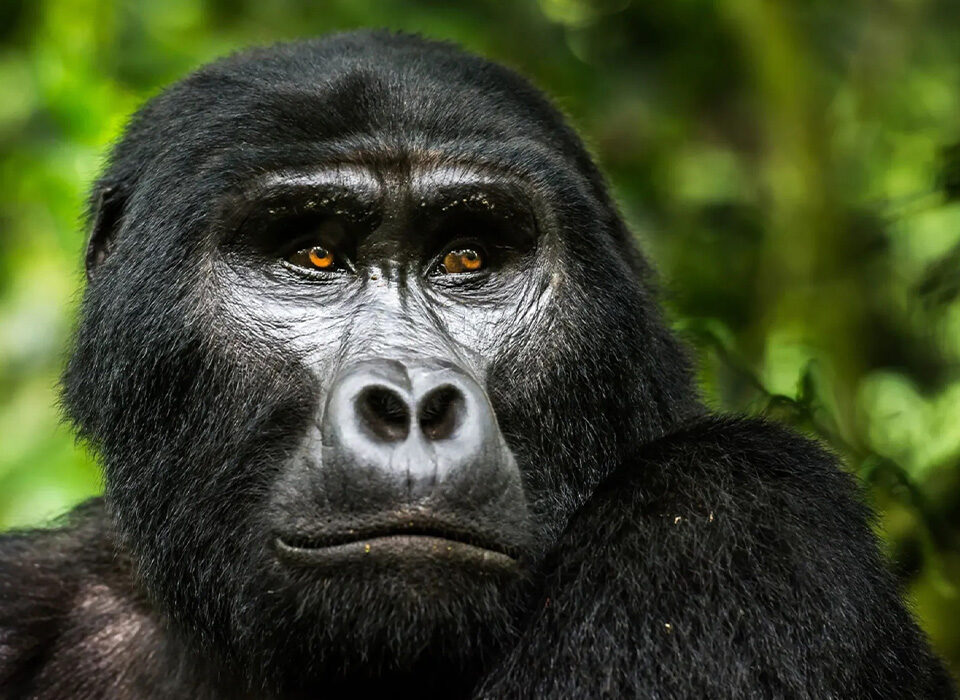
Gorilla trekking gives travelers the rare opportunity to observe habituated mountain gorillas in their natural forest habitat. Although the experience involves hiking through thick forests and sometimes challenging terrain, trained guides and park rangers accompany visitors throughout the trek. Their knowledge of the forest, gorilla behavior, and safety procedures helps make the experience both enjoyable and secure.
Gorilla Vista Safaris can help travelers prepare for their gorilla trekking experience by organizing permits, transport, accommodation, guides, and other safari arrangements.
Where Can You Go Gorilla Trekking in Africa?
Mountain gorilla trekking takes place in three countries: Uganda, Rwanda, and the Democratic Republic of Congo. Visitors can track these remarkable primates in four protected areas.
In Uganda, trekking takes place in Bwindi Impenetrable National Park and Mgahinga Gorilla National Park. Rwanda offers gorilla trekking in Volcanoes National Park, while the Democratic Republic of Congo offers the experience in Virunga National Park, subject to the park’s operating conditions and security situation.
Each destination provides a different travel experience. However, all legitimate gorilla trekking activities follow established conservation and visitor-safety procedures.
Gorilla Trekking in Rwanda
Rwanda offers gorilla trekking in Volcanoes National Park, located in the northern part of the country. The park is relatively close to Kigali, making it convenient for travelers who want to combine gorilla trekking with a short city stay.
Before entering the forest, visitors receive a briefing about gorilla trekking rules and safety procedures. Rangers then lead groups into the forest while guides provide information about the gorillas, vegetation, and other wildlife.
Rwanda has also developed a high-end tourism model around gorilla conservation. Consequently, visitors can find a wide range of quality accommodation options around Volcanoes National Park.
How Much Is a Gorilla Permit in Rwanda?
The cost of a gorilla trekking permit in Rwanda varies according to the traveler’s category and the applicable Rwanda Development Board tariff. International visitors should check the current official tariff before booking because permit prices and eligibility categories can change.
Gorilla Vista Safaris can assist travelers in confirming the applicable permit requirements and arranging the rest of their Rwanda gorilla safari.
Gorilla Trekking in Uganda
Uganda provides two locations for mountain gorilla trekking: Bwindi Impenetrable National Park and Mgahinga Gorilla National Park.
Bwindi is particularly well known for its several habituated gorilla families spread across different trekking sectors. These include Buhoma, Ruhija, Rushaga, and Nkuringo. Mgahinga, meanwhile, forms part of the larger Virunga conservation landscape and provides another opportunity to encounter mountain gorillas.
The trek itself can range from a relatively short forest walk to a demanding hike lasting several hours. The difficulty depends on the location of the gorilla family on the day of your trek.
Therefore, travelers should prepare for changing weather, steep slopes, muddy trails, and dense vegetation. With proper preparation and guidance from experienced rangers, however, these challenges can be managed safely.
How Much Is a Gorilla Permit in Uganda?
Gorilla permit prices depend on the applicable Uganda Wildlife Authority tariff and the traveler’s residency category. International travelers should confirm the current price before making a booking because official rates can change.
Gorilla Vista Safaris can help you secure your permit and plan the rest of your Uganda gorilla trekking safari around your preferred travel dates.
Gorilla Trekking in the Democratic Republic of Congo
Virunga National Park in the Democratic Republic of Congo is another important mountain gorilla habitat. However, unlike Uganda and Rwanda, travel to Virunga requires careful consideration of the park’s current operating status and security conditions.
The region has experienced periods of armed conflict and insecurity. As a result, travelers should rely on current information from official authorities and park management before planning a gorilla trek in the area.
Virunga is also famous for its remarkable volcanic landscapes and other attractions. Travelers who visit when conditions permit can explore the park’s diverse ecosystems and volcanic scenery.
How Safe Is Gorilla Trekking?
So, how safe is gorilla trekking? For most visitors, gorilla trekking in Uganda and Rwanda is a well-regulated activity supported by trained rangers, guides, and conservation authorities.
Safety starts before you enter the forest. During the morning briefing, rangers explain how visitors should behave around the gorillas. They also provide instructions about maintaining an appropriate distance, avoiding sudden movements, and responding to the behavior of the animals.
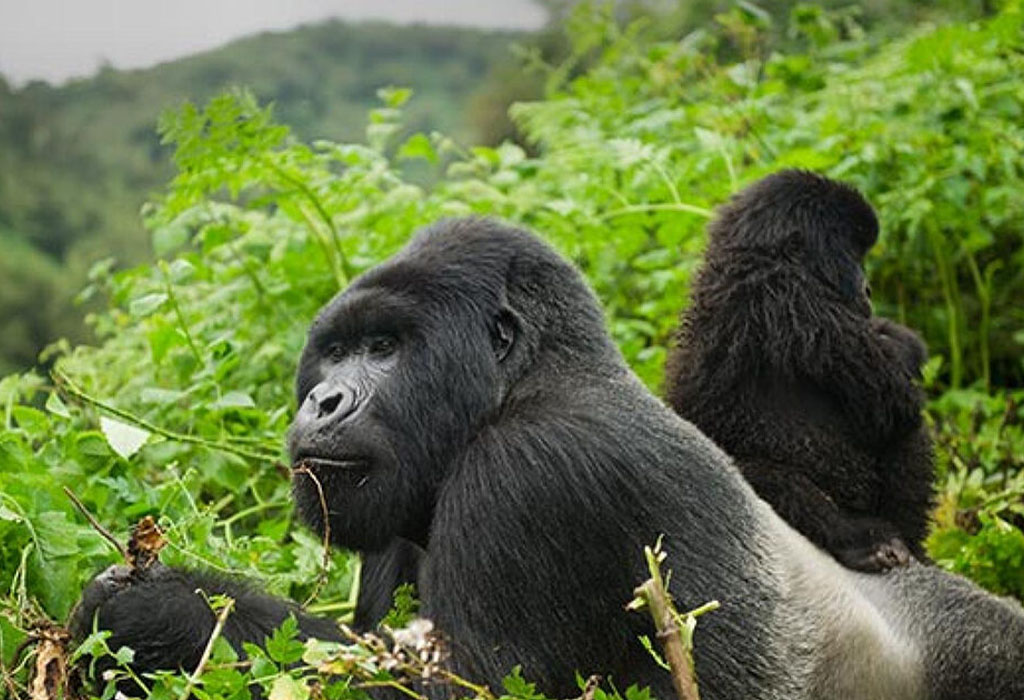
Importantly, mountain gorillas remain wild animals. Although habituated gorillas have become accustomed to the presence of humans, visitors must respect their space and avoid actions that could make them uncomfortable or threatened.
The guides and rangers continuously monitor the situation and help visitors understand how to behave during the encounter. Therefore, following their instructions is one of the most important ways to enjoy a safe gorilla trekking experience.
Gorilla Trekking Safety Rules
Before entering the forest, visitors should wash their hands and avoid trekking when they are sick. Mountain gorillas are vulnerable to several human illnesses, so maintaining good hygiene protects both travelers and gorillas.
During the trek, speak quietly and avoid unnecessary noise. The forest contains much more than gorillas, and keeping quiet allows you to observe birds, monkeys, reptiles, insects, and other wildlife without disturbing them.
Visitors should also carry their rubbish out of the forest. Do not leave plastic bottles, food wrappers, tissues, or any other waste along the trail.
Once you find the gorilla family, listen carefully to the instructions provided by the ranger. Avoid eating or drinking in front of the gorillas unless the ranger gives specific instructions. Most importantly, never attempt to touch, feed, chase, or provoke a gorilla.
Keep a Safe Distance From the Gorillas
Maintaining an appropriate distance from mountain gorillas helps protect both visitors and the animals. Gorilla trekking guidelines generally require visitors to maintain a minimum distance of 7 metres from the gorillas, although gorillas may sometimes approach visitors on their own.
If a gorilla moves closer, remain calm and follow the ranger’s instructions. Do not attempt to move toward the animal or touch it.
This rule also helps reduce the possibility of transmitting human illnesses to gorillas. Because mountain gorillas share many biological similarities with humans, respiratory infections and other diseases can pose serious conservation concerns.
Trekking in Groups With Experienced Rangers
Gorilla trekking does not involve entering the forest alone. After the morning briefing, visitors are organized into trekking groups and accompanied by trained guides and armed park rangers.
The rangers understand gorilla behavior and know the forest trails. They also communicate with trackers who locate the gorilla family before visitors arrive.
As a result, travelers have professional support throughout the experience. If the terrain becomes difficult, the guides can also advise visitors on how to navigate steep or slippery sections safely.
What Should You Do When You Meet the Gorillas?
Seeing a mountain gorilla at close range can be an emotional experience. Nevertheless, visitors should remain calm and follow the instructions of their guide.
Avoid sudden movements, loud laughter, shouting, or attempts to attract the attention of a gorilla. Instead, observe quietly and allow the animals to behave naturally.
If a gorilla displays unusual behavior, do not panic. Your ranger knows how to respond and will guide you on what to do. Following instructions rather than reacting impulsively is essential.
How Can You Prepare for a Safe Gorilla Trek?
Good preparation can make your trek much more comfortable. Wear sturdy hiking shoes with good grip because forest trails can become slippery, especially during rainy weather.
Long trousers and a long-sleeved shirt can protect you from vegetation and insects. A waterproof jacket is also useful because weather conditions in mountain forests can change quickly.
You should also carry drinking water, a small backpack, insect repellent, and any personal medication you may need. If you are concerned about the physical demands of the trek, discuss your needs with your safari operator before traveling.
Gorilla Vista Safaris can help you choose appropriate accommodation, transport, trekking options, and other arrangements based on your travel plans.
Is Gorilla Trekking Safe for First-Time Visitors?
Yes, first-time visitors can participate in gorilla trekking. You do not need previous trekking experience to enjoy the activity. However, you should be reasonably prepared for walking through a natural forest environment.
The length and difficulty of the trek vary considerably. Some visitors reach their gorilla family after a short walk, while others may spend several hours hiking through steep and dense terrain.
For this reason, communicate honestly with your guide about your fitness level and any physical limitations. The trekking team can provide guidance and help make the experience more manageable.
Final Thoughts on Gorilla Trekking Safety
Ultimately, how safe is gorilla trekking depends on several factors, including the destination, current security conditions, weather, terrain, visitor behavior, and compliance with park regulations.
Uganda and Rwanda have established systems for managing gorilla tourism, with trained guides and rangers accompanying visitors during treks. Nevertheless, gorillas remain wild animals, so visitors must always respect their space and follow official instructions.
With proper preparation, responsible behavior, and support from experienced guides, gorilla trekking can be a memorable and carefully managed wildlife experience.
Gorilla Vista Safaris can help travelers organize their gorilla trekking adventure in Uganda or Rwanda, from permit arrangements and accommodation to transportation and guided activities.