- DIRECT CONTACTS:
- +256 779 116 947
- +256 758 566 300
- info@gorillavistasafaris.com

Why the Masai Mara Tops Every Kenya Itinerary
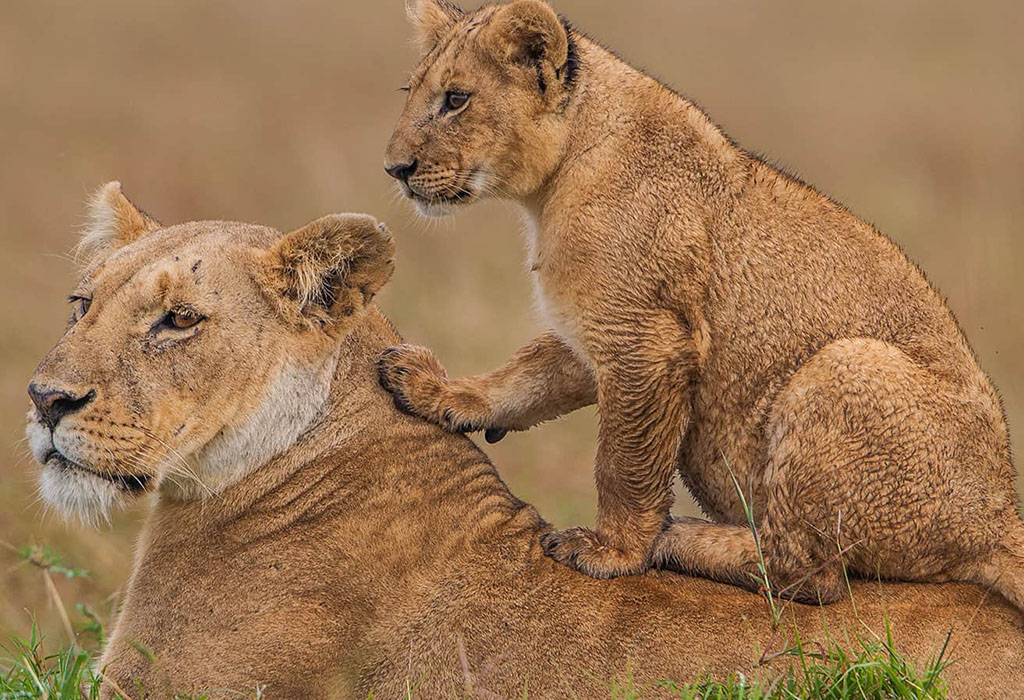
If you are planning a Masai Mara Kenya itinerary, there is one destination that deserves a central place in your plans: the Masai Mara National Reserve. Known for its sweeping savannahs, abundant wildlife, powerful predator encounters, and the spectacular Great Wildebeest Migration, the Mara offers one of Africa’s most memorable safari experiences.
What makes the Masai Mara particularly special is the variety of experiences available in one destination. You can watch lions patrol the plains in the early morning, search for elusive leopards along the riverbanks, witness huge herds of wildebeest during migration, and spend time learning about Maasai culture.
For first-time visitors to Kenya, the Masai Mara provides an excellent introduction to the country’s wildlife and landscapes. For returning travellers, the surrounding conservancies offer opportunities to explore the region from a different perspective. With Gorilla Vista Safaris, you can build a Kenya safari around the experiences that interest you most.
The Great Wildebeest Migration
One of Africa’s Greatest Wildlife Events
The Great Wildebeest Migration remains one of the biggest reasons travellers include the Masai Mara in their Kenya safari plans. Each year, large numbers of wildebeest, zebras, and other grazing animals move between Tanzania’s Serengeti and Kenya’s Masai Mara in search of fresh grazing and water.
The exact timing varies because the migration follows rainfall and changing grazing conditions. However, the herds commonly enter the Mara between around July and October. During this period, the reserve becomes especially lively as predators follow the concentrations of migrating prey.
For anyone planning a Masai Mara Kenya itinerary, migration season can provide extraordinary wildlife viewing. However, the Mara remains rewarding outside the migration months because resident wildlife stays in the ecosystem throughout the year.
Witness the Dramatic Mara River Crossings
The Mara River crossings are among the most dramatic scenes associated with the migration. Thousands of wildebeest can gather along the riverbank, sometimes remaining there for hours before one animal finally enters the water.
Once the herd begins moving, the scene can change within seconds. Animals rush into the river while crocodiles wait nearby. Dust rises from the banks, the water churns, and the surrounding plains fill with movement.
However, river crossings are completely unpredictable. No guide can guarantee that a crossing will happen at a particular time or location. Experienced driver-guides can monitor herd movements and position guests strategically, but nature ultimately decides when the animals cross.
Spending several days in the Mara during the migration can therefore give travellers more opportunities to witness this remarkable behaviour.
Exceptional Predator Viewing
Lions, Leopards and Cheetahs
The Masai Mara is also renowned for its big cats. Its open grasslands make it easier to observe predators as they move, hunt, rest, and interact with one another.
Lions are frequently encountered across the reserve. Depending on the location and time of year, you may find prides resting beneath trees, moving across the plains, or following potential prey.
Leopards require more patience. They often remain around riverine vegetation and woodland areas, where their spotted coats provide excellent camouflage. Experienced guides familiar with local territories can greatly improve your chances of finding them.
Cheetahs provide another unforgettable encounter. Their preferred open habitat gives them room to use their remarkable speed when hunting. Watching a cheetah move across the grassland in pursuit of prey can become one of the most exciting moments of a Kenya safari.
Wildlife Viewing Beyond the Big Five
The Masai Mara offers much more than lions, leopards, elephants, buffaloes, and rhinos. Its diverse ecosystem supports a wide range of animals and birds.
Elephants move through different parts of the ecosystem, while buffaloes often gather in large herds. Hippos occupy sections of the Mara River and other waterways. Giraffes browse among trees, while topis can often be seen standing prominently on termite mounds.
The reserve and surrounding ecosystem also support numerous bird species. From large raptors soaring above the plains to colourful smaller birds hiding within vegetation, birdwatchers can find plenty to enjoy between game drives.
Because of this diversity, a well-planned Masai Mara Kenya itinerary can appeal to both first-time safari travellers and experienced wildlife enthusiasts.
Explore the Private Conservancies
A Quieter Safari Experience
The Masai Mara National Reserve attracts visitors from around the world, particularly during the peak migration season. Consequently, some popular wildlife-viewing areas can become busy.
The private conservancies surrounding the reserve provide another option. Conservancies such as Mara North and Ol Kinyei operate under different management arrangements and often control visitor numbers to maintain a quieter safari environment.
Staying in a conservancy can therefore provide a more relaxed experience. Instead of spending every moment around busy wildlife-viewing areas, travellers can enjoy the landscape at a slower pace while supporting conservation and local communities.
Enjoy Experiences Beyond Traditional Game Drives
One advantage of staying in selected conservancies is the opportunity to participate in activities that may not be available within the main reserve.
Depending on the conservancy and lodge, visitors may enjoy guided bush walks, night game drives, and designated off-road wildlife viewing. These activities reveal another side of the Mara ecosystem.
A night drive, for example, introduces you to animals that become active after sunset. Leopards, genets, civets, servals, and other nocturnal species may appear under the guidance of trained safari professionals.
Walking through the bush offers an entirely different experience. Instead of observing wildlife from a vehicle, you can concentrate on animal tracks, plants, insects, birds, and other small details that are easy to overlook during a game drive.
Experience Maasai Culture
A safari in the Masai Mara can also introduce you to the people whose history and culture are closely connected to the region.
Many conservancies work with local Maasai communities, creating opportunities for visitors to learn about traditional lifestyles and the relationship between communities, livestock, wildlife, and the land.
During a cultural visit, you may learn about traditional homesteads, beadwork, music, dance, food preparation, and local knowledge of the surrounding environment.
These encounters can add greater depth to a safari because they remind visitors that the Mara is not only a wildlife destination. It is also a living landscape shared by people and animals.
Convenient Access from Nairobi
Another reason the Masai Mara fits easily into a Kenya safari is its accessibility from Nairobi.
Travellers can reach the Mara by road or by scheduled light aircraft. A road journey generally takes several hours, depending on the route and road conditions, while flights provide a faster connection to the various airstrips serving the region.
The journey by road also gives travellers the chance to experience changing Kenyan landscapes, including sections of the Great Rift Valley.
For travellers with limited time, flying can make it easier to combine the Mara with other destinations without spending too many hours on the road.
Combine the Masai Mara with Other Kenyan Destinations
A well-designed Masai Mara Kenya itinerary does not have to focus exclusively on the Mara. Kenya offers several destinations that complement the reserve.
Amboseli National Park, for example, is famous for its elephant populations and views toward Mount Kilimanjaro. Lake Nakuru provides opportunities to see rhinos and a variety of bird species. Nairobi can also serve as a convenient starting or ending point for a longer safari.
After exploring Kenya’s wildlife destinations, some travellers choose to continue to the coast. Diani Beach, with its white sands and Indian Ocean waters, offers a relaxing contrast to the excitement of the savannah.
Combining wildlife and beach experiences allows travellers to experience two very different sides of Kenya within one holiday.
When Should You Visit the Masai Mara?
The best time to visit depends largely on what you want to experience.
The months around July to October are particularly popular because they coincide with the period when large numbers of migratory animals may be present in the Mara. However, this is also a busy travel period.
Other months can provide excellent wildlife viewing with different weather conditions and potentially fewer visitors. Resident wildlife remains in the ecosystem throughout the year, so you do not have to visit during migration season to enjoy a rewarding safari.
Gorilla Vista Safaris can help you choose your travel period according to your interests, available time, and overall safari plans.
Why Include the Masai Mara in Your Kenya Safari?
The Masai Mara brings together many of the experiences travellers associate with an African safari. From wide-open savannahs and abundant wildlife to dramatic predator encounters, cultural experiences, and the Great Wildebeest Migration, the region offers remarkable variety.
Its location also makes it practical to combine with destinations such as Amboseli, Lake Nakuru, Nairobi, and the Kenyan coast.
Most importantly, the Mara gives you time to slow down and observe nature. Every game drive can bring something different. One morning might reveal a pride of lions, while an afternoon could produce a leopard sighting or a large herd of elephants crossing the plains.
For that reason, the Masai Mara remains a natural centrepiece for many Kenya safari plans.
Plan Your Masai Mara Safari with Gorilla Vista Safaris
A successful safari depends on more than simply choosing a destination. The length of your stay, travel season, accommodation, transport, conservation areas, and activities can all shape your experience.
Gorilla Vista Safaris can help you create a personalised Masai Mara Kenya itinerary based on your interests and available travel time. Whether you want to experience the Great Wildebeest Migration, explore the private conservancies, search for Africa’s big cats, discover Maasai culture, or combine the Mara with Kenya’s other destinations, thoughtful planning can make your safari more enjoyable.
The Masai Mara is more than a place to tick off your safari list. It is a landscape where wildlife, people, and nature come together to create experiences that stay with you long after you leave Kenya.