- DIRECT CONTACTS:
- +256 779 116 947
- +256 758 566 300
- info@gorillavistasafaris.com

Frequently Asked Questions About Lake Mburo National Park
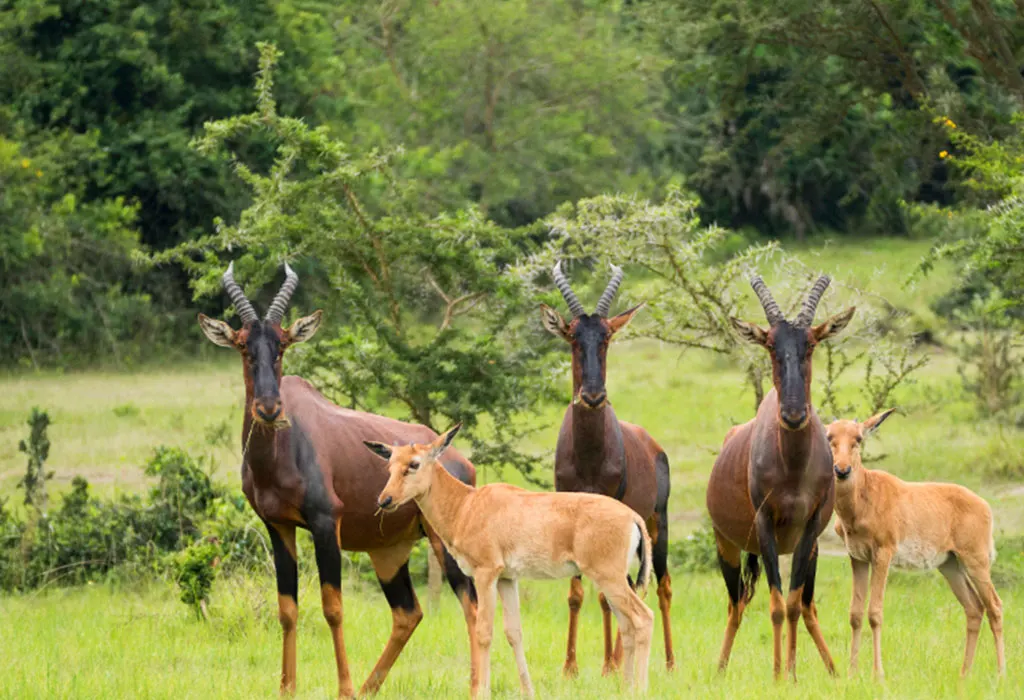
Lake Mburo National Park is one of Uganda’s most accessible and diverse wildlife destinations. Located in western Uganda along the Kampala–Mbarara highway, the park combines open savannah, acacia woodland, wetlands, rocky outcrops, and several lakes within a relatively compact area.
Although Lake Mburo is smaller than Uganda’s other savannah parks, its size does not limit the experiences available to visitors. Instead, the park offers a relaxed safari atmosphere where travellers can enjoy game drives, walking safaris, boat trips, horseback riding, birdwatching, cycling, and night game drives.
If you are planning a Uganda wildlife safari and want to understand what to expect, these frequently asked questions about Lake Mburo National Park provide a useful guide.
What Makes Lake Mburo National Park Unique?
Lake Mburo National Park covers about 370 square kilometres, making it Uganda’s smallest savannah national park. However, the park contains an impressive range of habitats within this relatively small area.
As you explore, you move between grassy plains, acacia-covered landscapes, wetlands, rocky areas, and lakes. This variety supports numerous wildlife species and gives the park a character that differs from larger destinations such as Queen Elizabeth and Murchison Falls National Parks.
Lake Mburo is also known for species that are particularly associated with this part of Uganda, including impalas, zebras, and elands. Because the park lies relatively close to Kampala, it also works well for short safaris and as a stopover on journeys toward western Uganda.
What Animals Can I See in Lake Mburo?
Lake Mburo offers rewarding wildlife viewing throughout the year. Zebras are among the animals you are most likely to encounter, often moving across the open grasslands or gathering near woodland areas.
Impalas are another major attraction, while topi, waterbucks, common duikers, bushbucks, buffaloes, and elands can also be seen. Giraffes have become an increasingly noticeable part of the park’s wildlife experience, particularly in areas where they browse among the trees.
The park also supports predators such as leopards, spotted hyenas, and other smaller carnivores. During night activities, visitors may encounter nocturnal animals that remain hidden during daylight hours.
Wildlife sightings are never guaranteed, but the park’s mixture of habitats creates plenty of opportunities for exploration and observation.
Are There Elephants or Lions in Lake Mburo?
Lake Mburo does not have a resident elephant population, which distinguishes it from some of Uganda’s larger savannah parks. This has helped make walking safaris one of the park’s most popular experiences.
Lions have historically been uncommon in Lake Mburo, but occasional sightings and reports of their presence have added another dimension to the park’s wildlife story. Visitors should therefore listen to current information from their guides and park authorities when planning their activities.
The absence of elephants does not make the park lacking in wildlife. Instead, it allows Lake Mburo to offer experiences that are more difficult to arrange in destinations where large elephant populations dominate the landscape.
What Birds Can I See?
Lake Mburo is an excellent destination for birdwatchers, with more than 300 bird species recorded in the park. Its combination of wetlands, papyrus, open grassland, woodland, and lakes creates suitable habitats for a wide range of birds.
Depending on the location and season, visitors may see African fish eagles, grey crowned cranes, malachite kingfishers, pied kingfishers, herons, egrets, and numerous woodland and grassland species.
Birdwatching can easily be combined with other safari activities. For example, you can carry binoculars during a game drive or choose a guided walking experience that allows you to concentrate more closely on the smaller details of the ecosystem.
What Activities Are Available in Lake Mburo?
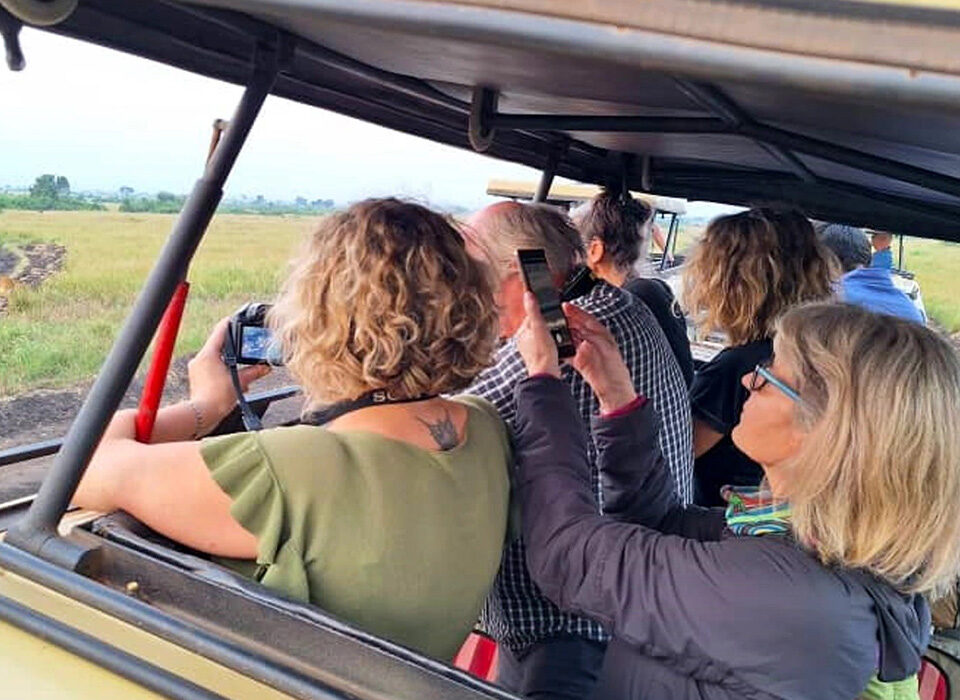
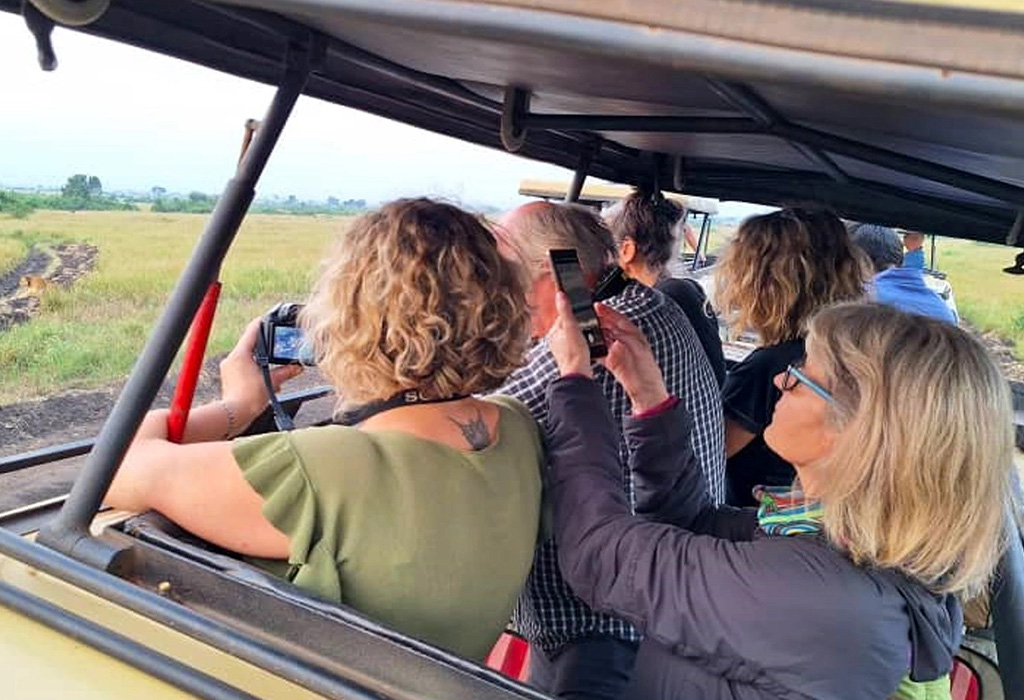
One of Lake Mburo’s greatest strengths is the variety of activities available. A traditional game drive allows you to explore the park’s tracks while looking for zebras, giraffes, impalas, buffaloes, topi, elands, and other wildlife.
However, the experience does not end when you leave the vehicle. Guided walking safaris provide an opportunity to explore the bush at a slower pace. You can examine animal tracks, learn about plants, listen for birds, and observe wildlife from a different perspective.
Boat trips on Lake Mburo offer another memorable experience. On the water, you can look for hippos, crocodiles, waterbirds, and animals approaching the shoreline.
For travellers seeking something more active, horseback riding and cycling provide alternative ways to explore the surrounding landscapes. Sport fishing is also available in designated areas.
Can I Take a Walking Safari?
Yes. Walking safaris are among Lake Mburo’s most distinctive activities. Visitors normally explore with trained guides or Uganda Wildlife Authority rangers who help interpret the environment and maintain appropriate safety procedures.
Instead of concentrating only on large animals, walking allows you to appreciate the smaller details of the park. Your guide may point out animal tracks, identify plants, explain bird calls, or show you signs of recent wildlife activity.
Because walking provides a slower and quieter way to experience nature, it can complement a conventional game drive particularly well.
Are Night Game Drives Available?
Night game drives offer a completely different perspective of Lake Mburo. Once darkness settles over the savannah, many nocturnal animals become active.
With the assistance of a spotlight and an experienced guide, visitors may search for animals such as leopards, spotted hyenas, genets, civets, bushbabies, porcupines, and other nocturnal species.
The darkness also changes the atmosphere of the park. Sounds become more noticeable, and even familiar landscapes can appear completely different from those experienced during the day.
What Is the Lake Mburo Boat Cruise Like?
A boat cruise provides a peaceful way to explore the park’s aquatic environment. As the boat moves along the shoreline, you can watch hippos in the water and look for Nile crocodiles resting along the banks.
The lake is also an excellent place for observing waterbirds. Fish eagles, kingfishers, herons, and other species can often be seen around the water and surrounding vegetation.
A boat cruise works particularly well as a complement to a game drive because it allows you to experience Lake Mburo from a completely different angle.
Where Is Lake Mburo and How Do I Get There?
Lake Mburo National Park lies in western Uganda, approximately 228 kilometres from Kampala. The journey normally takes around three to four hours by road, depending on traffic, road conditions, and the exact route used.
Its location makes the park convenient for travellers heading toward Mbarara, Bwindi Impenetrable National Park, or other destinations in southwestern Uganda. It can also serve as a short safari destination for visitors with limited time.
When Is the Best Time to Visit?
The dry seasons, generally from June to August and December to February, are popular for wildlife viewing because vegetation is often less dense and animals may gather around available water sources.
Nevertheless, Lake Mburo can be visited throughout the year. During the wetter months, the landscape becomes greener and bird activity can be particularly rewarding.
Therefore, the best time depends on what you want to experience. Wildlife viewing may be easier during drier periods, while birdwatchers and photographers may appreciate the lush scenery of the wetter seasons.
Is Lake Mburo Suitable for Families?
Lake Mburo can be a convenient destination for families because of its accessibility and wide range of activities. Instead of spending every day on long game drives, families can combine wildlife viewing with a boat cruise, nature walk, or other suitable activities.
Accommodation options around the park also cater to different travel preferences and budgets. Before travelling with children, however, families should confirm age requirements and activity-specific safety guidelines with their tour operator or accommodation provider.
Is Lake Mburo a Big Five Park?
Lake Mburo is not traditionally classified as a Big Five destination because it does not have resident elephant and rhino populations. Nevertheless, the park offers a different kind of safari experience.
Its appeal lies in its distinctive wildlife, beautiful landscapes, birdlife, walking experiences, boat cruises, and accessibility. For travellers who want more than simply ticking off a list of large mammals, Lake Mburo provides plenty to discover.
Book Your Lake Mburo Safari with Gorilla Vista Cafaris
A Lake Mburo safari becomes easier to organise when you have a knowledgeable local tour operator handling the arrangements. Gorilla Vista Cafaris can help you plan a safari around your preferred activities, available time, accommodation needs, and travel budget.
Whether you want to combine Lake Mburo with Bwindi gorilla trekking, explore the park on a game drive, enjoy a boat cruise, or experience the landscape on foot, a well-planned itinerary can help you make the most of your time in western Uganda.
From transportation and accommodation to guiding and activity arrangements, Gorilla Vista Cafaris can help coordinate the key details of your journey. With Lake Mburo’s convenient location and diverse experiences, the park can be an excellent addition to a broader Uganda safari or a rewarding destination on its own.

1 Comment
[…] Lake Mburo National Park is one of the best places in Uganda for a traditional walking safari. Unlike many savannah parks where visitors primarily explore by vehicle, Lake Mburo allows visitors to experience the wilderness on foot with trained ranger guides. […]