- DIRECT CONTACTS:
- +256 779 116 947
- +256 758 566 300
- info@gorillavistasafaris.com

Gorilla Families in Rushaga Sector of Bwindi Impenetrable National Park
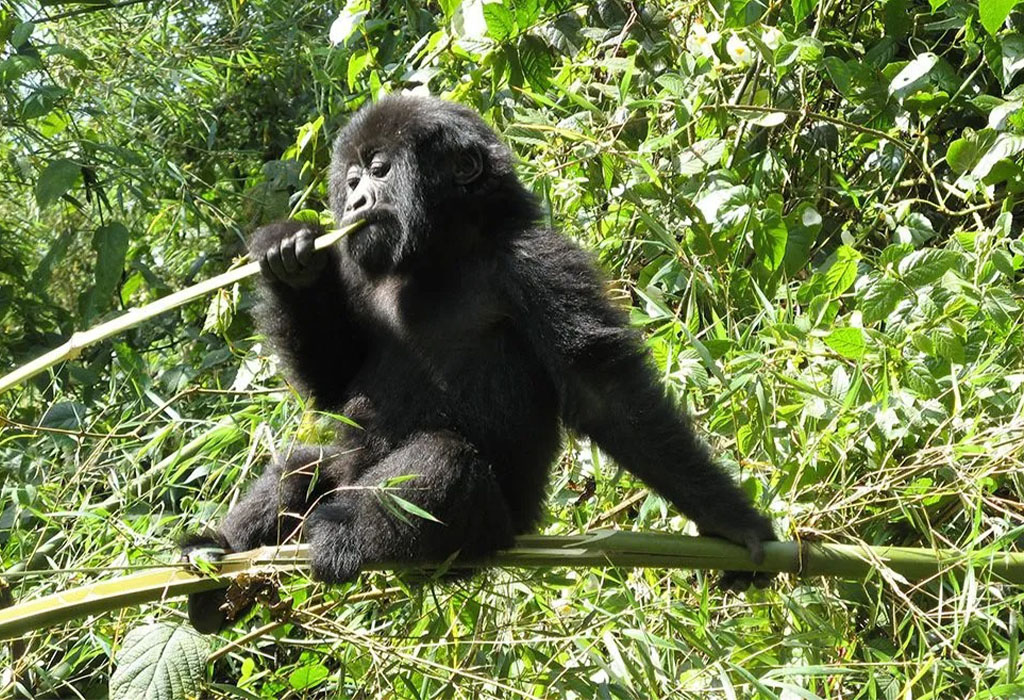
Rushaga is one of the four main gorilla trekking sectors in Bwindi Impenetrable National Park, located in southwestern Uganda. The sector lies in the southern part of the park and has become an important destination for travelers interested in seeing mountain gorillas in their natural habitat.
Bwindi Impenetrable National Park is famous for protecting a significant population of the world’s remaining mountain gorillas. The park is divided into four main trekking sectors: Buhoma in the north, Ruhija in the east, and Rushaga and Nkuringo in the south. Among these sectors, Rushaga stands out because it offers both regular gorilla trekking and the unique gorilla habituation experience.
Rushaga has several habituated gorilla families that visitors can track. These groups have become accustomed to limited human presence through a carefully managed habituation process. Each family has its own history, social structure and character, making every trekking experience different.
Gorilla Families Found in Rushaga Sector
Over the years, several gorilla families have been habituated in Rushaga. Their composition can change naturally because of births, deaths, movements, group splits and interactions between silverbacks. Therefore, the number of gorillas in each family may change over time.
Nshongi Gorilla Family
The Nshongi gorilla family takes its name from the Nshongi River, where the group was first sighted. The river itself received the name because its water was traditionally associated with the appearance of honey, known locally as “Omushongi Gwoboki.”
Nshongi began habituation in 2007 and opened for gorilla trekking in 2009. The family experienced several important changes after some of its members left to establish or join other groups.
In 2010, the silverback Mishaya separated from Nshongi with several members and established his own group. Later, another split led to the formation of the Bweza family. These changes demonstrate the dynamic nature of mountain gorilla societies, where groups can reorganize as males mature and compete for leadership.
Mishaya Gorilla Family
The Mishaya family originated from the Nshongi group after the silverback Mishaya separated from the original family. He established a new group in 2010, initially bringing several members with him.
Mishaya remained an important figure in the group until his death in February 2014. Following his death, some members dispersed and joined other gorilla families because the group temporarily lacked a mature male capable of taking over leadership.
The family later reorganized under another dominant silverback. Today, its composition can change as gorillas move between groups, making its social history particularly interesting for visitors learning about gorilla behavior.
Kahungye Gorilla Family
The Kahungye gorilla family was named after Kahungye Hill, where the group was first encountered. Its habituation began in 2009, and the family was later opened to tourists for trekking.
The group once had more than 20 members and was led by the silverback Ruhemuka. Following his death, the family underwent a major social change and eventually split, resulting in the formation of the Busingye group.
Kahungye continues to be one of the gorilla families associated with Rushaga. Visitors tracking this group can observe the close social relationships between adults, juveniles and infants as they move through the forest.
Busingye Gorilla Family
Busingye is another well-known gorilla family in Rushaga. The group separated from Kahungye and took its name from the dominant silverback Busingye.
The word “Busingye” is associated with peace, and the family has developed a reputation for ranging through deeper sections of the forest. Like other gorilla groups, its composition changes naturally over time as young gorillas mature and new infants are born.
During a trek, visitors may encounter several generations within the same family, including silverbacks, adult females, blackbacks, juveniles and infants.
Bweza Gorilla Family
The Bweza family also has its roots in the Nshongi gorilla family. The dominant silverback Bweza separated from Nshongi and established his own group.
Since its formation, the family has continued to develop as a distinct social unit. Its members include silverbacks, adult females, younger males and infants.
Bweza is among the groups that tourists may encounter during a gorilla trekking experience in Rushaga. However, because gorilla families are living wild animals, their exact location and composition can change.
Bikingi Gorilla Family
The Bikingi gorilla family is another group associated with Rushaga. Habituation of the group began in 2012, and the family was named after the silverback Bikingi, who played an important leadership role.
After Bikingi died following a confrontation with a solitary male, the family experienced significant changes. Some members dispersed and joined other groups.
The history of Bikingi illustrates how leadership plays an important role in the stability of gorilla families. A change in leadership can lead to movements, group restructuring or the formation of new social units.
Rwigi Gorilla Family
Rwigi is one of the newer gorilla families associated with Rushaga. The group emerged following changes within the Kahungye family.
The family takes its name from the silverback Rwigi, who became its dominant male. Like other newly established groups, Rwigi has developed its own social structure as its members interact, feed and move through the forest together.
Although the composition of the family may change, visitors can enjoy watching the natural relationships between its members during a trekking experience.
Mucunguzi Gorilla Family
Mucunguzi is another gorilla family found in the Rushaga area. The name “Mucunguzi” means “savior” in the local language and comes from the silverback that led the group.
The family developed after a split from the Bweza group. Mucunguzi had previously been associated with Bweza before separating and establishing his own group.
Its formation adds to the fascinating social history of Rushaga’s gorilla population. As with other families, the group’s membership can change because of births, deaths, dispersal and other natural social processes.
Gorilla Trekking Experience in Rushaga
Gorilla trekking in Rushaga normally begins early in the morning at the park headquarters. Before entering the forest, visitors attend a briefing where park officials explain the trekking guidelines, safety measures and responsible behavior around gorillas.
After the briefing, trekkers are assigned to gorilla families and accompanied by trained park guides and trackers. The guides lead visitors along forest trails while trackers follow signs left by the gorillas, such as footprints, broken vegetation and discarded food.
The trek can take several hours, depending on where the assigned family has moved. Once visitors locate the gorillas, they are given a limited amount of time to observe them from a safe distance.
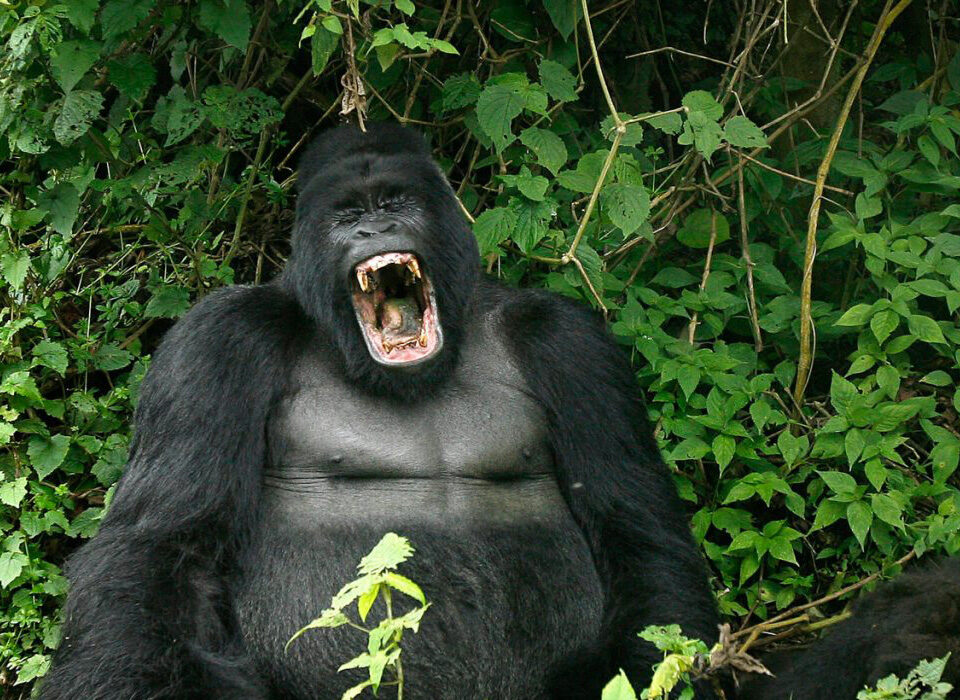
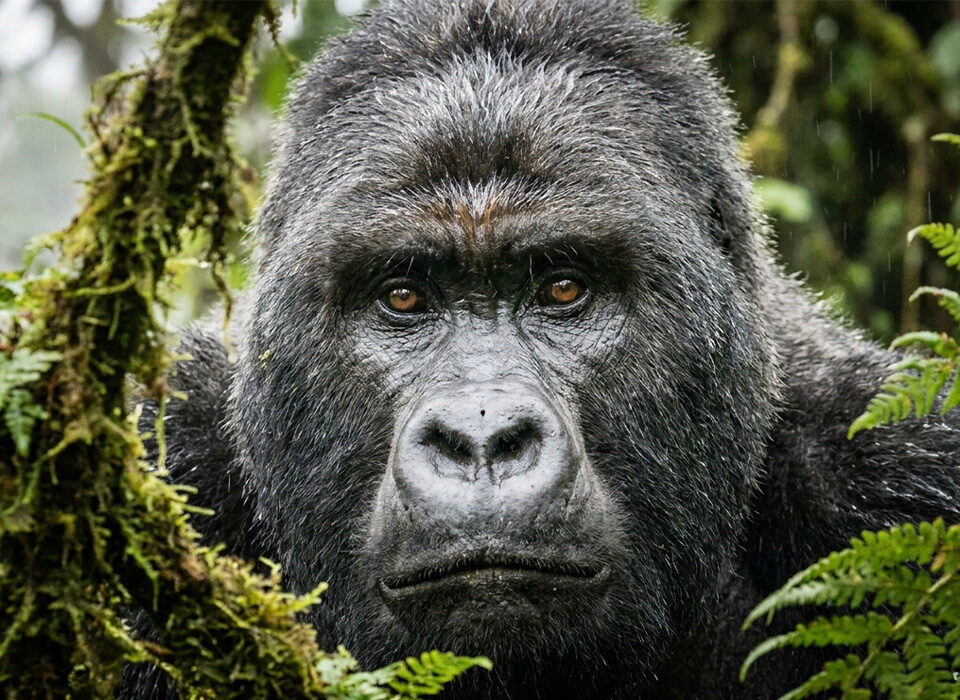
The experience offers opportunities to watch gorillas feeding, grooming, playing, resting and caring for their young. Visitors can also take photographs and videos, provided they follow the park’s guidelines.
Gorilla Habituation Experience in Rushaga
One feature that makes Rushaga particularly significant is the gorilla habituation experience. Unlike standard trekking, habituation allows visitors to spend more time observing gorillas that researchers and trackers are gradually introducing to human presence.
The experience provides a deeper opportunity to learn about gorilla behavior, social relationships and conservation. However, availability is limited, and travelers should make arrangements well in advance.
Best Time for Gorilla Trekking in Rushaga
Gorilla trekking takes place throughout the year. However, many travelers prefer the relatively drier months, particularly June, July, August, September, December, January and February.
During these periods, rainfall is generally lower, and trekking trails may be easier to navigate. Nevertheless, Bwindi is a tropical rainforest, so rain can occur at any time. Travelers should therefore prepare for changing weather regardless of the season.
Cost of a Gorilla Trekking Permit
Gorilla permit prices depend on the visitor’s residency category and can change when the Uganda Wildlife Authority updates its tariff structure. Travelers should confirm the current rates before booking their safari.
A gorilla trekking permit provides access to the trekking experience and supports gorilla conservation and protected-area management.
How to Get to Rushaga Sector
Travelers can reach Rushaga by road from Kampala through major towns such as Masaka, Mbarara and Kabale before continuing toward the southern sector of Bwindi. The journey can take approximately eight to nine hours, depending on road conditions and stops along the way.
For travelers using air transport, domestic flights can connect from Entebbe or Kajjansi to airstrips serving southwestern Uganda, followed by a road transfer to Rushaga.
Rushaga can also be reached from Kigali, Rwanda. Travelers crossing into Uganda can use border points such as Cyanika or Katuna before continuing toward Bwindi. This route can be convenient for visitors combining a Rwanda trip with gorilla trekking in Uganda.
Where to Stay in Rushaga
Rushaga has several accommodation options suitable for different travel budgets and preferences. Visitors can choose from safari lodges, hotels and comfortable guesthouses located within reach of the trekking headquarters. Options in and around the wider area include lodges such as Icumbi Gorilla Lodge, Saint Jean, Mariah Hill Resort and Comoran Lodge, among others.
Travelers should choose accommodation based on their trekking schedule, budget and preferred level of comfort. Staying close to the Rushaga briefing point can also make it easier to prepare for an early-morning trek.
For assistance with gorilla permits, accommodation, transportation and customized gorilla trekking packages, travelers can contact Gorilla Vista Cafaris. The company can help organize a Rushaga gorilla safari according to your travel dates, interests and budget.




2 Comments
[…] location makes the park convenient for travellers heading toward Mbarara, Bwindi Impenetrable National Park, or other destinations in southwestern Uganda. It can also serve as a short safari destination for […]
[…] to find habituated mountain gorilla families. In Uganda, you can participate in this experience in Bwindi Impenetrable National Park and Mgahinga Gorilla National Park. In Rwanda, gorilla trekking takes place in Volcanoes National […]