- DIRECT CONTACTS:
- +256 779 116 947
- +256 758 566 300
- info@gorillavistasafaris.com

The Batwa Cultural Trail and Experience in Uganda
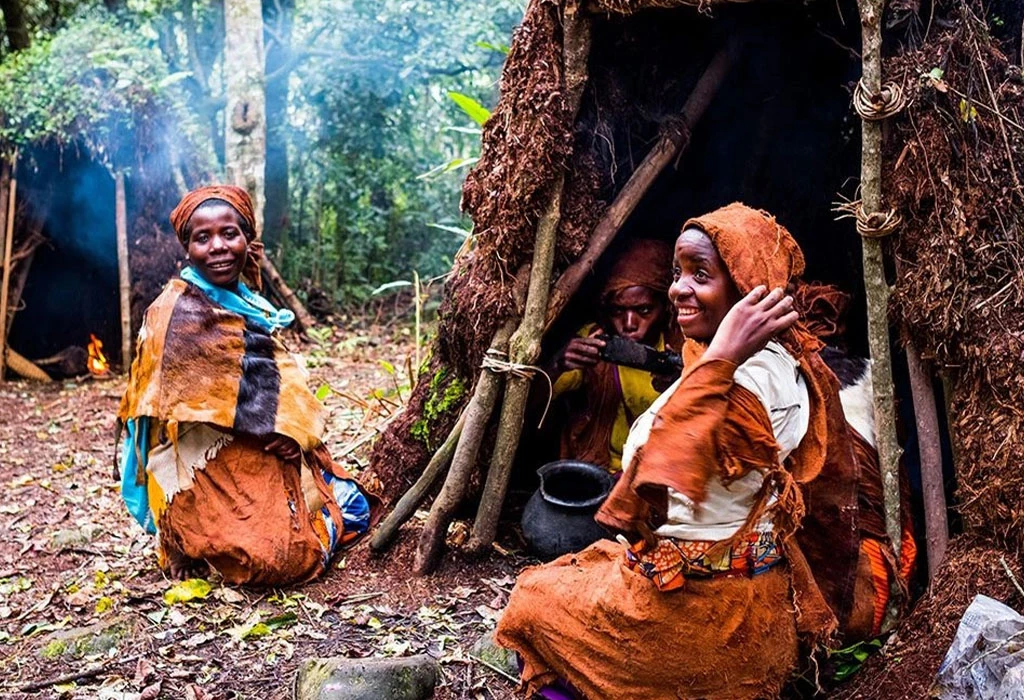
The Batwa Cultural Trail offers one of the most meaningful cultural experiences in southwestern Uganda. Rather than simply observing a community from a distance, travelers have an opportunity to listen to Batwa guides, learn about their forest heritage, discover traditional practices, and understand how life changed after their displacement from the forests of Bwindi and Mgahinga.
For generations, the Batwa lived as forest-dwelling hunter-gatherers in the Albertine Rift. The forests provided food, medicine, shelter, and materials for everyday life. Today, many Batwa communities live outside the protected areas, particularly around Kisoro, Kabale, and Kanungu. Their relationship with the forest, however, remains an important part of their cultural identity.
A visit with the Batwa therefore adds an important human dimension to a Uganda safari, especially when combined with gorilla trekking in Bwindi Impenetrable National Park or Mgahinga Gorilla National Park.
The Batwa and Their Forest Heritage
The Batwa are among the indigenous peoples historically associated with the forests of the Great Lakes region of Central and East Africa. For centuries, they developed an intimate understanding of the forest environment and relied on its resources for their survival.
They hunted small animals, collected wild fruits, gathered honey, harvested medicinal plants, and constructed temporary shelters from materials available in the forest. Their knowledge was passed from one generation to another through stories, songs, demonstrations, and everyday interaction with the environment.
The establishment of protected areas in southwestern Uganda dramatically changed this way of life. As Bwindi and Mgahinga became protected for biodiversity and conservation, the Batwa were removed from the forests and lost direct access to many of the resources on which their communities depended.
This transition created serious social and economic difficulties. Many Batwa families had limited access to land, education, healthcare, employment, and other opportunities. At the same time, they faced discrimination and struggled to maintain aspects of their cultural identity outside the forest.
Today, various community organizations, government agencies, conservation partners, and development groups support initiatives intended to improve livelihoods, education, healthcare, housing, and cultural preservation among Batwa communities.
Why the Batwa Cultural Experience Matters
The Batwa experience is more than a cultural performance for tourists. When managed responsibly, it creates an opportunity for Batwa communities to share their own history while earning income from tourism.
The experience also helps visitors understand an often-overlooked part of Uganda’s conservation story. Gorilla trekking and forest conservation have brought significant attention to Bwindi and Mgahinga, but the history of the people who once lived in these forests deserves recognition as well.
Through the cultural experience, visitors can hear firsthand accounts of traditional forest life and learn about the challenges that followed displacement. Consequently, the activity can encourage greater appreciation for both cultural heritage and conservation.
Gorilla Vista Safaris encourages travelers to approach the experience with respect, curiosity, and an open mind. The Batwa should not be viewed simply as an attraction. Instead, visitors should see the experience as an opportunity to engage with a living community and learn from its history.
The Batwa Trail in Mgahinga Gorilla National Park
The Batwa Trail in Mgahinga is one of the best-known ways to explore Batwa heritage in southwestern Uganda. Unlike a conventional community visit, the trail takes visitors into the forest landscape that played such an important role in Batwa life.
Batwa guides lead the experience and explain how their ancestors used the forest. As you walk along the trail, the guide may demonstrate traditional methods of identifying useful plants, collecting forest resources, making fire, preparing food, constructing shelters, and gathering honey.
The forest itself becomes part of the story. Instead of simply looking at trees and vegetation, you begin to understand how the Batwa identified different plants and recognized their uses.
The guides also share stories about traditional life, hunting practices, spirituality, relationships with the forest, and the changes that occurred after the community lost access to its ancestral environment.
Discover Traditional Forest Knowledge
One of the most fascinating aspects of the Batwa Trail is the community’s traditional knowledge of plants.
As you move through the forest, your guide may identify plants that were traditionally used for food, medicine, construction, or other purposes. Some plants were used to treat common ailments, while others provided materials for tools and household items.
It is important to understand these demonstrations as cultural knowledge rather than medical advice. Visitors should never collect or consume plants without guidance from qualified professionals.
The experience also introduces travelers to traditional food preparation and other practical skills. Depending on the program, the guides may demonstrate how the Batwa made fire, constructed shelters, harvested honey, and used bamboo and other natural materials.
These activities reveal how closely everyday life was connected to the forest.
Stories, Songs and Traditional Dance
Storytelling forms an important part of the Batwa cultural experience. Through stories and oral traditions, guides explain how their communities lived and interacted with the forest.
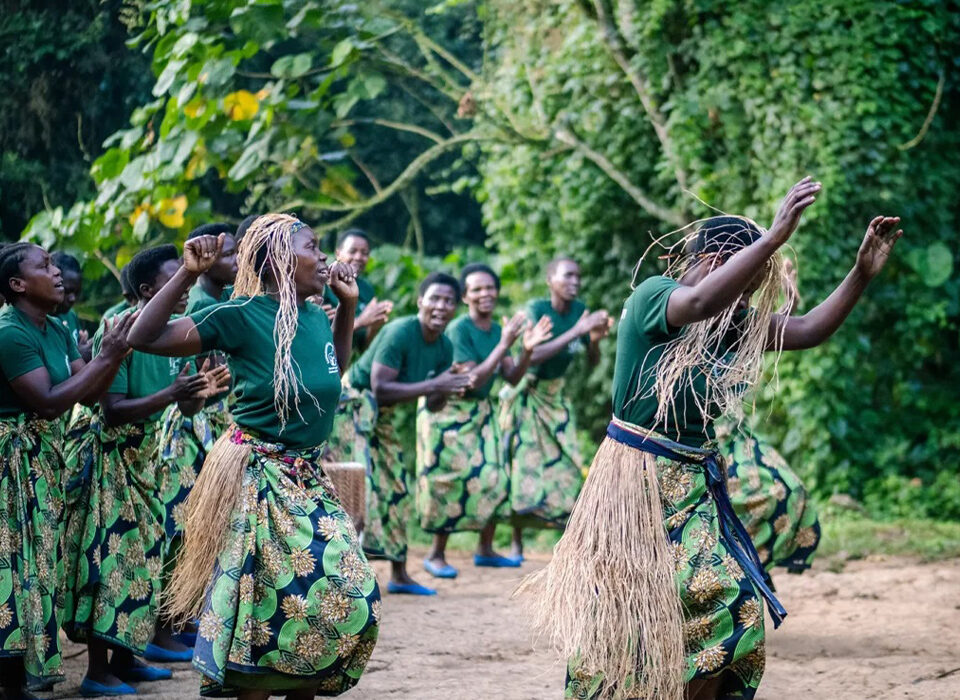
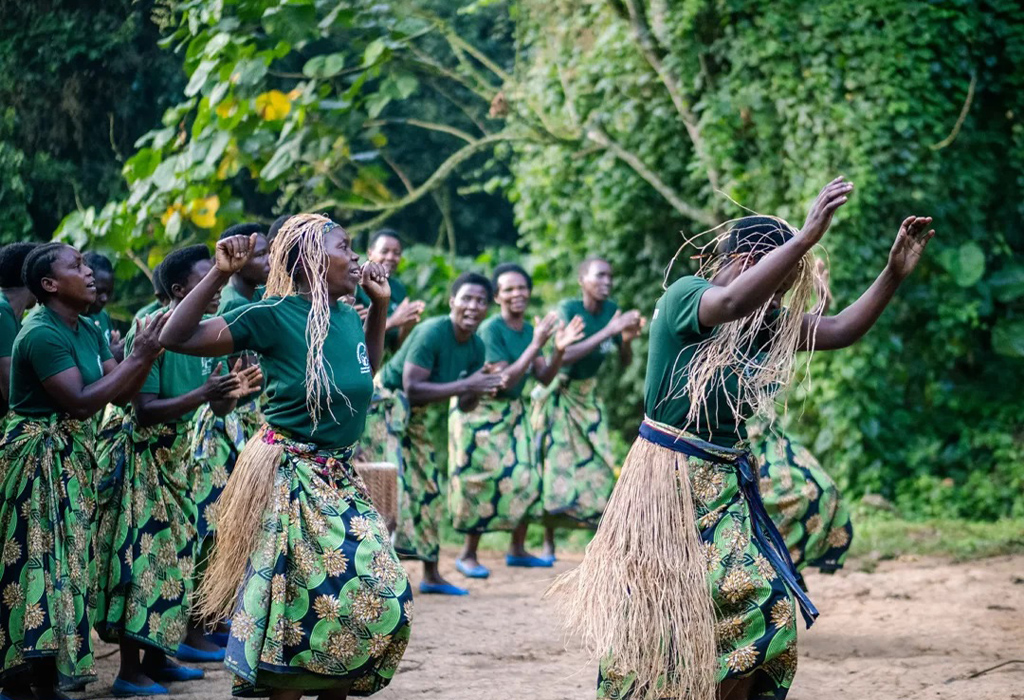
Music and dance also provide a lively conclusion to many cultural visits. Batwa men, women, and children may perform traditional songs and dances that express aspects of their cultural heritage.
Rather than treating the performance simply as entertainment, travelers can appreciate it as an important form of cultural expression. Visitors are encouraged to participate respectfully when invited and to ask questions about the meaning behind the songs and dances.
Exploring Garama Cave
The Garama Cave experience near Mgahinga provides another connection to Batwa history. The cave holds cultural significance and features prominently in stories about the Batwa’s former life in the area.
According to local traditions, the cave served as a refuge and meeting place. It is associated with stories of leadership, food storage, conflict, and community life.
Walking into the dark interior provides a striking contrast to the forest outside. More importantly, the visit gives travelers an opportunity to hear local interpretations of the cave’s historical and cultural importance.
Your guide can explain the traditions associated with Garama Cave and how the Batwa used the surrounding landscape.
Batwa Cultural Experiences Around Bwindi
Travelers visiting Bwindi Impenetrable National Park can also arrange cultural experiences with Batwa communities living around the forest.
These visits differ from the longer forest-based Batwa Trail in Mgahinga. In Bwindi, cultural encounters generally take place within or around Batwa communities near the edge of the national park.
The activities may include storytelling, traditional dancing, demonstrations of forest skills, craft making, and discussions about Batwa history and contemporary life.
Because the experience takes place within the community, visitors can gain a broader understanding of present-day Batwa life. You may also have opportunities to purchase locally made crafts, providing an additional source of income for participating families.
How Tourism Supports the Batwa Community
Responsible tourism can play a valuable role in supporting communities that have historically received limited economic benefits from conservation.
Income generated through cultural tourism can contribute to household livelihoods and community initiatives. At the same time, involving Batwa people as guides and cultural interpreters creates opportunities for them to share knowledge on their own terms.
The experience can also strengthen cultural pride. For a community whose relationship with the forest was disrupted, returning to the forest as knowledgeable guides creates an important connection between cultural heritage and modern tourism.
However, travelers should remember that tourism alone cannot resolve the complex social and economic challenges facing Batwa communities. Sustainable support also requires education, healthcare, secure livelihoods, land rights, cultural preservation, and meaningful participation in decisions affecting their communities.
Best Time to Experience the Batwa Trail
The Batwa Trail can be experienced throughout the year, although weather can influence conditions in the forest.
The drier months generally offer more manageable hiking conditions, while the rainy seasons can make forest paths wetter and more slippery. Nevertheless, rainfall can occur at any time in southwestern Uganda, so visitors should always prepare for changing weather.
If you plan to combine the cultural experience with gorilla trekking, chimpanzee tracking, wildlife viewing, or other activities, Gorilla Vista Safaris can help arrange the itinerary around your preferred travel period.
What to Wear and Carry
Comfortable clothing and sturdy footwear are important because the experience takes place in a forest environment. Long trousers and a long-sleeved shirt can protect you from vegetation, insects, and minor scratches.
A waterproof jacket is also useful because rain can arrive unexpectedly. Travelers should carry drinking water, a small snack, insect repellent, sunscreen, and any personal medication they require.
A camera is worthwhile if photography is permitted, but always ask before photographing people, homes, ceremonies, or other culturally sensitive moments.
You do not need to carry excessive equipment. A light daypack is usually sufficient, particularly if you are combining the experience with another activity.
Combine the Batwa Experience with Gorilla Trekking
Many travelers combine the Batwa cultural experience with gorilla trekking in Bwindi or Mgahinga. The combination creates a more complete understanding of southwestern Uganda.
Gorilla trekking introduces you to the region’s remarkable wildlife and conservation efforts, while the Batwa experience provides insight into the human history connected to the forest.
You can also combine the cultural experience with visits to Queen Elizabeth National Park, Lake Bunyonyi, Kisoro, or other destinations in southwestern Uganda, depending on the length of your safari.
Travel Responsibly and Respectfully
A respectful approach can make your Batwa cultural experience more meaningful. Listen carefully to the guides, ask thoughtful questions, follow photography guidelines, and avoid making assumptions about the community based on stereotypes.
Where possible, purchase crafts directly from community members and use locally provided services. Most importantly, remember that the people you meet are sharing their heritage, experiences, and contemporary lives with you.
The Batwa Cultural Trail is ultimately about much more than a walk through the forest. It connects travelers with the history, knowledge, traditions, and resilience of a community whose identity remains closely linked to Uganda’s forests.
For visitors exploring Bwindi and Mgahinga, the experience offers a valuable opportunity to look beyond gorillas and discover another important part of the region’s heritage. With responsible tourism and meaningful community participation, the Batwa cultural experience can help preserve traditions while creating practical benefits for the people who share them.

2 Comments
[…] dance, and oral storytelling form an important part of many Batwa cultural experiences. After a guided walk, visitors may have an opportunity to watch traditional performances featuring […]
[…] Learn more about the fascinating facts about the Batwa people. […]